
Hair loss can be a frustrating and often emotionally challenging condition, affecting millions of people worldwide. While there are many treatments available, one of the most promising and natural options is Vitamin D supplementation. Known for its critical role in bone health, immune function, and cellular growth, Vitamin D is also increasingly recognized for its impact on hair health.
Many people are unaware that Vitamin D deficiency is a common cause of hair loss, and correcting this deficiency through supplementation can help prevent further hair shedding and even promote hair regrowth. Vitamin D plays a key role in the hair follicle cycle, influencing the growth phase of hair and stimulating the growth of healthy hair strands. This article will explore the connection between Vitamin D and hair loss, the benefits of Vitamin D supplements, how to choose the right one, and the potential side effects.
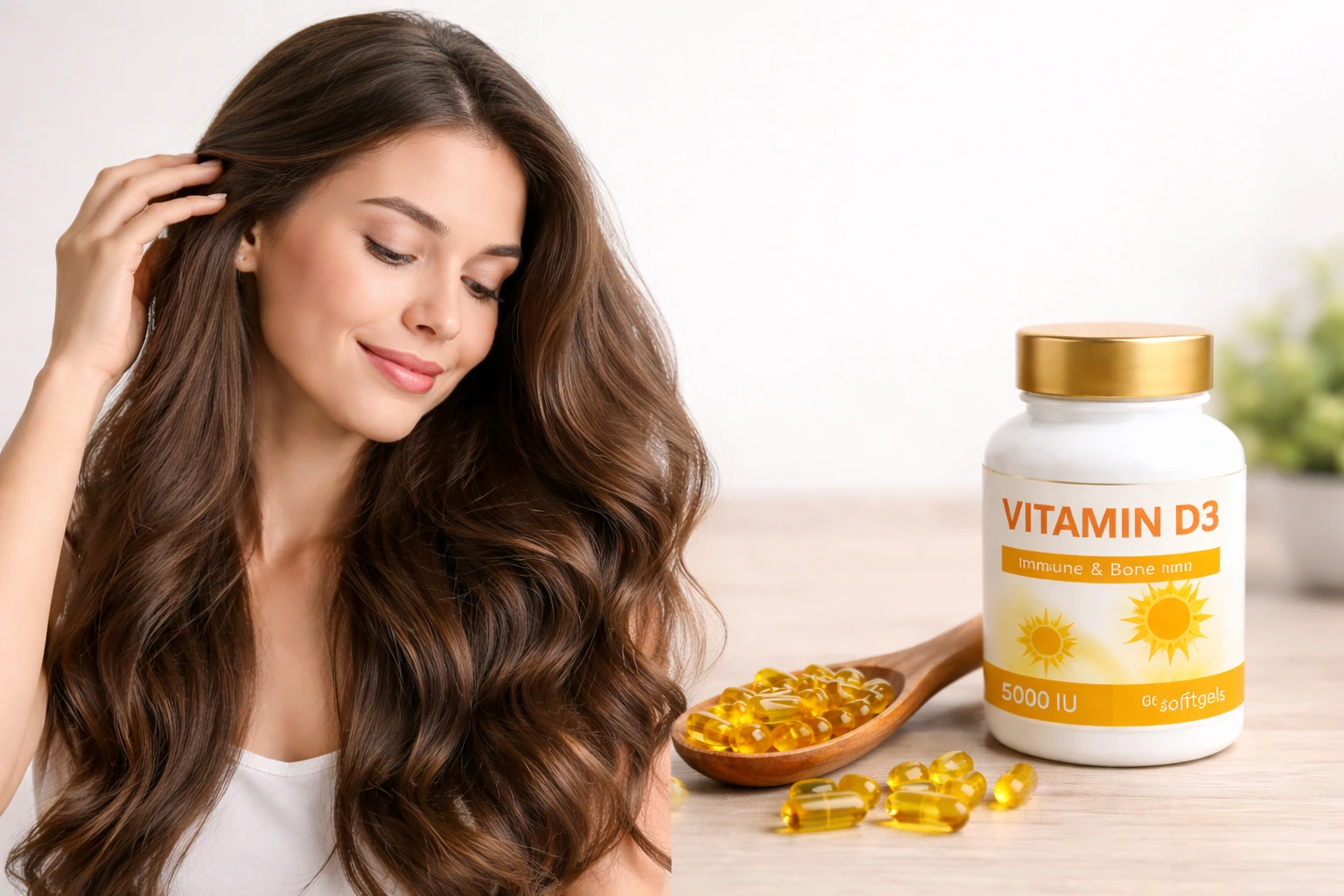
Whether you're struggling with thinning hair, bald spots, or other types of hair loss, Vitamin D supplements could be a natural and effective solution to restore your hair health. Let’s take a closer look at the science behind Vitamin D and how it can help support your hair growth journey.
1. What Is Vitamin D and How Does It Affect the Body?
Vitamin D is a fat-soluble vitamin that is produced by the body in response to sunlight exposure. It can also be obtained from certain foods such as fatty fish, fortified dairy products, and egg yolks. Additionally, Vitamin D supplements are available for those who may not get enough from natural sunlight or their diet.
Vitamin D plays a crucial role in regulating the levels of calcium and phosphorus in the body, both of which are vital for bone health. However, recent research suggests that Vitamin D is also essential for cellular growth, including the cells found in hair follicles. Adequate levels of Vitamin D are believed to help maintain healthy hair cycles and prevent hair loss caused by Vitamin D deficiency.
2. The Link Between Vitamin D Deficiency and Hair Loss
Vitamin D deficiency is a common issue, affecting a large portion of the population worldwide. In fact, studies show that up to 50% of people may have insufficient Vitamin D levels, which can contribute to a variety of health problems, including hair loss.
One of the primary roles of Vitamin D in hair health is its involvement in the anagen phase, the growth phase of the hair cycle. Hair follicles require Vitamin D to initiate and sustain the growth phase. When the body lacks sufficient Vitamin D, hair follicles can enter the telogen phase prematurely, which is the resting phase where hair shedding occurs.
Types of Hair Loss Linked to Vitamin D Deficiency
-
Alopecia Areata: A type of autoimmune hair loss that results in patchy bald spots on the scalp and other areas of the body. Research suggests that individuals with alopecia areata often have low Vitamin D levels. Supplementation may help promote hair regrowth in affected areas.
-
Telogen Effluvium: A common form of temporary hair shedding that occurs after stress, illness, or hormonal changes. Vitamin D deficiency has been shown to contribute to excessive shedding during this phase of the hair cycle.
-
Female and Male Pattern Baldness: Although this condition is largely genetic, insufficient Vitamin D levels can exacerbate hair thinning, especially in those predisposed to androgenic alopecia.
3. How Does Vitamin D Contribute to Hair Growth?
Vitamin D supports hair health through various mechanisms. It helps regulate the hair growth cycle, particularly by stimulating hair follicle stem cells, which are responsible for producing new hair. Here are a few ways Vitamin D contributes to healthy hair growth:
A) Stimulating Hair Follicle Stem Cells
Vitamin D activates the Vitamin D receptor (VDR), which is found in hair follicle cells. These receptors help regulate the hair growth cycle, particularly in the anagen phase. Adequate Vitamin D levels ensure that hair follicles remain active and produce new hair strands.
B) Reducing Inflammation and Supporting Immune Function
Inflammation and immune system dysfunction can lead to hair loss. Vitamin D has potent anti-inflammatory properties and can help modulate immune responses, making it beneficial for individuals suffering from autoimmune conditions like alopecia areata.
C) Enhancing Keratin Production
Vitamin D helps support the production of keratin, the protein that makes up the structure of hair. By increasing keratin production, Vitamin D helps strengthen hair and promote its growth.
4. Scientific Evidence on Vitamin D and Hair Loss
Multiple studies have examined the relationship between Vitamin D levels and hair loss, with promising results suggesting that Vitamin D supplementation can benefit individuals experiencing hair thinning or shedding.
-
A 2012 study published in the Journal of Dermatology found that individuals with alopecia areata had significantly lower levels of Vitamin D compared to the general population. The study concluded that Vitamin D supplementation could help improve hair regrowth in these individuals.
-
A 2013 study published in the International Journal of Trichology found that patients with telogen effluvium and female pattern hair loss showed improvement in hair density and thickness after using Vitamin D supplements.
-
Another 2014 study in the Journal of Investigative Dermatology showed that Vitamin D deficiency plays a significant role in hair follicle miniaturization in patients with androgenic alopecia, suggesting that Vitamin D supplementation may help prevent or reverse this process.
Choosing the Right Vitamin D Supplement for Hair Loss
While Vitamin D supplementation can be beneficial for supporting hair health and preventing hair loss, it's important to select the right product and dosage to maximize its effectiveness. There are various forms of Vitamin D supplements available, and the appropriate dosage may vary based on your individual needs and health status. In this section, we will explore the different types of Vitamin D supplements, recommended dosages, and how to choose the right one for your hair health.
1. Types of Vitamin D Supplements
There are two main types of Vitamin D supplements available on the market: Vitamin D2 (ergocalciferol) and Vitamin D3 (cholecalciferol). Both forms have the same basic effect on the body, but they are absorbed and metabolized differently.
A) Vitamin D3 (Cholecalciferol)
-
Vitamin D3 is the form of Vitamin D that is naturally produced by the body when the skin is exposed to sunlight. It is more effective at raising Vitamin D levels in the blood than Vitamin D2 and is often preferred for supplementation.
-
Vitamin D3 is considered the most effective and bioavailable form of Vitamin D for improving hair growth and overall health.
-
Most high-quality Vitamin D supplements for hair loss will contain Vitamin D3, as it is the preferred form for maintaining optimal levels of Vitamin D in the body.
B) Vitamin D2 (Ergocalciferol)
-
Vitamin D2 is a plant-derived form of Vitamin D that is commonly used in fortified foods, such as plant-based milks. While it is effective in raising Vitamin D levels, it is not as potent or as well-absorbed as Vitamin D3.
-
Vitamin D2 may be used for individuals who follow vegan diets or for those who are sensitive to animal-based products.
C) Combination Supplements
-
Some supplements combine Vitamin D3 with other nutrients, such as calcium, magnesium, or Vitamin K, to promote better absorption and enhance their overall effects. While these supplements can be beneficial for bone health and immune function, they may not be specifically formulated for hair loss.
-
It’s important to check the label of combination supplements to ensure they are tailored to your hair health needs.
2. Recommended Dosage of Vitamin D for Hair Loss
The appropriate dosage of Vitamin D for hair loss varies depending on factors like age, current Vitamin D levels, and overall health. While there is no universally accepted dosage for hair regrowth, research provides general recommendations for daily Vitamin D intake.
A) General Recommendations
-
The recommended dietary allowance (RDA) for Vitamin D in adults is 600–800 IU per day, but this amount may not be sufficient for individuals with Vitamin D deficiency or those specifically looking to address hair loss.
-
Vitamin D3 supplements are typically available in doses ranging from 1,000 IU to 5,000 IU per serving, with higher doses often recommended for people with low blood levels of Vitamin D.
B) Optimal Dosage for Hair Health
-
For individuals with Vitamin D deficiency or hair loss issues, a higher dosage of 1,000 IU to 3,000 IU per day may be beneficial. Some studies suggest that higher doses, such as 5,000 IU per day, can help improve hair regrowth, especially in individuals with alopecia areata or telogen effluvium.
-
It’s important to monitor your Vitamin D levels through blood tests if you are considering taking high doses of Vitamin D supplements over an extended period of time. Excessive intake of Vitamin D can lead to toxicity, which may cause adverse effects such as hypercalcemia (elevated calcium levels).
C) Consultation with a Healthcare Provider
Before starting Vitamin D supplementation, it’s always a good idea to consult with a healthcare provider, particularly if you have any underlying health conditions, such as kidney disease or hyperparathyroidism, that may affect Vitamin D metabolism. A blood test can help determine your current Vitamin D levels, allowing your doctor to recommend the appropriate dosage tailored to your needs.
3. Choosing the Best Vitamin D Supplement for Hair Loss
Selecting the right Vitamin D supplement involves considering several factors, such as formulation, dosage, and quality control. Here’s what to look for when choosing a Vitamin D supplement for hair loss:
A) Potency and Bioavailability
-
Vitamin D3 (cholecalciferol) is the most bioavailable form of Vitamin D, meaning it is more effectively absorbed by the body. When choosing a supplement, always opt for Vitamin D3 over Vitamin D2.
-
The supplement should also specify the amount of active Vitamin D per serving, typically ranging from 1,000 IU to 5,000 IU. If you have specific health concerns, a higher potency may be necessary.
B) Transparency and Ingredient Quality
-
Choose supplements from reputable brands that provide clear information about their sourcing, ingredients, and manufacturing processes. Look for products that are third-party tested to ensure they meet high-quality standards and are free from contaminants such as heavy metals and pesticides.
-
Prefer vegan or vegetarian-certified options if you're concerned about animal-based ingredients in your supplements.
C) Additional Ingredients
-
Some Vitamin D supplements are formulated with additional nutrients that may support hair health, such as biotin, zinc, and Vitamin E. These ingredients can help improve overall hair health and promote better results when used alongside Vitamin D.
-
Magnesium is another important mineral often paired with Vitamin D, as it helps optimize Vitamin D absorption.
D) Customer Reviews and Brand Reputation
-
Look for products with positive customer reviews, particularly those from individuals who have used the supplement for hair health. Reviews can provide insight into the effectiveness of the supplement and whether it delivers on its claims.
-
Choose a brand that has a solid reputation in the supplement industry and follows Good Manufacturing Practices (GMP) to ensure product safety and consistency.
4. Potential Side Effects of Vitamin D Supplements
While Vitamin D supplements are generally safe, taking too much can cause unwanted side effects. Here are some common side effects associated with Vitamin D supplementation:
A) Vitamin D Toxicity
Excessive Vitamin D intake can lead to hypercalcemia, a condition where calcium levels in the blood become too high. Symptoms of hypercalcemia include nausea, vomiting, weakness, and kidney problems. To avoid this, always adhere to the recommended dosage and avoid taking excessive amounts of Vitamin D without a doctor's guidance.
B) Digestive Discomfort
Some people may experience digestive issues such as bloating, gas, or constipation when starting Vitamin D supplements. These side effects are typically mild and subside as your body adjusts to the supplement.
C) Headaches and Fatigue
In some cases, taking Vitamin D supplements may cause headaches or fatigue, particularly when starting at higher doses. If these symptoms persist, it is advisable to lower the dosage and consult with a healthcare professional.
5. ZOOMSHEAL’s Vitamin D Supplements
At ZOOMSHEAL, we offer high-quality Vitamin D3 supplements specifically designed to support hair health, immune function, and overall wellness. Our supplements are made from premium ingredients and are third-party tested for purity, potency, and safety.
Whether you're looking to prevent hair loss, improve hair thickness, or boost your mood, our Vitamin D3 supplements provide the optimal dosage and bioavailability to support your health goals.
How to Incorporate Vitamin D Supplements for Hair Loss and Frequently Asked Questions
While Vitamin D supplements can play an essential role in promoting hair health, their effectiveness can be maximized when combined with a healthy lifestyle and a balanced diet. This section will cover how to incorporate Vitamin D supplements into your wellness routine, along with answers to some frequently asked questions (FAQs) regarding Vitamin D and hair loss.
1. How to Incorporate Vitamin D Supplements for Hair Loss
Taking Vitamin D supplements is just one part of the equation when it comes to supporting hair health. To achieve the best results, consider the following tips for incorporating Vitamin D supplements into your daily routine and maintaining optimal hair growth:
A) Pair Vitamin D with a Balanced Diet
While Vitamin D supplements can help address deficiencies, they should be part of a balanced, nutrient-rich diet. Foods that naturally contain Vitamin D (such as fatty fish, fortified dairy, and egg yolks) can work synergistically with supplements to promote overall hair health.
Additionally, include other essential nutrients that support hair growth, such as:
-
Biotin: Found in eggs, nuts, and seeds, biotin is crucial for maintaining hair thickness and strength.
-
Zinc: This mineral is necessary for the maintenance and repair of hair follicles. Zinc is found in foods like pumpkin seeds, chickpeas, and spinach.
-
Iron: Iron deficiency is another common cause of hair loss. Incorporate iron-rich foods such as lean meats, lentils, and spinach.
-
Omega-3 Fatty Acids: These healthy fats support scalp health and hair follicle function. Good sources include salmon, chia seeds, and walnuts.
B) Get Sufficient Sunlight Exposure
Since Vitamin D is synthesized by the body when exposed to sunlight, aim to spend time outdoors each day. Ideally, 10–30 minutes of sun exposure on the face, arms, or legs a few times per week can help your body produce adequate Vitamin D levels naturally. However, if you live in areas with limited sunlight, especially during the winter months, supplementation becomes essential.
C) Combine with Other Hair Health Supplements
If you are seeking comprehensive hair health support, consider combining Vitamin D supplementation with other hair-friendly nutrients. Supplements containing collagen, keratin, biotin, and Vitamin E may help improve hair strength and support a healthier scalp environment. Always consult with a healthcare provider before combining multiple supplements.
D) Stay Consistent
For hair health, consistency is key. Take your Vitamin D supplement daily at the recommended dosage. Hair growth takes time, so be patient and allow a few months of consistent supplementation to see visible results. Additionally, maintain a healthy lifestyle, including stress management, regular exercise, and a balanced diet, all of which support overall well-being and promote hair growth.
2. Frequently Asked Questions (FAQs) About Vitamin D and Hair Loss
A) Can Vitamin D supplements reverse hair loss caused by genetics?
While Vitamin D supplements can promote healthier hair and help with conditions like telogen effluvium or alopecia areata, they are unlikely to reverse genetically-driven hair loss (such as male and female pattern baldness). Genetics play a significant role in androgenic alopecia, and while Vitamin D can support overall hair health, additional treatments such as minoxidil or finasteride may be necessary for managing genetic hair loss.
B) How long does it take to see results from Vitamin D supplements for hair loss?
Results vary from person to person, but many individuals begin to notice improvements in hair health within 3 to 6 months of consistent Vitamin D supplementation. It's important to remember that hair growth is a slow process, and results depend on factors such as the severity of deficiency, diet, and lifestyle.
C) Can I take too much Vitamin D for hair loss?
Yes, it’s possible to take too much Vitamin D, leading to toxicity. Excessive Vitamin D intake can cause hypercalcemia (elevated calcium levels), leading to symptoms like nausea, vomiting, and kidney issues. To avoid toxicity, always follow the recommended dosage and consult with a healthcare provider before starting high doses of Vitamin D, especially if you plan to take it for an extended period.
D) Can Vitamin D supplements help with other health issues besides hair loss?
Yes, Vitamin D plays an important role in many aspects of health beyond hair. It supports bone health, immune function, cardiovascular health, and muscle strength. Adequate Vitamin D levels have also been linked to improved mood and a reduced risk of chronic diseases like diabetes, heart disease, and autoimmune disorders.
E) Are there any side effects of Vitamin D supplements for hair loss?
Vitamin D is generally safe when taken at the recommended dosage. However, taking excessive amounts can lead to digestive discomfort, such as constipation or bloating, and long-term overuse can cause hypercalcemia. Always monitor your intake and consult a healthcare provider for personalized advice.
3. ZOOMSHEAL’s Vitamin D Supplements for Hair Loss
At ZOOMSHEAL, we offer premium Vitamin D3 supplements specifically designed to support hair health, immune function, and overall wellness. Our Vitamin D supplements are made from high-quality, natural ingredients, ensuring you get the most effective and pure form of Vitamin D to promote healthier, stronger hair.
Our supplements are third-party tested, ensuring purity, potency, and safety in every bottle. Whether you're looking to support hair regrowth, improve your overall well-being, or boost your immune system, ZOOMSHEAL’s Vitamin D3 supplements provide the optimal dosage for achieving your health and hair goals.
Conclusion: Vitamin D Supplements for Hair Health and Beyond
Vitamin D supplementation can be a key tool in your hair care routine, especially if you’re struggling with hair loss. By ensuring your body has the optimal amount of Vitamin D, you can help promote healthier hair growth, prevent further shedding, and improve the overall health of your hair follicles. Whether you're dealing with alopecia areata, telogen effluvium, or general thinning, the positive effects of Vitamin D are supported by scientific research and clinical studies.
However, it's important to remember that Vitamin D is just one piece of the puzzle. Achieving optimal hair health requires a holistic approach that includes a balanced diet, stress management, and proper hair care. Make sure to consult with a healthcare provider to determine the right dosage of Vitamin D for your specific needs, and consider pairing your supplementation with other hair-supporting nutrients, such as biotin, zinc, and keratin.
At ZOOMSHEAL, we offer premium Vitamin D3 supplements, carefully formulated to provide the right dosage to support your hair health and well-being. With our high-quality supplements, you can be confident that you’re taking a step toward stronger hair, improved mood, and overall vitality.
Incorporating Vitamin D supplements into your daily routine could be a game-changer in your journey toward healthier hair. By boosting your body’s Vitamin D levels, you’re not only supporting hair regrowth but also improving your immune system, mood, and general health. Don’t wait for your hair health to decline—start today with Vitamin D supplementation and experience the transformation for yourself.