
In today's fast-paced world, where health and wellness have become top priorities for many, the demand for dietary supplements has surged. From vitamins and minerals to herbal extracts and amino acids, supplements have become a staple in daily routines, offering solutions to various health needs. However, behind every bottle of multivitamins or protein powder lies an intricate and highly specialized manufacturing process, carried out by supplement manufacturers.
Supplement manufacturers play a pivotal role in ensuring that the products we consume are not only effective but also safe and of the highest quality. These manufacturers range from contract manufacturing organizations (CMOs) to private label manufacturers, each with unique business models and responsibilities. As the industry grows, so does the need for innovation, quality assurance, and compliance with stringent regulations.
The Growing Demand for Supplements
The global supplement market is booming, with consumers increasingly seeking products that support their health goals. Whether it's boosting immunity, improving digestive health, managing stress, or supporting muscle growth, the market is flooded with a variety of supplement types. This growth is driven by factors such as aging populations, a rise in chronic health conditions, increasing awareness about preventive healthcare, and a shift toward more personalized, natural, and plant-based products.
As the industry grows, so does the complexity of manufacturing these products. Supplement manufacturers must stay ahead of evolving consumer demands, regulatory changes, and technological advancements to remain competitive. This article explores the different types of supplement manufacturers, the variety of products they create, and the key industry trends shaping the future of this dynamic sector.
The Role of Supplement Manufacturers in a Complex Industry
From the smallest boutique brand to the largest global players, supplement manufacturers are the backbone of the supplement industry. Their responsibilities go beyond simply producing pills, powders, and capsules—they ensure the safety, efficacy, and quality of every product that reaches the consumer. In an era where consumers are increasingly concerned about the transparency and integrity of the products they purchase, the role of the manufacturer has never been more critical.
1. Types of Supplement Manufacturers
Contract Manufacturers (CMO)
Contract Manufacturing Organizations (CMOs) are third-party companies that handle the manufacturing of supplements for other businesses. These manufacturers do not sell their own brand of supplements but instead produce products under another company's brand name. CMOs are an essential part of the supplement industry, especially for businesses that want to outsource their manufacturing process to an experienced partner.
Roles and Responsibilities:
CMOs typically offer a comprehensive suite of services, including:
-
Product Formulation and Development: Many CMOs have in-house research and development teams that assist with the creation of new supplement formulas. They may offer expertise on ingredient selection, dosages, and the overall product concept.
-
Manufacturing and Production: CMOs handle the entire manufacturing process, from ingredient sourcing to blending, encapsulating, and packaging the product. This allows the brand to focus on marketing and sales.
-
Regulatory Compliance: CMOs ensure that their products comply with local and international regulations, including Good Manufacturing Practices (GMP), Food and Drug Administration (FDA) standards, and other certifications required for dietary supplements.
Advantages of Working with CMOs:
-
Cost Efficiency: Contract manufacturers can leverage economies of scale to reduce production costs.
-
Expertise: CMOs often have years of experience in supplement production and can guide businesses in navigating complex manufacturing processes.
-
Scalability: They can handle both small and large-scale production runs, making them ideal for businesses at any stage of growth.
Key Considerations:
When selecting a CMO, companies should ensure the manufacturer has a track record of quality, transparency, and reliability. Quality control and clear communication are essential to ensure the final product meets the brand's standards.
Private Label Manufacturers
Private label manufacturers produce supplements that are sold under another company's brand name. These manufacturers already have established products, and businesses can select from their existing product lines to relabel and sell as their own.
Advantages:
-
Quick Time to Market: Private label supplements save businesses the time and resources required to develop a product from scratch.
-
Lower Development Costs: Private labeling eliminates the need for significant research and development investment.
-
Custom Branding: While the product formula remains the same, companies can create unique branding and packaging to differentiate themselves in the market.
Limitations:
-
Limited Customization: The primary drawback of private label manufacturing is the lack of customization options for the product formula. Brands are limited to the manufacturer's existing offerings, which can limit product differentiation.
-
Less Control Over Quality: As the private label manufacturer handles production, brands may have limited insight into the manufacturing process, which could affect quality control.
Examples:
Private label manufacturers are a great choice for companies that want to enter the supplement market quickly and efficiently. Businesses with limited resources or expertise in supplement formulation often opt for this model, as it allows them to focus on sales and marketing while leveraging the manufacturing capabilities of established companies.
Brand-Specific Manufacturers
Brand-specific manufacturers are dedicated to producing supplements for a single brand or a small group of brands. These manufacturers are more closely integrated with the brand, often working hand-in-hand with them to develop unique formulations that align with the brand's values and target market.
Advantages of Brand-Specific Manufacturing:
-
Tailored Solutions: Brand-specific manufacturers can develop customized formulas, ensuring that the product aligns with the company's vision and quality standards.
-
Exclusive Production Runs: Working with a brand-specific manufacturer ensures that the product is produced exclusively for the brand, giving it a unique edge in the market.
-
Greater Control Over the Process: Companies that partner with brand-specific manufacturers often have more control over the production timeline, quality checks, and final product.
Challenges:
-
Higher Costs: The custom manufacturing process tends to be more expensive than private labeling or working with a CMO.
-
Longer Time to Market: Developing unique formulas and undergoing detailed production processes can result in longer lead times.
Examples:
Top-tier supplement brands that offer premium, scientifically-backed products often opt for brand-specific manufacturers. This model is ideal for companies that want to distinguish them
2. Types of Supplements Manufactured
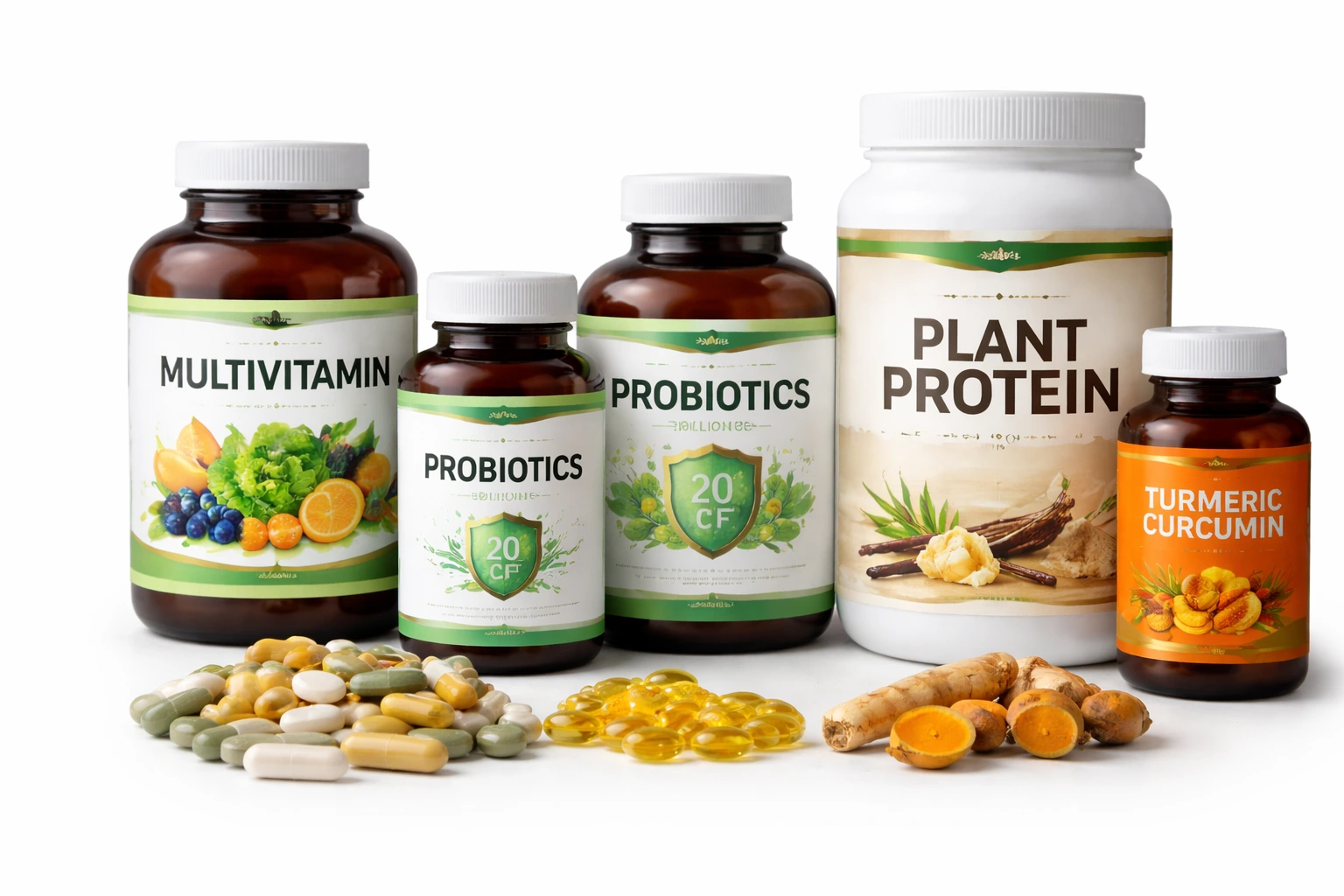
Supplement manufacturers produce a wide range of products designed to support various aspects of health. These products include vitamins, minerals, herbs, amino acids, and other compounds, each with its own benefits. Here are some of the most common types of supplements produced by manufacturers:
Vitamins and Minerals
Vitamins and minerals are essential nutrients that our bodies need to function properly. These are among the most widely produced supplements in the industry. Manufacturers often create single-nutrient supplements (e.g., vitamin D, vitamin C, magnesium) as well as multivitamin products, which combine a variety of vitamins and minerals in one pill or capsule.
-
Popular Vitamins: Vitamin D (supports bone health), Vitamin C (boosts immune system), Vitamin B12 (supports energy levels).
-
Common Minerals: Magnesium (promotes relaxation and muscle function), Calcium (essential for bone health), Zinc (supports immune function).
Market Trends: The demand for high-quality, bioavailable vitamins and minerals is growing. Many consumers are now looking for supplements that feature natural, whole-food ingredients and avoid synthetic additives.
Herbal Supplements
Herbal supplements are derived from plants and are used for a variety of health benefits. Popular herbs like echinacea, ginseng, and turmeric have been used for centuries for their medicinal properties. Manufacturers often create herbal supplements in the form of capsules, powders, teas, or tinctures.
-
Popular Herbal Supplements: Echinacea (immune support), Ginseng (energy and stress management), Turmeric (anti-inflammatory).
-
Emerging Trends: Adaptogens and herbs like ashwagandha and rhodiola are gaining popularity for their stress-relief and mood-balancing properties.
Customization: Many herbal supplements are customized to suit specific health needs, such as stress management, cognitive enhancement, and digestive health.
Amino Acids and Protein Supplements
Amino acids are the building blocks of protein and play a crucial role in muscle repair, recovery, and overall body function. Protein supplements, often in the form of powders or shakes, are highly popular among athletes, bodybuilders, and fitness enthusiasts.
-
Common Amino Acids: Branched-Chain Amino Acids (BCAAs), Glutamine (supports recovery), Arginine (enhances circulation).
-
Protein Types: Whey protein, plant-based protein (e.g., pea protein, soy protein), collagen protein (for skin, joints, and bones).
Demand in Fitness: As the fitness and wellness industries continue to grow, so does the demand for amino acid and protein supplements. Consumers are increasingly looking for clean, high-quality sources of protein without added sugars or artificial ingredients.
Weight Management and Fat Burners
Weight management supplements are designed to support healthy metabolism, appetite control, and fat burning. These supplements are often marketed to individuals who are looking to lose or maintain weight.
-
Popular Ingredients: Garcinia Cambogia (weight loss support), Green Tea Extract (boosts metabolism), CLA (conjugated linoleic acid).
Safety and Regulation: Weight loss supplements are heavily scrutinized by regulatory bodies due to potential side effects. Consumers are advised to seek products that are backed by scientific research and manufactured according to high standards of safety.
Digestive Health Supplements
Digestive health is another growing area within the supplement industry, with products like probiotics, prebiotics, and digestive enzymes becoming increasingly popular. These supplements help balance the gut microbiome, improve digestion, and support overall gastrointestinal health.
-
Popular Supplements: Probiotics (support gut health), Digestive Enzymes (aid in digestion), Fiber (supports regular bowel movements).
Probiotics Trend: The probiotic market is expanding rapidly as more consumers realize the importance of gut health for overall well-being. Probiotic-rich supplements are increasingly available in various forms, including capsules, powders, and liquid shots.
3. Top Supplement Manufacturers in the Industry
The supplement manufacturing industry is highly competitive, with several leading companies dominating the global market. These top manufacturers are known for their extensive product ranges, high-quality production processes, and strong reputations within the industry.
1. Lonza Group
Lonza is one of the world's largest contract manufacturers for the pharmaceutical, biotechnology, and nutrition industries. They offer a wide range of services, including the development and production of supplements, and they have extensive experience in GMP-compliant manufacturing.
Key Strengths:
-
Expertise in both small-scale and large-scale manufacturing.
-
Ability to create customized formulations based on the client's needs.
-
A robust research and development department that supports innovation in supplement ingredients and products.
2. Nutraceutical Corporation
Nutraceutical Corporation is a leading private label supplement manufacturer known for producing a wide array of dietary supplements, including vitamins, minerals, amino acids, and herbal products. Their focus on research-backed formulations and high-quality standards has earned them a strong market presence.
Key Strengths:
-
Full-service capabilities, from formulation development to packaging.
-
A commitment to sustainability, including using eco-friendly packaging and sourcing ingredients responsibly.
-
Compliance with international quality standards.
3. Garden of Life
Garden of Life is a well-known supplement brand that also serves as a manufacturer. The company focuses on organic, non-GMO supplements, making them a top choice for health-conscious consumers. They manufacture products across a range of categories, including multivitamins, protein powders, and probiotics.
Key Strengths:
-
A strong commitment to organic, whole-food ingredients.
-
Transparency in sourcing and manufacturing practices.
-
High-quality, third-party tested products.
4. Zoomsheal Health: A Leading Manufacturer
Zoomsheal Health is a standout player in the supplement manufacturing industry, offering a range of high-quality, custom-formulated supplements that cater to both private label and contract manufacturing needs. With a focus on innovation, safety, and sustainability, Zoomsheal Health is dedicated to producing products that help improve the health and wellness of consumers worldwide.
Why Choose Zoomsheal Health?
-
Custom Formulation: Zoomsheal Health offers tailored solutions for businesses looking to create unique supplement products that align with their brand vision.
-
Strict Quality Control: Our manufacturing facilities comply with GMP standards to ensure the highest quality products.
-
Sustainability: We prioritize sustainable sourcing of ingredients and eco-friendly packaging options.
Whether you're looking for private label solutions or seeking a reliable CMO partner, Zoomsheal Health provides the expertise and resources needed to bring your product ideas to life.
5. Industry Trends and Consumer Demand
The supplement industry is experiencing rapid growth, driven by various global health and wellness trends. As consumers become more health-conscious, they seek supplements that align with their lifestyle, health goals, and values. Here are some key trends shaping the future of the supplement manufacturing industry:
1. Clean Label and Transparency
Consumers today are increasingly concerned about the ingredients in the supplements they take. They are seeking products with clean labels—those that list only natural, recognizable ingredients without fillers, artificial additives, or preservatives. Manufacturers are responding to this demand by formulating products with fewer, more natural ingredients and providing transparency about sourcing and production processes.
-
Key Drivers: Health-conscious consumers, especially millennials and Gen Z, are demanding transparency and authenticity from brands. They want to know where ingredients come from and how they are processed.
-
Impact on Manufacturing: Supplement manufacturers are embracing clean label trends by using simple, whole-food ingredients. This often means avoiding synthetic additives, artificial sweeteners, and GMO ingredients.
2. Personalization and Custom Supplements
As health and wellness become more individualized, there is a growing demand for personalized supplements tailored to the unique needs of each consumer. Personalized nutrition is gaining traction, with consumers seeking supplements that align with their specific genetic makeup, lifestyle, and health concerns.
-
Key Drivers: Advances in biotechnology, such as DNA testing and microbiome analysis, allow for more personalized health recommendations.
-
Impact on Manufacturing: Manufacturers are developing customized supplement solutions that allow consumers to choose formulations based on their personal health profiles. This may include vitamins and minerals, probiotics, and other nutrients tailored to their unique genetic or health needs.
3. Plant-Based and Vegan Supplements
Plant-based diets are on the rise, and this shift is extending to the supplement market. More consumers are seeking vegan-friendly and plant-based alternatives to traditional supplements, which often contain animal-derived ingredients like gelatin capsules, whey protein, and fish oils.
-
Key Drivers: Rising awareness about animal welfare, sustainability, and the health benefits of plant-based diets is driving demand for vegan supplements.
-
Impact on Manufacturing: Manufacturers are developing new plant-based alternatives, such as plant-based protein powders, vegan capsules, and plant-derived omega-3 oils, to cater to this growing segment.
4. Gut Health and Microbiome-Focused Products
The gut microbiome has become a major focus in the health and wellness space, with increasing research linking gut health to overall well-being. As a result, there is a growing demand for probiotics, prebiotics, and other gut-health supplements designed to support the balance of beneficial bacteria in the digestive system.
-
Key Drivers: Research highlighting the connection between gut health and mental health, immunity, and chronic diseases has made gut health a priority for consumers.
-
Impact on Manufacturing: Manufacturers are investing in research to create highly effective probiotics and prebiotics, as well as products that support digestive enzymes and overall gut function.
5. Sustainability and Eco-friendly Packaging
Sustainability has become a key concern for consumers, and the supplement industry is no exception. Consumers are seeking eco-friendly packaging, sustainable sourcing of ingredients, and ethical manufacturing practices. Manufacturers are embracing environmentally friendly solutions to reduce their carbon footprint and appeal to eco-conscious consumers.
-
Key Drivers: Growing concerns about climate change and environmental degradation are pushing companies to adopt sustainable practices.
-
Impact on Manufacturing: Manufacturers are increasingly using recyclable or biodegradable packaging, reducing plastic use, and sourcing ingredients from sustainable farms or suppliers.
6. Regulatory Landscape and Quality Assurance
The regulatory environment for supplements is becoming stricter as governments and health authorities around the world strive to protect consumers from low-quality or unsafe products. Manufacturers must adhere to a range of regulations to ensure that their products are safe, effective, and compliant with international standards.
1. Good Manufacturing Practices (GMP)
Good Manufacturing Practices (GMP) are guidelines set by regulatory agencies to ensure the safety, quality, and consistency of dietary supplements. Manufacturers that follow GMP are required to establish quality control procedures, document production processes, and conduct testing to ensure that products meet safety standards.
-
Impact on Manufacturing: Companies that follow GMP are more likely to produce high-quality, reliable products that meet consumer expectations. Adhering to GMP is particularly important for supplement manufacturers that export products globally, as many countries require GMP certification for import.
2. FDA and International Regulations
The U.S. Food and Drug Administration (FDA) regulates dietary supplements under the Dietary Supplement Health and Education Act (DSHEA). While the FDA does not approve supplements before they reach the market, it has the authority to intervene if products are found to be unsafe or misbranded.
-
Global Standards: In addition to U.S. regulations, supplement manufacturers must also comply with the regulations of other markets, such as the European Union's EFSA (European Food Safety Authority) and other regional health authorities. These standards ensure that products are safe, effective, and properly labeled.
3. Consumer Protection and Safety
As the supplement market grows, consumer protection remains a top priority. Regulatory agencies are stepping up efforts to prevent misleading claims, ensure product safety, and protect consumers from unsafe or ineffective supplements.
-
Quality Control: Manufacturers are investing in quality assurance systems, testing, and third-party certifications to ensure product safety and integrity. Third-party testing, in particular, provides an added layer of assurance for consumers and helps ensure that the products contain what they claim.
7. The Future of Supplement Manufacturing: Innovation and Growth
Looking ahead, the supplement manufacturing industry is poised for continued innovation and growth. As consumer demand evolves, manufacturers will need to stay ahead of emerging trends, invest in research and development, and adapt to new regulatory requirements. Here are a few key areas to watch:
1. Innovation in Supplement Formulations
With ongoing advancements in science and technology, supplement manufacturers are exploring new ways to enhance product formulations. This includes the use of cutting-edge delivery systems, such as time-release capsules, nano-formulations, and liquid supplements that increase bioavailability and absorption.
2. Expansion into Emerging Markets
The global demand for supplements is expanding into emerging markets, particularly in Asia, Africa, and Latin America. Manufacturers are increasingly targeting these regions with affordable, localized products that cater to the unique health needs of consumers in those markets.
3. Digital Transformation and Consumer Engagement
The rise of e-commerce and digital tools is transforming the supplement manufacturing industry. Manufacturers are using digital platforms to engage with consumers, gather feedback, and provide personalized recommendations. The use of data analytics, artificial intelligence, and digital marketing will continue to shape the future of the industry.
Conclusion: Zoomsheal Health’s Role in the Evolving Industry
As the global supplement industry continues to expand, manufacturers must not only keep pace with growing consumer demands but also lead the way in innovation, quality assurance, and sustainability. The increasing emphasis on personalized nutrition, clean labels, and plant-based solutions is reshaping how supplements are produced and consumed. In this dynamic landscape, supplement manufacturers play a crucial role in ensuring that products are safe, effective, and meet the highest standards of quality.
Zoomsheal Health stands at the forefront of this evolution, committed to providing cutting-edge, custom-tailored supplement solutions that meet the unique needs of businesses and consumers alike. With a focus on sustainable sourcing, rigorous quality control, and innovative manufacturing practices, Zoomsheal Health is dedicated to helping brands navigate the complexities of the supplement industry while delivering products that consumers can trust.
As the industry continues to evolve, Zoomsheal Health will remain a reliable partner for those seeking top-tier manufacturing services—whether through private labeling, contract manufacturing, or custom formulations. With our expertise and commitment to excellence, we are poised to shape the future of supplement manufacturing, ensuring that health and wellness remain accessible, effective, and sustainable for all.