
How Do I Know if a Supplement Company is Legitimate? A Comprehensive Guide
The supplement industry has exploded in recent years, with countless brands offering a wide array of products aimed at improving health, wellness, and performance. From vitamins and minerals to herbal supplements and protein powders, the market is flooded with options. However, as the industry grows, so does the risk of encountering dishonest or even fraudulent companies that make exaggerated claims and sell subpar or potentially harmful products.
As a consumer, it can be difficult to know how to distinguish between a legitimate supplement company and one that may be more interested in making quick profits than ensuring quality and safety. Whether you're buying supplements for personal use or seeking a reliable partner for your own supplement business, it is crucial to ensure that the company you're dealing with is reputable and trustworthy.
In this guide, we will break down the key factors to consider when evaluating a supplement company. We’ll discuss the importance of regulatory compliance, transparency, ingredient sourcing, customer reviews, and more. By the end of this article, you’ll have a comprehensive understanding of how to spot a legitimate supplement brand and protect yourself from scams or substandard products.
1. Regulatory Compliance and Industry Certifications
One of the primary indicators of a legitimate supplement company is regulatory compliance. Since dietary supplements are regulated by different bodies depending on the country, it is essential to verify that the company follows these regulations to ensure the safety and quality of their products.
Good Manufacturing Practices (GMP):
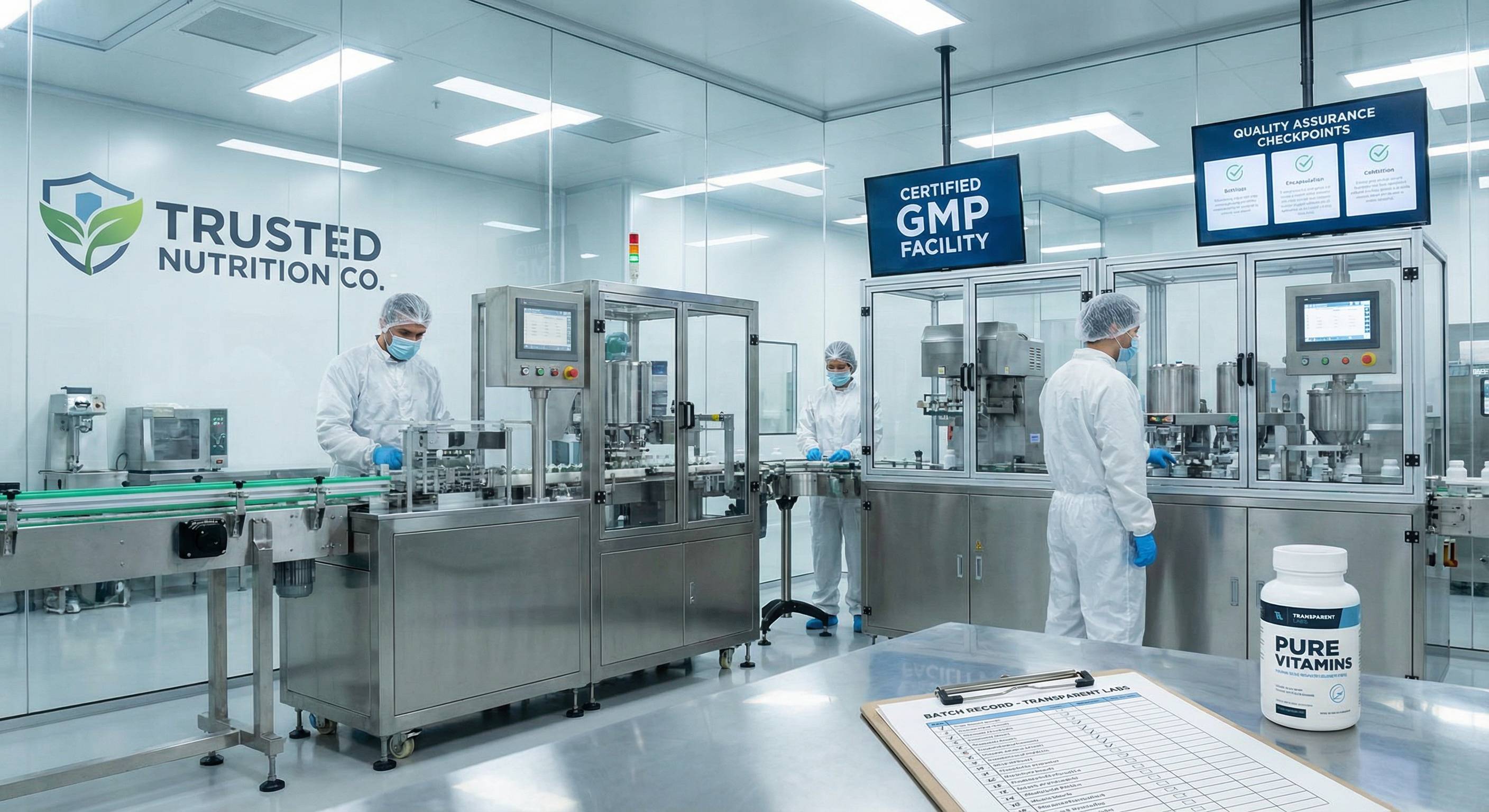
Good Manufacturing Practices (GMP) are guidelines that ensure products are consistently produced and controlled according to quality standards. GMP certification is a must-have for reputable supplement companies. It guarantees that the company adheres to strict manufacturing protocols that include ingredient sourcing, production processes, and packaging to avoid contamination and ensure the product's efficacy.
In the United States, the FDA (Food and Drug Administration) does not approve dietary supplements before they reach the market. However, it does require that manufacturing facilities comply with GMP standards. Always check if a company is GMP-certified and whether they provide third-party verification of their certification.
FDA Registration:
Although the FDA does not approve supplements, it requires manufacturers to register their facilities and notify the agency if they are making any claims about health benefits. A legitimate company should be transparent about its FDA registration number, which can be verified through the FDA’s official database. This ensures that the company is following necessary regulatory procedures for production and labeling.
Third-Party Testing & Certificates of Analysis (COA):
A legitimate supplement company will perform rigorous testing on its products to confirm the quality and purity of ingredients. This testing should be done by an independent third-party lab, and the company should offer access to Certificates of Analysis (COA). A COA verifies that the product has been tested for potency, purity, and contaminants (such as heavy metals or harmful microorganisms). If a company refuses to provide COAs or the test results are not accessible, this is a major red flag.
2. Transparent Product Labeling and Health Claims
A legitimate supplement company should provide clear, accurate, and complete information on product labels. The labels should be easy to read and contain detailed information about the ingredients, dosages, and potential side effects.
Supplement Facts Panel:
A reputable supplement brand should have a Supplement Facts Panel on all of its products. This panel should list the ingredients, serving size, and the amount of each ingredient per serving. If a company lacks this basic labeling requirement or the label is difficult to read, this could indicate a lack of transparency or a company trying to hide something.
Accurate Dosages:
The dosage amounts listed on the product label should be in line with established recommendations from health authorities and scientific research. Be wary of products that list unusually high or low dosages without clear scientific backing. If the company makes claims about the product's benefits that are not supported by clinical research or evidence, it may be a scam. Claims such as "miracle cure" or "instant results" should always raise suspicion.
No Unrealistic Health Claims:
Supplements should not make extraordinary claims that are unsupported by scientific evidence. A legitimate company will not promise miracle cures for diseases, drastic weight loss without effort, or unverified health benefits. The absence of misleading claims is often one of the clearest indicators of a company’s authenticity.
A supplement company that consistently promises results that seem too good to be true may be operating unethically or even illegally. When evaluating a company’s claims, always cross-check with reputable health sources and scientific research.
3. Ingredient Sourcing and Quality Assurance
The integrity of a supplement company also lies in the quality of its ingredients and its quality control practices. Legitimate companies will be transparent about where they source their ingredients and the processes they use to ensure the highest standards of purity, potency, and safety. The importance of sourcing clean, high-quality ingredients cannot be overstated, as the efficacy and safety of supplements depend directly on the quality of their raw materials.
Ingredient Transparency:
A reputable supplement company should be transparent about where it sources its ingredients, how those ingredients are processed, and whether they are subject to any testing for contaminants. For example, companies that use organic, non-GMO, or sustainably sourced ingredients should proudly advertise these factors on their labels and websites. These claims can be verified by looking for certifications such as USDA Organic, Non-GMO Project Verified, or Fair Trade.
If a company cannot provide clear information about where their ingredients come from or how they are processed, this should raise concerns. Reputable brands should also disclose whether they use artificial fillers, binders, or other additives that may affect the quality of their products. If a supplement uses cheap, low-quality ingredients to cut costs, it can negatively affect the effectiveness of the product and may even be harmful.
Quality Control Practices:
Quality control is another important aspect of a legitimate supplement company. The company should have rigorous procedures in place to test raw ingredients and finished products for contaminants, potency, and consistency. This includes testing for harmful substances like heavy metals, pesticides, and microbial contamination.
Legitimate companies typically work with third-party labs that perform the testing to ensure impartiality. The testing process should be thorough, and the company should be willing to share the results of these tests with consumers. If a company does not have a clear quality control process or is unwilling to share testing results, this is a major warning sign.
Certificates of Analysis (COA):
The Certificate of Analysis (COA) is an essential document that proves a supplement has been tested for quality and potency. It contains detailed information on the exact composition of the product and ensures that it matches the ingredients and dosages listed on the label. A COA also confirms that the product is free from harmful contaminants. Legitimate companies will provide COAs for each batch of their products, ensuring their customers know exactly what they are purchasing.
4. Customer Reviews and Reputation
Customer reviews can offer valuable insight into the legitimacy of a supplement company. However, not all reviews are trustworthy, and it’s essential to be able to distinguish between genuine feedback and fake reviews that companies sometimes fabricate to improve their reputation.
Authenticity of Reviews:
Look for reviews on independent platforms, such as Amazon, Trustpilot, or third-party websites dedicated to supplement reviews. These platforms often provide verified customer reviews, which can help you get a better sense of the product’s quality and the company’s customer service. A legitimate supplement company will have a healthy balance of both positive and negative reviews, reflecting real-world experiences.
Be wary of companies that only post glowing, overly-enthusiastic reviews with no specific details. These may be fabricated to boost the company’s reputation artificially. Additionally, consider the frequency and recency of the reviews. A legitimate company should have reviews that reflect ongoing sales and experiences, not just a single batch of feedback from a few months ago.
Response to Negative Reviews:
A reputable company will respond to negative reviews professionally and constructively. A legitimate brand will take the time to address customer concerns and offer solutions, whether through refunds, product exchanges, or clarifications. On the other hand, if the company ignores negative feedback or responds defensively, it may be a sign that they are not committed to customer satisfaction or improving their product.
In some cases, companies will proactively resolve issues or reach out to unsatisfied customers to ensure a positive resolution. This kind of customer care is a hallmark of a trustworthy and ethical company.
5. Clear and Accessible Customer Support
A legitimate supplement company will prioritize customer support and make it easy for customers to reach them with questions, concerns, or issues. Strong customer service is a reflection of the company’s commitment to quality and consumer satisfaction.
Contact Information and Availability:
Check if the company provides clear contact information, including a phone number, email address, and physical address. A legitimate company should be easy to contact and responsive to inquiries. Be cautious if the company only offers an online contact form or has no readily available contact information.
A lack of easily accessible contact information is a potential red flag, as it may indicate that the company is trying to avoid accountability. Legitimate supplement companies understand that customer support is critical and make it easy for customers to get help when needed.
Return and Refund Policies:
A trustworthy supplement company should offer a reasonable and straightforward return and refund policy. If a company has a no-questions-asked return policy or offers full refunds, it shows confidence in the quality of their products. On the other hand, if the company’s return policy is unclear, restrictive, or difficult to follow, this could be a sign that they are not focused on customer satisfaction.
6. Product Safety and Recall History
A reputable supplement company will have a track record of prioritizing product safety and taking quick action if any safety concerns arise. In the event of a product recall, the company should act swiftly, notify customers, and offer a remedy such as a refund or replacement.
Product Recalls and Transparency:
Legitimate companies are proactive about their product safety and will issue recalls if necessary. Check whether the company has had any product recalls in the past and how they handled them. A genuine company will inform their customers immediately, take responsibility for the issue, and outline the steps they are taking to prevent future problems.
If a company has never had a recall or if their recall history is difficult to find, this could indicate a lack of transparency or care in their manufacturing process. A company that is committed to quality will always prioritize the health and safety of its customers.
Conclusion
Determining whether a supplement company is legitimate is not always straightforward, but by focusing on key indicators such as regulatory compliance, transparency, product labeling, ingredient sourcing, customer feedback, and customer support, you can confidently make informed decisions. A reputable supplement company prioritizes consumer health and safety, follows industry standards, and is transparent about its processes and practices.
When evaluating a supplement brand, remember that transparency and consistency are crucial. From providing clear, accurate labeling to offering independent third-party testing results, a legitimate company will not hide information or rely on misleading claims. Additionally, a genuine supplement company will actively engage with its customers, offering clear channels of communication, accessible customer service, and a reasonable return or refund policy.
As a consumer, it’s essential to take your time and do your research before purchasing any supplement. Avoid the temptation of "too good to be true" promises and ensure that the products you choose align with established health standards and scientific evidence. If you are looking to work with a supplement manufacturer or distributor, ensure they meet the same high standards, especially if you're considering private labeling or co-manufacturing.
In an industry that’s as vast and varied as supplements, you can never be too careful. By following the steps outlined in this guide, you can protect your health and make confident choices about the supplements you purchase or sell.
Frequently Asked Questions
How do I know if a supplement company is legitimate?
Check that the company publishes a verifiable business registration, GMP and ISO certificates, FDA registration and third-party test reports. A legitimate manufacturer provides a certificate of analysis for every batch and answers technical questions about ingredients and dosage forms.
What red flags should I look for?
Prices far below market, no physical address or factory photos, refusal to provide certificates of analysis, unrealistic lead times and pressure to pay by untraceable methods are common warning signs.
How can I verify a supplement manufacturer's certifications?
Ask for the certificate number and issuing body, then verify it directly with the certifier or the FDA registration database. Reputable factories welcome a video audit or third-party inspection.