
In China’s health and wellness industry, BYHEALTH was once a dominant player, but as the market became increasingly competitive and consumer demands evolved, this "health supplement leader" reached a growth bottleneck. While many companies are scrambling for a “second curve,” BYHEALTH faces an urgent challenge: How can it find new growth engines in a global market increasingly full of competition?
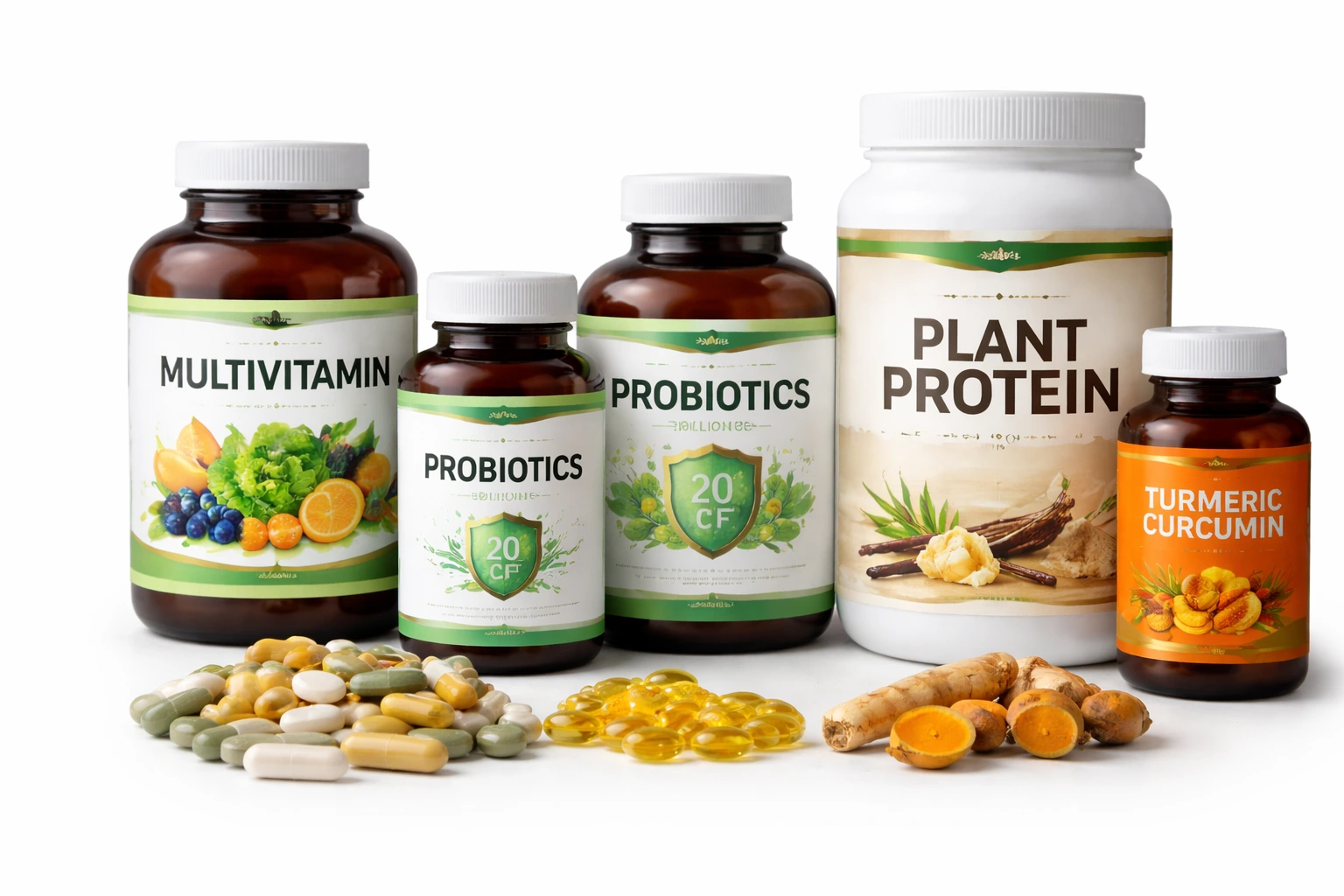
In the past, BYHEALTH made its name with a strong portfolio of key products like protein powder and multivitamins. However, this single-product dominance model is no longer as effective. On one hand, BYHEALTH’s core business growth is slowing down—its revenue growth for the first three quarters of 2025 is expected to dip to single-digit percentages. On the other hand, the increase in profits is increasingly driven by cost benefits from raw material price decreases, rather than from improved sales or competitiveness of the products themselves.
The Changing Consumer Landscape
The most significant challenge BYHEALTH faces today is the shift in consumer behavior. Consumers are no longer satisfied with simply “supplementing some vitamins,” but are now seeking more personalized and tailored health solutions. This growing demand for individualized products stands in contrast to BYHEALTH’s current product line, which seems unable to fully meet these emerging needs.
BYHEALTH's existing product offerings, once considered effective and trusted, now struggle to capture the attention of a more sophisticated and discerning customer base that demands innovation and customized options. In response, the company is now focusing on finding a "second curve" strategy, exploring new growth areas.
Challenges in International Expansion
BYHEALTH has also pinned its hopes on international markets. The company made significant moves, such as acquiring the Australian brand Life-Space and testing the U.S. market. However, the results have been far from satisfactory. As of 2025, international revenues account for less than 15% of the total. This underperformance can be attributed to several factors: the European and American markets are already saturated with established local brands, and it’s hard for new players to break in. Emerging markets, meanwhile, come with their own set of difficulties, including complex regulatory environments and unstable supply chains.
International expansion, at least in the short term, has not proven to be a major driver of growth for BYHEALTH. Despite the company's investment and efforts, gaining significant market share in established markets such as North America and Europe remains a difficult task.
The “Second Curve” and Its Uncertainty
In light of this, BYHEALTH is now focusing on three new business avenues: children’s special foods, OTC glucosamine (joint health supplements), and anti-aging. Each of these holds promise but also significant challenges.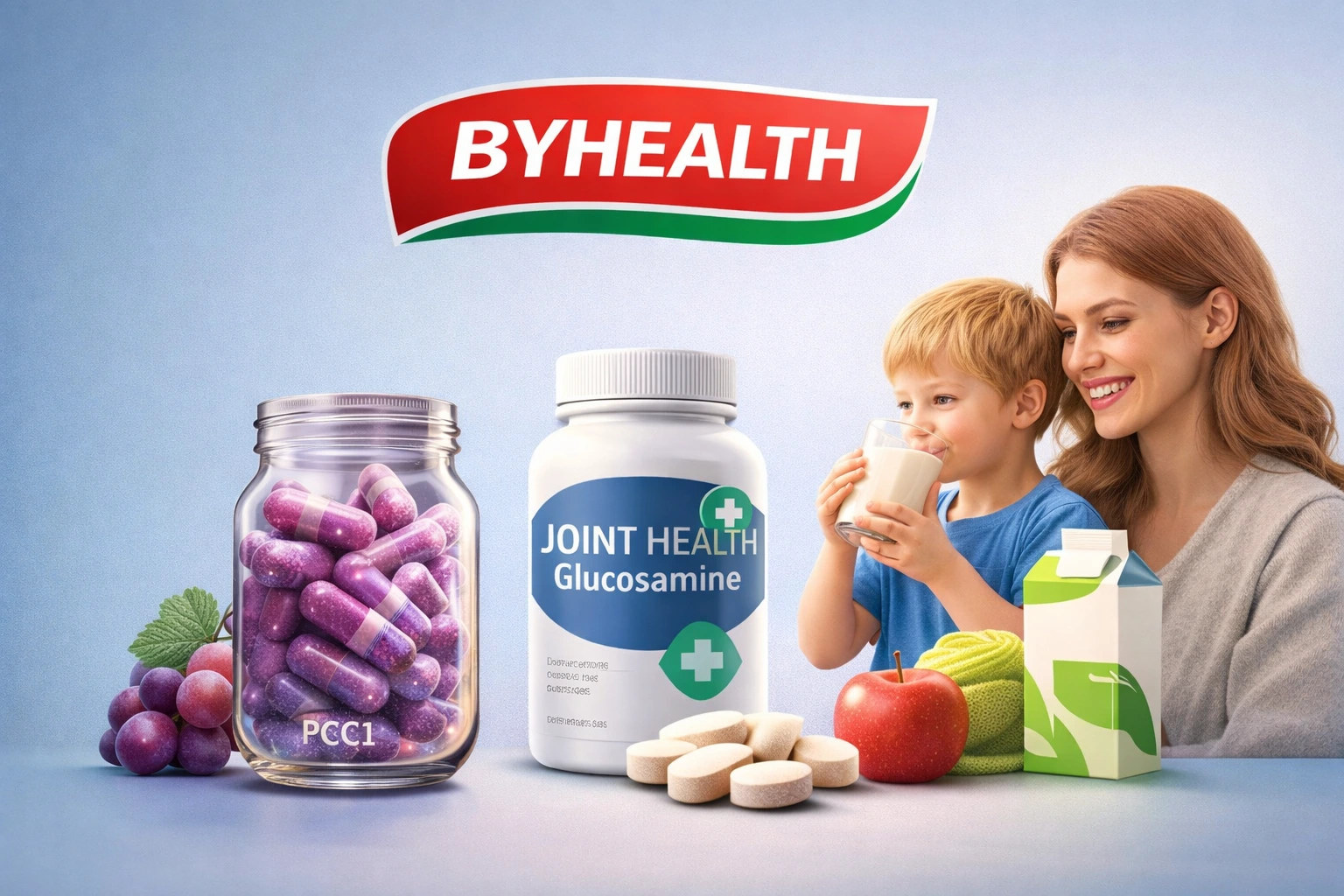
-
Children’s Special Foods: The market for children's health products is growing, but there are inherent risks involved. Despite the popularity of “parent-child health” concepts, the number of newborns in China has been declining, which means the overall market is shrinking. Additionally, dairy giants like Feihe and Junlebao have already captured the children’s nutrition and snack market, making competition fierce. BYHEALTH’s brand recognition is mostly associated with adult health supplements, and transitioning into children’s products may face a trust barrier. Educating the market and gaining consumer trust could prove expensive and time-consuming.
-
OTC Glucosamine: The idea of taking health supplements and positioning them as OTC drugs seems logical, but the reality is more complex. OTC drugs are subject to stringent regulations under the Chinese Pharmacopoeia, requiring higher standards for research, production, and quality control than regular dietary supplements. This means that BYHEALTH will have to make significant investments to transform its production lines and obtain the necessary certifications. At the same time, well-established pharmaceutical brands, such as Yunnan Baiyao and Baiyunshan, already dominate the market, leaving little room for new players. The company lacks the channel advantages and medical endorsements that could give it a competitive edge.
-
Anti-Aging: Of the three new business areas, anti-aging seems to hold the most promise. The anti-aging sector is currently in its early stages, but the company has made significant breakthroughs with PCC1 (procyanidin C1, a type of anthocyanin). The anti-aging market is becoming more defined as consumers move away from vague “concept chasing” to more quantifiable results. BYHEALTH’s innovations, particularly its work on PCC1, align with this shift and place the company in a strong position to offer scientifically backed, effective anti-aging products.
Anti-Aging: A Strategic Focus on Innovation
Among the three new business areas, the anti-aging sector stands out as the most promising and innovative. With consumers increasingly demanding scientifically backed, effective solutions for aging, this market presents a significant opportunity for BYHEALTH.
BYHEALTH’s breakthroughs with PCC1 — a form of anthocyanin derived from grape seeds — position the company at the forefront of the anti-aging industry. By utilizing advanced extraction techniques such as patented low-temperature extraction, the company has been able to produce PCC1 at a high purity level, far surpassing industry averages. Moreover, the company’s investments in clinical trials have shown promising results in areas like DNA repair, oxidative stress reduction, and telomere protection — all crucial mechanisms in fighting aging.
In addition to its scientific innovation, BYHEALTH’s anti-aging strategy is also rooted in its established capabilities. The company has already built a global supply chain system to source high-quality raw materials and has adapted its existing production lines to accommodate the manufacturing of PCC1-based products. This means the company can scale its anti-aging offerings more efficiently than if it were starting from scratch.
From a market perspective, BYHEALTH’s entry into anti-aging comes at a critical time. Consumers’ desires have shifted from vague “anti-aging” claims to more results-driven, scientifically supported products. BYHEALTH, with its quantitative data on PCC1’s efficacy, is poised to capture this growing demand for effective, science-backed solutions.
Expanding into a Diversified Product Ecosystem: The Role of Synergy
For BYHEALTH, its "second curve" strategy is not simply about creating standalone products. Rather, it’s about building a diversified product ecosystem that works synergistically. By integrating anti-aging, OTC glucosamine, and children’s special foods into its broader portfolio, the company can create a holistic approach to health that spans multiple age groups, needs, and markets.
-
Anti-Aging as the Core: The company’s PCC1-based anti-aging products will be positioned to target younger and middle-aged consumers who are increasingly conscious of aging. This segment, which is often well-educated and affluent, is a prime target for premium, evidence-backed anti-aging products.
-
OTC Glucosamine for Stability: At the same time, BYHEALTH can use its OTC glucosamine products to stabilize its business by continuing to serve the middle-aged and elderly demographic. By leveraging its existing distribution networks in pharmacies and through e-commerce, the company can maintain a strong presence in this growing market segment.
-
Children’s Special Foods for Long-Term Engagement: The addition of children’s special foods, while not expected to generate immediate massive profits, can serve as a gateway for family-based consumption. By creating products that target the nutritional needs of children, BYHEALTH can build long-term customer loyalty. Parents who purchase children’s health products are likely to purchase adult products as well, increasing the lifetime value of each customer.
This approach not only ensures that BYHEALTH can meet a variety of consumer needs but also creates a self-reinforcing cycle. Each product category can drive traffic to the others, building a broader and more resilient customer base. For example, a customer purchasing an anti-aging product may also be introduced to joint health supplements, and vice versa. This creates cross-selling opportunities and boosts customer retention.
Leveraging Existing Strengths: Supply Chain, Brand Trust, and Multi-Channel Networks
BYHEALTH’s success in this transition lies in how effectively it can leverage its existing strengths to support these new business ventures. The company has built a robust supply chain that can handle high-quality raw materials and complex production processes. It also enjoys brand trust—an important asset when introducing new products into the market. By aligning new offerings with the company’s existing brand identity of health and wellness, BYHEALTH can build consumer confidence in its new products.
Another key strength is its multi-channel distribution network, which includes both traditional brick-and-mortar pharmacies and the burgeoning e-commerce space. This network gives the company an edge in reaching different consumer segments, whether they prefer shopping in stores or online.
In addition, BYHEALTH’s experience in global markets can help the company scale its anti-aging products internationally. As demand for scientifically validated health products grows globally, BYHEALTH is well-positioned to introduce its PCC1 products to both mature markets like the U.S. and Europe and emerging markets where consumer health awareness is on the rise.
Addressing the Risks: Regulatory Challenges and Market Education
While the outlook is positive, there are significant challenges that BYHEALTH must address. Regulatory hurdles are a major concern, particularly as the company expands into new product categories like OTC drugs and anti-aging solutions. The global regulatory environment is complex, and navigating this will require significant investment in compliance and legal expertise.
Market education is another area of focus. In many markets, especially international ones, consumers are still becoming accustomed to the concept of scientifically supported anti-aging products. BYHEALTH will need to invest in educating consumers about the benefits of its products and how they are different from other, less scientifically rigorous options.
Conclusion: A Balanced and Sustainable Strategy
BYHEALTH’s search for a second curve is not just about creating new blockbuster products. Rather, it’s about building a sustainable and diversified product ecosystem that addresses the evolving needs of consumers. By leveraging its existing strengths—such as supply chain capabilities, brand trust, and multi-channel networks—the company can successfully scale its new product lines and build a more resilient business model.
The company’s approach to anti-aging, with its emphasis on scientific validation and cross-market synergy, holds great promise for the future. At the same time, the integration of OTC glucosamine and children’s special foods provides stability and long-term engagement with consumers. By continuing to innovate while leveraging its established strengths, BYHEALTH can thrive in a rapidly changing market and continue to lead in the global health and wellness industry.