
Dietary supplements are widely used worldwide, marketed as tools to support immunity, energy, cognitive function, and overall wellness. From multivitamins to herbal extracts, millions of people incorporate supplements into their daily routines. However, despite their popularity, the question persists: are dietary supplements genuinely good for health, or can they pose risks?
The answer is nuanced. Supplements can help fill nutritional gaps and provide targeted benefits, but they are not without potential drawbacks. Their effects depend on factors such as dosage, product quality, individual health status, and the type of supplement. Understanding both benefits and risks is essential for making informed choices.
Understanding Dietary Supplements
Dietary supplements include vitamins, minerals, amino acids, herbs, botanicals, and other compounds intended to complement the diet. They are available in capsules, tablets, powders, gummies, or liquids.
Key considerations:
-
Regulation: Dietary supplements are generally less strictly regulated than prescription drugs. This means safety largely depends on manufacturer practices, quality control, and third-party testing.
-
Purpose: Supplements are intended to complement a healthy diet, not replace it. They provide nutrients that might be missing or insufficient in daily intake.
-
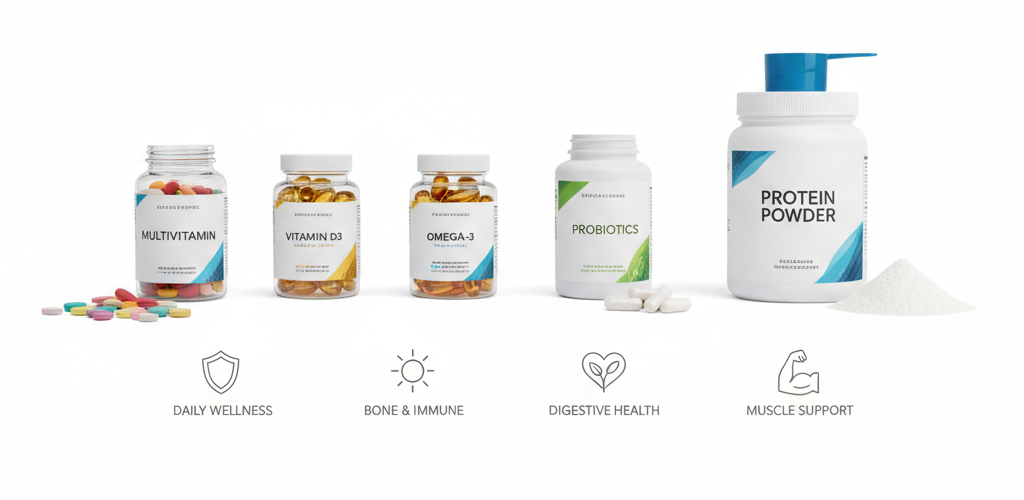
Common types: Multivitamins, vitamin D, calcium, omega-3 fatty acids, probiotics, protein powders, and herbal extracts such as ginseng or turmeric.
Benefits of Dietary Supplements
-
Filling Nutritional Gaps
Even with a balanced diet, some individuals fail to meet recommended nutrient intakes. Supplements can help prevent deficiencies:
-
Vitamin D: Supports bone health and immune function.
-
Iron: Prevents anemia in at-risk populations, particularly women.
-
Calcium: Maintains bone density, especially for older adults.
-
Supporting Specific Health Needs
-
Pregnancy: Prenatal vitamins with folic acid are essential for fetal development.
-
Athletic Performance: Protein powders, creatine, and branched-chain amino acids support muscle growth and recovery.
-
Older Adults: B12 and vitamin D supplementation compensates for reduced absorption with age.
-
Preventive Health
Some supplements may help reduce risk factors for chronic conditions:
-
Omega-3 fatty acids: Linked to cardiovascular and cognitive health.
-
Probiotics: Support gut health and digestive balance.
-
Convenience
Supplements provide a reliable way to achieve nutrient targets, particularly for busy lifestyles or restrictive diets (e.g., vegan or vegetarian).
Potential Risks of Dietary Supplements
While dietary supplements can provide health benefits, they also carry potential risks if misused:
-
Overconsumption
Taking excessive amounts of certain vitamins or minerals—such as vitamin A, vitamin D, or iron—can lead to toxicity and adverse health effects, including liver damage, kidney problems, or gastrointestinal issues. -
Drug Interactions
Some supplements can interfere with prescription medications. For example, St. John’s Wort may reduce the effectiveness of certain antidepressants or birth control pills, and ginkgo biloba may increase bleeding risk when combined with blood thinners. -
Quality and Purity Issues
Not all supplements are manufactured to the same standards. Some may contain contaminants, inconsistent dosages, or ingredients not listed on the label. Choosing third-party tested products can mitigate these risks. -
False Expectations
Supplements are often marketed as quick solutions for complex health problems. However, they cannot replace a balanced diet or cure chronic diseases on their own. Unrealistic expectations can lead to neglecting other essential health practices.
How to Use Supplements Safely
To maximize benefits while minimizing risks, consider the following guidelines:
-
Consult Healthcare Professionals: Speak with a doctor, nutritionist, or pharmacist before starting any new supplement, especially if you take prescription medications or have chronic conditions.
-
Choose Quality Products: Opt for reputable brands and third-party tested supplements to ensure safety and accuracy of labeling.
-
Follow Recommended Dosages: Avoid megadoses unless specifically advised by a healthcare provider.
-
Complement, Don’t Replace Diet: Supplements should enhance a nutritious diet, not serve as the primary source of nutrients.
-
Monitor for Side Effects: Pay attention to any adverse reactions and discontinue use if necessary.
Future Trends
The dietary supplement industry is evolving rapidly, driven by advances in science, technology, and consumer preferences. Key trends include:
-
Personalized Nutrition
Supplements tailored to individual genetic profiles, biometrics, or lifestyle data are gaining traction. Personalized formulas can help optimize nutrient intake and target specific health needs more effectively than one-size-fits-all products. -
Functional Foods and Beverages
Nutrient-enriched foods and drinks, such as fortified cereals, protein bars, and probiotic beverages, are becoming popular alternatives to pills, offering convenience and broader appeal. -
Sustainable and Plant-Based Supplements
Environmental awareness is driving demand for plant-based omega-3 sources, algae-based nutrients, and eco-friendly packaging. Consumers increasingly prefer products that align with sustainability values. -
Technology-Driven Health Solutions
AI-powered apps and wearable devices are enabling consumers to track nutrient intake, monitor deficiencies, and receive supplement recommendations based on real-time health data.
Dietary supplements can be beneficial when used responsibly. They help fill nutritional gaps, support specific health needs, and may contribute to preventive health. However, they are not a substitute for a balanced diet, and improper use or low-quality products can pose risks.
The key to maximizing benefits lies in informed, responsible use: choosing high-quality products, adhering to recommended dosages, consulting healthcare professionals, and integrating supplements as part of a holistic approach to health.
As the industry continues to grow, the future points toward personalized, sustainable, and technology-driven solutions, allowing consumers to make smarter, evidence-based choices for optimal health and wellness.