
Can Protein Supplements Make You Fat? Understanding the Facts Behind Protein Supplementation
Protein supplements have become a cornerstone of the modern fitness and wellness world. From athletes to casual gym-goers and health-conscious individuals, protein powders, shakes, and bars are commonly consumed as part of their daily routines. The key appeal of protein supplements is their ability to support muscle growth, aid recovery, and help with overall health maintenance. However, a common question often arises: Can protein supplements make you fat?
The answer to this question is not as simple as a straightforward yes or no. While protein is essential for muscle repair and growth, its role in weight management is often misunderstood. Some people worry that consuming protein supplements—especially in large quantities—can lead to fat gain, but the real truth lies in understanding the underlying science of protein, calories, and how our bodies process these macronutrients.
We will delve deep into how protein works in the body, explore the potential for weight gain, and give you the information you need to use protein supplements effectively without fear of packing on unwanted fat. We will discuss key factors such as your overall caloric intake, your exercise routine, and how different types of protein supplements can impact your body. By the end of this article, you'll have a clearer understanding of how to incorporate protein supplements into your diet safely and effectively, whether your goal is muscle gain, fat loss, or maintaining a healthy body composition.
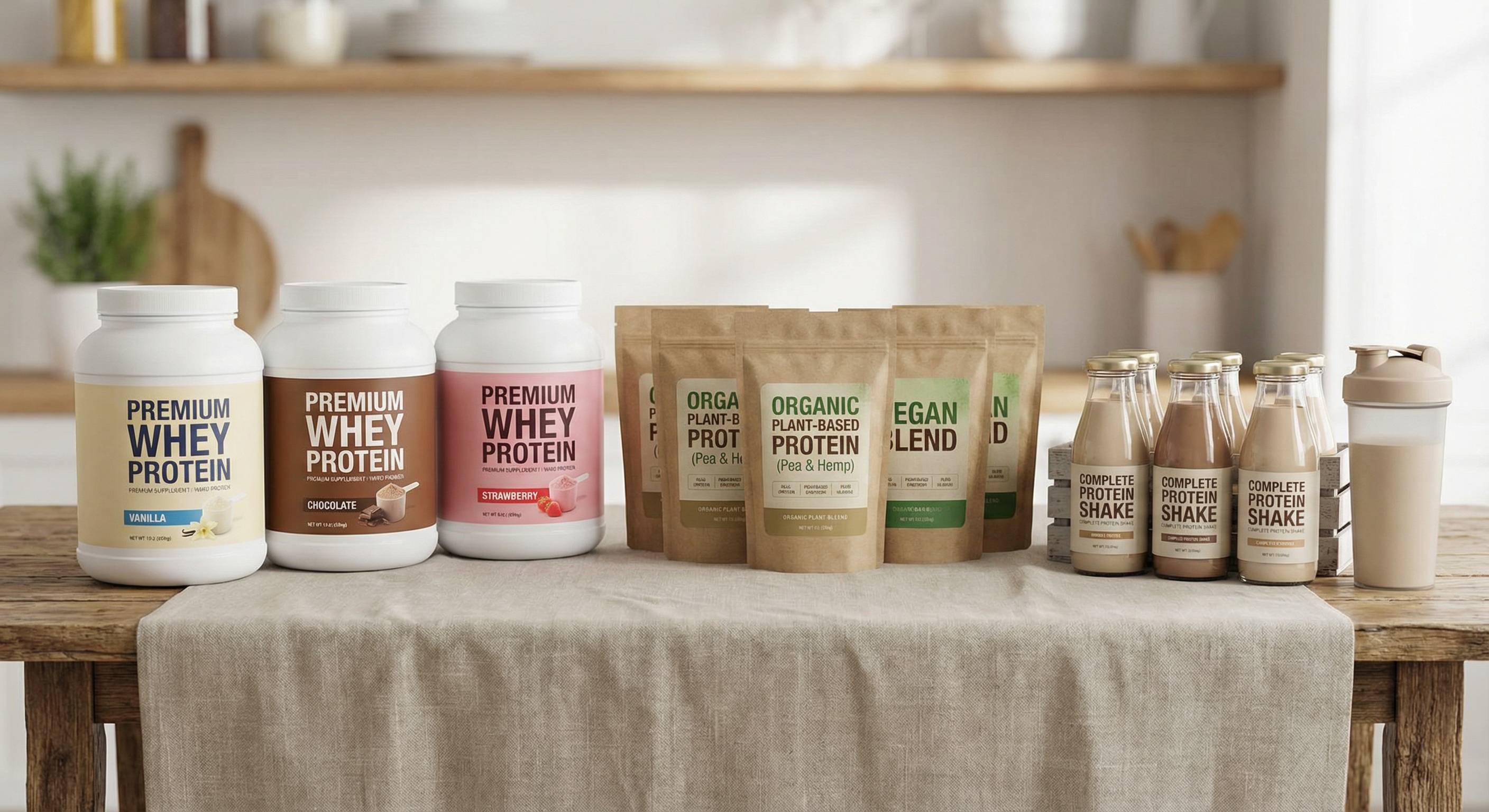
Before addressing the concern of weight gain, it’s important to understand how protein supplements function in the body. Protein is a vital macronutrient that plays a key role in repairing tissues, building muscle, producing enzymes, and supporting various bodily functions. When you consume protein, it is broken down into amino acids, which are used to repair and build muscle fibers, especially after physical activity.
Protein supplements are often used to help individuals meet their daily protein requirements, especially if they have higher needs due to intense physical activity or dietary restrictions. In short, protein is essential for muscle growth and recovery, but it’s important to note that protein alone won’t directly cause weight gain.
The Role of Protein in Weight Gain
Weight gain occurs when you consume more calories than your body burns, leading to a caloric surplus. This excess energy is stored as fat. So, the key to understanding whether protein supplements can lead to weight gain lies in the total number of calories you consume from all sources, not just protein.
Protein supplements can contribute to your daily caloric intake, but whether or not they cause fat gain depends on a variety of factors, including your overall diet, activity level, and how much protein you consume. If you are already eating enough protein through your regular diet and then add protein supplements on top of that, you may be consuming more calories than your body needs, which can result in fat storage over time.
Can Protein Supplements Lead to Fat Gain? Key Factors to Consider
-
Total Caloric Intake
The most important factor when considering whether protein supplements can cause weight gain is your total caloric intake. If you consume more calories than your body burns, regardless of the source, that excess will be stored as fat. Protein supplements can contribute to your daily calorie intake, but they don’t inherently lead to fat gain unless consumed in excess. -
Protein Supplement Type and Serving Size
Different protein supplements vary in terms of their calorie content. For example, a scoop of whey protein isolate typically contains fewer calories compared to a protein shake that includes added sugars, fats, and other ingredients for flavor. It's essential to check the nutritional label of your protein supplement to understand how many calories you're adding to your diet with each serving. If you're consuming protein shakes that are high in added sugars or fats, they may contribute to a higher caloric intake, increasing the likelihood of fat gain. -
Your Activity Level and Goals
Whether protein supplements lead to fat gain largely depends on your activity level and fitness goals. For those who are highly active and engage in regular strength training or endurance exercise, protein supplements can be beneficial for muscle recovery and growth without leading to fat gain. On the other hand, if you're sedentary and consume protein supplements without increasing your activity level, those extra calories can be stored as fat. -
Balancing Your Macronutrients
Another important consideration is how your protein intake fits into your overall macronutrient balance. If you're replacing other sources of calories with protein and maintaining a caloric deficit, protein supplements are unlikely to contribute to fat gain. However, if you’re using protein supplements to increase your caloric intake without adjusting your other macronutrients (carbohydrates and fats), you may inadvertently be overeating.
5. The Importance of Exercise in Managing Protein Supplementation
One of the biggest factors that determine whether protein supplements will lead to fat gain is how you balance them with exercise. Regular physical activity, particularly resistance training or weightlifting, plays a critical role in ensuring that the protein you consume is used for muscle repair and growth rather than being stored as fat.
When you engage in exercise, your body uses protein to repair muscle fibers that are broken down during physical activity. This helps your muscles grow stronger and bigger. If you're consuming protein supplements in alignment with your workout regimen, the additional protein is less likely to be converted into fat. However, if you're consuming extra protein without exercising, your body may not have the demand for that protein, and the excess can be converted to fat.
Tip: If you're aiming for weight gain and muscle growth, protein supplementation combined with regular strength training will support your goals. If you're primarily focused on weight loss or weight maintenance, it's important to pair protein supplementation with regular exercise to maximize muscle retention and prevent fat accumulation.
6. Protein Supplements and Fat Loss: Not All Calories Are Created Equal
Some individuals use protein supplements as part of a weight loss strategy, especially because protein is known to promote satiety (the feeling of fullness). Consuming protein-rich meals or snacks can help curb hunger and reduce the likelihood of overeating. In this case, protein supplements may actually aid in fat loss by keeping your calorie intake in check, rather than contributing to fat gain.
Studies have shown that protein has a higher thermic effect than fats or carbohydrates, meaning your body burns more calories digesting protein than it does digesting other macronutrients. This process can help increase the overall number of calories you burn during the day, contributing to fat loss.
However, it’s important to be mindful of your overall calorie consumption, as consuming too many calories—even from protein—can still result in weight gain.
7. Protein Supplement Timing: When You Take It Matters
When you consume your protein supplements can also affect your overall caloric balance and your goals. Many people take protein shakes right after a workout to help with muscle recovery. This timing ensures that your body uses the protein to repair muscles rather than storing it as fat. Additionally, some individuals may use protein shakes as meal replacements, which can help them control overall calorie intake while still ensuring they get enough protein.
If you’re drinking protein shakes at times when your body does not require additional protein—such as when you're not working out or when you’re eating protein-rich meals throughout the day—then these extra calories could contribute to fat gain over time.
Tip: For most people, consuming protein after workouts or as part of balanced meals can help with weight management and muscle growth. Avoid consuming protein shakes outside of these contexts if you’re concerned about fat gain.
Can Protein Supplements Make You Fat? Final Thoughts
Can protein supplements make you fat? The short answer is no—protein itself does not inherently lead to fat gain. However, like any macronutrient, the excess consumption of protein can contribute to weight gain. The key factor lies in caloric surplus—if you consume more calories than your body requires for energy, regardless of whether those calories come from protein, fats, or carbohydrates, it can lead to fat storage.
It’s important to remember that protein is an essential nutrient for muscle growth, recovery, and overall health. But if protein supplements are consumed in excess, without accounting for your total daily caloric intake and activity level, it can create an imbalance that leads to weight gain. Therefore, the key to using protein supplements effectively is balance. Monitoring both your protein intake and overall calories is essential for achieving your fitness goals.
Protein supplements can be a highly effective tool to support muscle building, improve recovery times, and even assist in fat loss—but only when used correctly. Protein doesn’t cause fat gain by itself, but the way it’s consumed and incorporated into your diet and exercise routine plays a pivotal role in how it affects your body composition.
To avoid unwanted fat gain:
-
Track your caloric intake, including protein calories, and adjust based on your specific goals (muscle gain, fat loss, or maintenance).
-
Choose high-quality protein supplements that align with your dietary needs. This will ensure you’re getting the best nutrition possible.
-
Combine protein supplementation with an appropriate exercise regimen—particularly strength training—so that the protein is used for muscle repair and growth, not just for excess calorie consumption.
-
Be mindful of portion sizes—just because protein is essential for the body doesn’t mean more is always better. Eating protein beyond what your body can use for muscle synthesis can result in a calorie surplus.
Ultimately, protein supplements—when used strategically—can be a game changer for fitness and health. They will help you get stronger, recover faster, and achieve a lean physique. The real culprit behind weight gain isn’t protein; it’s consuming more calories than your body needs, regardless of the source. By understanding how to incorporate protein supplements effectively into your diet and exercise plan, you can use them as a tool to reach your goals without worrying about fat accumulation.
Conclusion:
Protein supplements are not to blame for weight gain. Excess calories, not the type of macronutrient, are the true cause of fat storage. When used correctly, protein supplements can support muscle growth, enhance recovery, and even assist in fat loss. To prevent fat gain, ensure that you pair protein supplementation with regular exercise, maintain a balanced diet, and pay attention to your total caloric intake. With a balanced approach, protein can be an effective part of your fitness routine—without the risk of gaining unwanted fat.