
1. Introduction: Halal Certification as a Global Standard of Purity
The term "Halal" (Arabic: حلال) signifies "lawful" or "permissible" according to Islamic Sharia law. While broadly applied to food, the principles of Halal extend rigorously to pharmaceuticals and dietary supplements, reflecting a commitment to ethical sourcing and production purity for the global Muslim population (estimated at over 2 billion).
A Halal supplement must adhere to strict religious and sanitary requirements throughout its entire supply chain, from raw material sourcing and processing aids to final encapsulation. Halal certification goes beyond simple ingredient exclusion; it mandates the absence of cross-contamination from prohibited (Haram) substances, the ethical sourcing of animal products, and adherence to specific processing methods. This complex regulatory environment presents unique challenges for the supplement industry, which traditionally relies heavily on animal-derived excipients and solvents.
2. Defining Haram (Prohibited) and the Chemical Challenge
The foundation of Halal supplement formulation is the absolute exclusion of Haram substances. For dietary supplements, the primary Haram substances fall into two categories:
2.1. Major Haram Ingredients
-
Pork and its Derivatives: This is the most critical prohibition. Any ingredient, solvent, or processing aid derived from pigs (including porcine gelatin, collagen, pepsin, and certain fatty acids/emulsifiers) renders the final product Haram.
-
Alcohol (Ethanol): The prohibition extends to intoxicants. While some certification bodies allow minimal levels of naturally occurring or residual alcohol (typically < 0.1\% or < 0.5\%), most require complete exclusion of ethanol as a solvent or excipient (e.g., in liquid extracts or flavors).
-
Haram Slaughtered Animals: Ingredients derived from permissible animals (e.g., bovine, ovine) are Haram if the animal was not slaughtered according to the strict Dhabihah (Islamic ritual slaughter) process.
2.2. The Chemical Transformation (Istihalah and Istihlak)
A major point of contention and scientific scrutiny in Halal certification is the concept of Istihalah (chemical transformation) and Istihlak (dilution/dispersion).
-
Istihalah: Argues that if a Haram substance undergoes a complete chemical change into a new, pure substance with different properties (e.g., alcohol fermenting into vinegar, or the saponification of Haram fats), the final product may be deemed Halal.
-
Controversy: The application of Istihalah to complex ingredients like highly purified gelatin or synthetic flavors remains a subject of varying scholarly opinion across different Halal certifying bodies. A conservative approach usually requires complete Halal sourcing over relying on chemical transformation.
3. Formulation Hurdles: Replacing Haram Excipients
The standardization of Halal supplements requires the industry to fundamentally redesign common dosage forms and manufacturing processes that conventionally rely on non-Halal components.
3.1. Gelatin Capsules: The Primary Challenge
The most ubiquitous Haram contaminant is porcine gelatin, which is widely used in softgels and two-piece hard capsules due to its low cost, rapid dissolution, and stability.
-
Halal Solutions: The industry must replace porcine gelatin entirely with:
-
Bovine Halal Gelatin: Sourced exclusively from bovine hides or bones where the animal was certified Halal-slaughtered (Dhabihah). This requires explicit veterinary and religious traceability.
-
Vegetarian Capsules (HPMC): Capsules made from Hydroxypropyl Methylcellulose (HPMC) or pullulan are inherently Halal and are rapidly becoming the preferred standard due to the ease of certification and global acceptability.
-
3.2. Solvents, Emulsifiers, and Carriers
Many complex supplement ingredients—such as Vitamin D concentrates, Vitamin A, and certain oil-based extracts—rely on animal-derived fatty acid carriers, emulsifiers (e.g., polysorbates), or stabilizing agents.
-
Halal Requirement: All fatty acids (stearates, oleates, palmitates) used as flow agents, emulsifiers, or carriers must be verified as sourced from plant-based oils or Halal-slaughtered animals. This requires meticulous documentation through the tiers of the supply chain.
4. Halal Certification: Agencies and Auditing Rigor
Unlike general quality standards (e.g., ISO or GMP), Halal certification requires a unique blend of scientific documentation and religious jurisprudence. Certification is granted by specialized, independent bodies that interpret and enforce Sharia law across manufacturing sites.
4.1. Key Global Certification Bodies
The global Halal ecosystem is decentralized, leading to variations in interpretation, particularly regarding Istihalah (chemical transformation). Key influential bodies include:
-
JAKIM (Department of Islamic Development Malaysia): Considered one of the most stringent and globally recognized authorities, often setting the benchmark for certification across Southeast Asia.
-
MUI (Indonesian Council of Ulema): Crucial for market access in Indonesia.
-
IFANCA (Islamic Food and Nutrition Council of America): A leading Western certification body, emphasizing transparency and strict compliance with North American manufacturing practices.
4.2. The Audit Process: Beyond Ingredients
The Halal certification audit extends far beyond the ingredient list; it scrutinizes the entire processing environment to eliminate the risk of Najasah (ritual impurity) and cross-contamination.
-
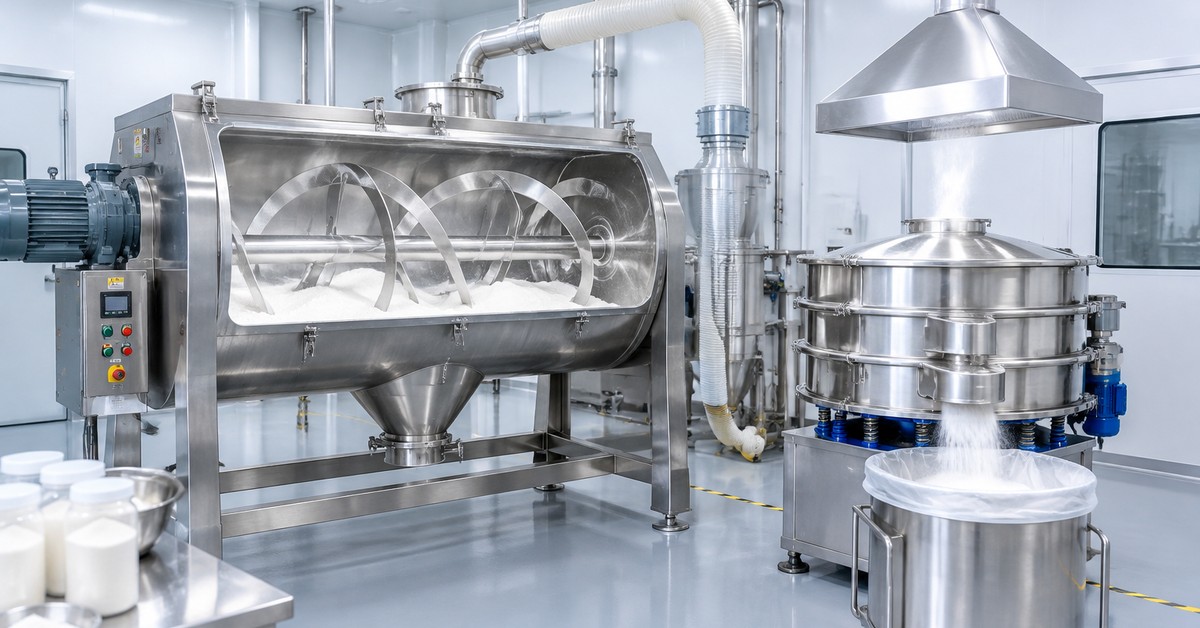
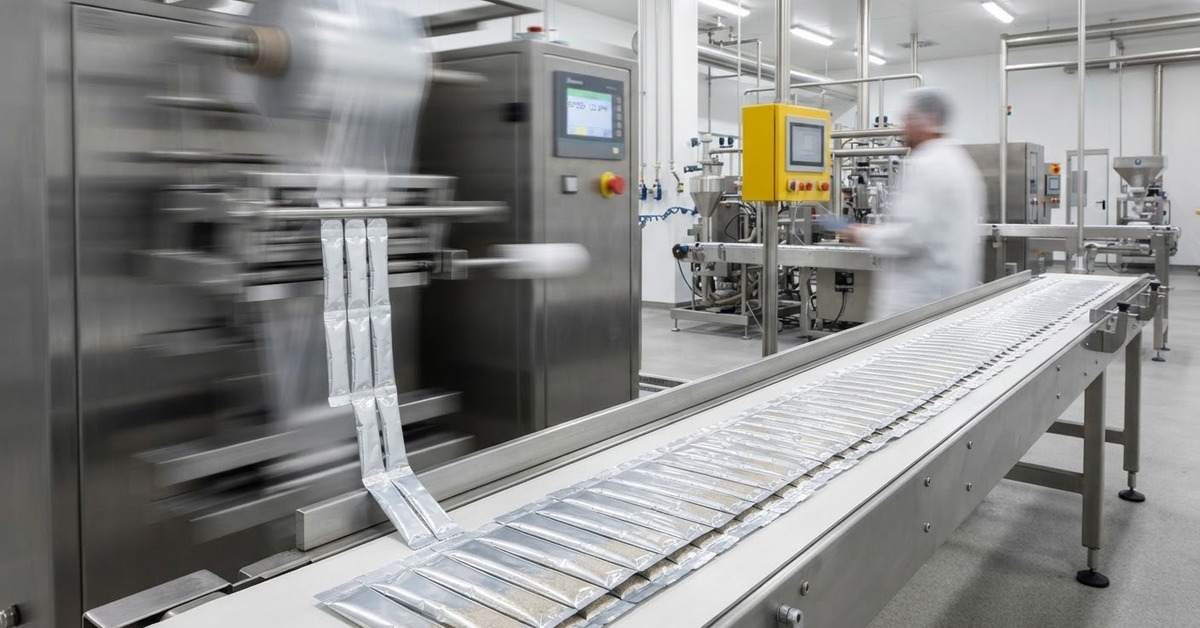
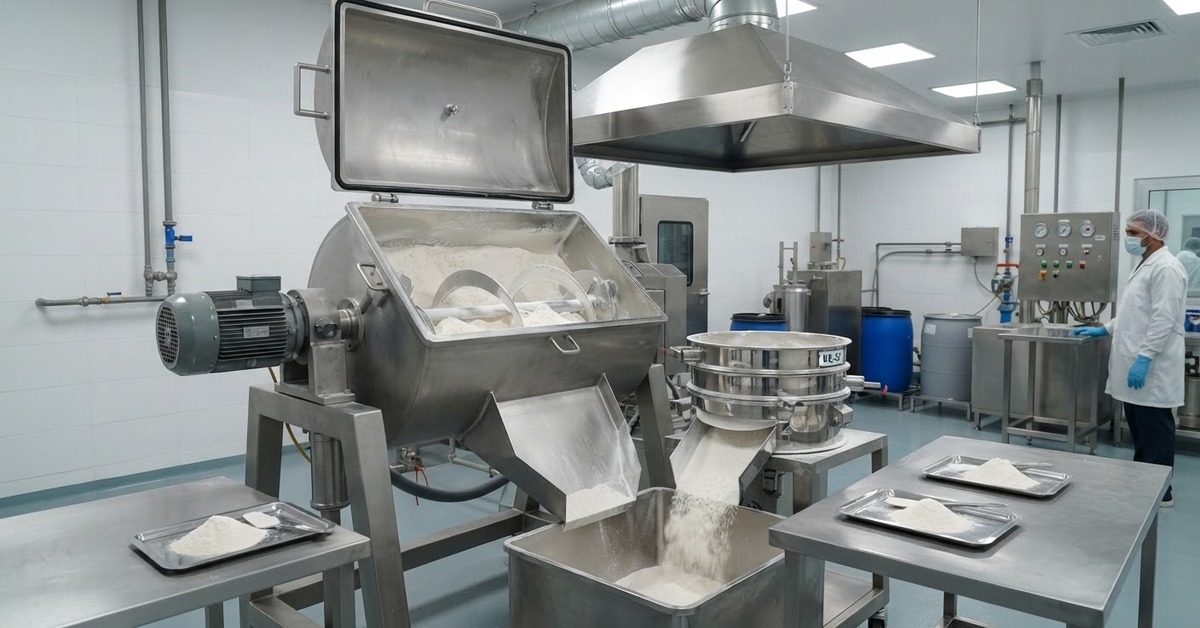
Dedicated Production Lines: The ideal standard mandates dedicated, Halal-only production lines. If non-Halal products (e.g., standard porcine gelatin capsules) are handled on the same equipment, rigorous "Wash-out" (Sertu or Tayamum) procedures are required. These are specific cleaning protocols involving a prescribed number of washes with water and one wash with water combined with a purifying agent (often soil/clay).
-
Storage and Logistics: Halal-certified ingredients must be stored separately from non-Halal materials at all stages (warehouse, pre-mix, compounding) to maintain chain-of-custody integrity.
5. Regulatory Hurdles and Quality Control
Halal compliance intersects with established pharmaceutical and food safety regulations (GMP), adding layers of complexity to quality assurance (QA) and quality control (QC) testing.
5.1. Testing for Haram Contamination
QC laboratories for Halal products must implement specialized testing protocols to detect trace amounts of prohibited substances:
-
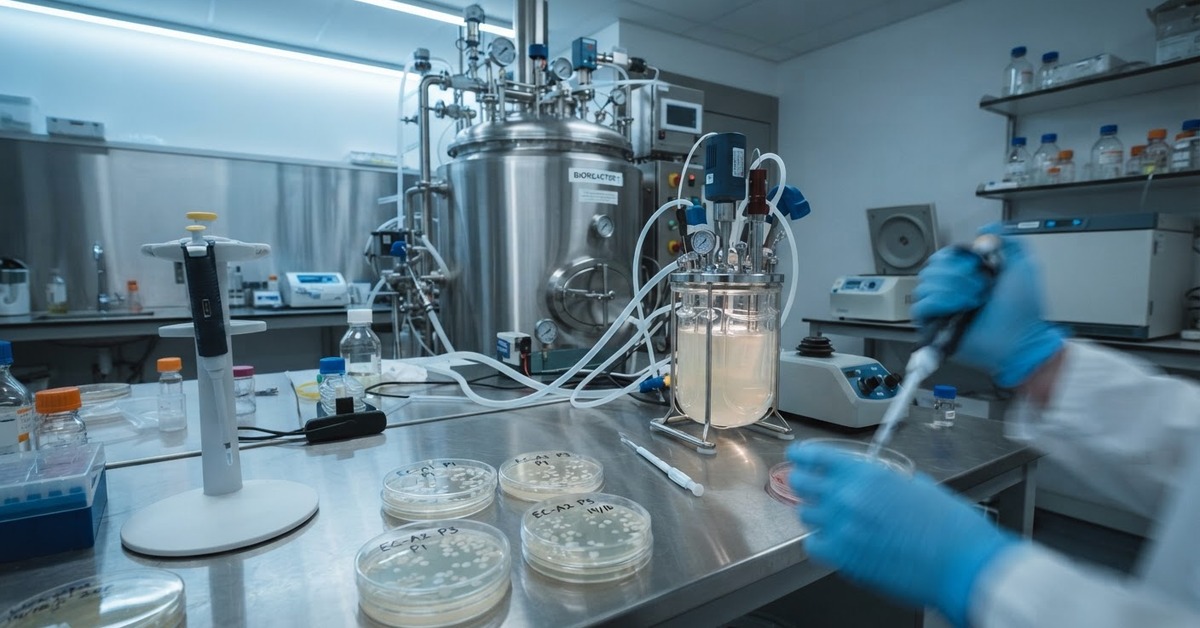
Polymerase Chain Reaction (PCR) Testing: Used as the industry standard to detect porcine DNA in gelatin, fats, and emulsifiers. The threshold for detection must be extremely low, often at 0.01\% or less, to ensure absolute purity.
-
Gas Chromatography/Mass Spectrometry (GC/MS): Used to verify the absence of residual alcohol or to confirm the botanical origin of fatty acids when animal sources are prohibited.
5.2. Drug-Supplement Interface (Pharmacological Challenges)
In regions where supplements are regulated as medicines, the Halal challenge is compounded by the pharmaceutical necessity of certain non-Halal excipients.
-
Excipient Necessity: Some drug delivery systems or bioavailability enhancers (like certain coating polymers or binding agents) may only be commercially available from Haram sources. Halal pharmacists must conduct an "Istisna" (necessity) review to determine if the Haram substance can be temporarily permitted in the absence of a viable Halal alternative, though this is rarely applied to basic supplements. The preference is always for Halal alternatives.
6. The Economic and Global Market Imperative
The demand for certified Halal supplements is growing faster than the general supplement market, driven by rising purchasing power in Muslim-majority regions and increasing consumer awareness regarding ingredient sourcing.
6.1. Market Access and Trade
Halal certification acts as an essential non-tariff trade barrier for entry into lucrative markets such as the Middle East (GCC nations) and Southeast Asia (Indonesia, Malaysia). Without formal, accepted certification, export of dietary supplements to these regions is often prohibited.
6.2. Ethical Sourcing and Consumer Trust
The Halal label functions as a powerful marker of ethical manufacturing and purity for Muslim and non-Muslim consumers alike. It implicitly guarantees:
-
Traceability: Ingredients are verifiable back to their source.
-
Clean Processing: Manufacturing standards are highly regulated against cross-contamination.
-
Ethical Animal Treatment: Where animal products are used, they comply with humane Dhabihah standards.
7. Strategic Formulation: Halal-Compliant Alternatives
The rigorous requirements of Halal certification have spurred significant innovation in ingredient technology, particularly in sourcing and stabilizing vitamins and excipients. The industry's strategic shift toward Halal-compliant alternatives is now a global manufacturing trend.
7.1. Gelatin Replacement Technology
The necessity of replacing porcine gelatin has led to the widespread adoption of specific plant-based alternatives:
-
HPMC (Hydroxypropyl Methylcellulose): Derived from plant cellulose, HPMC is universally accepted as Halal. HPMC capsules offer excellent pH stability and minimal moisture content, making them superior for moisture-sensitive active ingredients.
-
Pullulan: A polymer derived from fermented starch, also inherently Halal and often used for premium vegetarian capsules due to its high oxygen barrier properties.
-
Fish Gelatin: A highly specialized alternative. While fish is universally Halal, the gelatin process must still be verified against cross-contamination from non-Halal processing agents, offering a verified non-bovine/non-porcine source.
7.2. Vitamin D Sourcing and Stabilization
Vitamin D_3 (cholecalciferol), a fat-soluble vitamin crucial for supplements, is often stabilized using lanolin (sheep's wool wax) or carried in gelatin.
-
Halal Lanolin: Lanolin itself is permissible (Halal) as it is not derived from the carcass of a prohibited animal. However, the final Vitamin D_3 product must be free from any residual alcohol used in the extraction or purification process, requiring specialized, alcohol-free crystallization methods.
-
Vegan Vitamin D_3: The emergence of Vitamin D_3 sourced from lichen offers an inherently Halal, plant-based alternative that completely bypasses the reliance on animal sourcing.
8. Consumer Segmentation and Halal Premium
The Halal certification process often incurs higher costs—due to specialized sourcing, PCR testing, dedicated production time, and auditing fees—which is reflected in the market pricing.
8.1. The Halal-Tayyib Mandate
Halal consumers adhere not only to Halal (permissible) but also to Tayyib (pure, wholesome, and ethical). The combination of the two mandates that supplements must be:
-
Free from Haram.
-
Manufactured under clean, high-quality, and ethical conditions.
The Halal label, therefore, functions as a dual guarantee of religious compliance and superior product quality, justifying a market premium compared to standard, non-verified supplements.
8.2. Market Proliferation and Label Clarity
As the market grows, there is increasing pressure on manufacturers to provide transparent and clear labeling. Certification labels must be prominent, verifiable via QR codes or batch tracking, and indicate which recognized religious authority performed the certification, addressing the variation in Halal interpretations across different schools of thought.
9. Conclusion: Halal Compliance as a Driver of Global Manufacturing Excellence
The requirements for Halal supplement compliance are comprehensive, covering theology, biochemistry, industrial engineering, and international law. Achieving Halal certification is not a passive process; it is an active commitment to quality assurance and ethical sourcing that drives product innovation (e.g., in vegetarian capsule technology) and requires specialized QA/QC testing (e.g., PCR testing for porcine contamination).
Brands partnering with Halal-capable OEM/ODM manufacturers like ZOOMSHEAL benefit from:
-
Certified Halal raw material sourcing
-
Segregated production lines
-
Advanced QA/QC systems including PCR analysis
-
Clean, ethical, and fully traceable supply chains
For manufacturers targeting the global Muslim consumer base, Halal compliance is an essential prerequisite for market access, acting as a powerful indicator of purity and trust that resonates with an increasingly discerning global consumer, both Muslim and non-Muslim alike.