
As summer temperatures escalate, staying adequately hydrated transcends a mere good habit—it becomes an absolutely critical pillar for maintaining your health, energy, and overall well-being. The pervasive heat significantly amplifies your body's natural sweating process, leading to a much faster and more substantial loss of both fluids and vital electrolytes. If these crucial elements aren't diligently replenished, the path to dehydration is swift, impacting everything from your core energy levels and emotional stability to sharp cognitive function and robust physical performance. But here’s the refreshing news: keeping yourself cool, vibrantly energized, and thoroughly hydrated all summer long is far simpler and more enjoyable than you might imagine. This comprehensive guide will arm you with practical, effective, and often delicious hydration hacks designed to actively regulate your body temperature, proactively prevent the insidious onset of dehydration, and ensure you savor every moment of summer to its absolute fullest.
Understanding the Indispensable Role of Hydration: Your Summer Superpower
Water is not just a drink; it's the fundamental lifeblood of your physiological existence. Constituting approximately 50-60% of an adult's body weight, this colorless, odorless liquid is the silent orchestrator behind countless, intricate bodily functions, including:
-
Precise Body Temperature Regulation: Sweating is your body's ingenious, natural cooling mechanism. When your internal temperature rises, your sweat glands release water onto your skin's surface. As this water evaporates, it carries heat away from your body, effectively cooling you down. Adequate hydration ensures this process can occur efficiently.
-
Optimal Joint Lubrication and Cushioning: Water is a key component of synovial fluid, which lubricates your joints and acts as a shock absorber, protecting them from wear and tear. Proper hydration helps ensure smooth, pain-free movement, especially during increased summer activity.
-
Efficient Nutrient Delivery: Water serves as the primary medium for transporting essential vitamins, minerals, glucose, and oxygen to every single cell, tissue, and organ in your body. Without sufficient water, nutrient delivery becomes sluggish, impairing cellular function.
-
Effective Waste Removal and Detoxification: Your kidneys, vital organs of detoxification, rely heavily on water to filter waste products and toxins from your blood. These waste products are then expelled from the body primarily through urine. Sufficient fluid intake prevents the kidneys from being overworked and ensures efficient waste elimination.
-
Peak Cognitive Function and Mood Stability: Even mild dehydration can have profound effects on your brain. Studies indicate that a mere 1-3% loss of body fluid can impair concentration, reduce alertness, negatively impact short-term memory, and lead to irritability or a decline in overall mood. Staying hydrated keeps your brain sharp and your spirits high.
-
Sustained Energy Levels: Feeling inexplicably sluggish, experiencing brain fog, or battling sudden bouts of fatigue? Your first recourse might be a caffeinated pick-me-up, but often, the real culprit is simple dehydration. Water is crucial for metabolic processes that convert food into energy.
In hot weather conditions, your body is compelled to work significantly harder to maintain a stable internal temperature, which directly accelerates fluid loss through increased sweating. Ignoring the initial signals of thirst can quickly escalate to more pronounced symptoms like persistent headaches, bouts of dizziness, overwhelming fatigue, and painful muscle cramps. Critically, severe dehydration is a serious medical emergency requiring immediate attention.
Advanced Hydration Hacks to Conquer the Summer Heat
Staying adequately hydrated doesn't have to feel like a chore or lead to monotonous routines. With a bit of creativity and strategic planning, you can make consistent fluid intake an enjoyable and effortless part of your summer routine.
1. Transform Your Water into a Hydrating Elixir
Plain water, while essential, can sometimes feel uninspiring. Infusing it with natural flavors is a simple yet revolutionary way to boost your consumption.
-
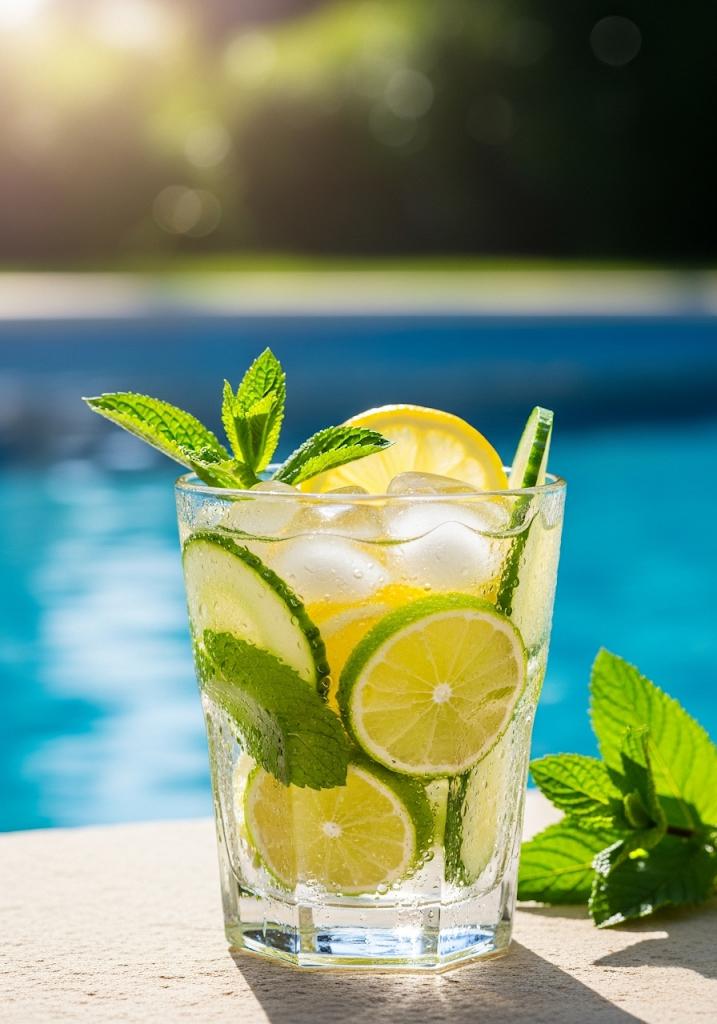
Vibrant Fruit & Herb Infusions: Elevate your water by adding slices of fresh lemon, lime, orange, grapefruit, cucumber, or an assortment of berries (strawberries, raspberries, blueberries). For an aromatic twist, introduce fresh herbs like mint, basil, rosemary, or even a few sprigs of thyme. Prepare a pitcher in the morning and let the flavors meld in the fridge for a few hours. This makes for a delightful and visually appealing beverage.
-
The Sparkling Water Switch: If you frequently crave carbonation, make a healthier choice by opting for unsweetened sparkling water (or seltzer) over sugary sodas. Add the same fruit and herb combinations for a refreshing, guilt-free fizzy drink. You can even invest in a home carbonator for endless sparkling water possibilities.
-
Artisanal Chilled Herbal Teas: Beyond your standard hot tea, brewing a large batch of your favorite caffeine-free herbal tea (think peppermint, hibiscus, rooibos, or chamomile) and chilling it creates a sophisticated and hydrating alternative. These offer complex flavors without the diuretic effects of caffeinated beverages. For an extra boost, infuse with ginger or cinnamon sticks while brewing.
2. "Eat Your Water": Incorporating Hydrating Foods
Many fruits and vegetables boast an exceptionally high water content, making them powerful allies in your hydration strategy. Integrating these into your meals and snacks can significantly contribute to your daily fluid intake.
-
Superior Water-Rich Fruits: Prioritize fruits with over 85-90% water content. Watermelon (approx. 92% water), cantaloupe, strawberries, peaches, oranges, and grapefruit are exceptional choices. Beyond hydration, they also provide crucial vitamins, minerals, and fiber.
-
Highly Hydrating Vegetables: Snack on cucumber (approx. 95% water), celery, iceberg lettuce, zucchini, and bell peppers. These can be enjoyed raw as snacks, added generously to salads, or incorporated into light summer meals.
-
Innovative Frozen Hydration: Transform water-rich fruits into delicious, cooling, and naturally hydrating treats. Blend them into homemade popsicles, fruit sorbets, or even chilled fruit soups. These are particularly appealing for children and a fun way to beat the heat.
3. Cultivating a Proactive Hydration Routine
Waiting until you feel thirsty is a critical mistake, as thirst is already your body's signal that it's experiencing mild dehydration. Proactive and consistent intake is key.
-
Morning Hydration Ritual: Make drinking a large glass (16-20 ounces) of water an absolute priority immediately upon waking. This effectively kickstarts your metabolism, replenishes fluids lost during sleep, and sets a positive hydration tone for the entire day.
-
The Power of the Reusable Water Bottle: Invest in a durable, attractive, and easy-to-carry reusable water bottle. Keep it constantly within sight—on your desk, in your car, beside your bed, or in your bag. The constant visual reminder acts as a powerful prompt to sip regularly.
-
Leverage Technology: Utilize hydration tracking apps (many free options available) or simply set periodic alarms on your smartphone to remind you to drink water at regular intervals. This is especially vital during periods of intense heat, physical activity, or extended time outdoors.
-
Strategic Hydration Around Activity: If you're planning to exercise, engage in strenuous physical labor, or spend extended time outdoors in the heat, significantly increase your fluid intake before, during, and after the activity. For prolonged periods (over an hour) of heavy sweating, consider incorporating sports drinks that effectively replenish electrolytes, but remain mindful of their sugar content. A homemade electrolyte solution is often a healthier choice.
4. Smart Beverage Choices for Optimal Hydration
Not all liquids contribute equally to your hydration status; some can even have counterproductive effects.
-
Strictly Limit Sugary Drinks: Sodas, highly sweetened fruit juices (even "100% juice" can be high in sugar), and overly sweetened teas are loaded with sugar. High sugar content can actually pull water from your cells into the digestive tract, potentially exacerbating dehydration.
-
Moderate Caffeine & Alcohol Intake: Both caffeine (found in coffee, tea, energy drinks) and alcohol are diuretics. They increase urine production, leading to greater fluid loss from your body. If you choose to consume these beverages, it's crucial to consciously balance them with extra plain water to offset their dehydrating effects.
-
Embrace Electrolyte Balance: When sweating profusely due to intense heat or exercise, plain water alone might not be sufficient. Your body loses essential electrolytes—primarily sodium, potassium, and magnesium—through sweat. You can replenish these vital minerals through electrolyte-rich foods (e.g., bananas, avocados, leafy greens, potatoes, nuts), coconut water (a natural source of electrolytes), or by preparing simple homemade electrolyte drinks (a pinch of sea salt, a squeeze of citrus, and a little honey or maple syrup in water).
Recognizing the Red Flags: Signs of Dehydration
Understanding your body's signals is paramount. It's crucial to recognize the warning signs of dehydration early, as prompt action can prevent more severe complications, including heat exhaustion or heatstroke.
-
Increased Thirst: This is your body's most direct and initial alarm system.
-
Dry Mouth and Sticky Saliva: Your mucous membranes feel parched and sticky.
-
Reduced Urination Frequency and Dark-Colored Urine: Healthy urine should be pale yellow. Darker urine is a strong indicator of inadequate fluid intake.
-
Persistent Fatigue & Lethargy: Feeling unusually tired, sluggish, or lacking your usual energy.
-
Headache: Often a dull, persistent ache that can worsen with movement.
-
Dizziness or Lightheadedness: Particularly noticeable when standing up quickly.
-
Muscle Cramps: Can occur due to imbalances in electrolytes, exacerbated by fluid loss.
-
Sunken Eyes: A sign of more significant fluid depletion.
-
Lack of Sweat in Hot Conditions: Paradoxically, if you're in the heat and not sweating, it's a serious sign of advanced dehydration.
If you or someone you know experiences severe symptoms such as extreme thirst, confusion, rapid heartbeat, rapid breathing, fever, or fainting, seek immediate medical attention. These could be signs of a medical emergency.
Staying Hydrated for a Fun-Filled, Safe Summer
Embracing these practical and delicious hydration hacks means you can fully immerse yourself in all the joys of summer—whether it's long days at the beach, invigorating hikes, intense workouts, or simply relaxing under the sun—without ever compromising your health. Make conscious and proactive choices about what you drink and eat, attentively listen to your body's subtle signals, and diligently replenish your fluids throughout the day. A well-hydrated body is inherently a happier, more energetic, and remarkably resilient body, perfectly poised to thrive and safely conquer the summer heat!
References
- Centers for Disease Control and Prevention. (Current Year/Last Updated Date). Staying Safe in Hot Weather. Retrieved from https://www.cdc.gov/disasters/extremeheat/ways_to_stay_safe.html
- Mayo Clinic. (Current Year/Last Updated Date). Dehydration. Retrieved from https://www.mayoclinic.org/diseases-conditions/dehydration/symptoms-causes/syc-20354086
- National Institutes of Health. (Current Year/Last Updated Date). Water and Nutrition. Retrieved from https://www.niddk.nih.gov/health-information/digestive-diseases/digestive-system-how-it-works/water-and-nutrition
- World Health Organization. (Current Year/Last Updated Date). Heat and Health. Retrieved from https://www.who.int/news-room/fact-sheets/detail/heat-and-health
- American Academy of Family Physicians. (Current Year/Last Updated Date). Dehydration. Retrieved from https://familydoctor.org/dehydration/