

What is Acai and How Does It Work?
Acai is a drupe, similar to a grape, but with a large seed making up about 80% of the fruit. The edible part is the dark purple skin and pulp. Nutritionally, acai berries are distinct from many other fruits. They are relatively low in sugar but rich infats(primarily monounsaturated and polyunsaturated, similar to olive oil),dietary fiber, andanthocyanins.
Anthocyaninsare a type of flavonoid, a powerful class of antioxidants responsible for the berry's deep purple color. Antioxidants play a crucial role in protecting the body's cells from damage caused by free radicals, unstable molecules that can contribute to aging and various chronic diseases. While research is ongoing, the presence of these compounds is often cited as the primary mechanism behind acai's potential health benefits. Acai also contains other compounds likepolyphenolsandfatty acids, which contribute to its overall nutritional and potential health-promoting properties.
Potential Health Benefits (Based on Scientific Evidence)
While often marketed with broad claims, the scientific research on acai's specific health benefits is still developing. However, existing studies and its nutritional composition suggest several areas of interest:
-
Antioxidant Properties:This is the most widely recognized benefit. The high concentration of anthocyanins and other phenolic compounds in acai provides significant antioxidant activity. Lab and animal studies have shown its ability to neutralize free radicals, potentially reducing oxidative stress in the body.
-
Heart Health:The healthy fats (omega-3, -6, and -9 fatty acids) and fiber present in acai may contribute to cardiovascular health. Some research suggests that these components, along with antioxidants, could help manage cholesterol levels and support overall heart function.
-
Digestive Health:Acai's rich fiber content is beneficial for digestive health, promoting regularity and supporting a healthy gut microbiome.
-
Anti-inflammatory Effects:Beyond its antioxidant capacity, some components in acai may also exhibit anti-inflammatory properties, which could be beneficial in managing chronic inflammatory conditions.
-
Brain Health:While preliminary, some animal studies suggest that the antioxidants in acai may have neuroprotective effects, potentially supporting cognitive function by combating oxidative stress in the brain.
It's important to note that much of the research on acai has been conducted in laboratory settings or on animals, and more large-scale human clinical trials are needed to confirm these potential benefits conclusively.
Recommended Doses and Food Sources
There is no official recommended daily allowance (RDA) for acai as it's not considered an essential nutrient. As a food, acai is often consumed as:
-
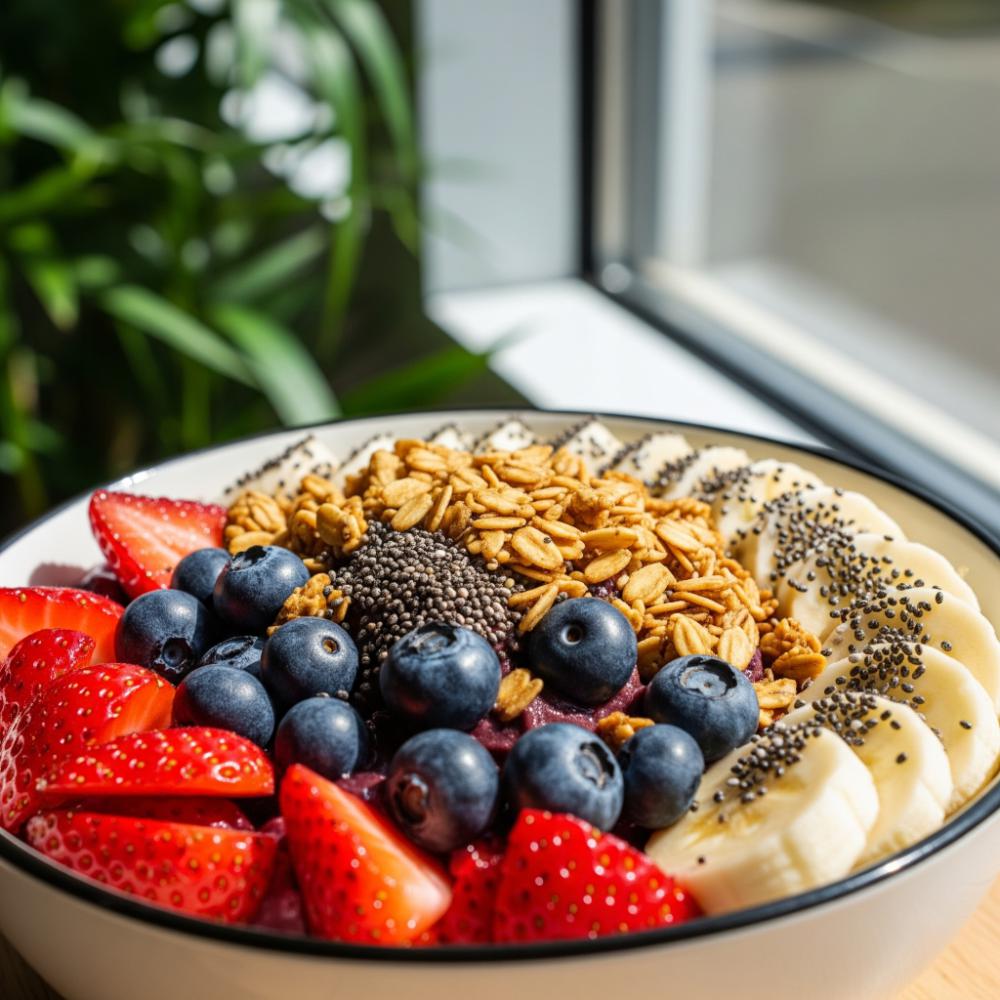
Frozen Pulp:This is the most common form, often used in smoothies or acai bowls.
-
Juices:While convenient, be mindful of added sugars in some acai juice products.
-
Powders:A concentrated form that can be added to drinks or food.
-
Supplements:Capsules or tablets containing concentrated acai extract.
Given that it's a food product, there isn't a universally established "dose." If consuming as a supplement, always follow the manufacturer's directions on the product label. When opting for whole food forms, moderate consumption as part of a balanced diet is advisable.
Safety, Side Effects, and Interactions
According to the NIH Office of Dietary Supplements (ODS), acai berries aregenerally considered safewhen consumed in food amounts. However, certain considerations apply:
-
Pesticide Contamination:As with any fruit, ensure that acai products are sourced from reputable suppliers to minimize potential exposure to pesticides or other contaminants.
-
Chagas Disease:In rare instances, and primarily in its native regions where proper hygiene is not maintained, fresh acai can be contaminated with the parasiteTrypanosoma cruzi, which causes Chagas disease. However, commercially processed acai products in the U.S. and Europe undergo pasteurization or flash freezing, which inactivates the parasite.
-
Allergic Reactions:As with any food, allergic reactions are possible, though rare.
-
Drug Interactions:There are no well-documented significant drug interactions with acai. However, if you are taking blood-thinning medications or have other chronic health conditions, it's always prudent to consult with your healthcare provider before significantly increasing your intake of acai or starting acai supplements.
-
Blood Sugar Levels:While acai is relatively low in sugar, consuming acai bowls or smoothies with excessive added sugars or high-sugar toppings can impact blood glucose levels.
How to Choose and Use Dietary Supplements
When considering any dietary supplement, including acai, it's crucial to make informed choices:
-
Consult Your Healthcare Provider:Always speak with a doctor, registered dietitian, or other qualified healthcare professional before starting any new supplement, especially if you have pre-existing health conditions, are pregnant or breastfeeding, or are taking medications.
-
Choose Reputable Brands:Look for products from established companies that adhere to Good Manufacturing Practices (GMPs) and ideally have third-party certifications (e.g., NSF International, USP, ConsumerLab.com), which verify product purity and potency.
-
Read Labels Carefully:Pay attention to serving sizes, ingredients, and any warnings or contraindications listed on the product label.
-
Remember Food First:Dietary supplements are intended tosupplementa healthy diet, not replace nutrient-rich whole foods. Focus on a balanced diet as the foundation of your nutritional intake.
-
Be Skeptical of "Miracle Cures":Be wary of exaggerated health claims or products promising immediate or miraculous results.
Conclusion
Acai berries are a nutritious fruit, rich in antioxidants, healthy fats, and fiber, offering potential benefits for antioxidant defense, heart health, and digestion. While preliminary research is promising, more extensive human studies are needed to fully understand their specific health effects. When consumed as part of a balanced diet or as a reputable supplement, acai is generally safe for most individuals. As with any dietary change or new supplement, professional medical advice is always recommended.
Authoritative Information Source:
-
NIH Office of Dietary Supplements (ODS):Acai Fact Sheet for Consumers