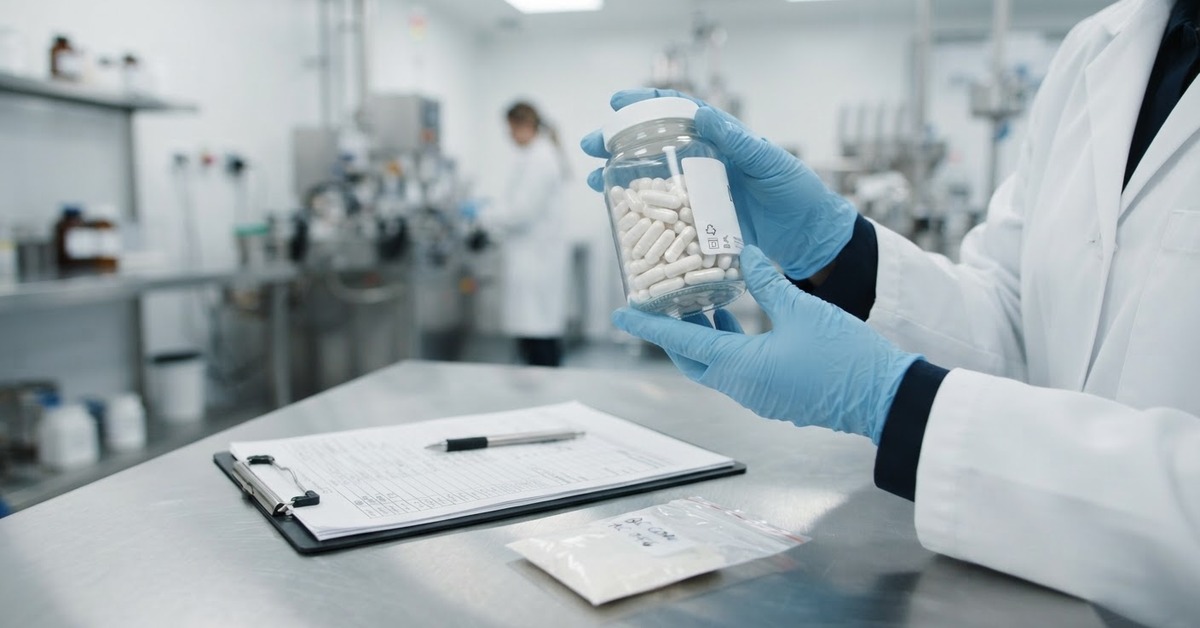

In a world increasingly challenged by metabolic health concerns, the phrase "plantsulin" has captured public imagination. It refers not to a single, direct plant-based substitute for pharmaceutical insulin, but rather to a compelling concept: the extraordinary ability of various plant-derived compounds to influence and support healthy blood glucose levels. This area represents a vibrant intersection of ancient wisdom and modern scientific inquiry.

For centuries, diverse traditional medicine systems across continents have harnessed the power of nature to address conditions characterized by elevated blood sugar. Today, rigorous scientific research is peeling back the layers, meticulously identifying specific botanical compounds, dissecting their intricate mechanisms of action, and validating their potential roles in dietary supplements and complementary therapies for metabolic well-being. This article delves deep into the fascinating world of "plantsulin," exploring how nature's pharmacy might offer valuable allies in managing your blood sugar journey.
Unveiling the Mechanisms: How Plants Intricately Influence Blood Sugar
Unlike pharmaceutical insulin, which acts as a direct key to unlock cells for glucose uptake, botanical compounds often exert their effects through a sophisticated network of indirect pathways. This multi-pronged approach makes them fascinating subjects of study:
-
Enhancing Insulin Sensitivity: Imagine your body's cells as locks and insulin as the key. In insulin resistance, these locks become "rusty" and less responsive. Certain plant compounds are thought to act as cellular "lubricants," helping your cells respond more efficiently to your own naturally produced insulin. This means less insulin is needed to achieve the same glucose-lowering effect, effectively combating the core issue of insulin resistance.
-
Modulating Glucose Absorption: After a meal, carbohydrates are broken down into glucose and absorbed into the bloodstream. Some plant extracts contain compounds (like certain fibers or enzyme inhibitors) that can slow down the activity of digestive enzymes (e.g., alpha-glucosidase) or form a gel-like substance in the gut. This results in a more gradual and controlled release of glucose into the bloodstream, preventing sharp post-meal blood sugar spikes.
-
Supporting Insulin Secretion (When Appropriate): While not their primary mode of action, a few botanicals might gently encourage the pancreatic beta cells—the body's natural insulin factories—to produce and release insulin more efficiently. This delicate balance is crucial, and research aims to ensure such stimulation is supportive rather than overtaxing the pancreas.
-
Combating Oxidative Stress and Inflammation: Chronic low-grade inflammation and oxidative stress (an imbalance between free radicals and antioxidants) are increasingly recognized as major contributors to insulin resistance, beta-cell dysfunction, and the progression of metabolic disorders. Many plant compounds are rich in antioxidants and possess powerful anti-inflammatory properties, helping to neutralize damaging free radicals and quell systemic inflammation, thereby protecting cells vital for blood sugar regulation.
-
Regulating Hepatic Glucose Production: Your liver plays a critical role in maintaining stable blood sugar, producing glucose (gluconeogenesis) during fasting states or when stores are low. Some plant compounds may signal the liver to reduce this glucose output, especially when blood sugar levels are already elevated, thereby contributing to overall glucose control.
-
Mimicking Insulin Actions (Indirectly): While no plant molecule is chemically identical to human insulin, some plant compounds might interact with cellular receptors or activate internal signaling pathways in ways that mimic certain effects of insulin. This can encourage cells to take up glucose from the bloodstream, even if insulin's own action is impaired.
Nature's Pharmacy: Key Botanical Players in Blood Sugar Research
The scientific community is keenly interested in several plants that have historically been used for blood sugar management. It's vital to remember that while promising, much of this research is ongoing, and human clinical trials are continuously expanding our understanding.
-
Bitter Melon (Momordica charantia):

Often hailed as a leading "plantsulin" contender, Bitter Melon is widely studied. It contains unique compounds such as charantin, polypeptide-p (sometimes referred to as "plant insulin" due to its peptide structure), and vicine. These compounds are believed to work synergistically to enhance insulin secretion, improve cellular glucose uptake, inhibit glucose production in the liver, and even suppress appetite. Its traditional use spans across Asian, African, and Latin American medicine for centuries.
-
Cinnamon (Cinnamomum verum/cassia): More than just a spice, cinnamon (especially the Ceylon variety, Cinnamomum verum, which is generally safer for regular consumption than Cassia cinnamon due to lower coumarin levels) contains powerful polyphenols and cinnamaldehyde. Research suggests these compounds may significantly improve insulin sensitivity by activating insulin receptors and enhancing glucose transport into cells. It can also slow down carbohydrate digestion, leading to gentler post-meal blood sugar curves.
-
Fenugreek (Trigonella foenum-graecum): These versatile seeds are a staple in Indian and Middle Eastern cuisines and traditional medicine. Fenugreek is exceptionally rich in soluble fiber, particularly galactomannan. This fiber forms a viscous gel in the digestive tract, which slows gastric emptying and carbohydrate absorption. Additionally, amino acids like 4-hydroxyisoleucine within fenugreek may directly stimulate insulin secretion. It's also known to help reduce overall cholesterol levels.
-
Gymnema Sylvestre (Gurmar): Known in Hindi as "gurmar," meaning "sugar destroyer," this herb from India has a fascinating property: its active compounds, gymnemic acids, can temporarily block sugar receptors on the taste buds, reducing the perception of sweetness. Beyond this, it's thought to reduce sugar absorption in the intestines and, in some preliminary studies, may even support the regeneration of pancreatic beta cells, though more human research is needed to confirm the latter.
-
Prickly Pear Cactus (Opuntia ficus-indica): This desert plant, particularly its pads and fruit, is rich in unique fibers, including pectin and mucilage. These soluble fibers play a crucial role in slowing down the absorption of dietary sugar and fats. Some research indicates it may also enhance insulin sensitivity and possess antioxidant properties, contributing to its traditional use in Mexican folk medicine for various metabolic ailments.
-
Berberine: A powerful alkaloid found in several plants like Goldenseal, Oregon Grape, Barberry, and Coptis chinensis, Berberine has gained significant scientific attention. It functions by activating AMP-activated protein kinase (AMPK), an enzyme that acts as a master regulator of metabolism within cells—a mechanism often compared to the diabetes drug metformin. Berberine can significantly reduce glucose production in the liver, improve insulin sensitivity, and help promote glucose uptake by muscles.
-
Ginseng (Panax ginseng / American ginseng): Various species of ginseng, particularly American ginseng (Panax quinquefolius) and Asian ginseng (Panax ginseng), contain active compounds called ginsenosides. Studies suggest that ginseng may lower post-meal blood glucose levels, improve insulin sensitivity, and even protect pancreatic beta cells. American ginseng, in particular, has been noted for its more consistent glucose-lowering effects without significant stimulating properties.
Crucial Considerations and Professional Guidance: A Call for Caution
While the potential of "plantsulin" in the form of these botanical compounds is undeniably exciting, it's absolutely critical to approach their use with informed caution and responsibility:
-
Never a Substitute for Medication: This cannot be emphasized enough. No plant extract, no matter how promising its "insulin-mimetic" properties, is a direct replacement for prescribed insulin or other conventional diabetes medications. Individuals with diagnosed diabetes must never stop, reduce, or alter their prescribed medication regimen without explicit, personalized guidance from their qualified medical doctor or endocrinologist. Doing so can lead to dangerous and even life-threatening fluctuations in blood sugar.
-
Dosage, Standardization, and Purity: The concentration of active compounds can vary enormously depending on the plant species, growing conditions, harvesting methods, and processing techniques. This variability can impact both efficacy and safety. Always look for standardized extracts that guarantee a specific percentage of the active compound (e.g., 95% Curcuminoids from Turmeric) and choose products from reputable manufacturers.
-
Potential Side Effects and Drug Interactions: Botanical supplements are not inert. They can have their own side effects, which might range from mild digestive upset to more serious issues like liver stress with long-term, high-dose use of certain herbs. Crucially, they can interact significantly with prescribed medications. For example, blood sugar-lowering herbs taken with diabetes medications can lead to hypoglycemia (dangerously low blood sugar). They can also interact with blood thinners, immunosuppressants, or medications metabolized by the liver. Always inform your healthcare provider about ALL supplements you are taking.
-
Individual Variability in Response: Your body's response to a specific botanical compound can be highly individual. Factors like your genetic makeup, gut microbiome composition, existing health conditions, overall diet, and lifestyle all play a role in how you absorb and utilize these compounds. What works effectively for one person might have little to no effect, or even an adverse effect, on another.
-
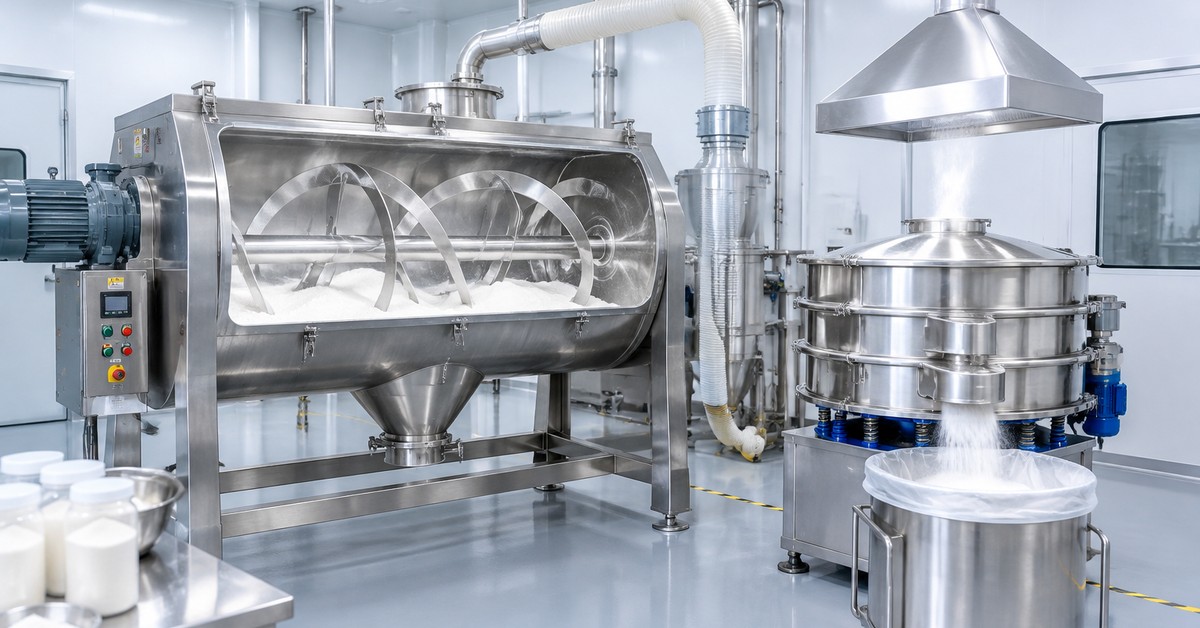
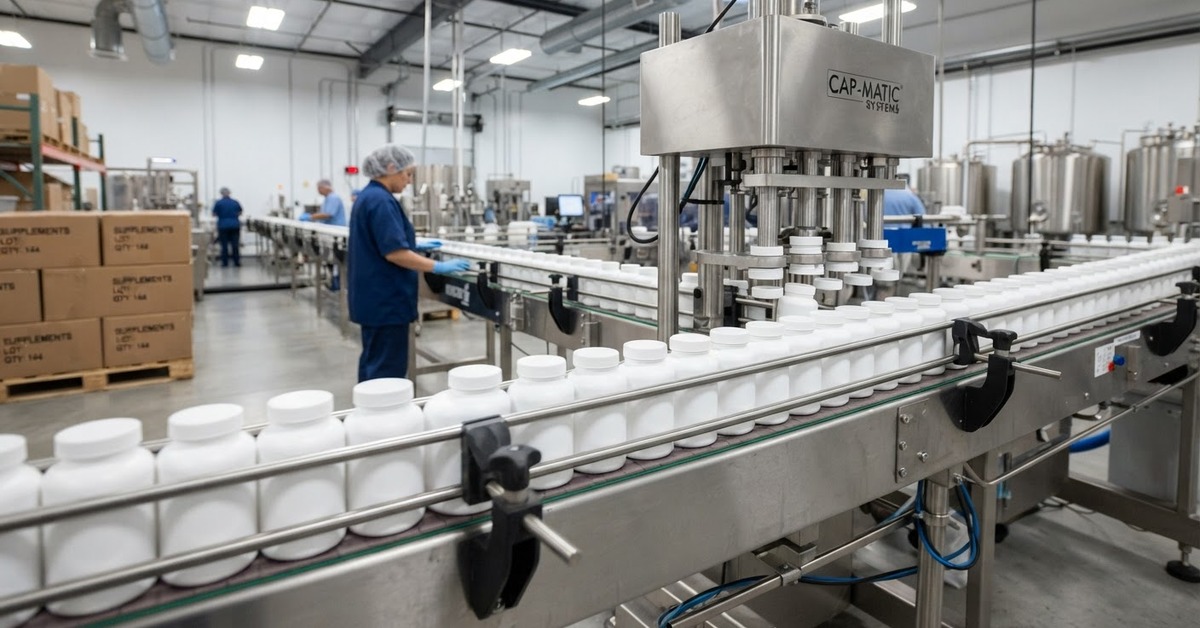
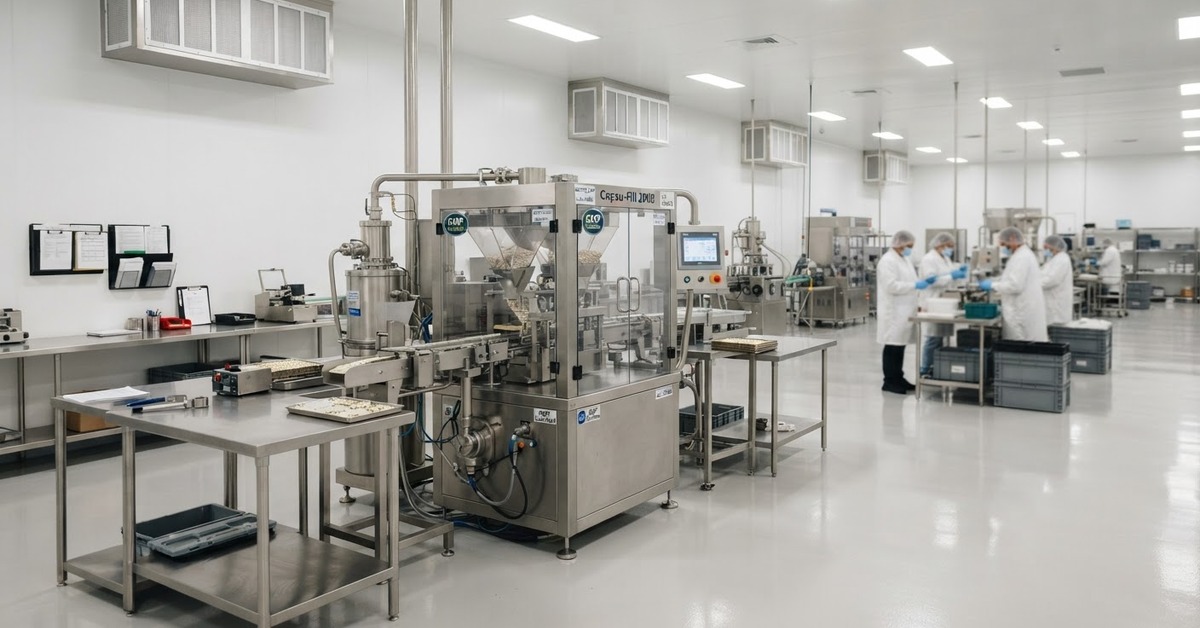
Understanding Regulatory Status: It's vital to remember that dietary supplements are regulated differently from pharmaceutical drugs. In many regions, they are not subject to the same rigorous pre-market approval processes. Therefore, always prioritize products from reputable manufacturers who adhere strictly to Good Manufacturing Practices (GMP) and, ideally, have their products third-party tested for purity, potency, and absence of contaminants (heavy metals, pesticides, microbes). This provides an extra layer of consumer protection.
The Path Forward: Research, Integration, and Empowered Personalization
The ongoing scientific exploration of "plantsulin" and other blood sugar-modulating plant compounds represents an incredibly promising frontier in metabolic health research. As our scientific understanding deepens and more robust human clinical trials are conducted, these botanicals may increasingly offer valuable complementary strategies for blood sugar management, designed to work synergistically alongside conventional treatments and lifestyle modifications.
For anyone considering incorporating botanical supplements for blood sugar support, the most crucial and empowering step is to engage in a collaborative discussion with your healthcare professional. This might include your primary care physician, an endocrinologist, or a registered dietitian. They can conduct a thorough assessment of your individual health status, review all your current medications, and discuss your specific needs. This personalized approach allows them to provide tailored advice, help you understand the potential benefits and risks of any supplement, safely monitor your blood glucose levels, and ensure any supplemental regimen is integrated effectively and safely into your comprehensive overall health plan. The future of blood sugar management may indeed involve smartly leveraging nature's pharmacy, but always under expert medical guidance for your utmost safety and efficacy.