
Digestive wellness has become one of the most discussed topics in the nutrition world. As research continues to highlight the importance of gut health in overall well-being, more people are exploring ways to improve their daily nutrient intake. Among the many nutritional options available today, the soluble dietary fiber supplement has attracted growing attention.
Dietary fiber has long been recognized as an essential component of a healthy diet. However, modern eating habits often fall short of recommended fiber intake levels. Busy schedules, processed foods, and limited consumption of whole plant foods can make it difficult for individuals to get enough fiber from diet alone. Because of this gap, fiber supplements have become a practical option for people looking to support digestive balance.
Soluble fiber supplements are designed to provide a concentrated source of fiber that dissolves in water and forms a gel-like substance during digestion. This unique property allows soluble fiber to interact with the digestive system in several beneficial ways, supporting gut health and helping maintain normal digestive function.

Understanding how soluble fiber works, where it comes from, and how it fits into a balanced lifestyle can help consumers make more informed decisions about digestive health support.
Understanding Soluble Dietary Fiber
Dietary fiber is generally divided into two main categories: soluble fiber and insoluble fiber. While both types are important, they behave differently in the digestive system and provide distinct benefits.
Soluble fiber dissolves in water and forms a viscous, gel-like texture when it enters the digestive tract. This process slows digestion slightly and allows the fiber to interact with nutrients and gut bacteria along the way. Insoluble fiber, on the other hand, does not dissolve in water and primarily adds bulk to stool, helping promote regular bowel movements.
Because soluble fiber absorbs water and forms a gel, it can play an important role in maintaining digestive balance. It also becomes a valuable food source for beneficial bacteria living in the gut microbiome.
Many soluble fiber supplements are derived from plant sources. Some of the most common forms include:
- psyllium husk
- inulin
- partially hydrolyzed guar gum
- beta-glucan
- pectin
Each of these fibers has slightly different properties, but they all share the ability to dissolve in water and support digestive processes.
Soluble fiber is also naturally found in many foods such as oats, beans, apples, citrus fruits, and flaxseeds. However, obtaining consistent amounts through diet alone may be difficult for some individuals, which is why supplements are often used as an additional source.
Why Fiber Intake Is Often Too Low
Health organizations around the world emphasize the importance of adequate fiber intake. Adults are commonly recommended to consume approximately 25 to 38 grams of dietary fiber per day, depending on age and gender. Yet surveys consistently show that many people consume significantly less than this amount.
Several factors contribute to this gap. One of the most common reasons is the increasing reliance on refined and processed foods. During food processing, much of the natural fiber found in grains and plant foods is removed. As a result, meals that appear filling may actually provide very little fiber.
Another contributing factor is limited dietary variety. A diet rich in vegetables, fruits, legumes, nuts, seeds, and whole grains naturally provides a mixture of soluble and insoluble fibers. However, when meals rely heavily on refined carbohydrates or convenience foods, fiber intake often drops.
Lifestyle habits may also play a role. Busy routines can make it harder for individuals to plan balanced meals or include enough plant-based ingredients throughout the day. Over time, consistently low fiber intake may affect digestive regularity and overall gut balance.
Because of these dietary patterns, many people look for convenient ways to increase fiber intake without dramatically changing their entire diet. A soluble dietary fiber supplement can provide a simple method for filling part of that nutritional gap.
How Soluble Fiber Supports Digestive Health
One of the primary reasons people use fiber supplements is to support digestive comfort and regularity. Soluble fiber interacts with the digestive system in several ways that help maintain normal gastrointestinal function.
When soluble fiber mixes with water in the digestive tract, it forms a gel-like substance that moves slowly through the intestines. This gentle slowing of digestion can help regulate the movement of food through the digestive system.

At the same time, soluble fiber acts as a prebiotic, meaning it provides nourishment for beneficial gut bacteria. These microbes ferment certain types of fiber and produce compounds known as short-chain fatty acids. These compounds are widely studied for their role in supporting gut health and maintaining the intestinal environment.
A balanced gut microbiome is increasingly recognized as an important factor in digestive wellness. When beneficial bacteria receive adequate nourishment from dietary fibers, they may help maintain microbial diversity within the gut ecosystem.
Soluble fiber may also help support feelings of digestive comfort after meals. Because it slows the movement of food through the stomach, it can contribute to a gradual digestive process.
For these reasons, soluble fiber supplements are often included in broader strategies aimed at supporting digestive balance alongside hydration, physical activity, and a fiber-rich diet.
Potential Benefits of Soluble Dietary Fiber Supplements
Beyond digestive regularity, soluble fiber supplements are associated with several additional areas of nutritional interest. While individual experiences may vary, researchers have studied how soluble fiber may interact with different aspects of metabolic and digestive health.
One widely discussed area is the role of soluble fiber in supporting healthy cholesterol levels that are already within the normal range. Because soluble fiber forms a gel in the digestive tract, it can interact with certain dietary components during digestion.
Soluble fiber may also help support balanced blood sugar responses when consumed as part of a meal. The gel-forming property can slow the absorption of carbohydrates, allowing glucose to enter the bloodstream more gradually.
Another benefit often mentioned is the feeling of fullness that fiber can provide. Foods and supplements containing soluble fiber may contribute to satiety, which can be helpful for individuals who are mindful of their overall eating patterns.
Additionally, soluble fiber contributes to overall gut microbiome support by feeding beneficial bacteria. Maintaining a diverse microbial community is an important factor in digestive health research.
Because of these combined effects, soluble dietary fiber supplements are often considered a versatile addition to nutrition routines focused on digestive wellness.
Types of Soluble Dietary Fiber Supplements
Soluble dietary fiber supplements are available in several different forms, each designed to suit different preferences and daily routines. Although the functional purpose of these products is similar, the delivery format can influence convenience, taste, and how easily the supplement fits into a person's lifestyle.
One of the most widely used formats is powdered soluble fiber. Fiber powders can typically be mixed into water, juice, smoothies, or other beverages. Because powders dissolve easily, they allow flexible dosing and can be incorporated into meals or drinks throughout the day. Many individuals prefer powders because they can adjust serving sizes based on their dietary needs.
Capsules and tablets are another common format. These options provide a convenient way to take fiber supplements without mixing or measuring. Capsules are often preferred by people who travel frequently or want a quick, portable solution that fits easily into a daily supplement routine.
Fiber gummies have also gained popularity. Gummies provide a more palatable option for individuals who may find powders or capsules less appealing. They are often flavored and designed to be easy to consume, although the fiber content per serving may sometimes be lower than powdered products.
Each format has its own advantages, and the best choice often depends on individual preferences, lifestyle habits, and overall dietary patterns.
Natural Sources Used in Soluble Fiber Supplements
The effectiveness of a soluble dietary fiber supplement depends largely on the type and quality of the fiber used in the formulation. Many supplements rely on plant-derived ingredients that have been widely studied for their functional properties in digestion.
Psyllium husk is one of the most recognized sources of soluble fiber used in supplements. Derived from the seeds of the Plantago ovata plant, psyllium absorbs water and forms a gel-like substance in the digestive tract. Because of its high soluble fiber content, psyllium is commonly used in products designed to support digestive regularity.
Inulin is another frequently used fiber ingredient. It is naturally found in foods such as chicory root, garlic, onions, and certain grains. Inulin is known for its prebiotic properties, meaning it can serve as a food source for beneficial gut bacteria.
Beta-glucan, a soluble fiber commonly found in oats and barley, is also widely studied in nutritional research. It forms a viscous gel during digestion and has been associated with various metabolic health interests.
Partially hydrolyzed guar gum (PHGG) is a modified fiber derived from guar beans. It dissolves easily in liquids and is often used in fiber supplements because it mixes smoothly without significantly affecting texture or taste.
These fibers may be used individually or combined in formulations designed to support different aspects of digestive wellness.
How Soluble Fiber Supplements Are Manufactured
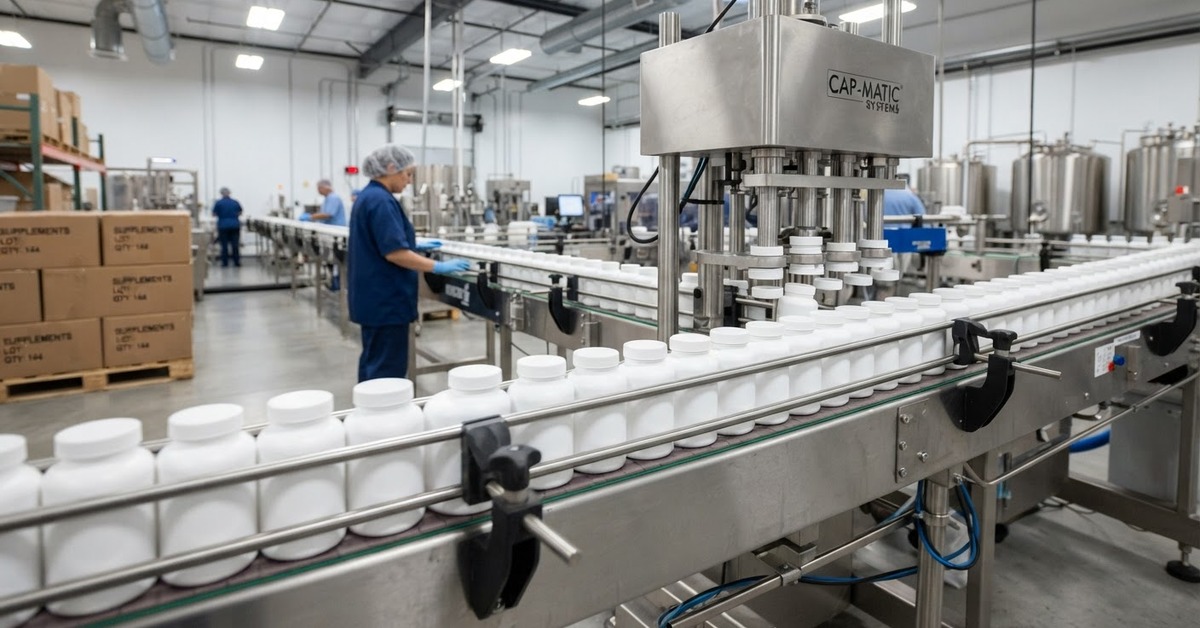
Like many dietary supplements, soluble fiber supplements undergo a structured production process designed to ensure quality, consistency, and safety. Manufacturing begins with the careful sourcing of raw materials from qualified suppliers.
Before entering the production process, fiber ingredients typically undergo testing to verify their purity, identity, and safety. This step helps confirm that the raw materials meet established quality specifications.
Once ingredients are approved, they move into the formulation stage. At this point, product developers determine the appropriate combination of fibers and serving sizes based on the intended function of the supplement. Some formulations focus on a single fiber source, while others combine multiple fibers to support broader digestive benefits.
During manufacturing, fiber ingredients are blended, processed, and converted into their final delivery format—whether powder, capsule, tablet, or gummy. Each format requires specialized equipment to maintain uniform distribution and product stability.
Reputable dietary supplement manufacturers generally operate under Good Manufacturing Practices (GMP). These internationally recognized standards help ensure that supplements are produced under controlled conditions with strict quality monitoring.
Quality control procedures often include:
- raw ingredient verification
- microbial safety testing
- potency and composition analysis
- batch traceability documentation
These steps help ensure that the final product meets label specifications and maintains consistent quality throughout its shelf life.
How to Choose a High-Quality Soluble Dietary Fiber Supplement
With a wide range of fiber supplements available in the market, selecting the right product often involves evaluating several key factors.
One of the most important considerations is ingredient transparency. A well-formulated supplement clearly lists the type of fiber used and the amount of fiber provided per serving. This information allows consumers to better understand what they are adding to their daily nutrition routine.
Another factor is the source of the fiber. Different fiber types may behave differently in the digestive system. For example, psyllium forms a thicker gel compared with some other fibers, while inulin is often valued for its prebiotic properties.
The delivery format is also worth considering. Powdered supplements offer flexible dosing and easy mixing, while capsules and gummies provide convenient on-the-go options.
Manufacturing quality should also be taken into account. Products produced in facilities that follow recognized quality standards such as GMP are generally more reliable in terms of consistency and safety.
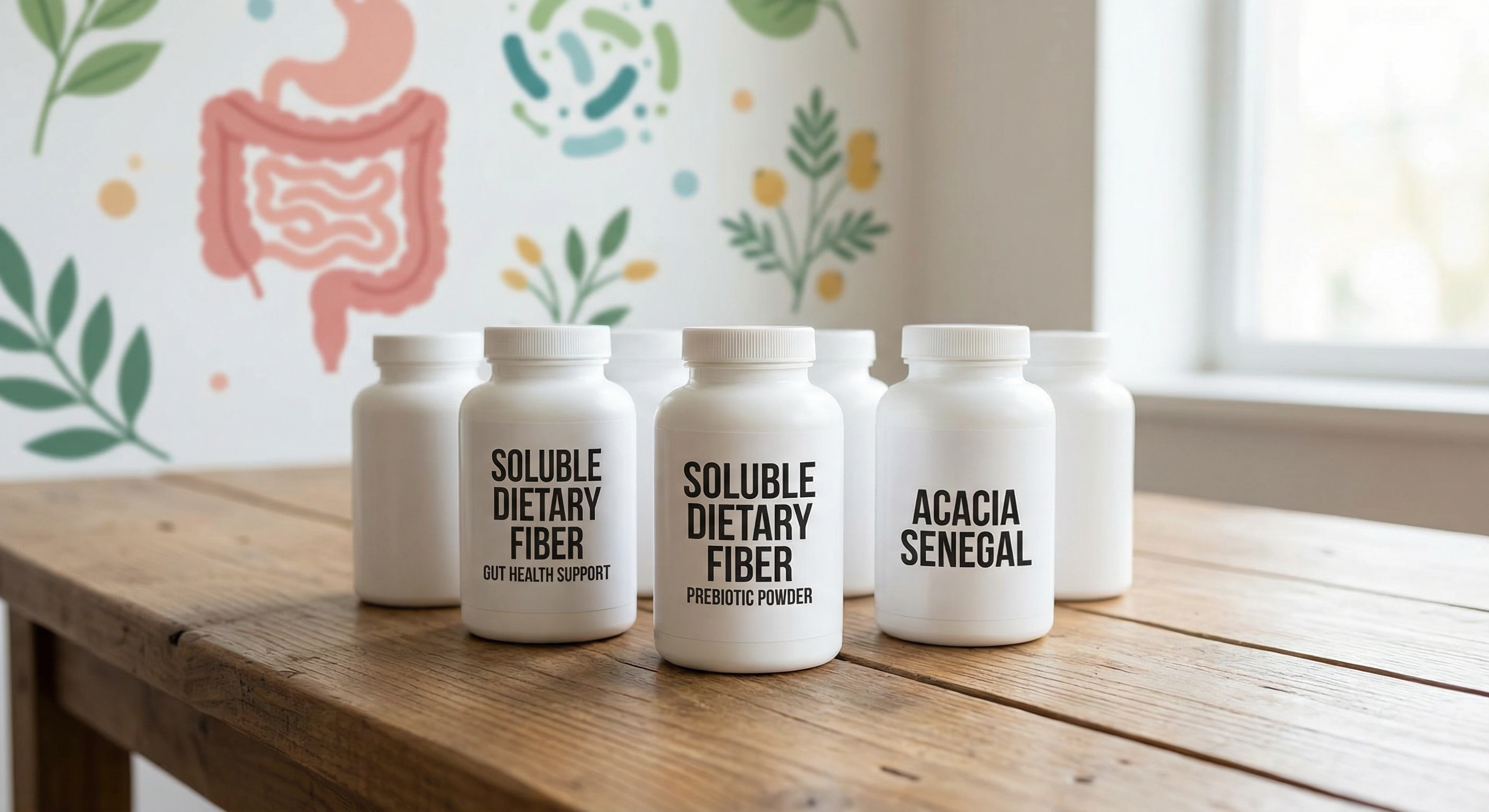
Consumers may wish to consider how the supplement fits into their overall diet. Fiber supplements are typically most beneficial when used alongside a balanced diet that already includes fruits, vegetables, whole grains, and other fiber-rich foods.
Supporting Digestive Wellness Through Balanced Nutrition
Although soluble dietary fiber supplements can be helpful for increasing fiber intake, nutrition experts widely agree that supplements should complement—not replace—a healthy diet.
Whole plant foods naturally provide a combination of soluble and insoluble fibers along with vitamins, minerals, and beneficial plant compounds. Foods such as oats, legumes, fruits, vegetables, and seeds contribute to overall digestive balance and support microbial diversity in the gut.
Hydration also plays an important role in fiber digestion. Because soluble fiber absorbs water, adequate fluid intake helps ensure that fiber moves smoothly through the digestive system.
Regular physical activity, consistent meal patterns, and stress management may also influence digestive health. When combined with balanced nutrition, these habits contribute to a more supportive environment for the gut microbiome.
Soluble fiber supplements can therefore be viewed as one piece of a broader digestive wellness strategy rather than a standalone solution.
Final Thoughts
As awareness of digestive health continues to grow, dietary fiber remains one of the most important yet often overlooked components of daily nutrition. Soluble fiber plays a unique role in supporting digestive balance, nourishing beneficial gut bacteria, and contributing to overall wellness.
Because many modern diets provide less fiber than recommended, soluble dietary fiber supplements have become a convenient option for individuals seeking to increase their fiber intake. Products made with ingredients such as psyllium husk, inulin, beta-glucan, and guar gum can help complement a fiber-rich diet.
The quality of supplement manufacturing is an essential factor in product reliability. Careful ingredient sourcing, controlled production processes, and adherence to recognized quality standards help ensure consistency and safety.
When combined with healthy eating habits, hydration, and an active lifestyle, soluble fiber supplements may play a supportive role in maintaining digestive health and promoting overall nutritional balance.
Soluble Dietary Fiber Supplement FAQ
What is a soluble dietary fiber supplement?
A soluble dietary fiber supplement is a dietary product designed to increase fiber intake. It contains fibers that dissolve in water and form a gel during digestion, helping support digestive balance.
What are the most common soluble fiber ingredients?
Common ingredients include psyllium husk, inulin, beta-glucan, pectin, and partially hydrolyzed guar gum.
How do soluble fiber supplements support gut health?
Soluble fiber can act as a prebiotic, providing nourishment for beneficial gut bacteria while also helping regulate digestion.
Can soluble fiber supplements replace dietary fiber from food?
Fiber supplements are generally intended to complement a healthy diet rather than replace natural fiber from whole foods.
When should soluble fiber supplements be taken?
Many people take fiber supplements with meals or mixed into beverages, although usage may vary depending on the product instructions.