

Interest in gut health has grown significantly over the past decade as research continues to reveal the important role the digestive system plays in overall well-being. Scientists now recognize that the human gut is home to a complex ecosystem of microorganisms known as the gut microbiome, which includes trillions of bacteria, fungi, and other microbes. These microorganisms interact with the body in many ways, influencing digestion, metabolism, immune function, and potentially other physiological processes.
Because of this growing understanding, many individuals are paying closer attention to strategies that may help support digestive balance. Alongside dietary improvements and lifestyle changes, gut health supplements have become a widely discussed option for supporting digestive wellness.
While supplements cannot replace a balanced diet or professional medical guidance, they may provide additional support in certain situations. Understanding how gut health supplements work, what ingredients they commonly contain, and how they are produced can help consumers make more informed decisions when exploring digestive health products.
The Importance of the Gut Microbiome
The gut microbiome refers to the community of microorganisms living within the gastrointestinal tract. Although these microbes are microscopic, their collective activity has a measurable influence on several important bodily functions.
One of the most widely recognized roles of the gut microbiome is its contribution to digestion and nutrient absorption. Certain fibers and plant compounds cannot be fully broken down by human digestive enzymes alone. Beneficial microbes help ferment these compounds, producing metabolites that the body can use.
The gut microbiome also interacts closely with the immune system. According to research published by institutions such as the National Institutes of Health, a large proportion of immune activity occurs in the gastrointestinal tract. A balanced microbiome may help support the body’s natural immune responses.
Recent research suggests that the human gut microbiome contains trillions of microorganisms, and scientists estimate that over 70% of the immune system is associated with the gastrointestinal tract. These findings have contributed to the growing global interest in digestive wellness and microbiome research.
Researchers have also explored connections between the gut and other systems in the body through the gut–brain axis, a communication network linking the digestive tract and the central nervous system. While research in this area is still developing, scientists continue to investigate how gut microorganisms may influence broader aspects of health.
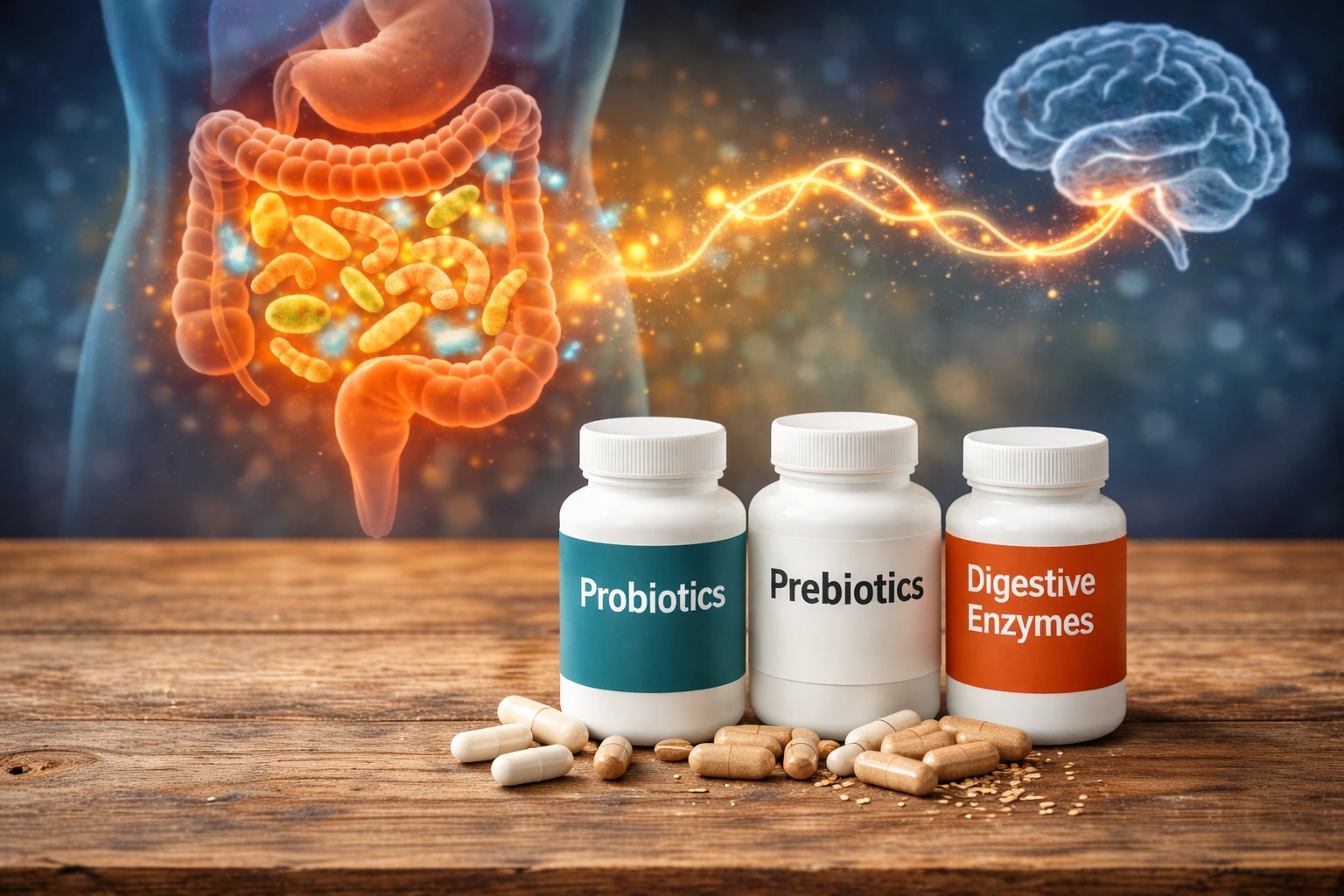
Because the microbiome is influenced by many factors—including diet, stress, sleep patterns, medications, and lifestyle habits—maintaining a balanced microbial environment can sometimes require conscious effort.
Factors That May Affect Gut Health
Digestive balance can shift over time due to changes in daily habits and environmental influences. Several factors are commonly associated with disruptions in gut microbial balance.
Diet is one of the most influential factors. Diets low in fiber and high in heavily processed foods may reduce microbial diversity, while diets rich in plant-based foods often support a wider range of beneficial microorganisms.
Stress is another factor that can influence digestive function. The digestive system and nervous system are closely connected, and periods of prolonged stress may affect digestive comfort for some individuals.
Other lifestyle factors that may influence gut health include:
- irregular eating patterns
- lack of dietary variety
- insufficient fiber intake
- changes in daily routine
- travel or lifestyle disruptions
Because of these influences, many people seek ways to support digestive balance through both dietary changes and targeted nutritional products.
What Are Gut Health Supplements?
Gut health supplements refer to a broad category of dietary supplements designed to support digestive function and microbial balance. These supplements may contain one or more ingredients that interact with the digestive system in different ways.
Unlike medications, dietary supplements are generally intended to support normal physiological functions rather than treat or cure medical conditions. Their goal is often to complement a healthy diet and lifestyle.
Common types of ingredients found in gut health supplements include:
- probiotics
- prebiotics
- digestive enzymes
- dietary fibers
- plant-based digestive compounds
Different formulations may target different aspects of digestive support, depending on the combination of ingredients used.
Probiotics: Beneficial Microorganisms
Probiotics are among the most widely recognized gut health supplements. They contain live microorganisms that are intended to support the balance of beneficial bacteria within the digestive system.
Probiotic supplements typically include bacterial strains belonging to groups such as Lactobacillus, Bifidobacterium, and sometimes Saccharomyces, a type of beneficial yeast. These microorganisms are also naturally present in certain fermented foods.
Each probiotic strain has unique characteristics, which is why many supplements combine multiple strains in a single formula. Researchers often study probiotic strains individually, and the potential effects may vary depending on the strain used.
Probiotics are commonly used by individuals who want to support digestive balance, particularly during periods when the microbiome may be influenced by lifestyle changes, dietary shifts, or other factors.
Prebiotics: Fuel for Beneficial Bacteria
While probiotics introduce beneficial microorganisms, prebiotics serve a different but complementary role. Prebiotics are types of non-digestible fibers that act as food sources for beneficial bacteria already present in the gut.
By nourishing beneficial microbes, prebiotics may help support a more balanced microbial environment. Common prebiotic ingredients include:
- inulin
- fructooligosaccharides (FOS)
- galactooligosaccharides (GOS)
- resistant starch
These compounds are also naturally found in certain foods such as garlic, onions, bananas, and whole grains.
Because prebiotics support the growth of beneficial bacteria, they are often included alongside probiotics in what are sometimes referred to as synbiotic formulations, which combine both elements.
Digestive Enzymes and Fiber Supplements
Another category of gut health supplements includes digestive enzymes. These supplements provide enzymes that assist the body in breaking down different components of food.
For example:
- amylase helps break down carbohydrates
- protease assists in protein digestion
- lipase helps digest fats
Digestive enzyme supplements are sometimes used by individuals who want to support efficient nutrient breakdown during meals.
Fiber supplements represent another widely used option for digestive support. Dietary fiber contributes to regular digestion and also plays an important role in supporting beneficial gut bacteria.
Soluble fibers such as psyllium husk, partially hydrolyzed guar gum, and certain plant fibers may help promote digestive regularity while also supporting microbiome balance.
Signs Your Gut May Need Additional Support
Digestive health can fluctuate over time due to dietary changes, stress, lifestyle patterns, and environmental influences. While occasional digestive discomfort is common, some individuals pay closer attention to their digestive habits when certain patterns appear regularly.
Common signs that may indicate digestive imbalance include:
- occasional bloating or gas
- irregular digestion
- feeling overly full after meals
- temporary digestive discomfort
- changes in bowel habits
These symptoms can have many possible causes and do not necessarily indicate a specific condition. However, they may signal that dietary habits or digestive balance could benefit from adjustments.
For many individuals, improving diet, increasing fiber intake, staying hydrated, and maintaining regular meal patterns are often the first steps toward supporting digestive health. In some cases, gut health supplements may also be considered as part of a broader wellness strategy.
Gut Health Foods That Naturally Support Digestion
Although supplements receive significant attention, nutrition experts widely emphasize that diet is the foundation of gut health. Many foods naturally support microbial diversity and digestive balance.
Fiber-Rich Plant Foods
Plant-based foods are among the most important contributors to gut microbiome health. Dietary fiber acts as fuel for beneficial gut bacteria and helps maintain normal digestive function.
Examples of fiber-rich foods include:
- oats
- beans and lentils
- apples
- carrots
- chia seeds
- flaxseeds
These foods contain compounds that beneficial microbes can ferment, producing short-chain fatty acids that help support gut health.
Fermented Foods
Fermented foods naturally contain beneficial microorganisms created during the fermentation process. These foods have been consumed in many cultures for centuries.
Common fermented foods include:
- yogurt with live cultures
- kefir
- kimchi
- sauerkraut
- miso
- kombucha
While fermented foods are not the same as probiotic supplements, they can contribute to dietary microbial diversity.
Polyphenol-Rich Foods
Polyphenols are plant compounds found in foods such as berries, tea, cocoa, and olives. Some research suggests that polyphenols may help support beneficial gut bacteria.
Examples include:
- blueberries
- green tea
- dark chocolate
- olive oil
- pomegranates
A varied diet containing fiber, fermented foods, and plant compounds may help support a more diverse microbiome.
How Gut Health Supplements Are Manufactured
The effectiveness and reliability of gut health supplements depend not only on the ingredients used but also on how the products are manufactured. High-quality production processes are essential to ensure ingredient stability, safety, and consistency.
The development of a gut health supplement typically begins with ingredient sourcing. Raw materials such as probiotic strains, fibers, or enzyme blends are carefully selected from qualified suppliers. These ingredients undergo testing to verify their identity, purity, and microbial safety before entering the formulation process.
Many brands looking to develop digestive wellness products work with experienced dietary supplement manufacturers to ensure quality sourcing, formulation, and production standards. Professional manufacturing partners can help support the development of probiotic blends, fiber supplements, and other gut health formulas while maintaining strict quality control and regulatory compliance.
Next comes product formulation, where specialists determine the appropriate combination of ingredients and dosage levels. For probiotic supplements, particular attention is given to strain selection and the viability of microorganisms throughout the product’s shelf life.
Manufacturers may produce gut health supplements in several formats, including:
- capsules
- tablets
- powders
- sachets
- gummies
Each format requires specific processing techniques to ensure ingredient stability and uniform distribution.
During production, reputable dietary supplement manufacturers typically follow Good Manufacturing Practices (GMP). These internationally recognized standards help ensure that supplements are produced under controlled conditions that support product quality and safety.
Why Manufacturing Quality Matters
As the global dietary supplement market continues to expand, manufacturing quality has become an increasingly important factor in product reliability.
Even when two supplements contain similar ingredients, differences in manufacturing processes may influence product stability, purity, and consistency. For example, probiotic supplements require careful environmental control to maintain microorganism viability during production and storage.
Quality-focused supplement manufacturers often implement multiple layers of testing, including:
- raw ingredient verification
- microbial safety testing
- potency analysis
- stability testing
These quality control procedures help ensure that the final product contains the ingredients listed on the label and maintains its intended effectiveness throughout its shelf life.
Facilities that operate under GMP-certified manufacturing standards also follow strict documentation and traceability systems. These systems allow manufacturers to monitor production batches and maintain consistent quality across products.
For consumers and businesses alike, choosing supplements produced by reputable manufacturers can provide greater confidence in product safety and reliability.
How to Choose High-Quality Gut Health Supplements
With a wide variety of digestive health products available, selecting the right supplement may require careful consideration.
One of the first factors to evaluate is ingredient transparency. A well-formulated supplement should clearly list the active ingredients, including specific probiotic strains or fiber types where applicable.
For probiotic supplements in particular, strain identification can be useful. Different strains may have different properties, so detailed labeling helps provide clarity about the formulation.
Consumers may also consider dosage levels and formulation balance. Some gut health supplements combine probiotics, prebiotics, and digestive enzymes into a single formula designed to support multiple aspects of digestive function.
Another important factor is manufacturing quality. Supplements produced in facilities that follow recognized manufacturing standards—such as Good Manufacturing Practices—generally offer greater assurance of product consistency.
The delivery format may influence individual preference. Capsules are often convenient for daily use, while powders may allow flexible dosing and easy mixing with beverages.
Final Thoughts
The growing interest in gut health reflects a broader shift in how people view the connection between nutrition and overall wellness. Scientific research continues to explore the complex relationship between the gut microbiome, digestion, and other physiological systems.
Gut health supplements have emerged as one option for individuals seeking additional support for digestive balance. Products containing probiotics, prebiotics, digestive enzymes, and fiber may help complement healthy dietary habits when used appropriately.
Supplements are most effective when combined with foundational lifestyle practices such as balanced nutrition, adequate hydration, stress management, and regular physical activity.
Equally important is recognizing the role of high-quality supplement manufacturing. Reliable production standards, careful ingredient sourcing, and rigorous quality testing all contribute to the safety and effectiveness of dietary supplements.
As research into the gut microbiome continues to evolve, understanding both the science behind gut health and the importance of product quality can help consumers make more informed decisions when exploring digestive health supplements.
Gut Health Supplements FAQ
What are gut health supplements?
Gut health supplements are dietary products designed to support digestive balance and the gut microbiome. They often contain probiotics, prebiotics, digestive enzymes, or dietary fiber.
Do gut health supplements really work?
Some gut health supplements may help support digestive wellness, particularly when combined with a balanced diet rich in fiber and fermented foods.
What ingredients are commonly used in gut health supplements?
Common ingredients include probiotic strains such as Lactobacillus and Bifidobacterium, prebiotic fibers like inulin, digestive enzymes, and plant-based fibers.
How long does it take for gut health supplements to work?
Individual responses vary. Some people may notice digestive improvements within a few weeks, while others may require longer periods of consistent use.
Are gut health supplements safe?
Most gut health supplements are generally considered safe for healthy individuals when used according to label instructions. However, individuals with medical conditions should consult a healthcare professional.