
When it comes to maintaining good health, vitamins play a crucial role in supporting a variety of bodily functions. Among the many essential vitamins, Vitamin A, Vitamin D, and Vitamin E stand out as powerful fat-soluble nutrients that offer a range of benefits, from boosting the immune system and supporting bone health to protecting the skin and enhancing vision. These vitamins are indispensable for overall well-being, but with so much conflicting advice available, it can be challenging to know which one to prioritize in your supplement routine.
Each of these vitamins serves unique functions within the body, and understanding their individual roles is key to determining which one is best suited to your health needs. For example, while vitamin A is known for its benefits in vision and skin health, vitamin D plays a critical role in bone strength and immune function. On the other hand, vitamin E, with its potent antioxidant properties, is essential for protecting cells from damage and promoting healthy skin.
So, how do you decide whether to take Vitamin A, D, or E? Should you focus on one specific vitamin, or is a combination the best approach? This expert guide will provide a detailed breakdown of Vitamin A, Vitamin D, and Vitamin E, comparing their advantages, potential side effects, and recommended dosages to help you make an informed decision based on your individual health goals and lifestyle.
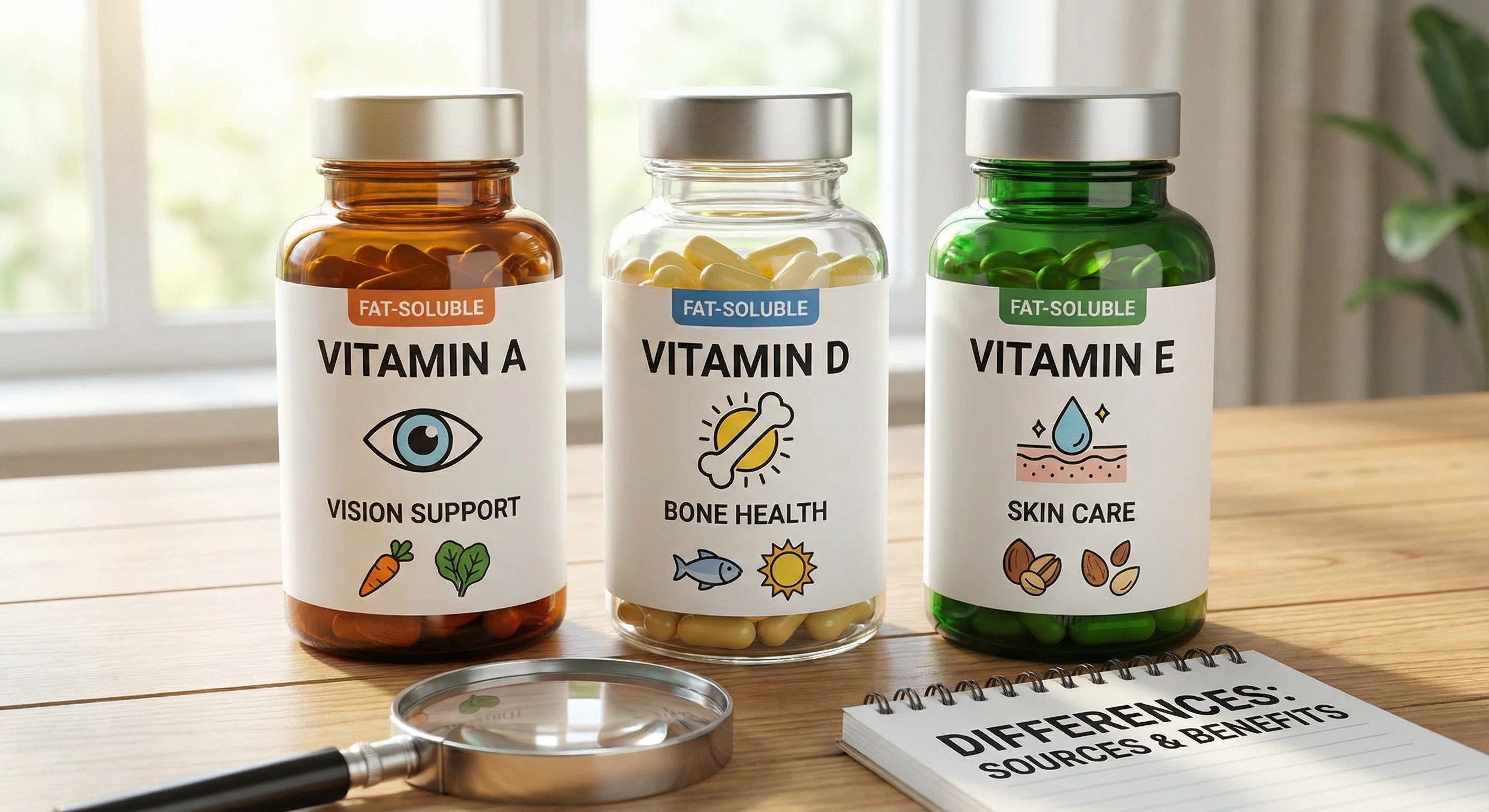
In the following sections, we will take a deep dive into each of these vitamins, explaining their benefits, potential risks, and who should consider adding them to their daily routine. Whether you are looking to improve bone health, support vision, or enhance skin health, understanding the
1. Vitamin A: Essential for Vision, Immune Health, and Skin Repair
What is Vitamin A?
Vitamin A is a fat-soluble vitamin that is essential for a variety of bodily functions. It exists in two primary forms: preformed vitamin A (retinol), which is found in animal products like liver, fish, and dairy, and provitamin A (carotenoids), which are found in plant-based foods like carrots, spinach, and sweet potatoes. The body can convert carotenoids like beta-carotene into active vitamin A.
Benefits of Vitamin A
-
Vision: Vitamin A is most well-known for its role in vision. It is a key component of rhodopsin, a pigment in the retina necessary for night vision. A deficiency in vitamin A can lead to night blindness, making it difficult to see in dim light.
-
Immune System: Vitamin A helps maintain the integrity of the skin and mucous membranes, which act as the body's first line of defense against infections. It also helps regulate the immune system and supports the production of white blood cells.
-
Skin Health: Vitamin A plays a crucial role in the regeneration of skin cells. It helps prevent skin dryness and thickening (keratinization) and is essential for wound healing. It is commonly used in the treatment of acne and other skin disorders.
Disadvantages of Vitamin A (Side Effects)
While vitamin A is essential for health, too much can lead to hypervitaminosis A, a condition caused by vitamin A toxicity. Since it is fat-soluble, excess amounts of vitamin A are stored in the liver and can accumulate over time.
Symptoms of Vitamin A Toxicity Include:
-
Nausea and vomiting
-
Headaches and dizziness
-
Skin irritation and peeling
-
Joint pain and swelling
-
Liver damage (in severe cases)
-
Birth defects (if consumed excessively during pregnancy)
Safe Dosage of Vitamin A
The recommended daily intake (RDI) for vitamin A depends on age, gender, and health conditions:
-
Adult men: 900 mcg RAE (retinol activity equivalents) per day
-
Adult women: 700 mcg RAE per day
-
Pregnant women: 770 mcg RAE per day
-
Lactating women: 1,300 mcg RAE per day
The upper intake level (UL) for vitamin A is 3,000 mcg RAE per day for adults. Exceeding this amount can lead to toxicity, so it’s important to follow the recommended dosage.
2. Vitamin D: Crucial for Bone Health and Immune Function
What is Vitamin D?
Vitamin D is another fat-soluble vitamin that is important for maintaining bone health and supporting the immune system. Unlike other vitamins, the body can produce vitamin D when exposed to sunlight, which is why it’s often referred to as the “sunshine vitamin.” It is also found in foods like fatty fish, fortified dairy products, and egg yolks.
Benefits of Vitamin D
-
Bone Health: Vitamin D is essential for calcium absorption in the intestines. Without sufficient vitamin D, the body cannot absorb enough calcium, which can lead to weakened bones and conditions like osteomalacia (softening of the bones) and rickets (bone deformities in children).
-
Immune System: Vitamin D plays a key role in modulating the immune system. Adequate levels of vitamin D can reduce the risk of infections and chronic diseases, including autoimmune disorders and respiratory illnesses.
-
Mental Health: Vitamin D has been linked to mood regulation, and low levels of vitamin D are associated with an increased risk of depression, fatigue, and seasonal affective disorder (SAD).
Disadvantages of Vitamin D (Side Effects)
Excessive intake of vitamin D can cause hypervitaminosis D, leading to elevated blood calcium levels (hypercalcemia). This condition can cause a range of symptoms and complications.
Symptoms of Vitamin D Toxicity Include:
-
Nausea and vomiting
-
Weakness and fatigue
-
Kidney damage and kidney stones
-
Bone pain
-
Confusion or cognitive impairment
Chronic high-dose vitamin D supplementation can also lead to calcification of soft tissues, such as the kidneys and heart.
Safe Dosage of Vitamin D
The recommended daily intake of vitamin D depends on age and health status:
-
Adults under 70: 600–800 IU (international units) per day
-
Adults 70 and older: 800–1,000 IU per day
-
Pregnant and lactating women: 600 IU per day
The upper intake level (UL) for vitamin D is 4,000 IU per day for adults. Consuming more than this amount can increase the risk of toxicity and hypercalcemia.
3. Vitamin E: Powerful Antioxidant and Skin Protector
What is Vitamin E?
Vitamin E is a fat-soluble vitamin that acts as a potent antioxidant, helping to protect cells from oxidative damage caused by free radicals. It is found in a variety of foods, including nuts, seeds, vegetable oils, and leafy greens. Vitamin E is essential for skin health, immune function, and the prevention of chronic diseases.
Benefits of Vitamin E
-
Antioxidant Protection: Vitamin E neutralizes free radicals, reducing oxidative stress and protecting cells from damage. This can help prevent chronic diseases such as heart disease, cancer, and diabetes.
-
Skin Health: Vitamin E is commonly used in skincare products due to its ability to protect the skin from UV damage, reduce wrinkles, and promote wound healing. It is also used to improve skin hydration and reduce scarring.
-
Immune System: Vitamin E supports immune function by protecting immune cells from oxidative damage, enhancing the body’s ability to fight off infections and diseases.
Disadvantages of Vitamin E (Side Effects)
Excessive intake of vitamin E, especially from supplements, can interfere with blood clotting and increase the risk of bleeding. High doses of vitamin E can act as a blood thinner, which is a concern for individuals who take anticoagulant medications.
Symptoms of Vitamin E Toxicity Include:
-
Increased risk of bleeding and hemorrhaging
-
Nausea and diarrhea
-
Fatigue and headache
-
Muscle weakness
Long-term high doses of vitamin E supplements have also been linked to an increased risk of prostate cancer in some studies.
Safe Dosage of Vitamin E
The recommended daily intake for most adults is 15 mg (22.4 IU) per day. The upper intake level (UL) for vitamin E is 1,000 mg (1,500 IU) per day for adults to avoid toxicity.
4. Which Vitamin Should You Choose? Understanding Your Health Goals
Deciding whether to supplement with Vitamin A, D, or E largely depends on your specific health needs. Each vitamin plays a unique role in the body, and the choice of which one to take can vary based on age, lifestyle, and the health conditions you are aiming to address. Let’s take a closer look at when it might be beneficial to choose each of these vitamins.
When to Choose Vitamin A
Vitamin A is primarily used to support vision, immune function, and skin health. If you’re struggling with vision issues such as night blindness, or if you have dry, irritated skin, vitamin A may be a key nutrient for you. Vitamin A is also essential for wound healing, so if you have frequent cuts or skin issues, it may help speed up recovery.
When to take Vitamin A:
-
If you have night blindness or difficulty seeing in low-light conditions.
-
If you suffer from dry, flaky skin or acne.
-
If you are recovering from injuries or surgeries and need to improve skin healing.
However, be cautious with vitamin A supplements, as excessive intake can lead to toxicity. For most people, vitamin A from food sources (such as carrots, spinach, and liver) is enough, and supplements should only be taken under medical supervision.
When to Choose Vitamin D
Vitamin D is often referred to as the “sunshine vitamin”, as the body can produce it when exposed to sunlight. However, people living in areas with limited sun exposure or those with indoor lifestyles may struggle to get enough vitamin D. If you experience frequent bone pain, muscle weakness, or suffer from seasonal affective disorder (SAD), vitamin D supplementation could be beneficial.
When to take Vitamin D:
-
If you are frequently indoors or live in areas with little sunlight.
-
If you suffer from bone pain, muscle weakness, or have an increased risk of osteoporosis.
-
If you experience seasonal depression or fatigue related to SAD.
Vitamin D is crucial for calcium absorption, so it’s particularly important for maintaining strong bones. For older adults, those who are pregnant or breastfeeding, and people with certain health conditions, adequate vitamin D levels are essential to prevent bone-related issues.
When to Choose Vitamin E
Vitamin E is widely known for its antioxidant properties and its ability to protect the body’s cells from oxidative damage. If you’re looking for a vitamin that can help reduce signs of aging and improve skin health, vitamin E is often a top choice. It is also beneficial for immune function and supporting cardiovascular health. For people who are looking to protect skin from UV damage or reduce the appearance of scars, vitamin E supplementation might be helpful.
When to take Vitamin E:
-
If you are looking to improve skin health or reduce signs of aging like wrinkles or fine lines.
-
If you want to support heart health by protecting against oxidative damage.
-
If you need additional immune support to protect against infections.
-
If you have a poor diet lacking in healthy fats, which are necessary for the absorption of vitamin E.
Vitamin E is often included in topical skincare products for its ability to hydrate and repair the skin. If you suffer from scars or sun damage, applying vitamin E oil may help with skin regeneration. However, high doses of vitamin E supplements can be dangerous, so it's important to follow safe intake levels.
5. Factors to Consider When Choosing a Vitamin Supplement
When deciding which vitamin supplement to take, consider the following factors:
-
Diet: If your diet is already rich in foods containing vitamins A, D, and E (such as carrots, spinach, fish, fortified dairy products, nuts, and seeds), you may not need additional supplementation. Focus on getting vitamins through natural food sources whenever possible.
-
Age: As you age, your body’s ability to absorb and use vitamins may decline. For example, older adults may need higher doses of vitamin D to maintain bone health. In contrast, children may need more vitamin A for growth and development.
-
Health Conditions: If you have a medical condition that affects vitamin absorption (such as celiac disease, Crohn's disease, or osteoporosis), your healthcare provider may recommend supplements to address deficiencies.
-
Lifestyle: Individuals who spend most of their time indoors, or who live in areas with little sunlight, may need to supplement with vitamin D. On the other hand, people with skin conditions or poor vision may benefit more from vitamin A.
-
Pregnancy and Lactation: Pregnant and breastfeeding women may have increased nutritional needs, particularly for vitamin D and vitamin A, to support the health of both mother and baby. It’s important to follow a healthcare provider’s recommendations in these cases.
Conclusion
Choosing between vitamin A, D, and E largely depends on your specific health needs and lifestyle. If you are struggling with vision problems or skin health, vitamin A might be the right choice. If you’re looking to support bone health and improve immune function, vitamin D is crucial, especially if you have limited sun exposure. For skin protection, antioxidant support, and immune enhancement, vitamin E is the go-to option.
Incorporating these vitamins into your diet through foods and supplements can help ensure you are getting the necessary nutrients to maintain optimal health. However, it's important to be mindful of the risks of both deficiency and excess, and always seek professional advice when starting a new supplementation routine.
By understanding the unique benefits and potential risks of each vitamin, you can make a more informed decision about which one is best suited for your health goals. Consult a healthcare provider to ensure you are taking the correct vitamin in the right amount for your specific needs.