
What Are White Label Supplements?
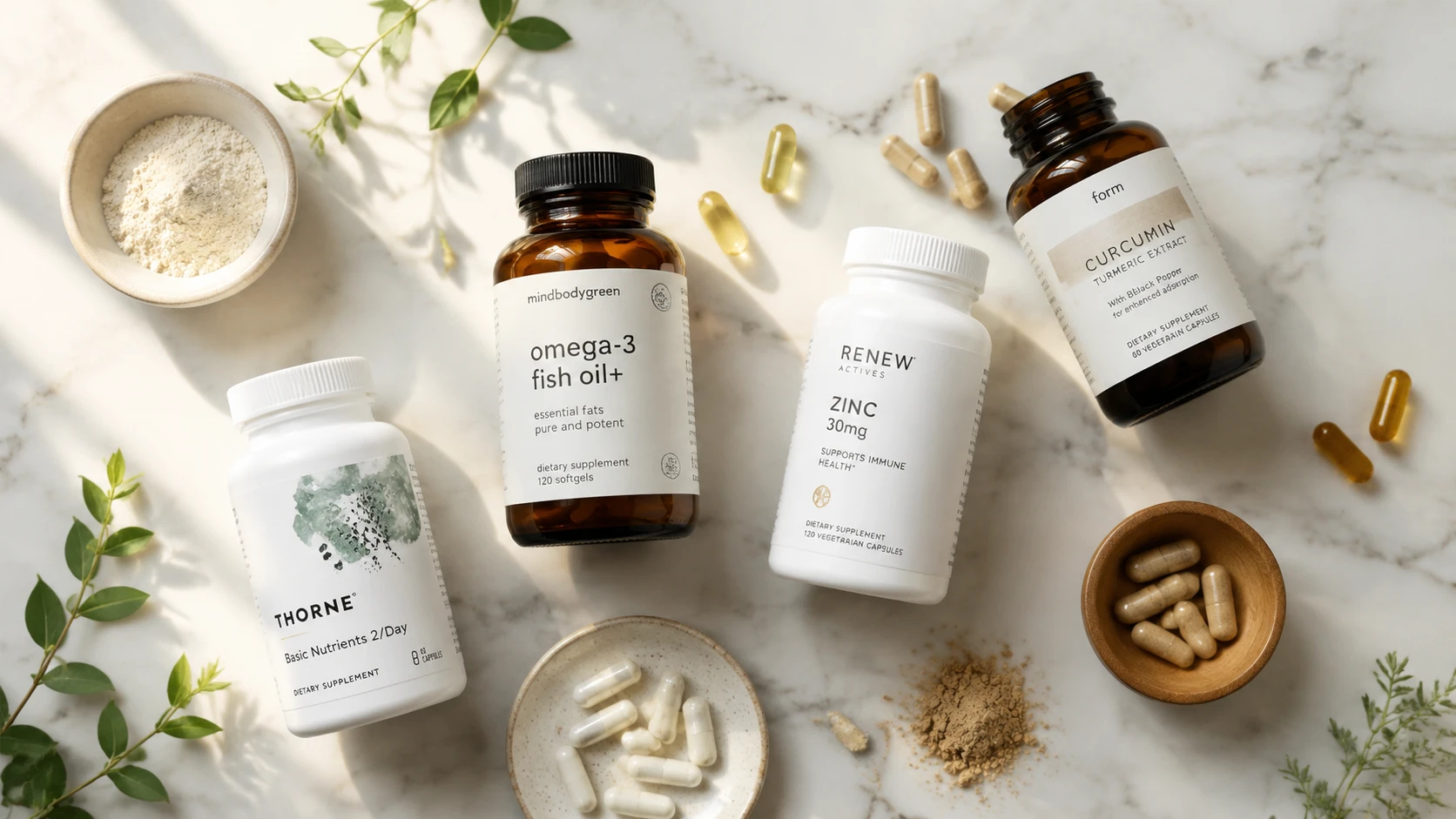
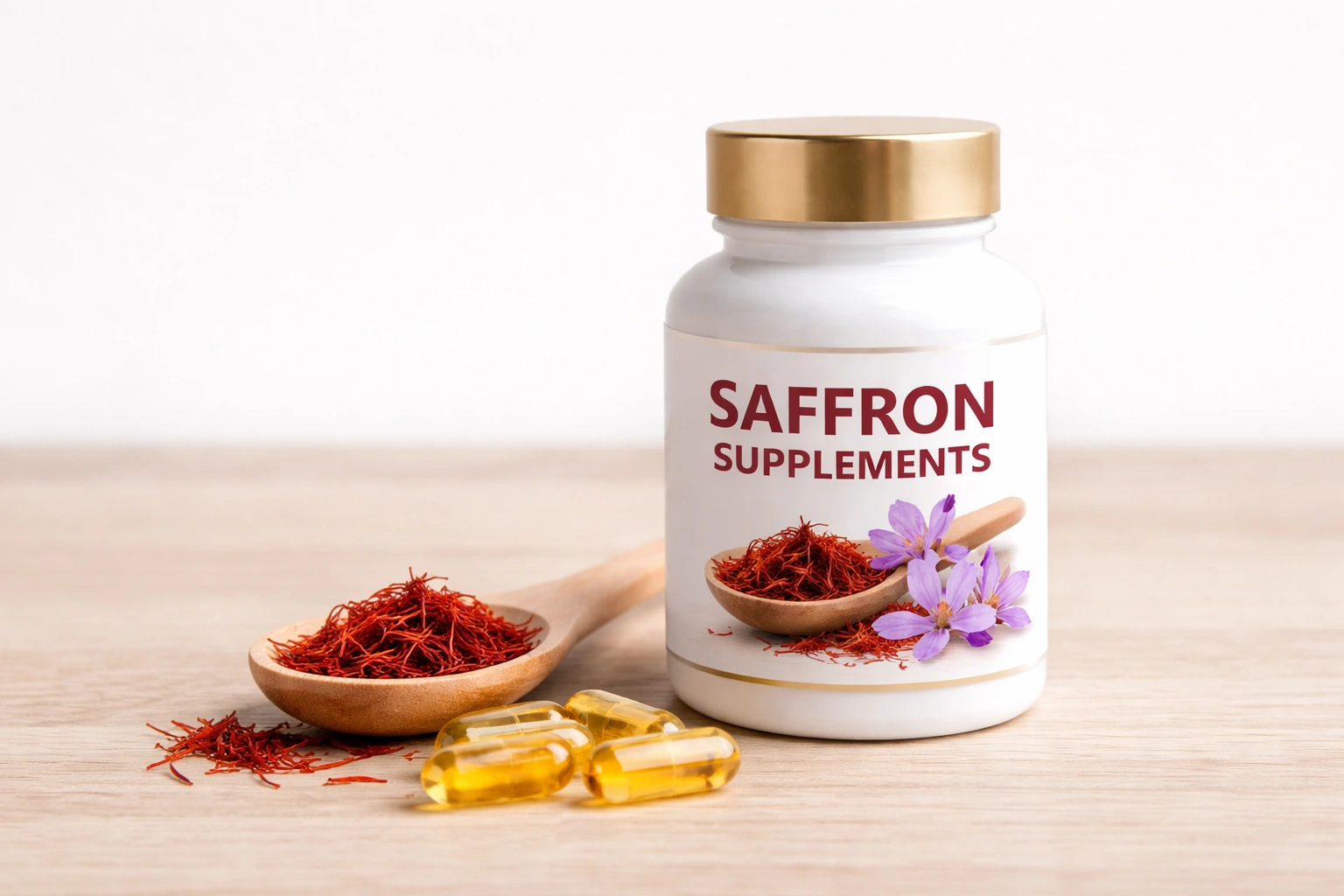
White label supplements are pre-formulated dietary products that companies can rebrand and sell under their own name. Unlike custom formulations, white label solutions remove the need for lengthy research and development, testing, and regulatory approvals. This allows entrepreneurs and established businesses to focus on marketing, distribution, and customer engagement.
For many brands, white label supplements serve as a strategic entry point into the health and wellness market, particularly when time-to-market is critical. Instead of starting from scratch, companies can leverage proven formulations, which reduces risk while ensuring product quality and efficacy.
Why the Industry Leans Toward White Label Solutions
Several market trends have accelerated the adoption of white label supplements:
-
Rising Consumer Demand for Supplements – Global awareness about health, immunity, and fitness has surged in recent years, particularly post-pandemic. Vitamins, probiotics, and functional wellness products have seen consistent growth across multiple demographics.
-
Entrepreneurial Accessibility – White label solutions lower the barrier for small businesses and e-commerce entrepreneurs, enabling them to enter competitive markets without extensive capital investment.
-
Focus on Branding and Marketing – By outsourcing production, businesses can concentrate on storytelling, customer experience, and digital marketing, which are often decisive in product success.
Common White Label Product Categories
White label supplements span a wide variety of types, each catering to distinct consumer needs:
-
Multivitamins – Popular for general wellness and preventive health.
-
Collagen and Beauty Supplements – Target skin, hair, and nail health, as well as anti-aging markets.
-
Probiotics – Support gut health and immunity, a category seeing rapid growth globally.
-
Protein Powders and Sports Nutrition – Serve fitness enthusiasts and athletes with performance-focused products.
-
Immunity Boosters – Often containing vitamin C, zinc, and herbal extracts like elderberry.
Each category has specific formulation standards, shelf-life considerations, and packaging requirements. Understanding these details is key for businesses that want to stand out while maintaining compliance.
How White Label Supplements Work and Their Benefits
The White Label Process
Working with a white label manufacturer generally follows a streamlined workflow that balances efficiency, compliance, and customization:
-
Product Selection
Businesses start by browsing a manufacturer’s catalog of pre-formulated supplements. Choices often include vitamins, herbal blends, probiotics, protein powders, and specialized wellness products. Each option is backed by scientific research and market data. -
Brand Customization
Once products are selected, brands can apply their unique identity. Customization typically includes:-
Label design, logos, and brand messaging
-
Packaging format (bottles, sachets, softgels, or liquid shots)
-
Eco-friendly or premium materials for packaging differentiation
-
-
Regulatory Compliance and Testing
Even though products are pre-formulated, brands must ensure compliance with local regulations. Manufacturers usually handle:-
GMP (Good Manufacturing Practice) adherence
-
Stability, potency, and microbial testing
-
Documentation for FDA, EFSA, TGA, or other regional requirements
-
-
Order Fulfillment and Distribution
White label manufacturers offer flexible order sizes, allowing brands to:-
Test the market with small batches
-
Scale production for international expansion
-
Leverage drop-shipping or direct-to-consumer models
-
This workflow removes the technical hurdles of supplement production while enabling brands to maintain control over the customer-facing aspects of their business.
Benefits of White Label Supplements
White label solutions offer several advantages for entrepreneurs and established businesses:
-
Speed to Market
Launching a new product line becomes faster since there’s no need for extensive R&D, formulation testing, or stability studies. -
Cost Efficiency
By eliminating upfront product development costs, businesses can allocate more resources to marketing, sales, and brand building. -
Low Operational Risk
Since formulations are already tested and manufactured in GMP-certified facilities, the risk of quality issues is minimized. -
Scalable Growth
White label products can be scaled from small local launches to international distribution without changing the core formulation. -
Focus on Branding
Companies can concentrate on storytelling, digital marketing, and customer engagement, which are increasingly critical in the competitive supplement market.
Industry Insights and Trends
Understanding broader industry dynamics is essential for leveraging white label supplements effectively:
-
Functional Nutrition is Expanding – Consumers seek products that support immunity, digestion, mental clarity, and beauty. White label providers often offer formulations aligned with these trending categories.
-
E-Commerce Dominates – Online sales channels continue to outperform traditional retail. White label solutions integrate well with direct-to-consumer strategies.
-
Sustainability Matters – Eco-conscious consumers favor brands that choose biodegradable or recyclable packaging. Manufacturers providing sustainable options have a competitive advantage.
-
Personalization is Growing – Some white label providers offer semi-customizable formulations, allowing brands to tweak ingredients, flavors, or dosages to target niche markets.
Success Cases and Market Strategies
Real-World Applications of White Label Supplements
White label supplements are not just theoretical solutions—they are widely adopted across different business models:
-
E-Commerce Entrepreneurs
Online sellers can quickly launch health-focused product lines without managing complex manufacturing processes. By leveraging white label products, they focus on digital marketing, social media campaigns, and building subscriber-based models. -
Wellness Professionals
Nutritionists, wellness coaches, and dietitians integrate branded supplements into their services. White label formulations allow them to provide tailored recommendations while maintaining professional credibility and brand identity. -
Gyms and Fitness Studios
Fitness businesses increasingly sell branded protein powders, pre-workouts, and recovery supplements. White label products create an additional revenue stream while reinforcing the studio’s brand and philosophy. -
Retailers and Specialty Stores
Health stores or specialty retailers can expand their product lines with minimal investment. White label supplements enable them to carry proven, quality products without in-house manufacturing.
Market Strategies for White Label Success
Launching a white label supplement line requires more than a quality product—it requires strategic positioning and marketing:
-
Identify Target Demographics
Understand who your ideal customers are—age, lifestyle, health concerns—and select products that resonate with their needs. -
Emphasize Transparency and Trust
Consumers increasingly demand ingredient transparency, third-party testing, and ethical sourcing. Highlight these aspects on labels, websites, and marketing channels. -
Leverage Functional Benefits
Market supplements based on tangible health benefits, e.g., “supports digestive health,” “boosts immunity,” or “enhances energy naturally.” Avoid vague claims that are non-compliant with regulatory standards. -
Integrate Multi-Channel Marketing
Combine e-commerce, social media, influencer partnerships, and offline events to maximize visibility and engagement. -
Adapt to Local and Global Regulations
If selling internationally, ensure labels, ingredient claims, and packaging meet the regulatory requirements of target markets (FDA, EFSA, TGA, etc.).
Trends Driving White Label Growth
Several industry trends support the ongoing growth of white label supplements:
-
Rapid Market Expansion – The global dietary supplement market is expected to surpass $300 billion by 2030, with immune support, beauty, and sports nutrition leading the growth.
-
Shift Toward Preventive Healthcare – Consumers are increasingly investing in wellness and preventive measures, boosting demand for supplements across demographics.
-
Preference for Convenience – Ready-to-use capsules, softgels, gummies, and liquid formats make it easier for consumers to adopt supplements into daily routines.
-
Sustainability and Clean Labels – Products featuring eco-friendly packaging and plant-based ingredients resonate with environmentally conscious consumers.
Choosing the Right White Label Supplement Partner
Selecting a reliable white label supplement manufacturer is critical to your brand’s success. The right partner ensures product quality, regulatory compliance, and scalability. Here are key factors to consider:
1. Quality Assurance and Certifications
Ensure that the manufacturer operates in GMP-certified facilities and adheres to international quality standards. Additional certifications to look for include:
-
ISO certifications – demonstrate quality management and safety compliance.
-
Third-party testing – validates potency, purity, and microbial safety.
-
Allergen and vegan certifications – appeal to niche consumer groups.
2. Regulatory Knowledge
A competent manufacturer should have experience navigating local and international regulations, including:
-
FDA (United States)
-
EFSA (Europe)
-
TGA (Australia)
-
Health Canada
This ensures your products meet legal requirements for labeling, claims, and distribution in target markets.
3. Product Range and Innovation
Manufacturers offering a broad portfolio of proven supplements give brands flexibility. Features to look for:
-
Variety of formats: capsules, softgels, gummies, powders, liquids.
-
Functional formulations: immune support, beauty, weight management, sports nutrition.
-
Innovation capabilities: semi-customizable formulas, plant-based alternatives, enhanced bioavailability technologies.
4. Manufacturing Flexibility
Evaluate whether the manufacturer can accommodate small-batch runs for testing, as well as large-scale production for global distribution. Flexibility in minimum order quantities and scalable production is essential for growth.
5. Branding and Packaging Support
A good white label partner offers:
-
Label and logo design services
-
Custom packaging options (eco-friendly, premium finishes)
-
Assistance with brand storytelling for marketing purposes
These services help your product stand out on the shelf or online while maintaining regulatory compliance.
6. Reputation and Track Record
Investigate the manufacturer’s industry reputation and past collaborations. Key indicators include:
-
Client testimonials and case studies
-
Track record of timely delivery and product consistency
-
Positive reviews from industry associations or trade shows
By carefully selecting a white label partner that excels in quality, compliance, innovation, and branding support, companies can accelerate market entry and minimize risks. This ensures that their supplement brand is positioned for both short-term success and long-term growth.
Future Trends and Strategic Insights
1. Personalization and Customization
Consumers increasingly expect products tailored to their individual health needs and lifestyles. White label manufacturers are responding with:
-
Semi-customizable formulas – brands can tweak dosages, flavors, or ingredient blends within proven formulations.
-
Digital integration – subscription services and mobile apps track user metrics and recommend personalized supplement plans.
-
Functional beverages – supplements incorporated into drinks for convenience and lifestyle alignment.
Personalization enhances customer loyalty, improves engagement, and differentiates brands in a crowded market.
2. Functional Ingredients and Scientific Validation
There is growing demand for supplements backed by scientific evidence and functional benefits. Key trends include:
-
Probiotics and gut health – ongoing research emphasizes the role of gut microbiome in immunity and mental wellness.
-
Nootropics and cognitive enhancers – products supporting focus, memory, and mental clarity.
-
Collagen and anti-aging compounds – continued growth in beauty and wellness markets.
-
Plant-based and natural ingredients – vegan, allergen-free, and clean-label options.
Manufacturers who can combine innovation with validated science help brands build credibility and meet consumer expectations.
3. Sustainability and Eco-Conscious Packaging
Environmental awareness is shaping purchasing decisions:
-
Biodegradable and recyclable packaging – single-use bottles or capsules are being replaced by eco-friendly alternatives.
-
Refillable formats – reduce waste while offering a premium customer experience.
-
Sustainable sourcing – ingredients from regenerative agriculture or ethically sourced botanicals.
Brands that integrate sustainability into their supply chain resonate strongly with millennial and Gen Z consumers.
4. E-Commerce and Direct-to-Consumer Growth
Online sales remain the dominant channel for white label supplements. Key strategies include:
-
Multi-channel marketing (social media, influencer partnerships, content marketing).
-
Subscription models for recurring revenue.
-
Integration with health data and wearable technology for personalized recommendations.
Digital-first brands can scale faster and reach global audiences efficiently.
5. Regulatory Evolution and Compliance
As markets expand, regulatory scrutiny is increasing:
-
Claims must be substantiated with research to avoid legal risks.
-
International markets require compliance with multiple regulatory frameworks.
-
Transparency in sourcing, labeling, and testing is essential for brand trust.
Staying ahead of regulatory changes ensures long-term viability and protects brand reputation.
Strategic Takeaways
-
Leverage pre-formulated products to reduce time-to-market.
-
Focus on differentiation via branding, sustainability, and personalization.
-
Invest in digital marketing and e-commerce for scale and consumer engagement.
-
Prioritize quality, transparency, and compliance to build credibility.
-
Monitor market trends to anticipate consumer needs and emerging health concerns.
White label supplements are more than a convenient entry point—they offer a dynamic pathway to innovation, growth, and global market relevance. Brands that combine strategic vision with the right manufacturing partner can thrive in an evolving, highly competitive wellness industry.