
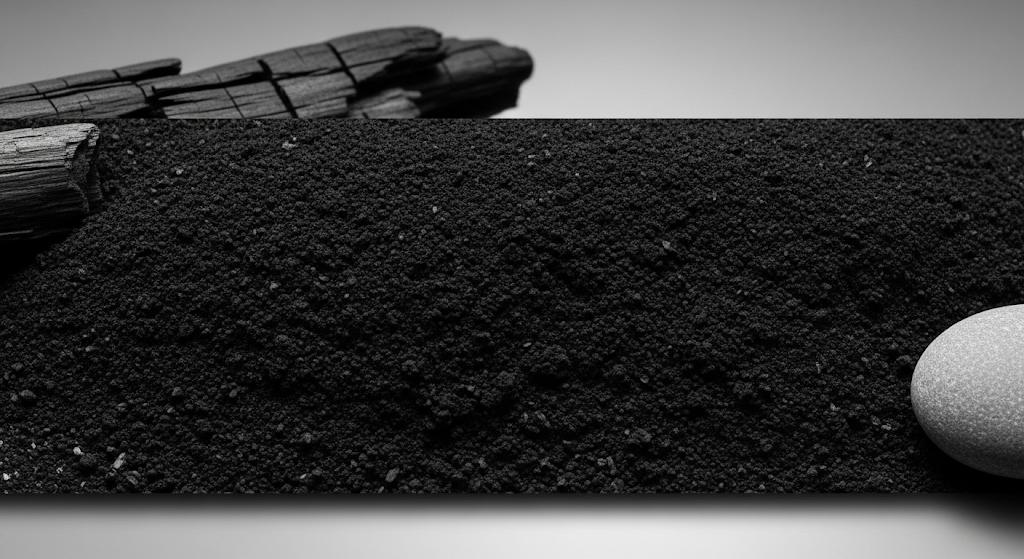
Activated charcoal is not your backyard barbecue briquettes. It's a fine, black powder made from bone char, coconut shells, peat, petroleum coke, coal, olive pits, or sawdust. This charcoal is "activated" by processing it at high temperatures with a gas or activating agent to create millions of tiny pores, which significantly increase its surface area. This porous structure is what gives activated charcoal its remarkable ability to adsorb (not absorb) substances, making it a popular ingredient in everything from emergency medicine to beauty products. Its use in detox remedies and health supplements has grown significantly, but understanding its true capabilities and limitations is key.
What is Activated Charcoal and How Does It Work?
Activated charcoal works through a process called adsorption. Unlike absorption, where one substance soaks up another, adsorption involves molecules binding to the surface of the charcoal. The extensive network of pores in activated charcoal acts like a microscopic sponge, trapping chemicals, toxins, and gases within its structure.
This unique property makes it effective in various applications:
-
Medical Use: In emergency rooms, activated charcoal is a crucial tool for treating certain poisonings and drug overdoses. It can bind to many drugs and toxins in the stomach and intestines, preventing them from being absorbed into the bloodstream.
-
Water Filtration: It's widely used in water filters to remove impurities, chlorine, and odors.
-
Odor Absorption: Its ability to trap gases makes it useful in air filters and for eliminating odors.
It's important to differentiate activated charcoal from charcoal briquettes used for grilling, which contain toxic substances and should never be consumed.
Potential Health Benefits (Based on Scientific Evidence)
While activated charcoal is highly effective in emergency situations, its purported benefits for daily health and "detox" are less scientifically supported. Here’s a look at its primary uses and the current evidence:
-
Poisoning and Drug Overdoses: This is its most well-established and life-saving application. When administered quickly after ingestion, it can significantly reduce the absorption of many poisons and drugs.
-
Kidney Health: Some research suggests activated charcoal may help reduce the toxic burden on kidneys in individuals with chronic kidney disease by adsorbing toxins that the kidneys would normally filter out. However, this is not a substitute for medical treatment.
-
Gas and Bloating: Due to its gas-trapping properties, activated charcoal is sometimes used to alleviate intestinal gas and bloating. While some anecdotal evidence exists, scientific studies have yielded mixed results, and its effectiveness can vary.
-
Cholesterol Reduction: There's limited research suggesting activated charcoal might help lower cholesterol levels by binding to cholesterol and bile acids in the gut, preventing their absorption. More robust human studies are needed to confirm this.
-
"Detox" and Toxin Removal (Limited Evidence): Many popular claims suggest activated charcoal can "detox" the body from everyday toxins, chemicals, and pollutants. However, there is little to no scientific evidence to support these claims for general detox purposes. Activated charcoal primarily binds to substances in the digestive tract and does not effectively remove toxins already absorbed into the bloodstream or stored in tissues. It also doesn't differentiate between "good" and "bad" substances, potentially binding to beneficial nutrients as well.
Recommended Doses and Usage
There is no standard recommended daily allowance (RDA) for activated charcoal for general health purposes, as its use is typically specific to certain conditions or situations.
-
For Poisoning: Doses are high and administered under strict medical supervision in emergency settings.
-
For Gas and Bloating: If used, follow product-specific instructions. Typical doses might range from 500 mg to 1 gram, taken before or after meals.
-
As a Supplement: Doses vary widely among products.
Always follow the instructions on the product label if you choose to use activated charcoal supplements.
Safety, Side Effects, and Interactions
According to the NIH Office of Dietary Supplements (ODS), activated charcoal is generally considered safe for short-term use, especially in medical emergencies. However, prolonged or improper use can lead to side effects and concerns:
-
Constipation: This is the most common side effect. Activated charcoal can solidify bowel contents, making them difficult to pass.
-
Black Stools: It will turn stools black, which is harmless but can be alarming.
-
Dehydration: Due to its adsorptive properties, it can contribute to dehydration if not accompanied by sufficient fluid intake.
-
Nutrient Malabsorption: Because activated charcoal doesn't discriminate, it can bind to essential nutrients (vitamins, minerals), medications, and even beneficial bacteria in the gut, potentially leading to deficiencies if used regularly.
-
Interference with Medications: This is a critical concern. Activated charcoal can significantly reduce the effectiveness of many oral medications, including birth control pills, antidepressants, heart medications, and supplements, by binding to them and preventing their absorption. It should generally be taken at least 1-2 hours apart from any other medications or supplements.
-
Aspiration Risk: If inhaled (e.g., from powders), it can cause serious lung problems.
-
Contraindications: It should not be used in cases of intestinal obstruction, slowed digestion, or when the poisoning involves corrosive substances (like strong acids or alkalis) or petroleum products, as it may worsen conditions or be ineffective.
It is crucial to consult a healthcare professional before using activated charcoal, especially if you have any pre-existing health conditions or are taking medications.
How to Choose and Use Dietary Supplements
If you are considering activated charcoal for non-emergency uses, keep these points in mind:
-
Consult a Professional: Always discuss its use with your doctor or a qualified healthcare provider. They can advise if it's appropriate for your specific needs and potential interactions.
-
Understand Its Limitations: Do not rely on activated charcoal for general "detox" or as a cure-all. Its primary benefit is its adsorptive capacity in specific situations.
-
Timing is Key: If taking it alongside other medications or supplements, ensure a significant time gap (at least 1-2 hours) to avoid reducing their effectiveness.
-
Quality Matters: Choose products from reputable manufacturers that are transparent about their sourcing and processing, and ideally have third-party testing for purity.
-
Stay Hydrated: Drink plenty of water when using activated charcoal to help prevent constipation.
Conclusion
Activated charcoal is a powerful adsorptive agent invaluable in medical emergencies for certain poisonings and overdoses. While it may offer some benefits for gas, bloating, and certain kidney conditions, its widespread use for general "detox" or as a daily supplement is not supported by strong scientific evidence and carries risks, particularly concerning nutrient and medication interference. Always approach its use cautiously and under the guidance of a healthcare professional to ensure safety and effectiveness.
Authoritative Information Source:
-
NIH Office of Dietary Supplements (ODS): Activated Charcoal (Note: ODS does not have a dedicated "Fact Sheet for Consumers" specifically for Activated Charcoal in the same way it does for vitamins/minerals. Information is often found within broader resources or medical texts they reference. For this reason, the reference is to the general authoritative body.)
-
Link: https://ods.od.nih.gov/ (As a direct consumer fact sheet on activated charcoal is not prominently listed, the primary ODS site serves as the overall authoritative source for general supplement information.)