Quick answer: Multi-functional fat burners combine ingredients that act on different metabolic pathways, usually green tea catechins with caffeine for thermogenesis and green coffee chlorogenic acids for glucose handling. The evidence is modest: small effects on energy expenditure and fat oxidation, strongest when combined with exercise and a calorie deficit. They are supplements, not treatments, and label transparency matters more than the ingredient count.
What a multi-functional fat burner is, and what it is not
A multi-functional fat burner is a supplement that stacks two or more actives aimed at separate steps in energy metabolism. A typical stack pairs a thermogenic stimulant pathway with a glucose-handling pathway. Green tea extract (GTE) supplies epigallocatechin gallate (EGCG) plus natural caffeine. Green coffee bean extract (GCBE) supplies chlorogenic acids (CGA).
It is not a drug. It is not a treatment for obesity. In the US, dietary supplements have no pre-market approval, so no fat burner is “FDA approved.” A facility registration with the FDA is a registration, not an endorsement of the product. Anyone who tells you otherwise is either misinformed or selling something.
It is also not a substitute for a calorie deficit. The honest framing: these ingredients may add a small nudge to resting energy expenditure and fat oxidation. That nudge is easy to erase with one large meal.
How the two main mechanisms work
Thermogenesis means heat production. EGCG appears to inhibit catechol-O-methyltransferase, the enzyme that clears norepinephrine. When norepinephrine lingers at the receptor, lipolysis and energy expenditure rise slightly. Caffeine adds its own push by blocking adenosine receptors. The two actives are usually studied together, and the combination tends to outperform either alone.
Chlorogenic acid works on a different axis. It is thought to inhibit glucose-6-phosphatase and modestly reduce intestinal glucose uptake, which flattens the post-meal glucose curve. Less glucose spike means less insulin-driven storage signal. Roasting destroys much of the CGA in coffee beans, which is why the green, unroasted extract is used.
Put together, the logic is: one ingredient targets fat breakdown and energy out, the other targets carbohydrate handling and energy in. That is a reasonable formulation story. It is not a guarantee of visible results.
What the evidence actually shows
Be skeptical of dramatic claims. Meta-analyses of green tea catechins with caffeine generally report small, statistically detectable changes in energy expenditure and fat oxidation, with weight loss differences measured in fractions of a kilogram over weeks. Effects are larger in trials that include exercise. Green coffee extract trials are mixed; several show modest changes in body weight or body fat, others show nothing beyond what caffeine alone would do.
Where the evidence is weak, say so. Multi-ingredient proprietary blends are rarely tested as finished formulas. Most published data come from single ingredients at specific doses. A 5-in-1 blend is a marketing construct until someone runs a trial on that exact blend. That does not make it useless. It means the claim should be modest.
Safety signals matter too. High-dose green tea catechins have been linked to rare liver injury, mostly with concentrated extracts taken on an empty stomach. EFSA reviewed this and set intake guidance for catechins from supplements. Caffeine has well-known limits. These are formulation constraints, not footnotes.
Forms and delivery systems
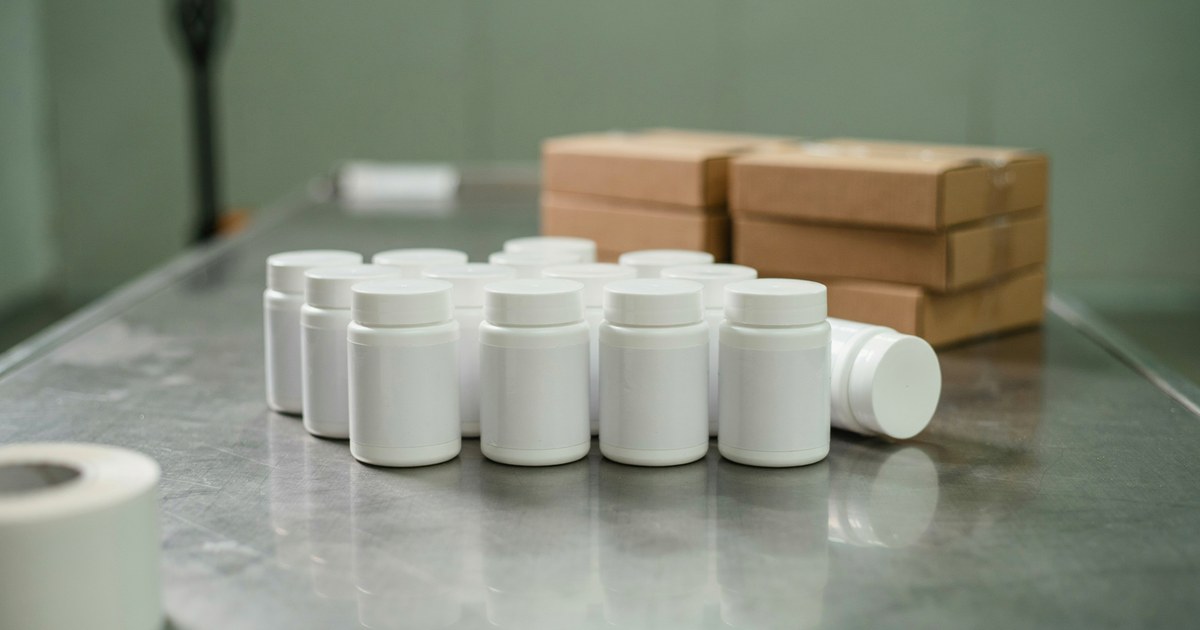
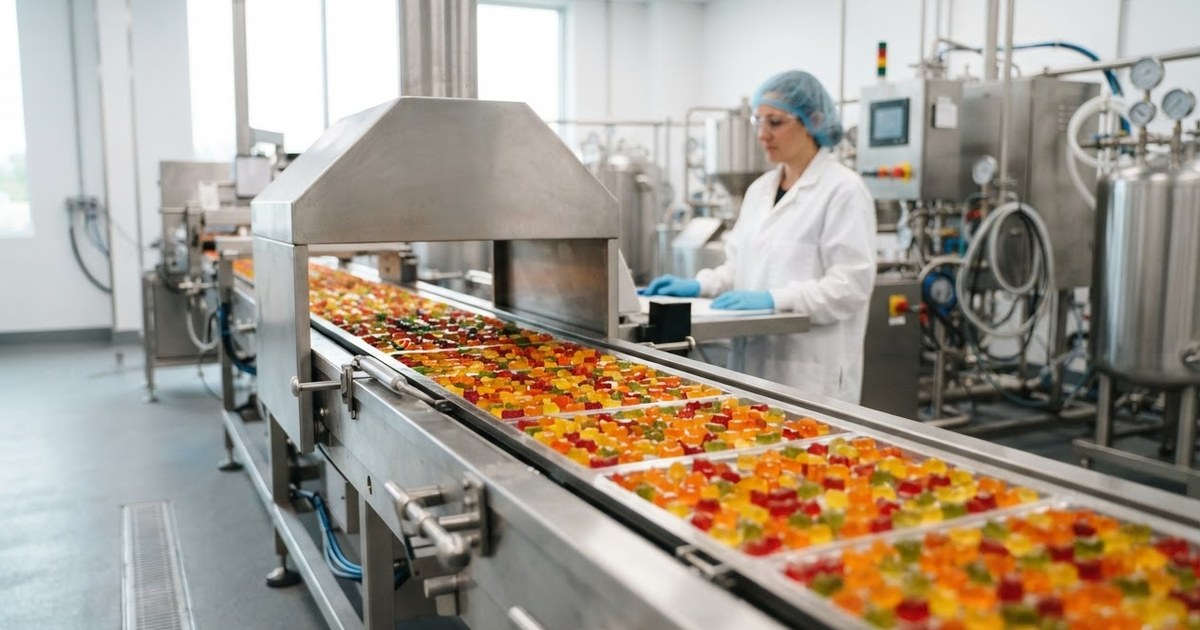
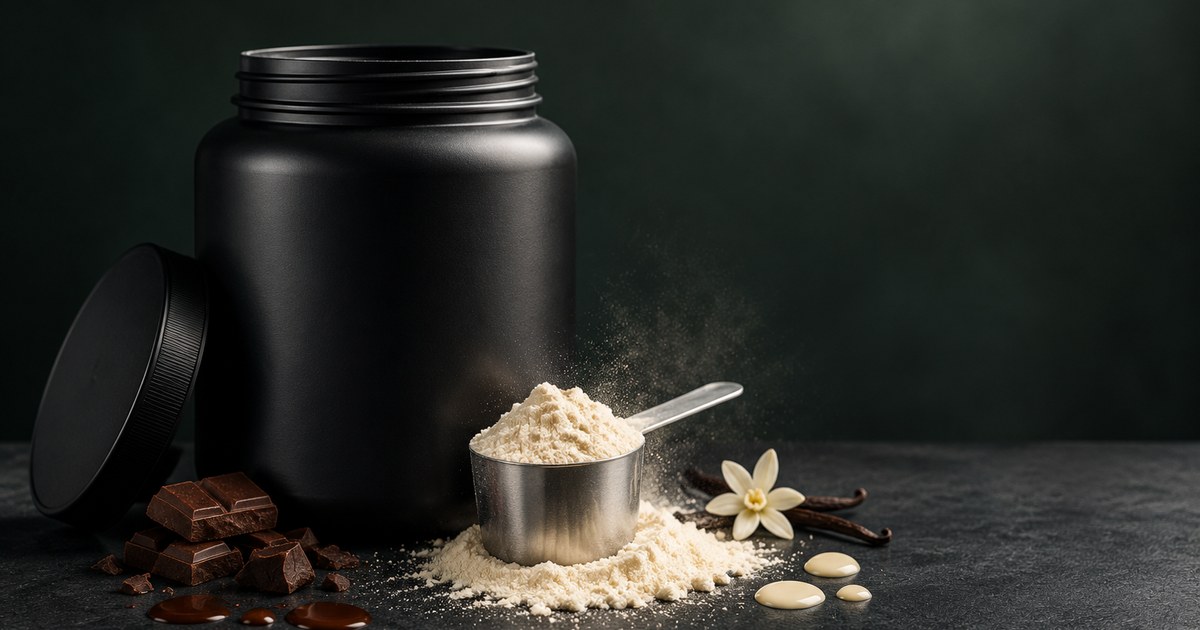
Form choice drives dose ceiling, stability and consumer experience. Capsules and softgels are the default for fat burners. Softgels suit oil-suspended actives and lipophilic extracts. Tablets allow higher compression loads but need careful excipient selection with hygroscopic plant extracts. Gummies are popular but dose per piece is low, so a multi-ingredient stack often needs several pieces, which pushes sugar or sugar-alcohol load up. Powders and stick packs work for pre-workout positioning. Effervescent tablets need a low-moisture environment and careful acid-base balance.
| Form | Typical dose ceiling per unit | Best fit | Watch-outs |
|---|---|---|---|
| Hard capsule | 500-800 mg fill | Multi-ingredient blends, standard retail | Blend density; number of capsules per serving |
| Softgel | 300-1,000 mg fill | Oil-suspended extracts, caffeine-free options | Shell interactions; pilot MOQ lower (1,000-2,000) |
| Tablet | 800-1,200 mg | High-dose single actives | Hygroscopic extracts; coating needed |
| Gummy | 100-300 mg per piece | Lifestyle and taste-led brands | Dose per piece low; sugar load |
| Powder / stick pack | 2-10 g | Pre-workout, sachet formats | Flow, taste masking, homogeneity |
Dosing and specification ranges
These are formulation starting points, not medical advice. GTE is usually standardized to 50% EGCG or to total catechins, and finished servings commonly land in the 300-500 mg extract range, with caffeine from the extract or added separately kept modest. GCBE is standardized to 45-50% chlorogenic acid, with common servings around 200-400 mg extract. Caffeine totals across the whole formula should be stated on the label, because coffee, tea and pre-workout users stack unintentionally.
| Ingredient | Standardization | Common serving range | Formulation note |
|---|---|---|---|
| Green tea extract | 50% EGCG or total catechins | 300-500 mg | Take with food; avoid empty-stomach high-dose positioning |
| Green coffee extract | 45-50% chlorogenic acid | 200-400 mg | Specify decaffeinated if stacking with caffeine |
| Caffeine (total) | Anhydrous or from extract | Declare total per serving | Sum all sources; state on label |
| Chromium | Picolinate or chloride | Trace mineral range | Check upper intake levels before adding |
Who may benefit and who should be careful
Adults who already train, sleep well and eat with structure are the population where small metabolic nudges are least likely to be wasted. People who want a capsule to replace dietary change will be disappointed, and that is not a formulation problem.
Be careful with stimulants. Anyone with hypertension, arrhythmia, anxiety disorders, or who is pregnant or breastfeeding should avoid high-caffeine fat burners. People taking medication for blood glucose or blood pressure should talk to their clinician before adding green coffee or green tea extracts. Anyone with a history of liver disease should be cautious with concentrated catechin products. These are not edge cases; they are the reason labels need clear caffeine disclosure.
Quality signals: how to read a label and a CoA
A useful label states extract standardization, the plant part, the solvent, and the total caffeine per serving. “Proprietary blend” with no per-ingredient amounts is a red flag for a brand owner and for a consumer. Look for a batch number and a manufacturing date that match the certificate of analysis.
A CoA should show identity, assay (for example EGCG or CGA percentage), heavy metals, microbial limits, and residual solvents where relevant. Every batch we ship from our Guangzhou facility includes a CoA. Ask for the actual document, not a marketing PDF. Ask whether the assay method is HPLC and who ran it.
| Test | What it confirms | Why it matters |
|---|---|---|
| Identity (botanical) | Correct species and plant part | Adulteration is common in green tea and coffee extracts |
| Assay (HPLC) | EGCG or CGA percentage | Confirms the standardization you paid for |
| Heavy metals | Lead, arsenic, cadmium, mercury | Plant extracts concentrate soil contaminants |
| Microbial limits | Total plate count, yeast, mold, pathogens | Needed for capsule and gummy release |
| Residual solvents | Extraction solvent residues | Relevant for solvent-extracted botanicals |
Common mistakes in fat burner formulation
Overloading the capsule is the classic error. A 12-ingredient blend at meaningful doses does not fit in one capsule, so doses get shaved until nothing is clinically relevant. Fewer actives at honest doses usually beats a long panel.
Second mistake: hiding caffeine. If the green tea extract contributes caffeine and you add anhydrous caffeine on top, the label must show the total. Third: ignoring taste and aftertaste in gummies and stick packs, where bitter catechins are hard to mask. Fourth: skipping stability testing, so EGCG degrades and the assay at release no longer matches the assay at expiry. Fifth: claiming FDA approval. That claim alone tells a buyer the brand does not understand the category.
How these products are made at scale
At our factory in Huadu District, Guangzhou, the process starts with incoming raw material testing. Extracts are assayed before they enter the warehouse. Formulators then run blend trials to check flow, density and homogeneity, because green tea and green coffee powders behave differently in a V-blender. Capsules are filled and weight-checked; softgels go through gelatin or vegetarian shell preparation and drying. Tablets are compressed and coated. Gummies are deposited and cured. Every batch is sampled for the CoA before release.
We have run contract manufacturing for 23 years as Zhongci Health Products Technology Development Co., Ltd., with ZOOMSHEAL as the export brand. The facility holds GMP certification audited by Intertek, ISO 9001:2015, ISO 22000:2018, HACCP, an NSF audit, line-specific Halal certification, and FDA facility registration through a US agent. MOQ starts at 500 units per SKU for gummies, powders and liquids and 1,000 for capsules, tablets and softgels, with softgel pilots at 1,000-2,000. Lead time is 4-6 weeks after formula and artwork approval; sampling takes 7-10 days.
A practical checklist before you brief a manufacturer
Write down the target serving and the total caffeine per serving. Decide whether you need a stimulant-free SKU. Choose standardization specs and ask for the CoA template up front. Confirm the form fits the dose, not the other way around. Ask about stability data for the actives you chose. Confirm which claims your regulatory path allows in your market. Budget for a pilot batch before a full run. And read the finished label as a skeptical consumer would.
Frequently asked questions
Do thermogenic fat burners really work?
They produce small, measurable changes in resting energy expenditure and fat oxidation, mainly from the green tea catechin and caffeine combination. The effect is modest and easiest to detect in trials that include exercise. No supplement replaces a calorie deficit. Expect a nudge, not a transformation, and judge the product on label honesty rather than on the size of the claim.
Is green tea extract or green coffee extract better for weight management?
They work on different pathways, so the question is slightly wrong. Green tea catechins with caffeine target thermogenesis and fat oxidation. Green coffee chlorogenic acids target post-meal glucose handling. Many formulas combine them. Published trials on each are modest in effect. Choose based on your target consumer and caffeine tolerance, not on a winner-takes-all comparison.
What does a clean label mean on a fat burner?
It means per-ingredient amounts are disclosed, extracts are standardized and named, the plant part and solvent are stated, and total caffeine appears on the panel. It also means no proprietary blend hiding doses. Clean label is a transparency standard, not a regulatory category. A short ingredient list with honest doses is usually cleaner than a long list with vague amounts.
How much caffeine is too much in a fat burner?
Regulators in several markets set intake guidance for adults, and individual sensitivity varies widely. The practical rule for formulators is to declare total caffeine from all sources on the label and keep the serving modest. Anyone with hypertension, arrhythmia, anxiety, or who is pregnant should avoid stimulant fat burners. Stacking with coffee or pre-workout is the usual cause of overconsumption.
Can fat burners be made as gummies or softgels?
Yes, but dose per unit changes the design. Softgels handle oil-suspended extracts well and allow pilot runs from 1,000-2,000 units. Gummies carry low doses per piece, so a multi-ingredient stack may need several pieces, raising sugar or sugar-alcohol content. Bitter catechins also need taste masking. Capsules remain the most dose-efficient format for blends.
What should a certificate of analysis show for these ingredients?
Identity of the botanical and plant part, assay by HPLC for EGCG or chlorogenic acid, heavy metals, microbial limits, and residual solvents where solvent extraction is used. The CoA should carry a batch number that matches the shipment. Ask for the actual document. Every batch we ship includes one, and buyers should treat a missing CoA as a stop signal.
Does FDA registration mean a fat burner is approved?
No. The FDA does not approve dietary supplements before they are marketed. Facility registration through a US agent is an administrative step. It is not an approval, and no supplement carries FDA approval. Any brand claiming otherwise is misrepresenting the regulatory status, which is a useful signal about how carefully the rest of the label was written.
What is the minimum order and lead time for a private-label fat burner?
At our Guangzhou factory, MOQ starts at 500 units per SKU for gummies, powders and liquids and 1,000 for capsules, tablets and softgels, with softgel pilots at 1,000-2,000 units. Lead time is 4-6 weeks after formula and artwork approval. Sampling takes 7-10 days. Those timelines assume raw materials are in stock and the label is final. Late artwork changes are the most common cause of delay.
References
- NIH Office of Dietary Supplements: Dietary Supplements for Weight Loss
- NIH ODS: Exercise and Athletic Performance
- PubMed: green tea catechin and caffeine meta-analyses
- PubMed: chlorogenic acid and green coffee extract trials
- EFSA: green tea catechins safety assessment
- FDA: Dietary Supplements
- EMA: herbal monograph on green tea leaf
- WHO: Obesity and overweight fact sheet
Reviewed by Dr. Xu Wei, PhD, formulation scientist at ZOOMSHEAL in Guangzhou (23 years of supplement contract manufacturing). Last updated: November 2026. This article is for education and does not replace medical advice.