Why Liquid Supplements Are Gaining Popularity
Picture starting your day with a nutrient-rich drink that energizes you and supports your overall health. This is exactly why liquid dietary supplements have surged in popularity. Unlike pills or capsules, liquids offer faster absorption, easier consumption, and the flexibility to combine multiple nutrients in a single serving. They are especially helpful for people who struggle with swallowing pills or require precise dosing.
Consumers today are increasingly health-conscious and demand supplements that are not only effective but also safe, high-quality, and convenient. This consumer awareness makes selecting a reliable liquid supplement manufacturer a strategic decision for any brand. The right partner can help bring innovative formulations to market quickly while ensuring safety, compliance, and consistent quality.
Market Trends Driving Growth
The liquid supplement market has seen rapid expansion worldwide. Several trends are fueling this growth:
1. Functional Nutrition
People are increasingly seeking supplements that target specific health goals, such as immunity, energy, mental focus, or digestive health. Liquid formulations allow the integration of vitamins, minerals, herbal extracts, and adaptogens in a single product. For example, liquid vitamin C combined with zinc and elderberry is marketed as a daily immune support shot.
2. Convenience and Lifestyle Integration
Busy lifestyles drive demand for convenient formats. Liquid supplements can be consumed on the go, mixed into smoothies, or taken directly, making them attractive to consumers with active routines. This convenience often correlates with higher adherence and satisfaction.
3. Consumer Perception and Premium Positioning
Liquids are perceived as premium products. Clear bottles showcasing vibrant colors or functional blends enhance the visual appeal and consumer trust. Brands leveraging high-quality liquid formulations often position themselves as innovative and forward-thinking in the competitive nutritional market.
4. Scientific Awareness
Modern consumers are more informed about absorption rates and bioavailability. Liquids are often absorbed faster than tablets or capsules, which is particularly appealing to health enthusiasts seeking maximum efficacy.
Types of Liquid Dietary Supplements
Different liquid supplements cater to various needs and preferences. Understanding these types helps brands design products that resonate with their target audience:
1. Immune Support Liquids
Typically contain vitamin C, vitamin D, zinc, echinacea, or elderberry. Consumers often turn to these products during cold and flu seasons or periods of high stress.
2. Energy and Cognitive Support
B-complex vitamins, L-theanine, caffeine, and adaptogens are popular in liquid energy supplements. These provide quick, convenient boosts for focus, mental clarity, and physical stamina.
3. Digestive Health Formulations
Probiotics, digestive enzymes, and prebiotics in liquid form support gut health and nutrient absorption. Liquids allow viable probiotics to reach the gut more effectively than some capsule forms.
4. Multivitamin Blends
Liquid multivitamins are suitable for all age groups, providing essential nutrients like vitamin A, D, E, K, C, and B-complex in a single serving. This format is particularly attractive for children, seniors, and those with dietary restrictions.
How to Choose a Liquid Dietary Supplement Manufacturer
Selecting the right manufacturing partner can make or break your brand’s success. The liquid supplement market is competitive, and a reliable manufacturer ensures your product meets quality standards, regulatory requirements, and consumer expectations.
1. Quality Assurance and Compliance
Quality should be your top priority. A reputable manufacturer adheres to Good Manufacturing Practices (GMP) and maintains certifications such as ISO and HACCP. Rigorous testing at every stage—from raw material sourcing to final product packaging—is essential. At ZOOMSHEAL, each batch undergoes detailed analysis to ensure purity, potency, and stability. This guarantees that the supplements you bring to market are safe and effective.
2. Custom Formulation and Flexibility
Every brand has unique needs. The ability to create custom formulas is a major advantage. Liquid supplements allow combining multiple vitamins, minerals, herbal extracts, or functional ingredients. For example, a company targeting stress reduction could create a liquid blend with magnesium, B-complex vitamins, and adaptogenic herbs. ZOOMSHEAL provides full OEM/ODM services, allowing brands to choose flavors, ingredient combinations, viscosity, and packaging to differentiate their products.
3. Transparent Communication and Support
Clear, ongoing communication is crucial. A manufacturer should guide you through the formulation process, ingredient selection, stability testing, and regulatory compliance. ZOOMSHEAL offers end-to-end support, from initial consultation to finished product delivery, ensuring your brand avoids common pitfalls and accelerates time-to-market.
4. Scalability and Production Capacity
Your manufacturer should support both small-batch production for startups and large-scale manufacturing for established brands. Scaling up without sacrificing quality or consistency is critical. With flexible production lines and robust quality systems, ZOOMSHEAL can accommodate growth while maintaining high standards.
5. Regulatory Expertise
Liquid supplements often face stricter scrutiny than tablets due to stability, preservative use, and labeling requirements. Manufacturers familiar with international regulations (FDA, EFSA, Health Canada, TGA) can ensure compliance, making your products globally market-ready.
Production Process of Liquid Supplements
Understanding the manufacturing process helps brands make informed decisions and ensures product quality: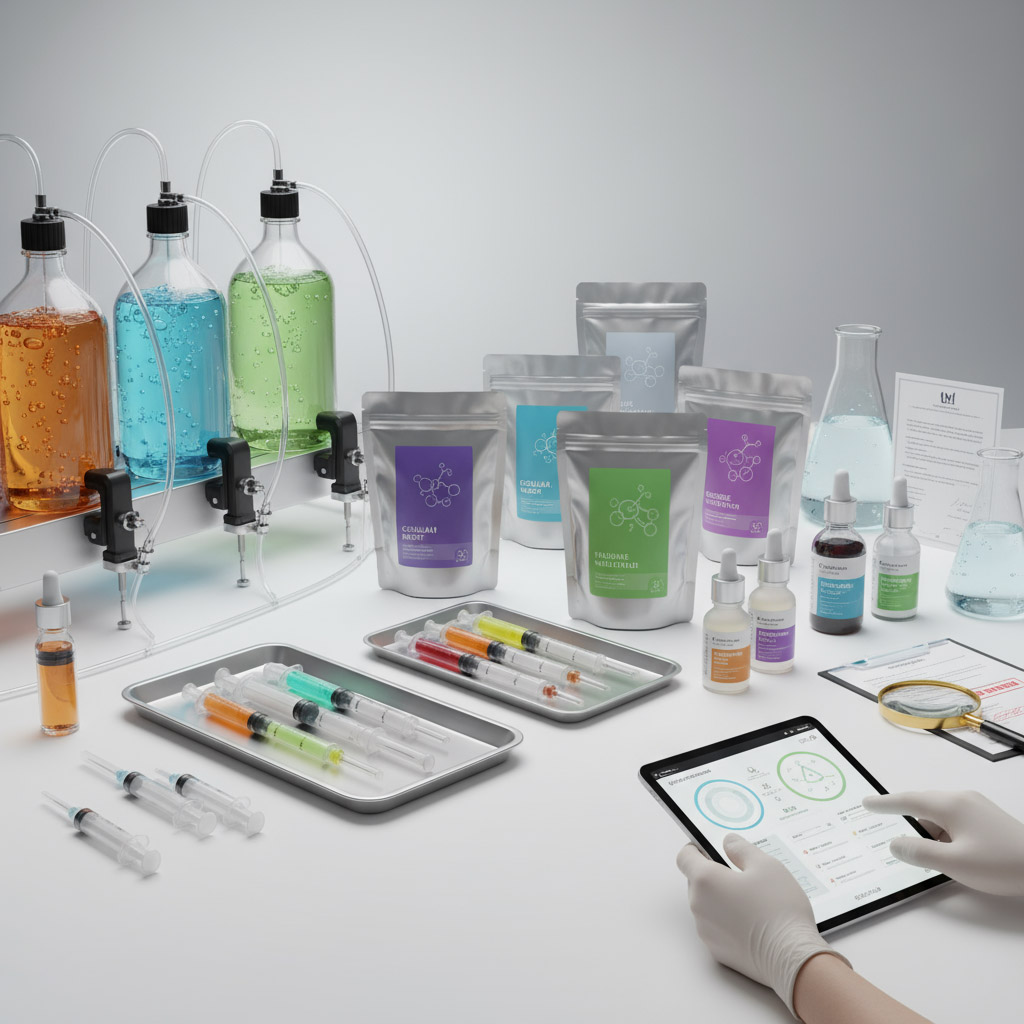
-
Formulation Design: Nutrient selection and compatibility testing, including solubility, pH stability, and taste profiling.
-
Sourcing Ingredients: Raw materials are verified for purity and potency. Third-party testing ensures authenticity.
-
Mixing and Homogenization: Precise blending ensures even distribution of nutrients in every bottle.
-
Quality Control: Each batch undergoes microbial, chemical, and stability testing.
-
Filling and Packaging: Automated bottling, sealing, and labeling with attention to hygiene and durability.
-
Final Inspection: Ensures compliance with GMP standards, accurate labeling, and absence of contaminants.
Innovation and Customization Opportunities
Liquid supplements allow creative opportunities that pills cannot:
-
Layered functional blends combining vitamins, minerals, and botanical extracts
-
Unique flavors or natural sweeteners to enhance palatability
-
Convenient single-dose formats like shots or pouches
-
Novel delivery methods such as emulsions or effervescent liquids
Brands can leverage these innovations to differentiate themselves in a crowded market. ZOOMSHEAL specializes in turning brand ideas into market-ready products with high flexibility in formulation and packaging.
Expanding Your Liquid Supplement Brand Internationally
Once your product is ready, the next challenge is entering global markets. Liquid dietary supplements are regulated differently in each country, so understanding international standards is crucial.
1. Global Regulatory Compliance
Countries have strict rules regarding labeling, ingredient safety, and health claims. For example:
-
USA: FDA requires compliance with Dietary Supplement Health and Education Act (DSHEA) standards.
-
EU: EFSA oversees permissible ingredients and labeling accuracy.
-
Canada: Health Canada mandates Natural Health Product licensing.
-
Australia: TGA governs supplement safety and manufacturing practices.
Working with a manufacturer experienced in these regulations, like ZOOMSHEAL, ensures your products meet requirements for multiple markets, avoiding costly compliance issues.
2. Packaging and Shelf Life Considerations
Liquid supplements are sensitive to light, temperature, and oxygen exposure. Packaging innovations—such as amber glass bottles, airless pumps, or single-dose sachets—can protect product integrity during shipping and storage. Brands targeting international markets should consider logistical challenges and regional preferences in packaging design.
3. Market Trends and Consumer Preferences
-
Functional beverages: Consumers are increasingly interested in supplements that double as tasty, convenient drinks.
-
Clean labels: Transparency about ingredients and sourcing builds trust.
-
Sustainability: Eco-friendly packaging and responsibly sourced ingredients appeal to environmentally conscious buyers.
By aligning product formulation, packaging, and branding with these trends, companies can capture a larger market share.
Building Long-Term Brand Success
Partnering with a professional liquid supplement manufacturer is not just about producing a product—it’s about building a brand that grows sustainably.
1. Consistency is Key
Reliable manufacturing ensures every batch meets the same high standards, which builds consumer trust and repeat purchases. ZOOMSHEAL emphasizes consistency in ingredient quality, formulation, and packaging across all production scales.
2. Innovation and Differentiation
The liquid supplement market is competitive. Brands that innovate—through unique blends, novel delivery formats, or flavor options—stand out. Leveraging a manufacturer’s R&D capabilities allows smaller brands to compete with larger players without compromising quality.
3. Strategic Marketing and Positioning
Understanding your target audience and tailoring product messaging is critical. Highlighting convenience, absorption efficiency, and functional benefits resonates with modern consumers. Transparent communication about quality and sourcing further strengthens brand credibility.
Conclusion: Partnering with Experts for Optimal Results
Choosing the right liquid dietary supplement manufacturer can make the difference between a product that thrives and one that struggles. By prioritizing quality, regulatory compliance, innovation, and brand support, companies can confidently bring high-quality liquid supplements to market.
ZOOMSHEAL exemplifies a partner that combines advanced manufacturing capabilities, flexible customization, and professional guidance, helping brands transform their ideas into successful products.
By taking a holistic approach—from formulation to packaging, market compliance to branding—you can ensure your liquid supplements not only meet consumer expectations but also build lasting brand loyalty.
References
-
National Institutes of Health (NIH) Office of Dietary Supplements. Vitamin and Mineral Facts. 2023. https://ods.od.nih.gov/factsheets/
-
Mayo Clinic. Dietary Supplements: Do They Really Work? 2022. https://www.mayoclinic.org/healthy-lifestyle/nutrition-and-healthy-eating/expert-answers/dietary-supplements/faq-20058564
-
FDA. Dietary Supplements Guidance. 2023. https://www.fda.gov/food/dietary-supplements
-
EFSA. Nutrition and Health Claims in the EU. 2023. https://www.efsa.europa.eu/en/topics/topic/claims
Reviewed by Dr. Xu Wei, PhD, formulation scientist at ZOOMSHEAL in Guangzhou (23 years of supplement contract manufacturing). Last updated: November 2026. This article is for educational purposes and does not replace medical advice.