
The global dietary supplement market is projected to reach $194 billion in 2026 and exceed $240 billion by 2028, growing at a compound annual rate of roughly 8%. E-commerce now accounts for over 35% of supplement sales — up from 22% in 2020 — creating unprecedented opportunities for new brands to launch and scale online.
But the barrier to entry has never been lower, which also means the market has never been more crowded. On Amazon alone, there are now over 50,000 supplement brands competing for customer attention. The difference between a brand that survives and one that fades away comes down to execution — specifically, how well you choose your product, manufacturer, and go-to-market strategy.
This guide covers the complete process of starting a private label supplement brand in 2026. Every section is based on current market conditions, real cost data, and the operational realities of launching a supplement business today.
What "Private Label" Actually Means in 2026
Private label manufacturing is straightforward: a manufacturer produces a supplement using their existing formulation, and you sell it under your brand name. You own the brand, the customer relationship, and the pricing. The manufacturer owns the production, quality control, and supply chain.
It's worth understanding the distinction between the two main manufacturing models because they affect your timeline, budget, and final product:
| Private Label (Turnkey) | OEM / Custom Formulation | |
|---|---|---|
| Formula | Manufacturer's existing formula | Developed specifically for your brand |
| Time to launch | 4-6 weeks | 10-20 weeks |
| Minimum order | 1,000 - 1,000 units | 5,000 - 20,000+ units |
| Startup cost (1 SKU) | $3,000 - $10,000 | $15,000 - $50,000 |
| Differentiation | Low (others can use same formula) | High (unique to your brand) |
| Best for | First-time brand owners | Established brands or niche products |
Most successful supplement brands follow a progression: launch with one or two private label products to validate demand and build cash flow, then transition to custom formulations as the brand grows. This approach minimizes initial risk while leaving room for long-term differentiation.
Step 1: Select the Right Category
Category selection determines your manufacturing complexity, margin structure, customer acquisition cost, and long-term scalability. The right category for a new brand balances three factors: sufficient demand, reasonable competition, and manageable startup costs.
Top Categories for New Supplement Brands in 2026
| Category | 2026 Market Context | Est. Startup Cost (1 SKU) | Margin Potential |
|---|---|---|---|
| Magnesium Glycinate | Search volume up 200% since 2023; still growing. Low formulation risk. Broad demographic appeal. | $3,000 - $7,000 | 60-75% |
| Vitamin D3 + K2 | Universally recommended by doctors. Low COGS ($0.50-1.50 per bottle). Easy entry. | $2,000 - $5,000 | 70-85% |
| Ashwagandha (KSM-66) | Adaptogen category growing at 8.5% CAGR. Strong social media tailwind. | $3,000 - $7,000 | 65-75% |
| Lion's Mane Mushroom | Functional mushrooms growing at 9-10% CAGR. Still relatively few competitors. | $4,000 - $9,000 | 60-70% |
| Collagen Peptides | $4.5B market in 2024, projected $7.5B by 2027. Subscription-friendly. | $5,000 - $12,000 | 55-70% |
| Algae Omega-3 (Vegan) | Plant-based omega-3 growing at 12-15% CAGR. Premium price point. | $6,000 - $15,000 | 55-65% |
Categories to Approach with Caution
General multivitamins. The market is dominated by established players (Nature Made, Garden of Life, NOW Foods) with massive distribution and pricing power. The cost to acquire customers against these brands is prohibitively high for most startups.
Weight loss supplements. Regulatory scrutiny is intense. The FTC and FDA actively pursue enforcement actions in this category. Label claims are heavily restricted, and consumer trust is low due to decades of questionable products.
Testosterone boosters. Similar regulatory concerns, plus a high rate of customer dissatisfaction and returns. Many platforms (Amazon, Facebook) restrict or prohibit advertising for this category.
How to Evaluate a Category Before Committing
- Search volume: Use a tool like Ahrefs or Semrush to check monthly search volume for your target category keywords. Look for at least 10,000 monthly searches for the primary term.
- Amazon competition: Search your target category on Amazon. If the first page is dominated by brands with 5,000+ reviews, the barriers are high. Look for categories where top products have 500-2,000 reviews — these are more accessible.
- Price floor: What's the lowest price for a product in this category? If established brands are selling at $10-12, your margin will be thin after advertising costs.
- Repeat purchase potential: Is this a daily-use product? Categories with daily consumption (magnesium, probiotics, collagen) have much higher customer lifetime value than occasional-use products.
Step 2: Find the Right Manufacturing Partner
Your manufacturer determines your product quality, your cost structure, your compliance readiness, and your ability to scale. Choosing a manufacturing partner is the most important operational decision you will make.
Manufacturer Evaluation Criteria
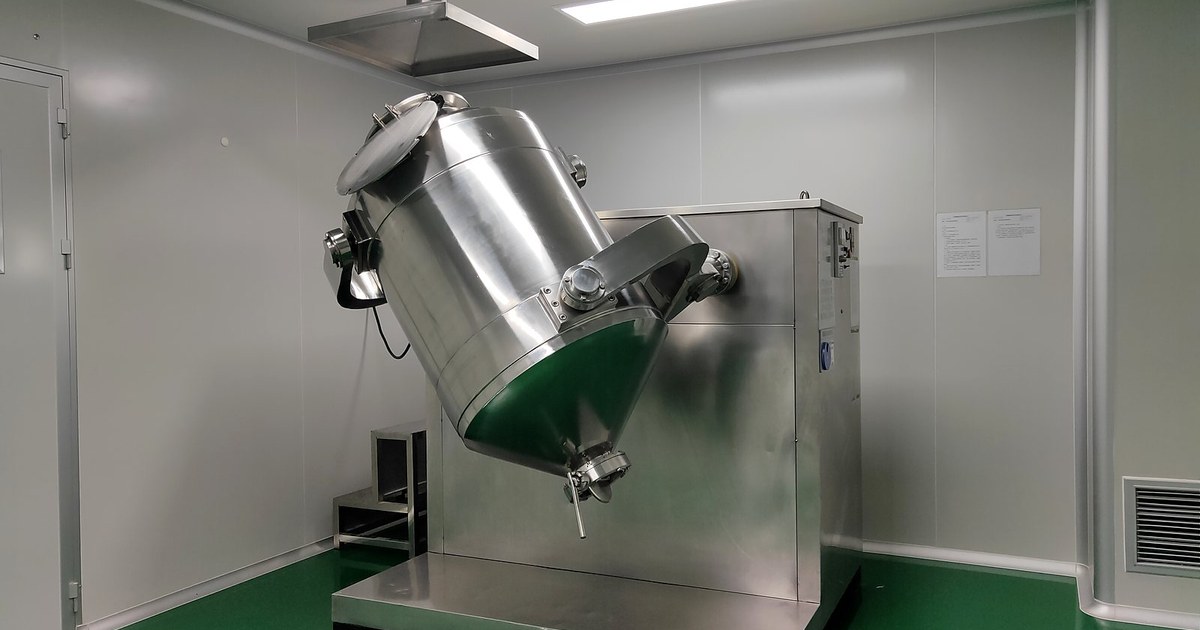
Certifications. GMP certification is the baseline. In the supplement industry, GMP (Good Manufacturing Practice) certification means the facility meets FDA-established standards for dietary supplement production. Without it, you cannot credibly sell supplements in most markets. Additional certifications like HACCP, ISO 22000, or organic certification are valuable but depend on your target market.
Category experience. A manufacturer who specializes in capsules may not have the right equipment or expertise for gummies, softgels, or powders. Ask for samples of products in your specific category. If they can't provide relevant samples, move on.
Minimum order quantities. MOQs vary dramatically — from 500 units to 50,000 units. For a first-time brand, an MOQ of 1,000-1,000 units per SKU is ideal. Higher MOQs mean more capital tied up in inventory and more risk if the product doesn't sell.
Communication responsiveness. Time your initial inquiry. If it takes them 3-4 days to respond to a new prospect, imagine what it's like when you're an existing client with a production issue. Aim for manufacturers who respond within 24 hours.
Transparency on costs. A reliable manufacturer will provide a clear breakdown of costs: raw materials, encapsulation/packaging, labeling, testing, and shipping. Avoid manufacturers who give vague quotes or refuse to break down pricing.
How to Vet a Manufacturer
- Request certificates: Ask for GMP certification, business license, and any relevant export documentation. Verify the certificates are current.
- Request samples: Any reputable manufacturer will send product samples. Evaluate taste, appearance, packaging quality, and label accuracy.
- Request a facility tour (virtual or in-person): Most manufacturers will do a video tour of their facilities. Pay attention to cleanliness, organization, and equipment condition.
- Check references: Ask for contact information for 2-3 current clients. Follow up and ask about their experience — especially regarding lead times, quality consistency, and problem resolution.
- Request third-party testing results: A manufacturer who tests their products independently is more reliable than one who only does in-house testing.
Red Flags
- No GMP certification or unwilling to share documentation
- Prices significantly below market average
- Reluctant to provide samples
- Vague answers about ingredient sourcing or origin
- No experience exporting to your target market
- Poor English communication (if that's your business language)
Step 3: Understand Your Real Costs
Many first-time brand owners underestimate total startup costs. Here is a realistic breakdown based on actual 2026 pricing from Chinese and US-based supplement manufacturers.
Cost Breakdown for a Single Private Label SKU
| Item | Low End | High End | Notes |
|---|---|---|---|
| Formulation (turnkey) | $0 | $500 | Most manufacturers include this free for private label |
| Raw materials + production (per bottle) | $2.50 | $8.00 | Depends on ingredients and capsule count |
| Glass bottle (custom, 60-120 count) | $0.80 | $2.50 | Amber glass is standard for supplements |
| Label / shrink sleeve | $0.30 | $1.20 | Full-color labels with custom design |
| Label design (one-time) | $200 | $1,500 | Freelancer (Fiverr, Upwork) vs. agency |
| Third-party lab testing | $400 | $2,500 | Potency + purity + heavy metals + microbiology |
| Shipping + customs (China → US) | $200 | $800 | Depends on order volume and shipping method |
| Product liability insurance (annual) | $800 | $3,000 | Required by Amazon, recommended for all brands |
Total first-run investment (1,000-1,000 units): $5,000 to $20,000
This does not include website development, Amazon seller account fees, photography, or initial marketing spend — which can easily add another $3,000-10,000.
Pricing Math That Works
The supplement industry standard follows a simple formula:
- Landed cost = manufacturing + packaging + shipping + duties
- Wholesale price = landed cost × 3 to 5
- Retail price = wholesale price × 2
Real example (Magnesium Glycinate, 120 capsules):
- Landed cost per bottle: $6.50
- Wholesale price: $26.00
- Retail price: $35.00
- Amazon fees: ~$9.00 per sale (referral + fulfillment)
- Gross profit per unit (DTC): $28.50 (81% margin)
- Gross profit per unit (Amazon): $20.00 (57% margin)
This margin structure leaves room for advertising (typically 15-30% of revenue), unexpected costs, and still produces a profitable business. If your numbers don't look similar to this, your product pricing or cost structure needs adjustment.
Step 4: Get Compliance Right from Day One
Supplement regulations are complex and vary by market, but the brands that fail are almost always the ones that cut corners on compliance. Getting it right from the beginning protects your business and builds customer trust.
United States (FDA Requirements)
Under the Dietary Supplement Health and Education Act (DSHEA), dietary supplement manufacturers and distributors are responsible for ensuring their products are safe before they go to market. Key requirements:
- Every label must include a Supplement Facts panel with serving size, amount per serving, and percent daily value
- Ingredients must be listed in descending order by weight
- The label must include a descriptive product name that is not misleading
- The manufacturer, packer, or distributor's name and place of business must appear on the label
- The net quantity of contents must be stated
- Disease claims are prohibited. You cannot state or imply that your product diagnoses, treats, cures, or prevents any disease
Structure-function claims (e.g., "supports immune health") are permitted but must be accompanied by the FDA disclaimer: "This statement has not been evaluated by the Food and Drug Administration. This product is not intended to diagnose, treat, cure, or prevent any disease."
European Union Requirements
The EU has stricter supplement regulations than the US. Key differences:
- Novel Food authorization required for ingredients not widely consumed before May 1997
- Maximum permitted levels for vitamins and minerals
- Approved health claims list (EFSA-reviewed) — you can only use claims that have been scientifically approved
- Country-specific variations (France, Germany, and Italy each have additional requirements)
Practical Compliance Steps
- Hire a regulatory consultant to review your label before printing. This typically costs $300-800 and is the best money you'll spend in your startup phase.
- Get product liability insurance. Most e-commerce platforms require it, and you should not sell supplements without it.
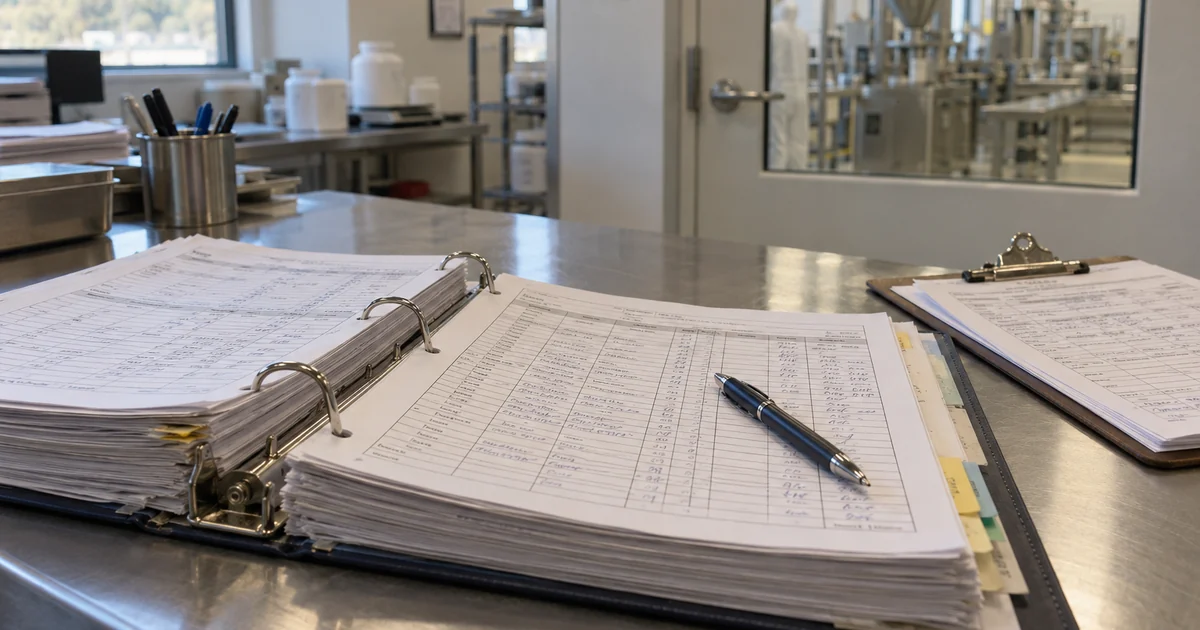
- Keep batch records for every production run. You need traceability from raw material to finished product.
- Verify your manufacturer's compliance documentation — certificates of analysis, GMP certification, and export documentation should be provided for every batch.
- Register your facility with the FDA if you're manufacturing or distributing in the US (facility registration is required by law).
Step 5: Build a Brand That Justifies Premium Pricing
In 2026, competing on price is a losing strategy for new supplement brands. Established competitors have economies of scale that you cannot match. Your only viable strategy is to compete on brand, positioning, and trust.
What Differentiates a Premium Supplement Brand
Clear positioning. The most successful supplement brands of the last five years (Needed, Momentous, Thesis, Symbiote) all share one thing: they target a specific customer with a specific need. "Magnesium for better sleep" outperforms "general health multivitamin" every time. Narrow your focus to win.
Transparent sourcing. Consumers in 2026 expect to know where ingredients come from. Brands that publish their sourcing information, provide batch-specific certificates of analysis, and explain why they chose specific ingredients earn more trust — and more sales.
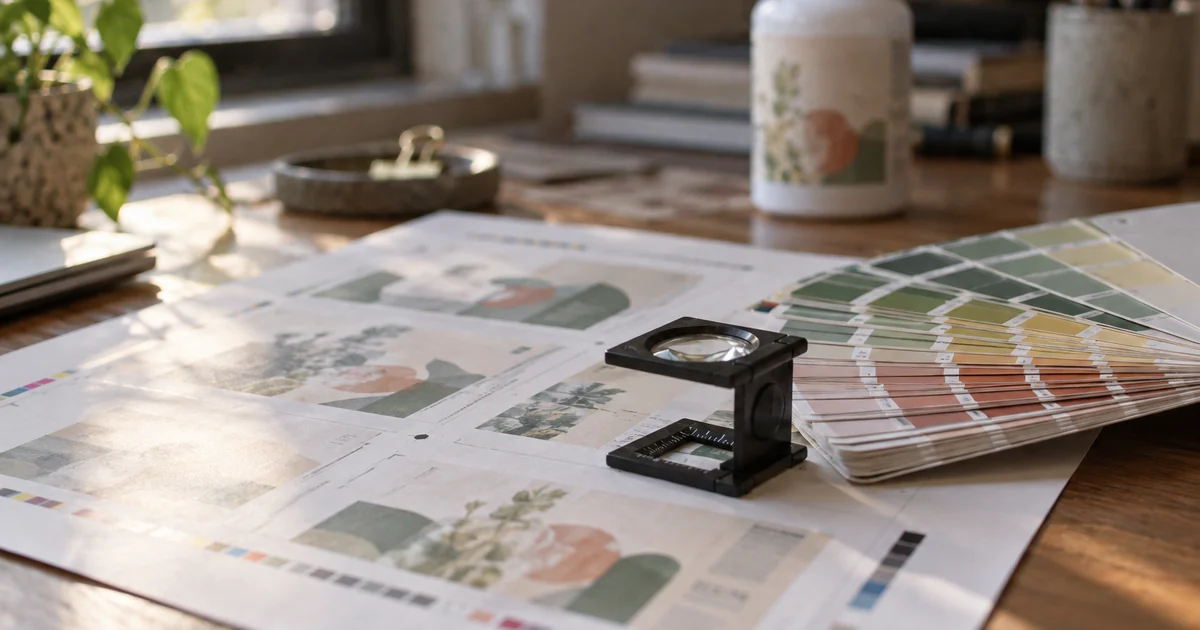
Professional packaging. Your bottle is your first impression. A well-designed label with a clean, professional look signals quality. Consumers associate premium design with premium products. Invest in good packaging design before you order your first batch.
Third-party testing. The most successful supplement brands now advertise their third-party testing as a selling point. Testing results available via QR code on the label is becoming an industry standard.
Branding Checklist Before Production
- Brand name and logo finalized
- Product name clearly communicates benefit
- Label design reviewed by regulatory consultant
- Label art approved by manufacturer
- Bottle type and size confirmed
- Packaging (shipping boxes, inserts) designed
- Website design consistent with brand identity
- Social media profiles created with consistent branding
Step 6: Choose Your Sales Channel
Your sales channel determines your operating model, cost structure, and marketing approach. Each channel has distinct economics.
Amazon FBA
Amazon accounts for approximately 40% of all US supplement e-commerce sales. It's the largest discovery platform for supplements, which means it's also the most competitive.
Cost structure (Amazon):
- Referral fee: 15% of sale price
- FBA fulfillment fee: $4-7 per unit (varies by size and weight)
- Advertising: 15-30% of revenue for new brands
- Total platform costs: 35-50% of revenue
Best for: Brands with a competitive price point ($20-40 retail) and at least $3,000/month to spend on Amazon PPC ads.
Direct-to-Consumer (Shopify / WooCommerce)
A DTC website gives you full ownership of customer data, higher margins, and freedom from platform restrictions. The challenge is driving traffic to your site.
Cost structure (DTC):
- Platform fee: $30-80/month
- Payment processing: 2.5-3.5% per transaction
- Customer acquisition: $20-60 per customer (content + ads + SEO)
- Total platform costs: 5-10% of revenue
Best for: Brands investing in content marketing (blog, social media, email) who can build an audience over time. DTC typically starts slower than Amazon but builds more valuable long-term assets.
Wholesale (Retail Placement)
Selling to health food stores, gyms, clinics, and specialty retailers. Wholesale pricing is typically 50% of retail MSRP. Retailers order in bulk and handle their own marketing to their customers.
Best for: Brands with an existing network, a physical product well-suited to retail display, or ambitions to build a broad distribution footprint.
The Recommended Path for a New Brand
Launch on Amazon first. The platform has built-in traffic, which means you can validate your product and pricing before investing heavily in DTC marketing. Once you have proven demand and positive reviews (50-100 reviews minimum), launch a DTC site. Add wholesale as your brand gains recognition.
Step 7: Your Pre-Launch Checklist
Before you pay your manufacturer's invoice, confirm every item on this list:
| ✅ | Item | Details |
|---|---|---|
| ☐ | Product formulation confirmed | Dosage, form, serving size, and ingredient sources finalized |
| ☐ | Manufacturer contract signed | MOQ, per-unit pricing, lead time, and payment terms agreed |
| ☐ | Label approved by regulatory consultant | Claims verified, Supplement Facts panel accurate |
| ☐ | Label and packaging art sent to manufacturer | Print-ready files, specifications confirmed |
| ☐ | Bottle or packaging ordered | If manufacturer doesn't provide bottles, order with sufficient lead time |
| ☐ | Third-party testing vendor confirmed | Lab selected, testing panel defined, budget approved |
| ☐ | Business entity established | LLC or equivalent, EIN obtained |
| ☐ | Product liability insurance active | Policy in place, certificate of insurance obtained |
| ☐ | E-commerce platform set up | Website built, payment processing active, product pages ready |
| ☐ | Amazon seller account (if applicable) | Account approved, brand registry filed, listing drafted |
| ☐ | Marketing materials prepared | Product photos, ad creative, email sequences, launch plan |
| ☐ | Inventory storage arranged | Warehouse space or Amazon FBA inbound shipment plan |
| ☐ | Fulfillment plan confirmed | Who ships, how fast, cost structure understood |
Step 8: Launch and Measure What Matters
Launching is just the beginning. The brands that succeed are the ones that continuously improve based on real data.
Metrics That Actually Matter
| Metric | Target | Why It Matters |
|---|---|---|
| COGS (Cost of Goods Sold) | 20-30% of retail price | Higher COGS means unsustainable margins |
| CAC (Customer Acquisition Cost) | $20-40 (DTC), $10-25 (Amazon) | Must be significantly below LTV |
| LTV (Lifetime Value) | 3-5x CAC minimum | If LTV is below 3x CAC, the business model doesn't work |
| Repeat purchase rate | 20-40%+ of customers | Low repeat rate means you're paying for every sale |
| Gross margin | 60-75% | Below 55% makes profitability difficult |
| Review count (Amazon, 6 months) | 100+ reviews | Reviews drive organic search ranking and conversion |
Most Common Mistakes New Brands Make
1. Ordering too much inventory. Start with the minimum quantity your manufacturer offers. It's far better to sell out and reorder within 4-6 weeks than to sit on 9 months of inventory that isn't moving. Supplement inventory that doesn't sell becomes a cash flow problem that kills young companies.
2. Competing on price. A new brand cannot win a price war against established competitors with better supply chain economics. Price your product at the midpoint or above of the category range, and invest the margin into better marketing, better packaging, or better ingredients.
3. Bypassing regulatory review to save money. The cost of a regulatory label review ($300-800) is tiny compared to the cost of an FDA warning letter, an Amazon listing suspension, or a lawsuit. Do not skip this step.
4. Launching too many SKUs at once. Launch with one product. Perfect your supply chain, marketing, and customer experience on that one product. Then introduce a second. Brands that launch with 5-10 SKUs almost always end up managing themselves into complexity and cash flow problems.
5. Ignoring customer feedback. Your first batch of customers will tell you exactly what needs to improve — if you listen. Review every customer review, email, and support inquiry for patterns. Use that feedback to improve your product and your messaging with every batch.
Timeline: From Idea to First Sale
| Phase | Duration | Key Activities |
|---|---|---|
| Research and planning | Weeks 1-2 | Category analysis, competitor research, brand positioning |
| Manufacturer outreach | Weeks 2-4 | Quote requests, sample evaluation, facility verification |
| Formulation and prototyping | Weeks 4-6 | Formula finalization, sample approval, testing |
| Label design and regulatory review | Weeks 4-6 | Design, regulatory approval, art file creation |
| Production | Weeks 6-9 | Manufacturing, packaging, third-party testing |
| Shipping and customs | Weeks 9-11 | Ocean or air freight, customs clearance, warehouse reception |
| E-commerce setup | Weeks 5-8 | Website, Amazon listing, payment processing |
| Launch | Weeks 11-13 | Inventory available, marketing begins, first sales |
Realistic timeline: 10-14 weeks from concept to first sale with a responsive manufacturing partner.
Next Steps
Starting a supplement brand is a significant undertaking, but the fundamentals are straightforward: choose the right category, partner with the right manufacturer, comply with regulations, and build a brand that people trust.
The brands that win in 2026 are the ones that execute consistently on these fundamentals. Every decision — from ingredient selection to label design to shipping method — either builds or erodes your brand's position.
If you're ready to move forward, the next step is simple: reach out to a few manufacturers, request quotes and samples, and start evaluating your options.
Ready to Start Your Supplement Brand?
ZOOMSHEAL specializes in private label and OEM supplement manufacturing. We work with brands at every stage — from first-time founders launching their first product to established brands expanding their product lines.
What We Offer
- Low MOQs — Minimum orders designed for startups (1,000-1,000 units)
- Turnkey formulations — Ready-to-brand products across magnesium, collagen, probiotics, adaptogens, and more
- Custom formulation — Our R&D team can develop proprietary formulas for your brand
- Full-service packaging — Bottle selection, label design support, and printing
- GMP-certified production — Quality compliance for US, EU, and Asian markets
- Global shipping — Reliable logistics to North America, Europe, and Asia
- Regulatory guidance — Label compliance support for your target market
📞 Contact us for a free consultation and quote.
Phone: +86 158 7653 6887
Email: info@zoomsheal.com
Tell us about your product idea, and we'll walk you through the process — from formulation to your first shipment.
Disclaimer: This article is for informational purposes only and does not constitute legal or business advice. Supplement regulations vary by country and are subject to change. Always consult with a qualified regulatory professional before launching supplement products.
About ZOOMSHEAL
ZOOMSHEAL is a private label dietary supplement manufacturer based in China. With GMP-certified facilities, rigorous quality control, and global export experience, we help supplement brands bring products to market efficiently and reliably.