
Anxiety is one of the most common mental health challenges faced by people worldwide. In today’s fast-paced and high-pressure world, it’s easy to feel overwhelmed by stress from work, relationships, and daily responsibilities. While occasional anxiety is a normal response to stress, chronic anxiety can interfere with your ability to function and enjoy life. It can lead to symptoms such as excessive worry, difficulty concentrating, irritability, and sleep disturbances, all of which significantly affect your quality of life.
Many individuals seek natural alternatives to pharmaceutical medications to manage their anxiety symptoms. While therapy and medication are the go-to treatments for some, many people are turning to supplements as a way to reduce anxiety in a more natural and accessible way. The right supplements can help to promote relaxation, balance hormones like cortisol, improve sleep, and even elevate mood—without the side effects that often accompany prescription medications.
We will explore several supplements that have been scientifically researched and proven to help manage and reduce anxiety. Whether you’re looking for a natural way to calm your nerves or seeking additional tools to complement other treatment methods, these supplements can offer significant relief. Read on to discover how incorporating them into your routine might help you achieve greater emotional balance and overall well-being.
1. Magnesium: The Natural Anxiety Reliever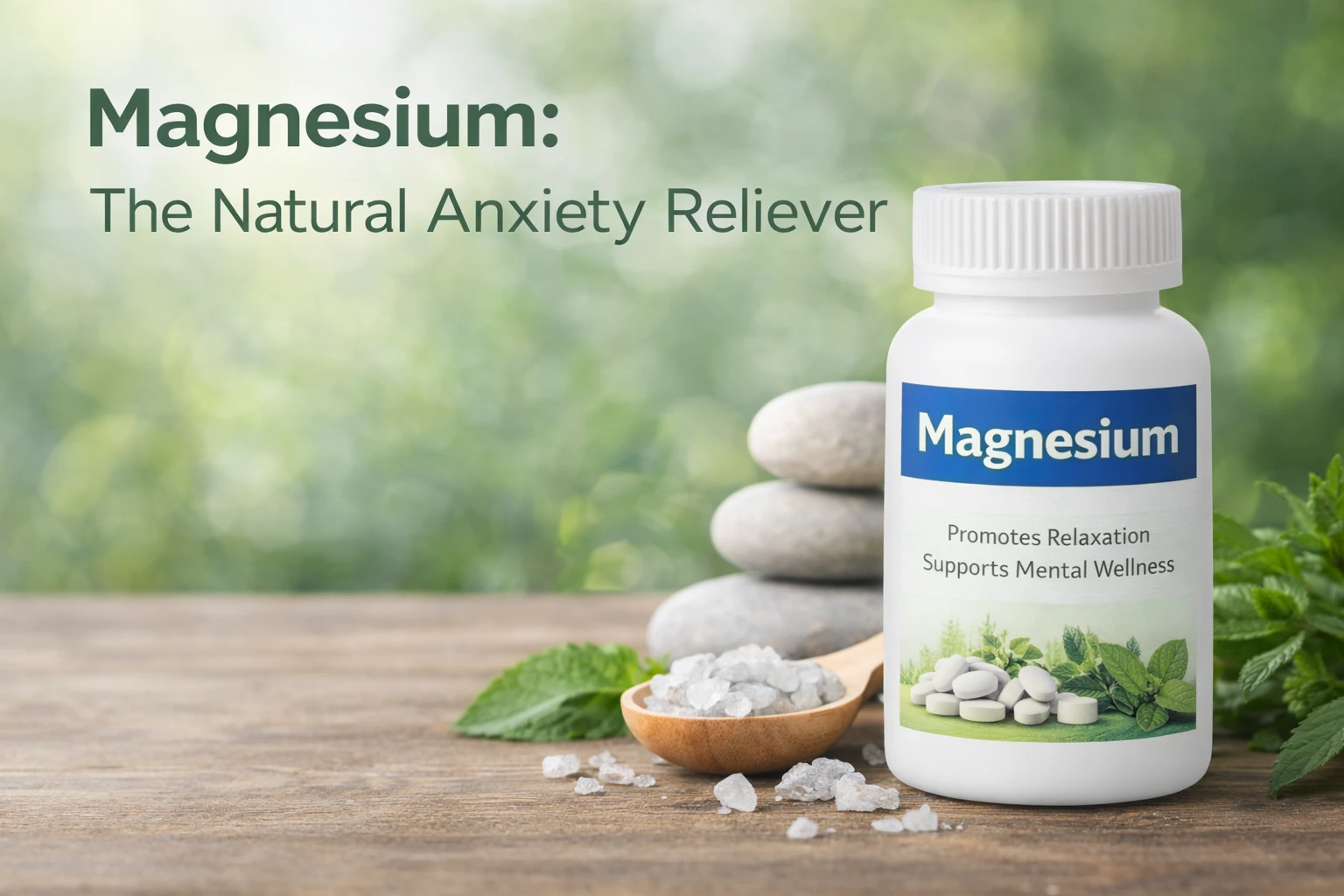
Magnesium is one of the essential minerals in the human body, playing a crucial role in various physiological processes, including energy production, nerve transmission, and muscle relaxation. Research has shown that magnesium deficiency is often linked to increased anxiety levels. Supplementing magnesium helps relax the nervous system, making it an effective tool in reducing anxiety.
-
Scientific Evidence: Studies have found that magnesium helps regulate neurotransmitters in the brain, particularly GABA (gamma-aminobutyric acid), which plays a key role in mood regulation. Individuals who are magnesium-deficient are often more prone to feelings of anxiety, tension, and fatigue. Therefore, magnesium supplementation can significantly benefit those with mild anxiety symptoms.
-
How to Use: The recommended daily dose of magnesium typically ranges from 200-400 mg. You can obtain magnesium through supplements or magnesium-rich foods such as leafy green vegetables, nuts, seeds, and whole grains.
2. L-Theanine: Relax and Focus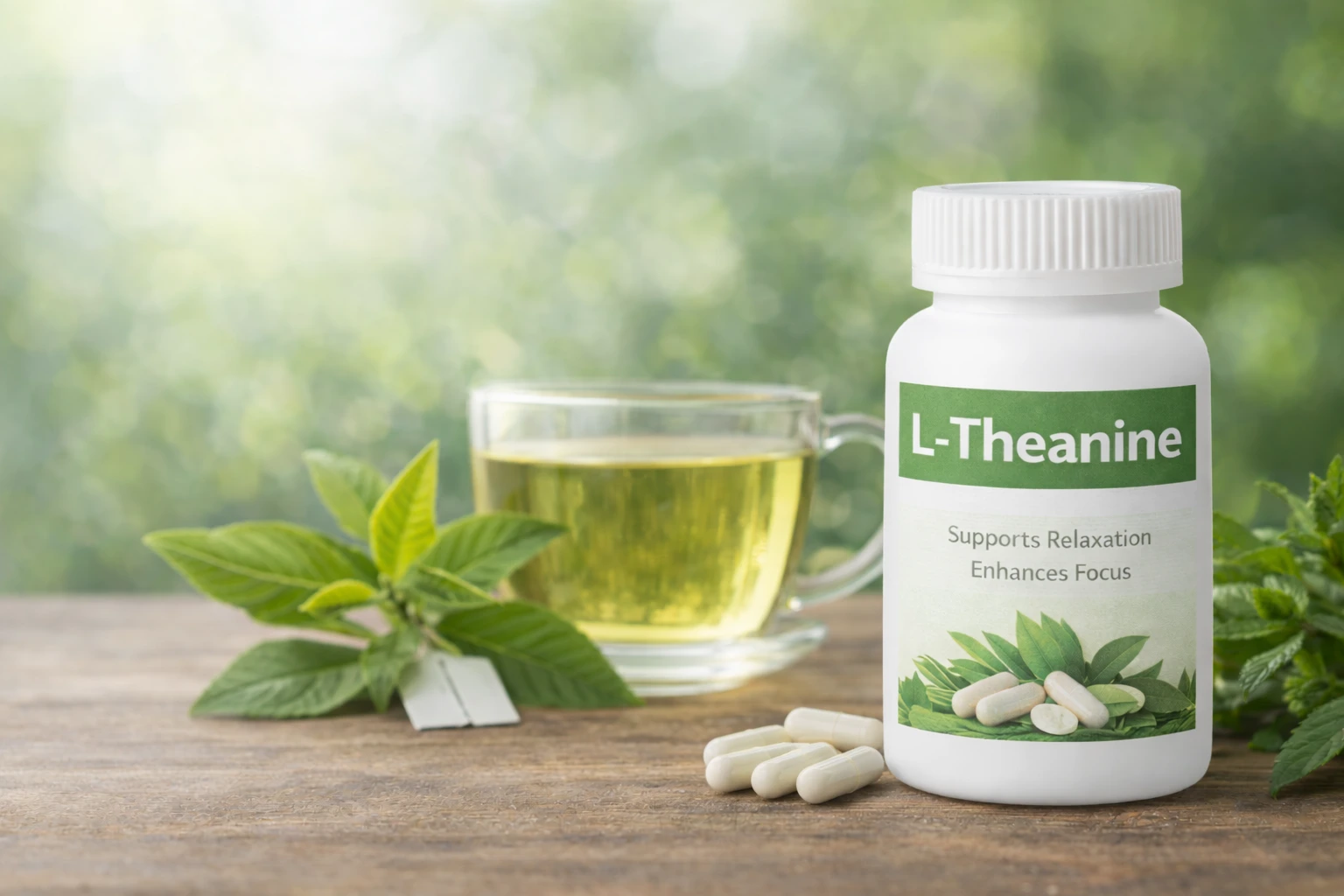
L-Theanine is a natural amino acid found in tea, particularly green tea. Known for its ability to promote relaxation without causing drowsiness, L-Theanine helps alleviate anxiety by enhancing the production of calming neurotransmitters in the brain. Unlike other supplements, L-Theanine allows individuals to remain alert and focused while reducing stress and anxiety.
-
Scientific Evidence: Multiple studies have shown that L-Theanine increases the levels of GABA, serotonin, and dopamine, neurotransmitters that are crucial for mood regulation, relaxation, and anxiety reduction. It has also been demonstrated to promote alpha brain waves, which are associated with relaxation and reduced anxiety.
-
How to Use: A typical dosage of L-Theanine ranges from 100-200 mg per day, taken once or twice. Many individuals consume L-Theanine through green tea or supplements.
3. Melatonin: Improve Sleep and Reduce Anxiety
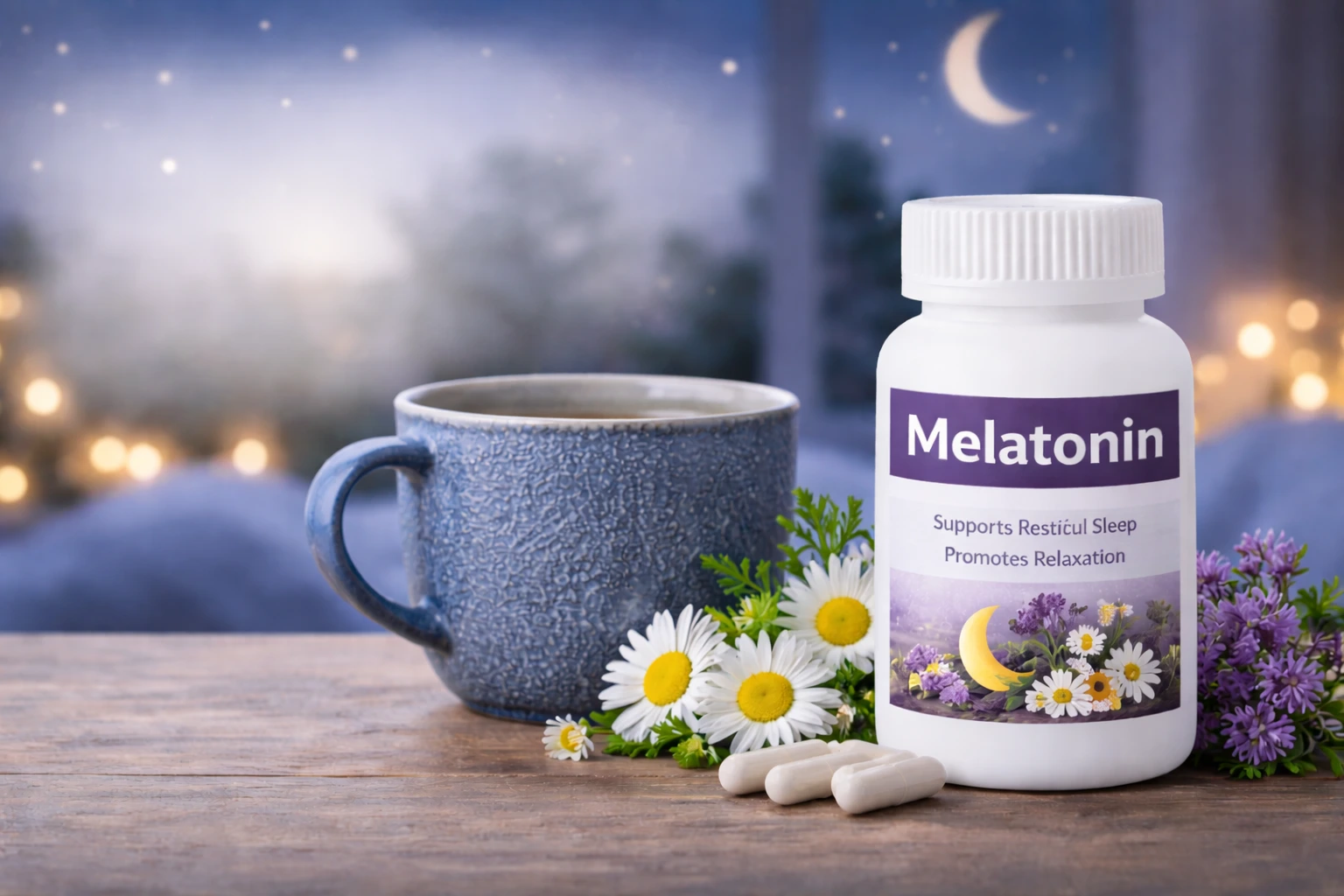
Melatonin is a hormone naturally produced by the body that regulates the sleep-wake cycle. With the rise of modern stress, excessive screen time, and irregular sleep habits, many people experience sleep disturbances that can contribute to increased anxiety. Melatonin supplementation helps improve sleep quality, which, in turn, reduces anxiety.
-
Scientific Evidence: Research has shown that melatonin not only improves sleep patterns but also reduces anxiety symptoms related to sleep disorders. For individuals whose anxiety is caused by insomnia, melatonin can provide relief by promoting restful sleep and a balanced circadian rhythm.
-
How to Use: The typical dosage of melatonin is between 1-3 mg, taken 30 minutes to one hour before bedtime. Long-term or high-dose melatonin use should be monitored by a healthcare provider.
4. Licorice Root: Manage Stress and Anxiety
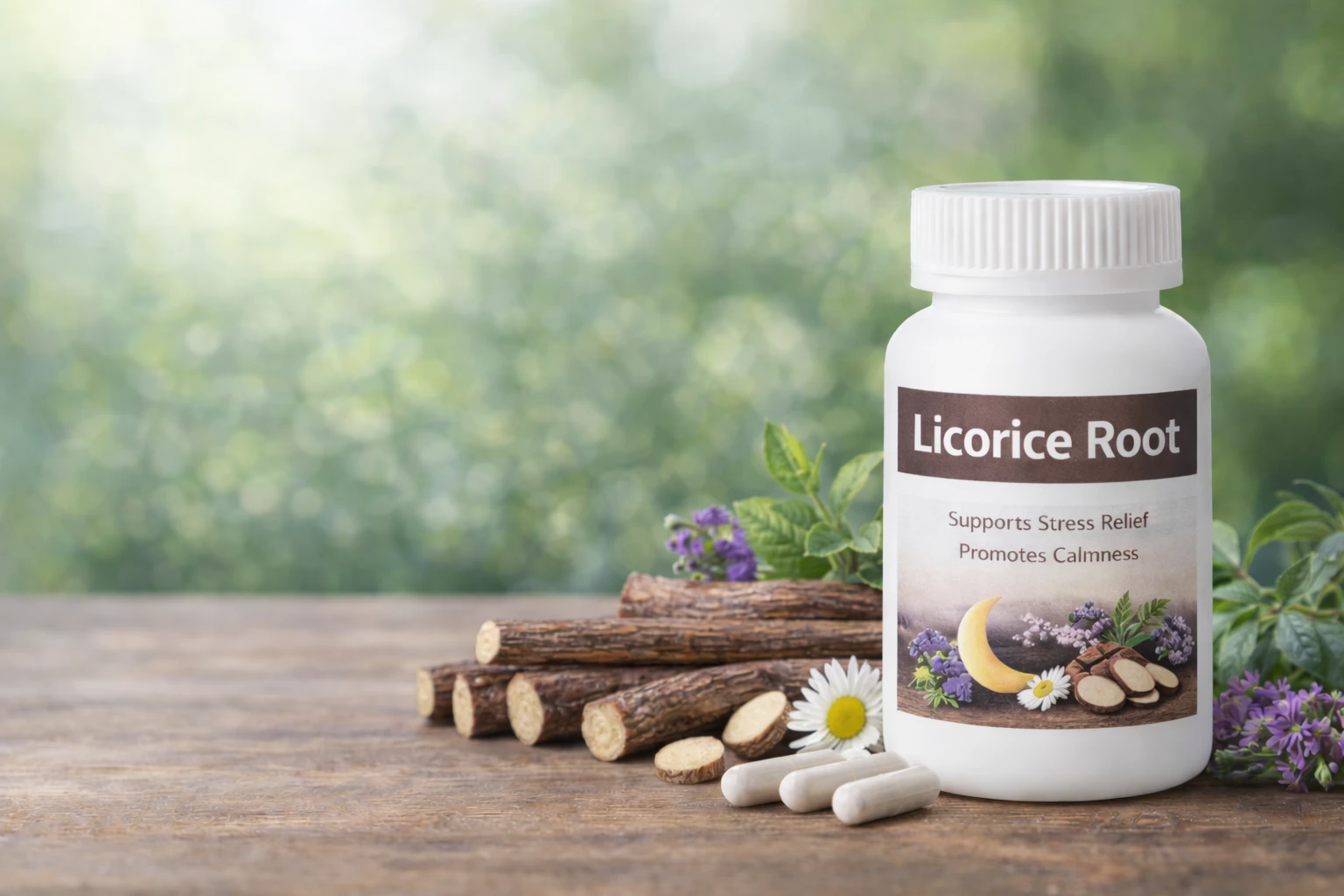
Licorice root has been used for centuries in traditional medicine for its ability to help the body manage stress. It works by regulating cortisol levels, the hormone produced during stress. By helping the body cope with stress, licorice root can alleviate anxiety symptoms triggered by long-term stress.
-
Scientific Evidence: Glycyrrhizin, a compound found in licorice root, stimulates the adrenal glands to produce cortisol in response to stress. Research shows that licorice root may lower anxiety levels caused by chronic stress and support the body’s recovery from stressful situations.
-
How to Use: Licorice root extract is typically taken in doses of 250-500 mg per day. However, it is important to note that prolonged or high-dose use of licorice root may affect sodium and water balance, so it is not recommended for long-term use without medical supervision.
5. 5-HTP (5-Hydroxytryptophan): Boost Serotonin and Reduce Anxiety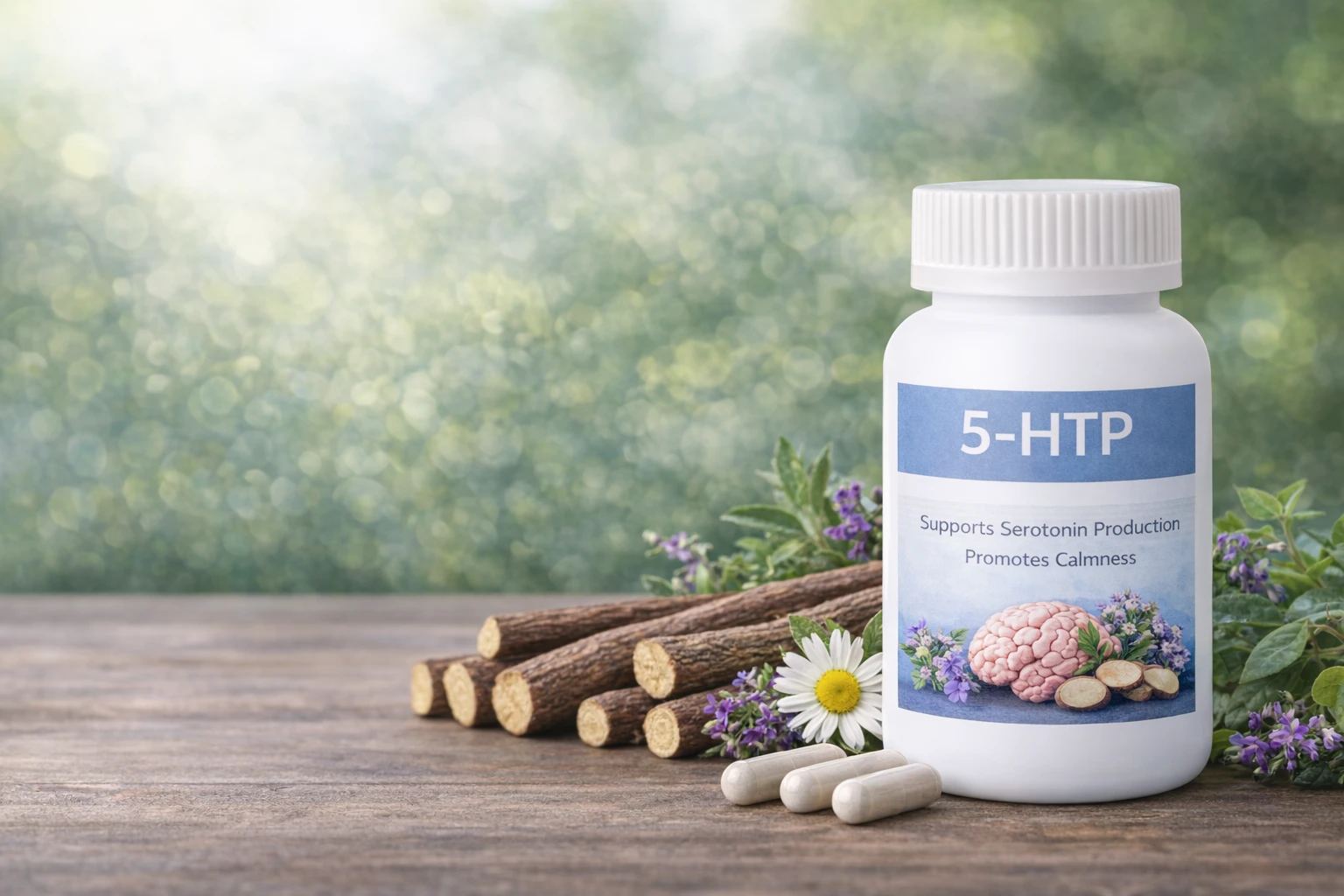
5-HTP is a naturally occurring amino acid and a precursor to serotonin, the neurotransmitter responsible for mood regulation. Supplementing 5-HTP helps increase serotonin levels in the brain, thereby improving mood and reducing anxiety. 5-HTP is commonly used to treat conditions like anxiety and depression.
-
Scientific Evidence: Studies show that 5-HTP supplementation significantly boosts serotonin levels in the brain, which is associated with improved mood and reduced anxiety. Additionally, 5-HTP has been shown to improve sleep quality, which can further alleviate anxiety symptoms.
-
How to Use: The typical dosage of 5-HTP ranges from 50-100 mg per day, taken before meals. It is important to monitor potential side effects, such as gastrointestinal discomfort, when using 5-HTP for anxiety.
6. Ashwagandha: The Adaptogenic Herb for Stress
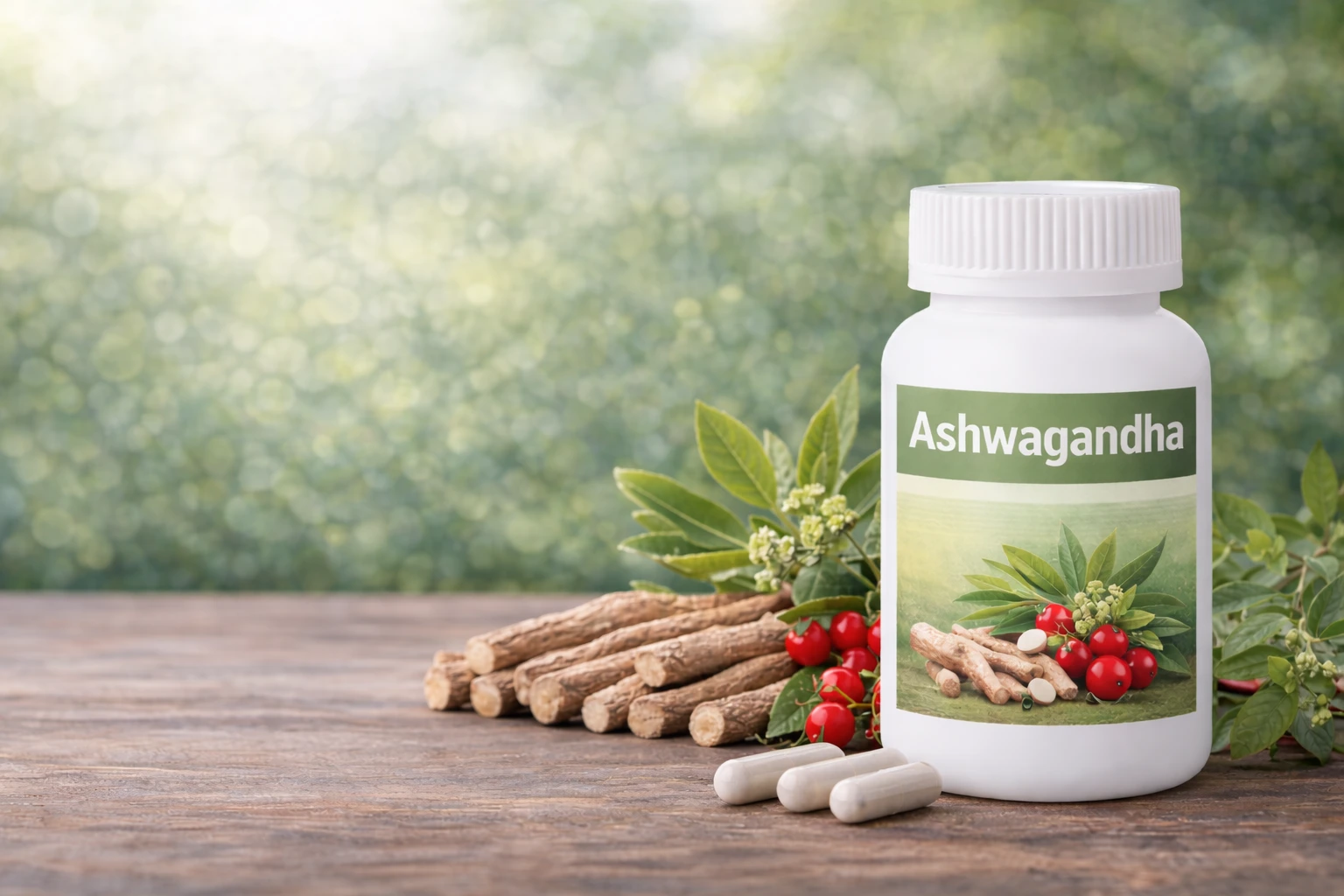
Ashwagandha, an adaptogenic herb, has been used in traditional Ayurvedic medicine for centuries to help the body adapt to stress. It has gained popularity due to its ability to reduce cortisol levels, which are often elevated during times of stress and anxiety. By balancing cortisol, Ashwagandha helps reduce the physical and emotional impact of stress, making it an effective supplement for managing anxiety.
-
Scientific Evidence: Research has shown that Ashwagandha supplementation significantly reduces cortisol levels and helps alleviate anxiety symptoms. One clinical trial demonstrated that individuals who took Ashwagandha experienced a 44% reduction in stress and anxiety levels compared to those who took a placebo.
-
How to Use: The recommended dosage for Ashwagandha is typically between 300-500 mg per day, standardized to contain at least 5% withanolides. It is generally safe for long-term use, but as with any supplement, it’s best to consult with a healthcare provider.
7. Valerian Root: Promotes Calmness and Sleep
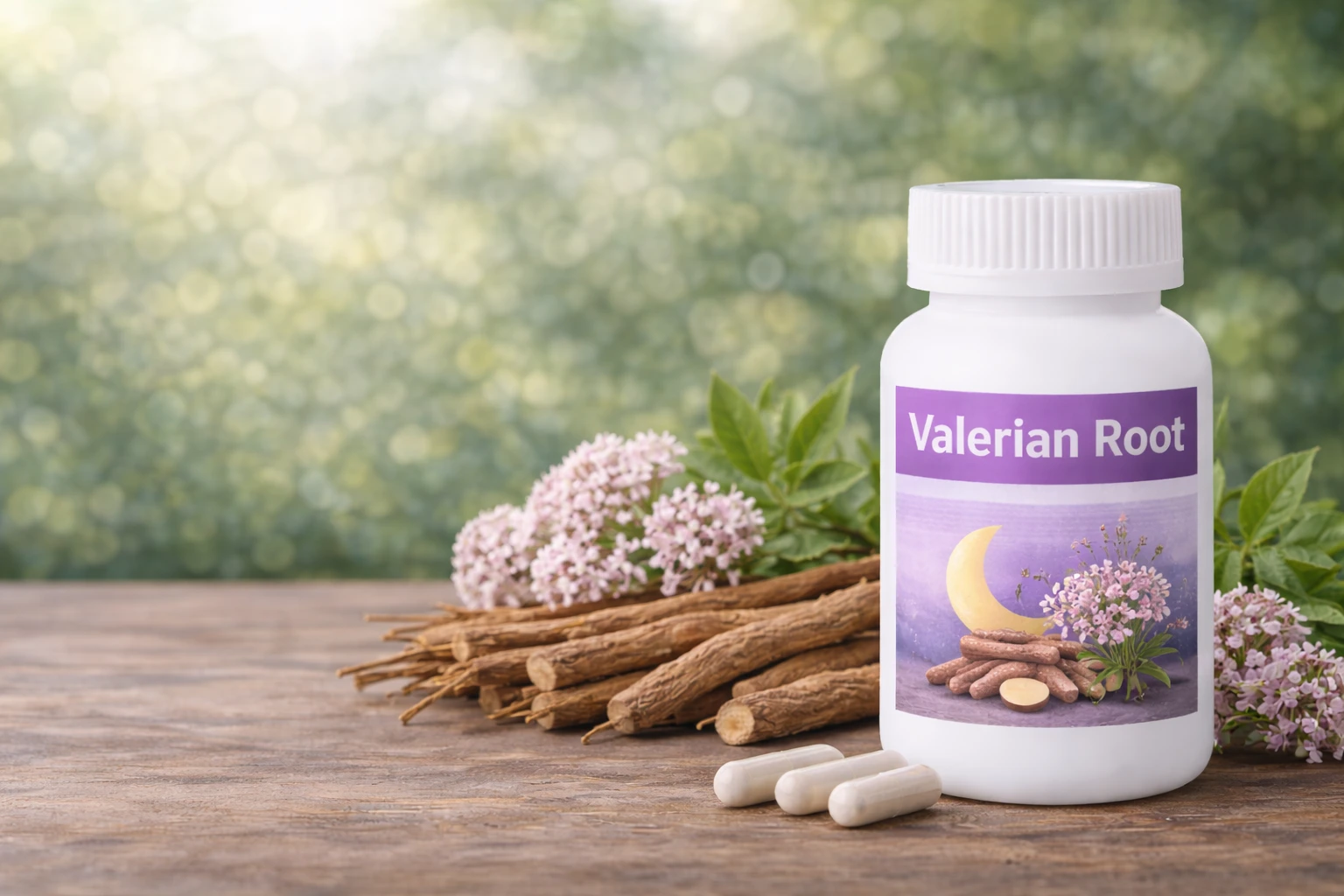
Valerian root is a popular herbal remedy often used to treat insomnia and anxiety. It has mild sedative effects that help promote relaxation, reduce nervous tension, and improve sleep quality. It is most commonly used in cases where anxiety is preventing restful sleep.
-
Scientific Evidence: Studies show that valerian root can be effective in reducing anxiety symptoms, especially when they are associated with sleep disturbances. A study published in the "Journal of Clinical Psychopharmacology" found that valerian root significantly reduced anxiety and improved sleep quality in participants.
-
How to Use: Valerian root is usually taken in doses of 300-600 mg, 30 minutes to an hour before bedtime. While it’s generally safe, it can cause mild drowsiness, so it's best to avoid activities that require full attention, such as driving, after taking it.
8. Passionflower: A Natural Calming Agent
Passionflower (Passiflora incarnata) is another herbal supplement used to reduce anxiety and promote relaxation. It is believed to work by increasing GABA (gamma-aminobutyric acid) levels in the brain, a neurotransmitter that inhibits excessive brain activity and induces relaxation. Passionflower is commonly used for both anxiety and insomnia, as it helps calm the mind without causing sedation during the day.
-
Scientific Evidence: Studies have shown that passionflower extract can be effective in reducing symptoms of generalized anxiety disorder (GAD). A study published in the "Journal of Clinical Pharmacy and Therapeutics" demonstrated that passionflower was as effective as benzodiazepines for treating anxiety without the side effects.
-
How to Use: Passionflower is typically taken in doses of 250-500 mg per day, either in capsule or tea form. It can also be used as a tincture, with 30-60 drops recommended for anxiety relief. It is generally safe but should be used with caution if taking other sedative medications.
9. Vitamin D: Deficiency Linked to Anxiety
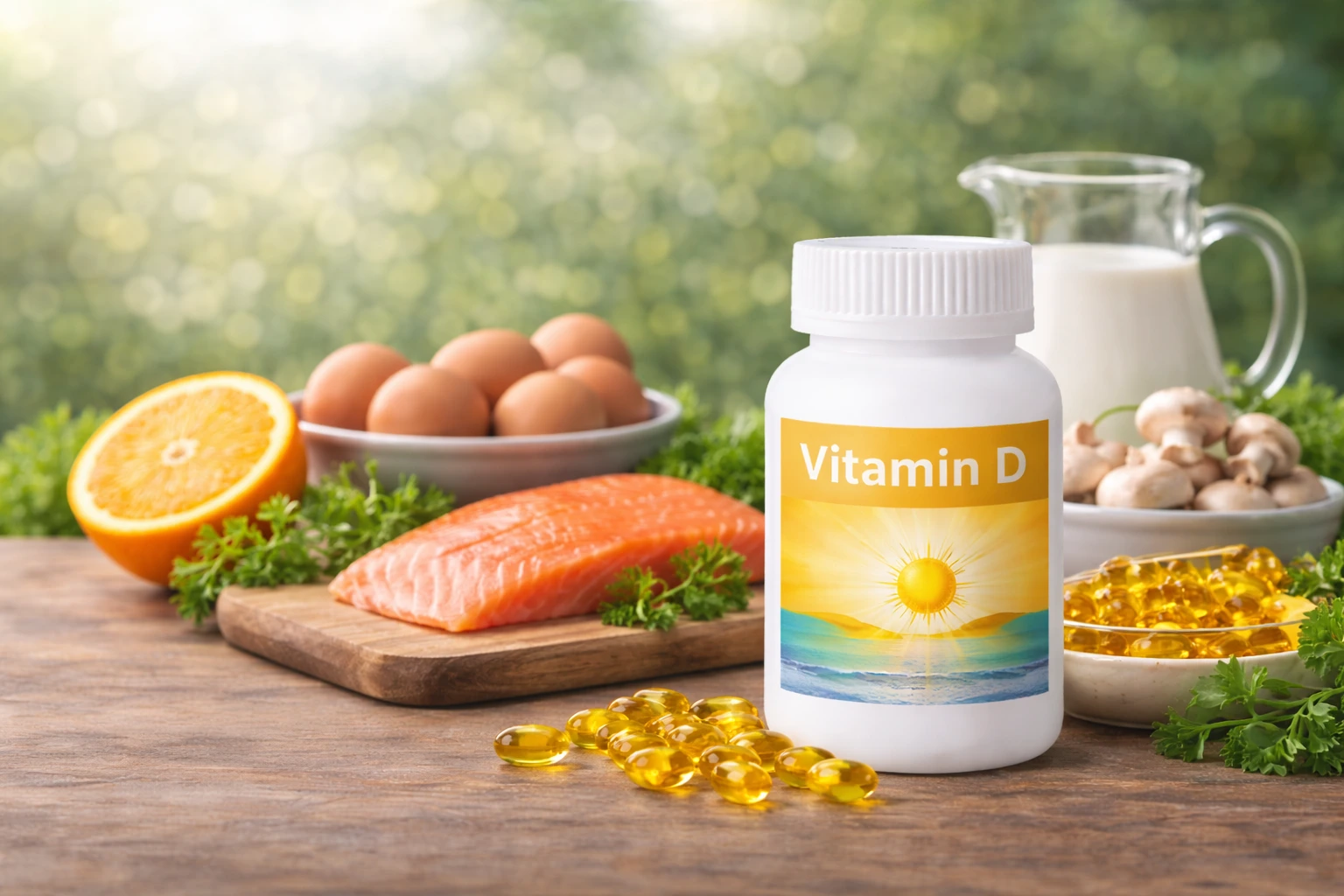
Vitamin D is well-known for its role in bone health, but research has also found that it plays a significant role in mental health. Deficiency in vitamin D has been associated with various mood disorders, including anxiety and depression. Sunlight exposure is the most natural source of vitamin D, but many people who live in areas with limited sunlight or who have limited sun exposure may benefit from supplementation.
-
Scientific Evidence: Multiple studies have linked low vitamin D levels with higher anxiety levels. A meta-analysis published in the "Journal of Affective Disorders" found that individuals with low vitamin D levels were more likely to experience anxiety and depression. Supplementing with vitamin D may help alleviate these symptoms by promoting healthy brain function.
-
How to Use: The recommended daily dose of vitamin D ranges from 600-2,000 IU, depending on age and individual needs. Those with vitamin D deficiency may require higher doses, and a blood test can help determine the right dosage for optimal mental health.
10. Omega-3 Fatty Acids: Essential for Mental Health
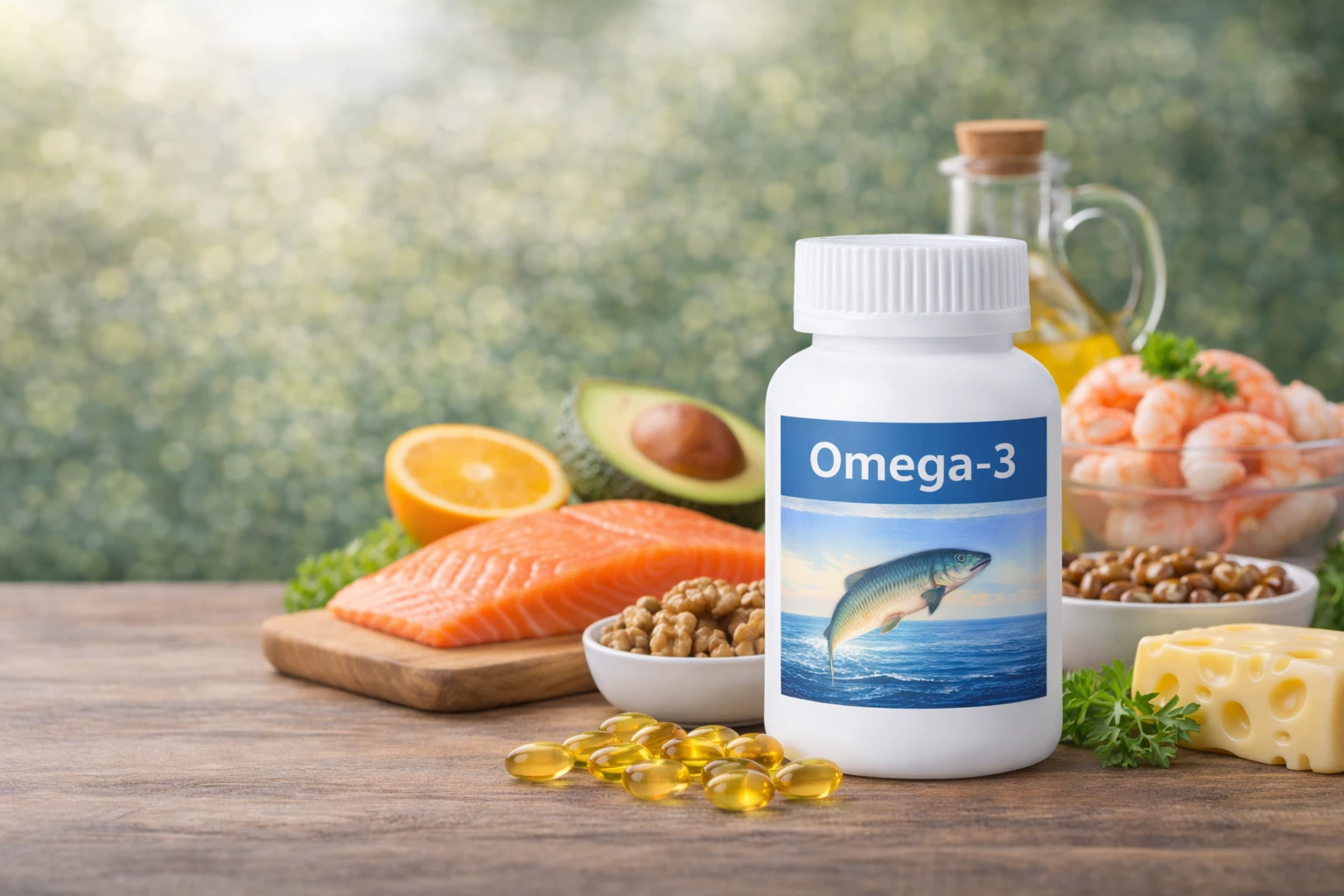
Omega-3 fatty acids, particularly EPA (eicosapentaenoic acid) and DHA (docosahexaenoic acid), are essential fats that play a crucial role in brain health and cognitive function. Research suggests that omega-3 supplementation can help reduce symptoms of anxiety and improve overall mental well-being by promoting healthy brain function and reducing inflammation.
-
Scientific Evidence: Several studies have demonstrated that omega-3 fatty acids can reduce anxiety symptoms, particularly in individuals with high levels of inflammation or those experiencing chronic anxiety. A review published in the "Journal of Clinical Psychiatry" found that omega-3 supplementation led to a significant reduction in anxiety symptoms in both healthy individuals and those diagnosed with anxiety disorders.
-
How to Use: The typical dosage of omega-3 fatty acids is 1,000-3,000 mg per day. Fish oil supplements are a common source, but plant-based sources such as algal oil are available for those following a vegetarian or vegan diet.
Conclusion
Managing anxiety is not a one-size-fits-all journey, and what works for one person might not work for another. However, supplements offer a promising natural option for those looking to reduce anxiety in a safe and effective manner. From magnesium’s calming effects to the adaptogenic properties of Ashwagandha, and the mood-boosting benefits of Omega-3 fatty acids, there are various supplements that can help alleviate anxiety symptoms.
It’s important to remember that while supplements can play a supportive role in managing anxiety, they are most effective when used in conjunction with other strategies, such as therapy, exercise, and stress management techniques. Additionally, the efficacy of these supplements can vary from person to person, so it’s always recommended to consult with a healthcare professional before starting any new supplement regimen.
By choosing the right supplements, making positive lifestyle changes, and seeking professional support, individuals can take proactive steps toward managing their anxiety and improving their overall mental health. Whether you are looking to enhance your current treatment plan or exploring natural alternatives for the first time, incorporating anxiety-reducing supplements could be an essential part of your journey to a more peaceful and balanced life.