
Manufacturing Capabilities
Inside Our Factory
Real photos of production equipment in our GMP-certified supplement workshop in Guangzhou, China.
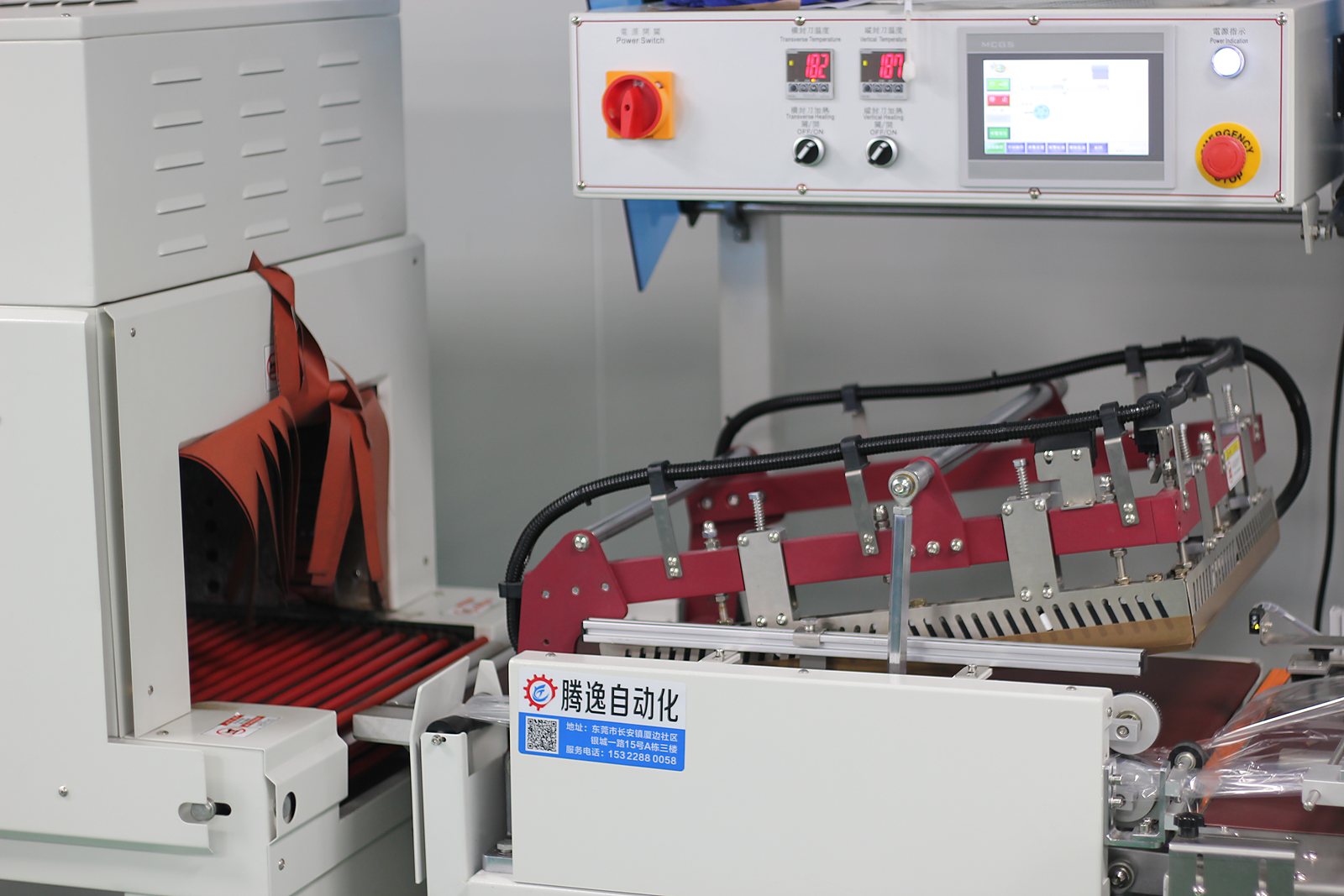
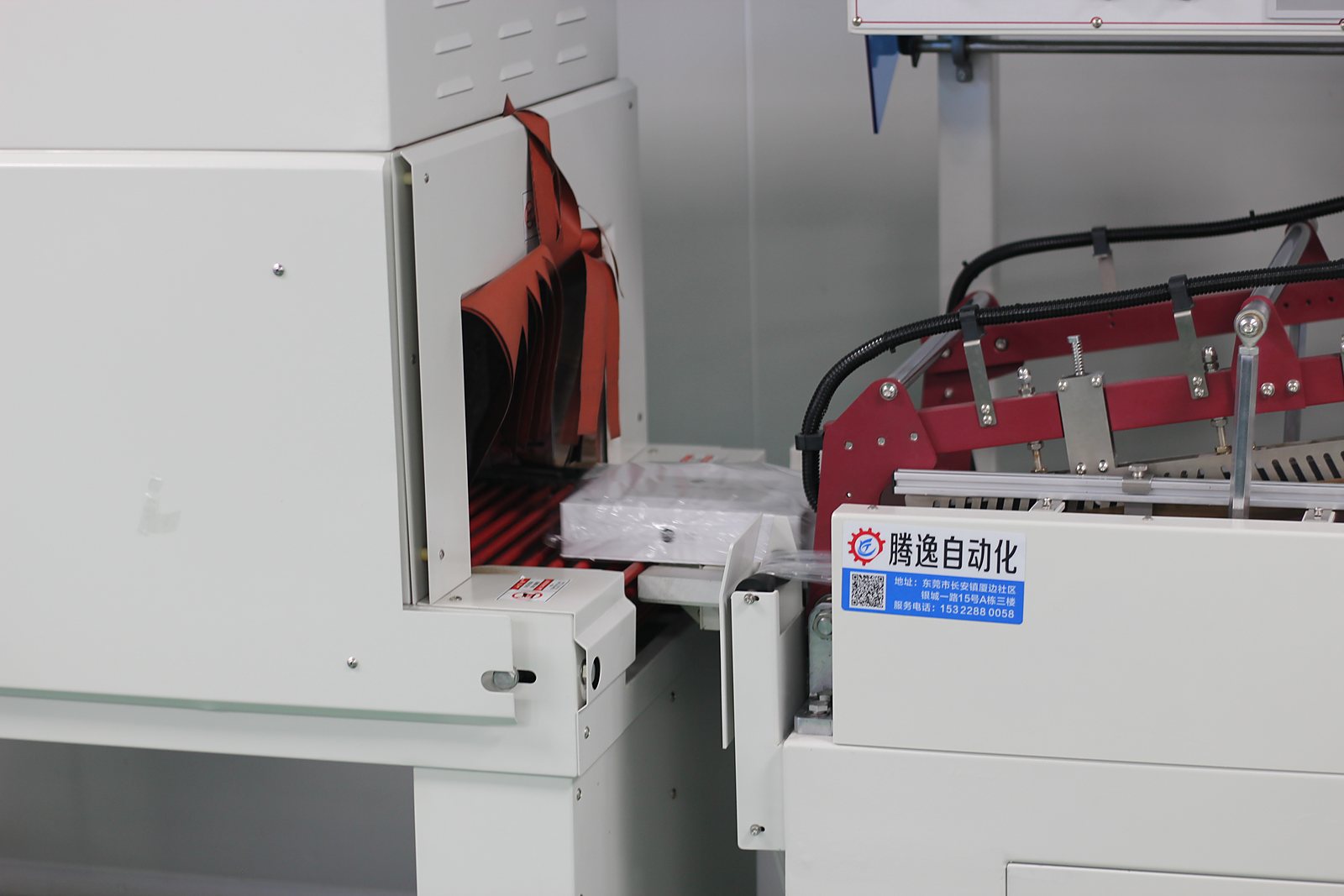
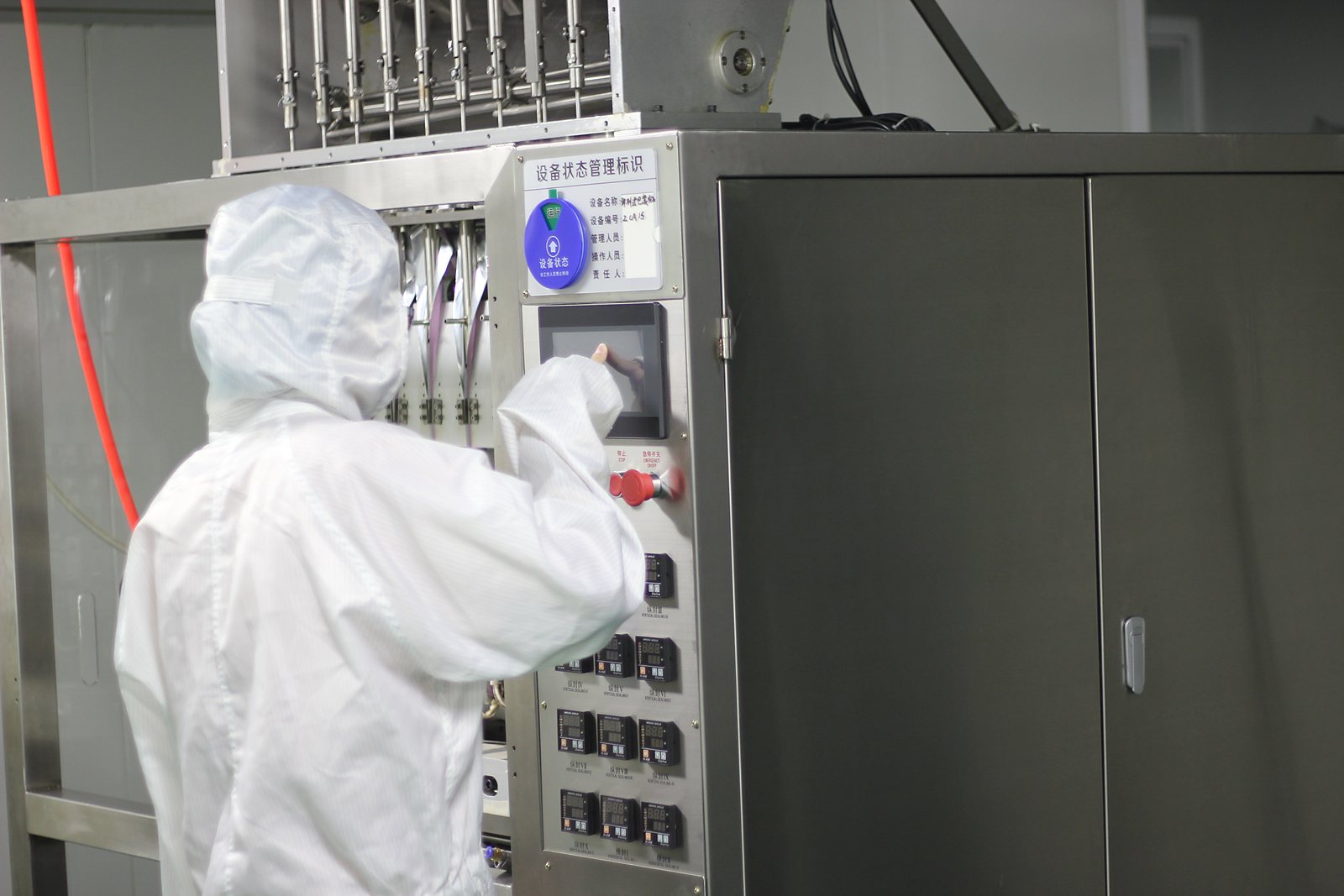
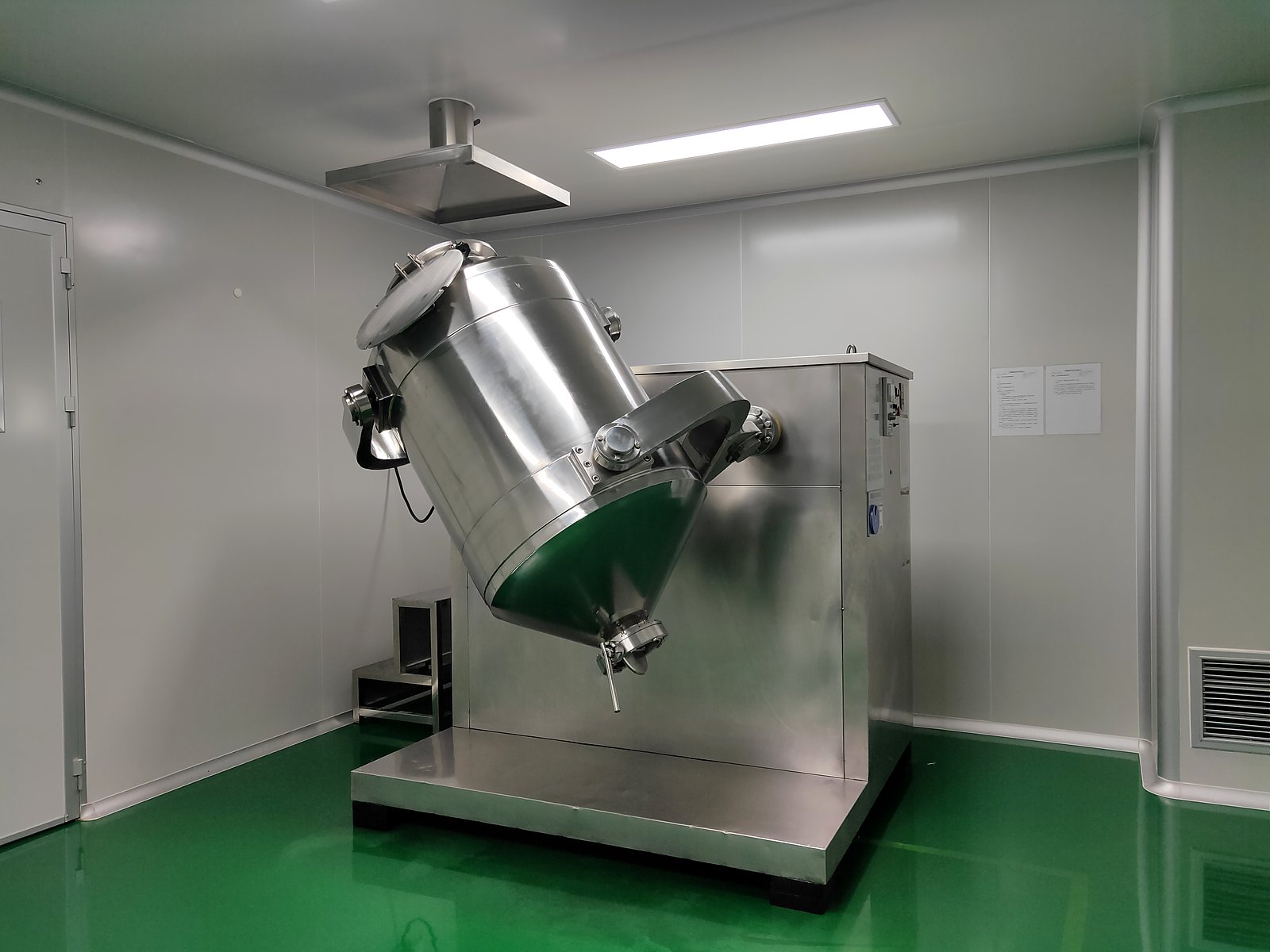
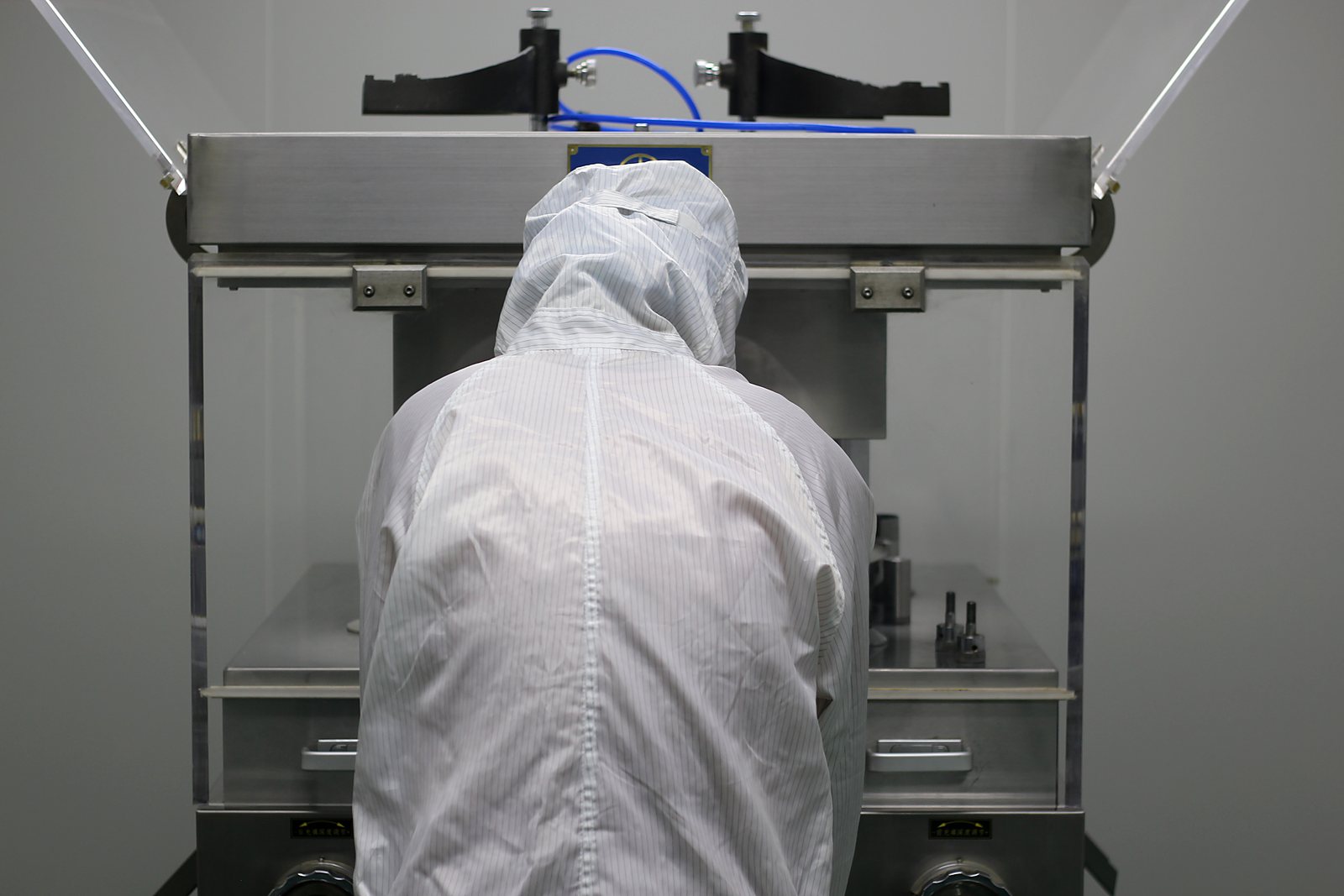
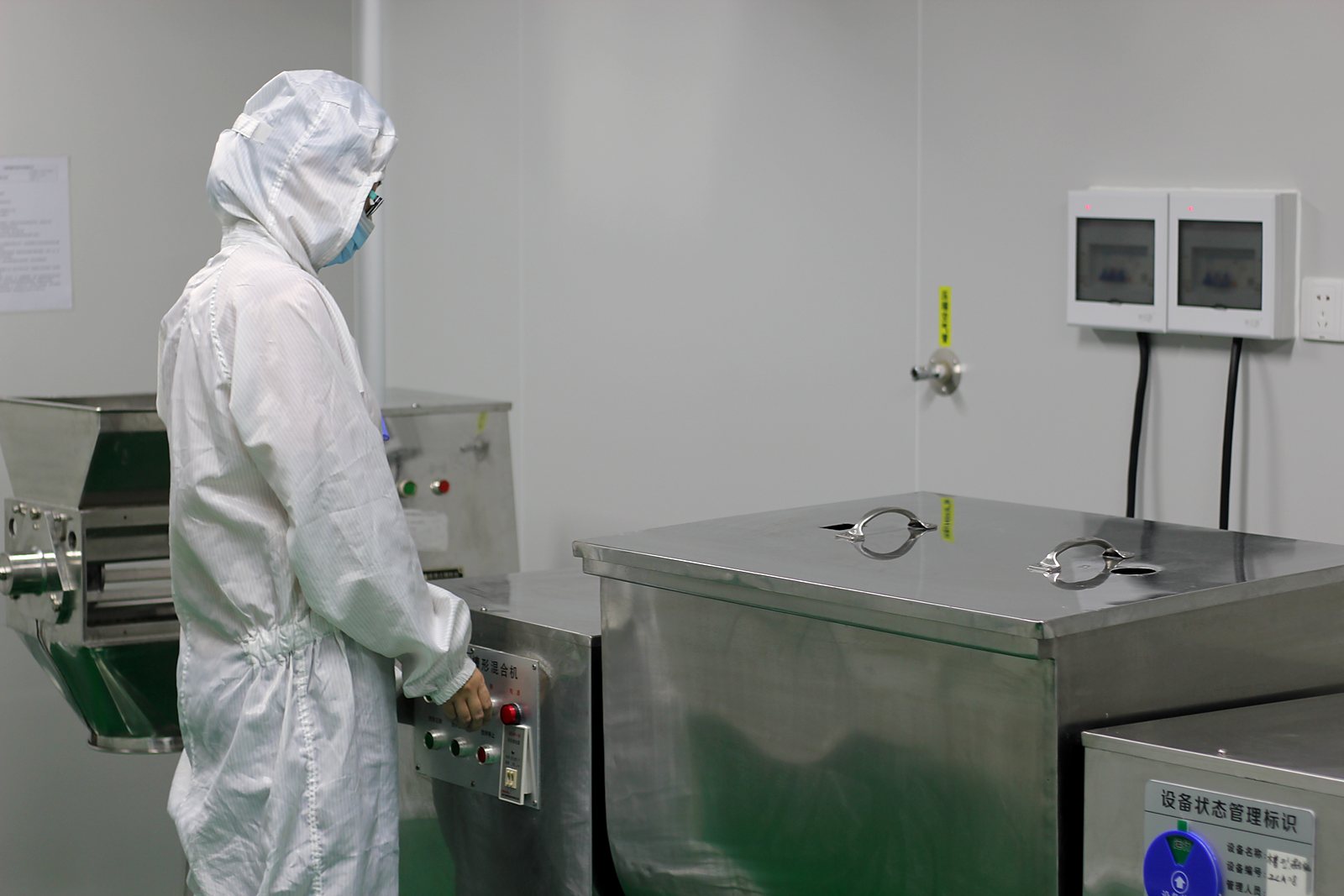
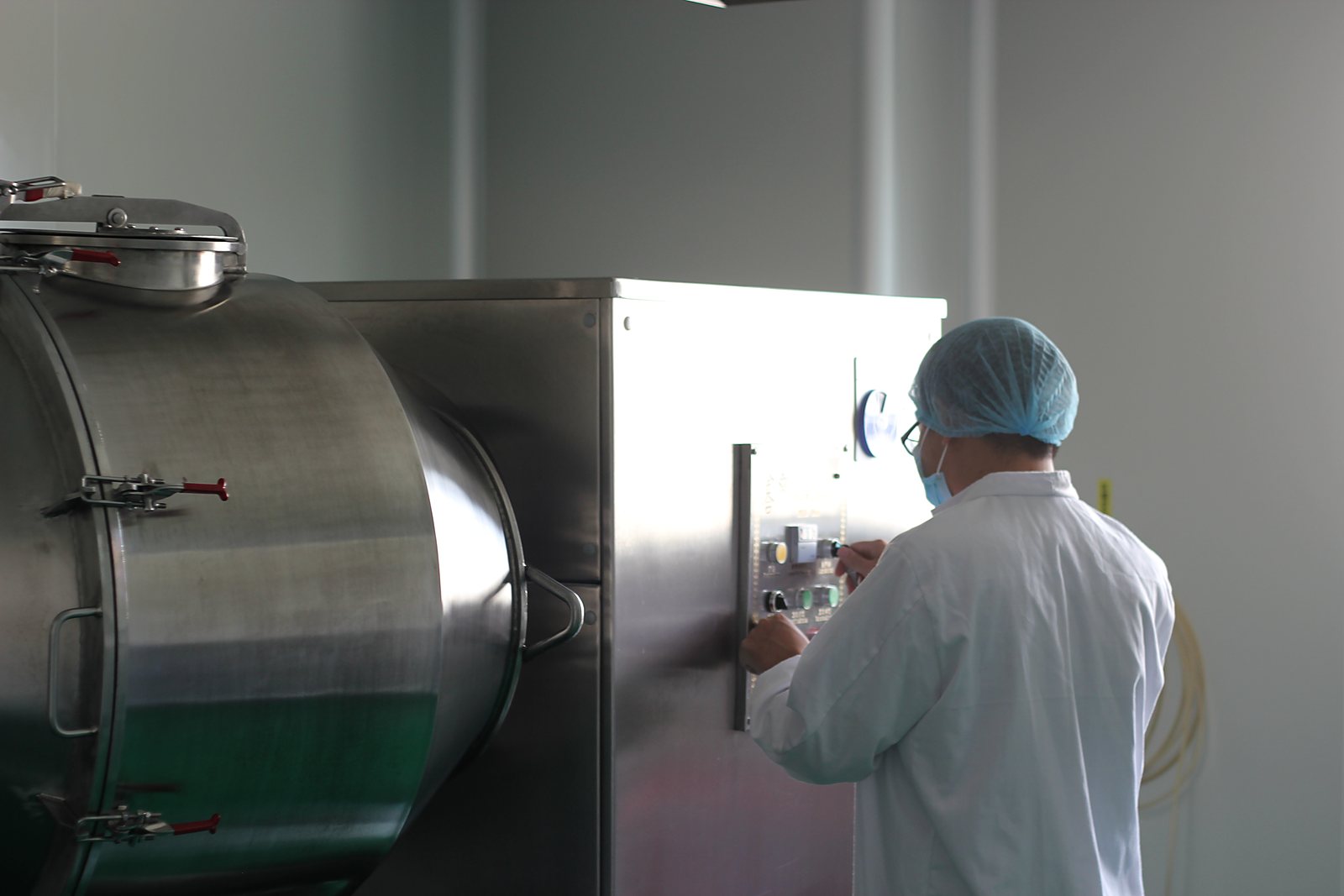
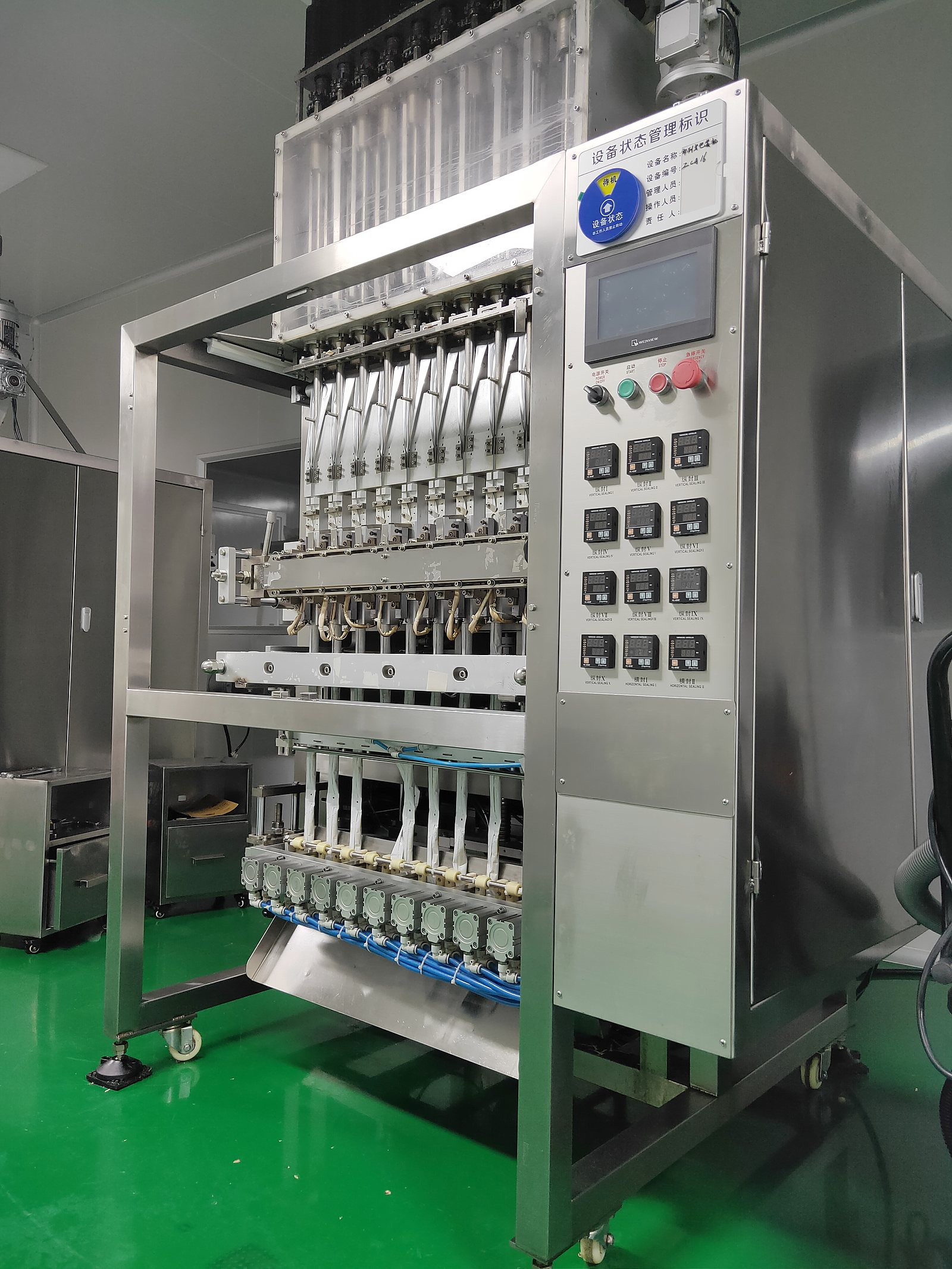
Real photos of production equipment in our GMP-certified supplement workshop in Guangzhou, China.


The site in Huadu, Guangzhou runs separate production areas by dosage form rather than one flexible hall, because the contamination and humidity rules differ. Capsule and tablet lines share a compression and coating area; softgels have their own encapsulation and drying rooms; gummies run on a depositing line with a curing tunnel; powders are blended in a dedicated area with dehumidified filling rooms; liquids have a separate filling and capping room. Changing a line from one product to another means a documented cleaning validation, which is why a short run of an unusual formula costs more per unit than a long run of a standard one.
Supporting that, we run an in-house QC laboratory for incoming material identification, in-process checks and finished-product release, plus an R&D kitchen for bench samples and stability batches. Packaging — bottle filling, blistering, stick packing, labelling, cartoning and shrink banding — happens on site, so a project does not lose a week moving between a manufacturer and a separate packer.
Capacity is quoted per dosage form, not for the plant as a whole: capsule and tablet lines run in the millions of units per month, softgels and gummies at a lower unit count because of curing and drying time, and liquids in the tens of thousands of bottles. The practical constraint for a new brand is not capacity but the minimum batch that makes a line change worthwhile — from 1,000 units per SKU, with the per-unit price falling sharply as volume rises.
A quoted lead time of four to six weeks covers production only. The full path from enquiry to warehouse is longer: sampling and courier takes two to three weeks, artwork and label compliance adds one to two, materials procurement for non-stock ingredients can add two to four, and sea freight to the US or EU adds three to five weeks on top. Brands that plan backwards from a retail launch date usually find the binding constraint is artwork approval, not production, so we ask for label copy early even when the formula is still being finalised.
Formulation, blending, encapsulation, compression, coating, gummy depositing, liquid filling, stick packing, labelling, cartoning and routine QC are all in-house. Outsourced: carton and label printing, specialist tooling for unusual tablet shapes, and third-party testing for heavy metals, pesticides, allergens or method validation. We tell buyers which parts are outsourced, because it affects the timeline and it is the first thing a serious auditor asks.
Ingredient sourcing is mixed by design. Standard vitamins, minerals and excipients come from qualified Chinese suppliers with documentation on file; branded or clinically studied ingredients are bought from the licence holder so the trademark claim is defensible. If your formula depends on a specific branded ingredient, say so at quoting stage: substitution with a generic is where label claims most often break.
| Stage | What Happens | QC Checkpoint | Typical Duration |
|---|---|---|---|
| Formulation and sampling | Bench sample, stability and taste trials | Assay and organoleptic approval | 2-3 weeks |
| Material sourcing | Purchase and incoming inspection of actives and excipients | Identity, COA review, heavy metals | 1-4 weeks |
| Blending | Weighing, milling, mixing to a validated uniformity | Uniformity and moisture | 1-3 days |
| Production | Encapsulation, compression, coating, depositing or filling | Weight, hardness, seal and fill checks | 3-10 days |
| Packaging | Bottle, blister, stick pack, labelling and cartoning | Label accuracy and seal integrity | 2-5 days |
| Release testing | Finished-product assay, micro and dissolution where required | CoA issued against specification | 3-7 days |
| Export | Documentation, palletising and freight booking | Document set per destination | 3-5 weeks by sea |
Yes to both. Visits are welcome with two weeks' notice so the relevant lines can be scheduled; remote audits are run by video walkthrough with the QA manager, including the batch record for a comparable product.
It depends on the dosage form: capsules and tablets run into the millions of units per batch, softgels and gummies are limited by curing capacity, and liquids by tank and filling line size. Tell us the annual volume and we will size the batch, not the other way round.
The six core forms — capsules, tablets, softgels, gummies, powders and liquids — are produced on this site in separate areas. Speciality formats such as effervescents, protein bars or liposomal liquids may use a partner facility, and we say so before quoting.
By physical separation of dosage-form areas, dedicated lines where allergens or gelatin are involved, documented cleaning validation between products, and air handling with differential pressure. Allergen changeovers require a validated cleaning procedure and a swab test before the next batch starts.
It is held, investigated and either reworked within the validated process or rejected. You are notified before shipment, not after, and the batch record and investigation report are available. Rejected material is not shipped under another label.
For repeat orders we can plan production against a rolling forecast and hold finished goods for call-off, which shortens the reorder lead time to packing and freight. This is arranged per project and depends on shelf life and packaging stability.