Why Choose ZOOMSHEAL?

23 Years of OEM Experience
Serving 200+ global brands in supplements, beauty, and functional nutrition.

GMP-Certified Factory
Located in Guangzhou Huadu, compliant with ISO22000, HACCP, Halal, and more.

Flexible MOQ & Fast Sampling
Perfect for startups and established brands testing new markets.

Expert R&D Team
Nutritionists, pharmacists, and food engineers collaborate for tailored formulas.

Global Market Expertise
Knowledge of FDA, EU, ASEAN regulations; supports international registration & export.

Packaging & Labeling Services
Custom design, compliance checks, and one-stop OEM branding solutions.
OEM/ODM One-stop Customization Process

Step 01.Intentional Customization
oem.Submit your foundry needs

Step 02.Design Consultation
Professional technical evaluation
Step 03.Sample Confirmation
Rapid prototyping and testing
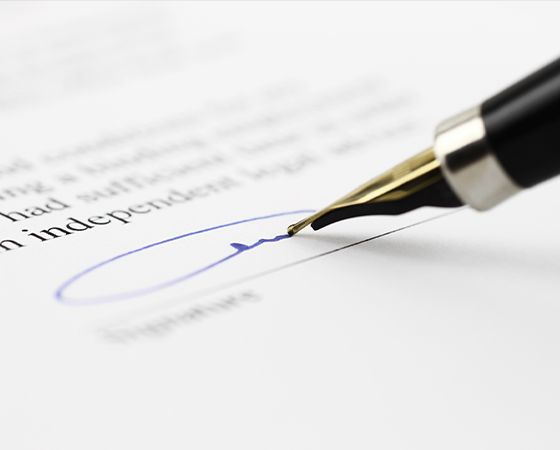
Step 04.Mass Production
Efficient manufacturing process
Step 05.Quality Inspection
Strict quality control standards

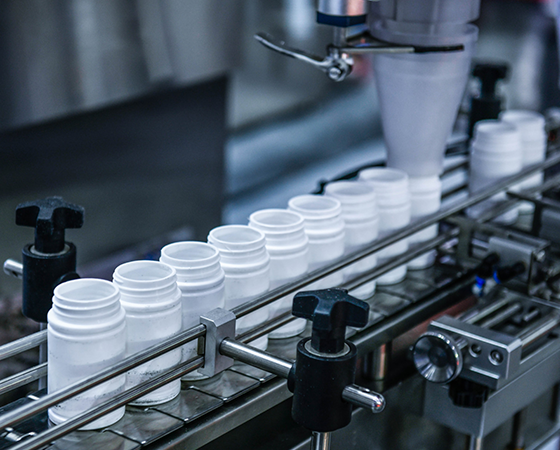
Step 06.Logistics Distribution
Global shipping solutions
Step 07.After-sales Service
Comprehensive support system

Step 08.Technical Support
Continuous technical assistance
Step 09.Ongoing Cooperation
Long-term partnership development
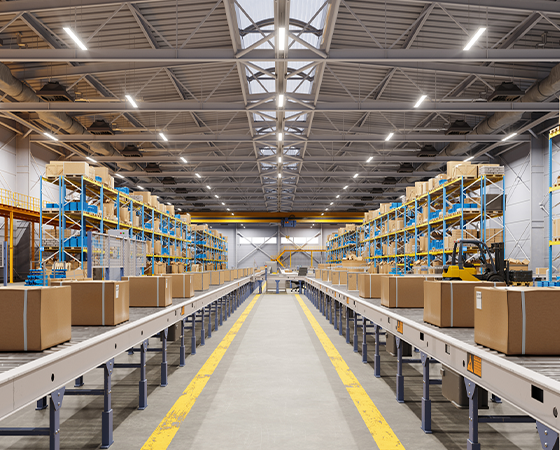
Step 010.Feedback Improvement
Continuous process optimization
OEM, ODM and Private Label: What the Difference Actually Is
The three terms are used interchangeably in sales emails and mean different things commercially. In OEM (original equipment manufacturing), you bring the formula or the specification and the factory manufactures to it — the product is yours, the intellectual property is yours, and the factory cannot sell the same formula to another brand without your consent. In ODM (original design manufacturing), the factory already has a developed formula in its catalogue; you brand it, sometimes with small adjustments. Private label usually sits between the two: a base formula exists, but the label, pack, dosage and often the flavour or potency are set for you. White label is the least customised version — the same product sold under many labels.
The difference matters for three reasons. Cost: ODM and private label are cheaper because development is already paid for. Speed: an ODM product can ship in six to eight weeks, an OEM formula from scratch adds four to eight weeks of development and stability work. Differentiation: if three competitors buy the same ODM formula, the only difference on the shelf is packaging. Most brands we work with start with a private-label base to test the market, then move to OEM once the SKU proves itself.
What an OEM Project Includes
A full OEM project covers formulation, ingredient sourcing, bench samples, stability and compatibility testing, scale-up, production, packaging, label compliance and export documentation. The formula work is the part buyers underestimate: a concept on paper has to survive taste, flow, hardness or dissolution requirements, then hold its assay for the shelf life you want to claim. We run accelerated stability at 40°C and 75% relative humidity, and real-time data where the launch schedule allows it.
Ownership and confidentiality are agreed before sampling starts. Standard terms: you own the formula developed for you, we sign an NDA, and we do not produce that formula for anyone else without written permission. If the formula uses a base we already own, we tell you at quoting stage rather than after launch, because it changes both the exclusivity and the price.
How to Choose an OEM Partner
Ask four questions before comparing prices. Which dosage forms are made on site rather than brokered to a third party? Which certificates cover the specific line that will make your product? Who signs the CoA, and what testing does it include? And what happens if the batch fails — is there a documented rework and rejection process? A factory that answers all four in writing is usually a factory that has been audited before.
Then compare quotes on identical scope: potency, fill weight, packaging, label printing, testing and Incoterms. The cheapest quote is usually the one with the most exclusions, and the difference reappears later as a reprint, a re-test or a freight surcharge.
OEM vs ODM vs Private Label
| Model | Who Owns the Formula | Level of Customisation | Typical Starting MOQ | Best For |
|---|---|---|---|---|
| OEM | You (developed for you) | Formula, dose, format and pack | 1,000 units | Brands with a proprietary formula or a clinical claim |
| ODM | The factory | Branding, pack, minor adjustments | 1,000 units | Fast launches and market testing |
| Private label | Shared, base formula | Label, pack size, sometimes flavour or potency | 1,000 units | Retail and marketplace sellers building a range |
| White label | The factory | Label only | 1,000 units | Sellers testing a category with minimal investment |
OEM Manufacturing FAQ
What is the minimum order for an OEM supplement project?
1,000 units per SKU for capsules, tablets, powders and liquids using stock packaging; gummies and softgels are higher because of tooling. Formula development itself is a one-off cost and does not change with order size.
Who owns the formula you develop for me?
You do, under our standard OEM terms, and we sign an NDA before development starts. We will not manufacture that formula for another brand without your written consent. If the formula is built on a base we already own, we disclose that before quoting.
Can I supply my own ingredients?
Yes, with conditions: the ingredient must arrive with a CoA, a specification and, where relevant, a free-sale certificate, and it must pass our incoming inspection. Customer-supplied material that fails identity or assay testing is rejected, and the delay is charged to the project.
How long does custom formula development take?
Four to eight weeks for a straightforward supplement, including bench samples, one or two revision rounds and accelerated stability. Formulas with a clinical claim, a novel ingredient or a difficult taste profile take longer.
Do you offer exclusivity on an ODM formula?
Yes, on negotiated terms — usually a volume commitment or an exclusivity fee, for a defined market and period. Exclusivity on a catalogue formula is a commercial agreement, not a technical one.
Can you handle the label and regulatory paperwork?
We design and check the artwork in-house and prepare the export document set: CoA, certificate of origin, health certificate and MSDS where required. Market-specific notifications, such as FDA facility registration or EU food business registration, remain the brand owner's responsibility, and we tell you exactly what is needed.

Cross-border eCommerce sellers (Amazon, TikTok Shop, Shopee, etc.)

Beauty, fitness, and nutrition brands expanding product lines.

Clinics, medical spas, and retail chains seeking private label products.

Content creators, MCNs, and health entrepreneurs launching brands.

Distributors and retailers wanting OEM product solutions.