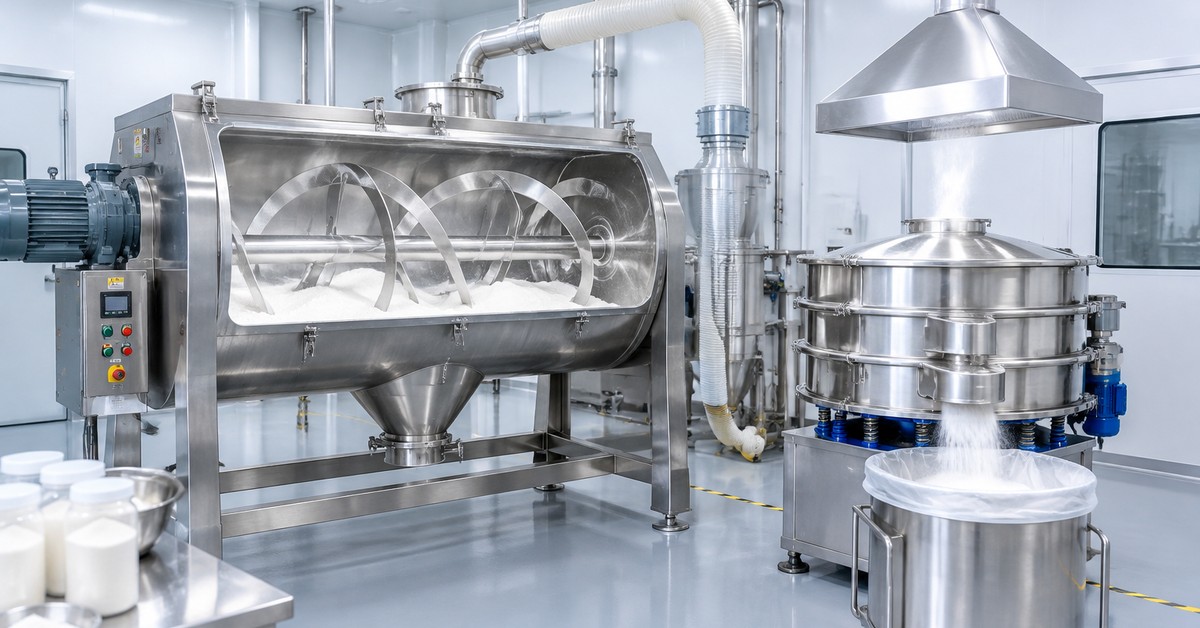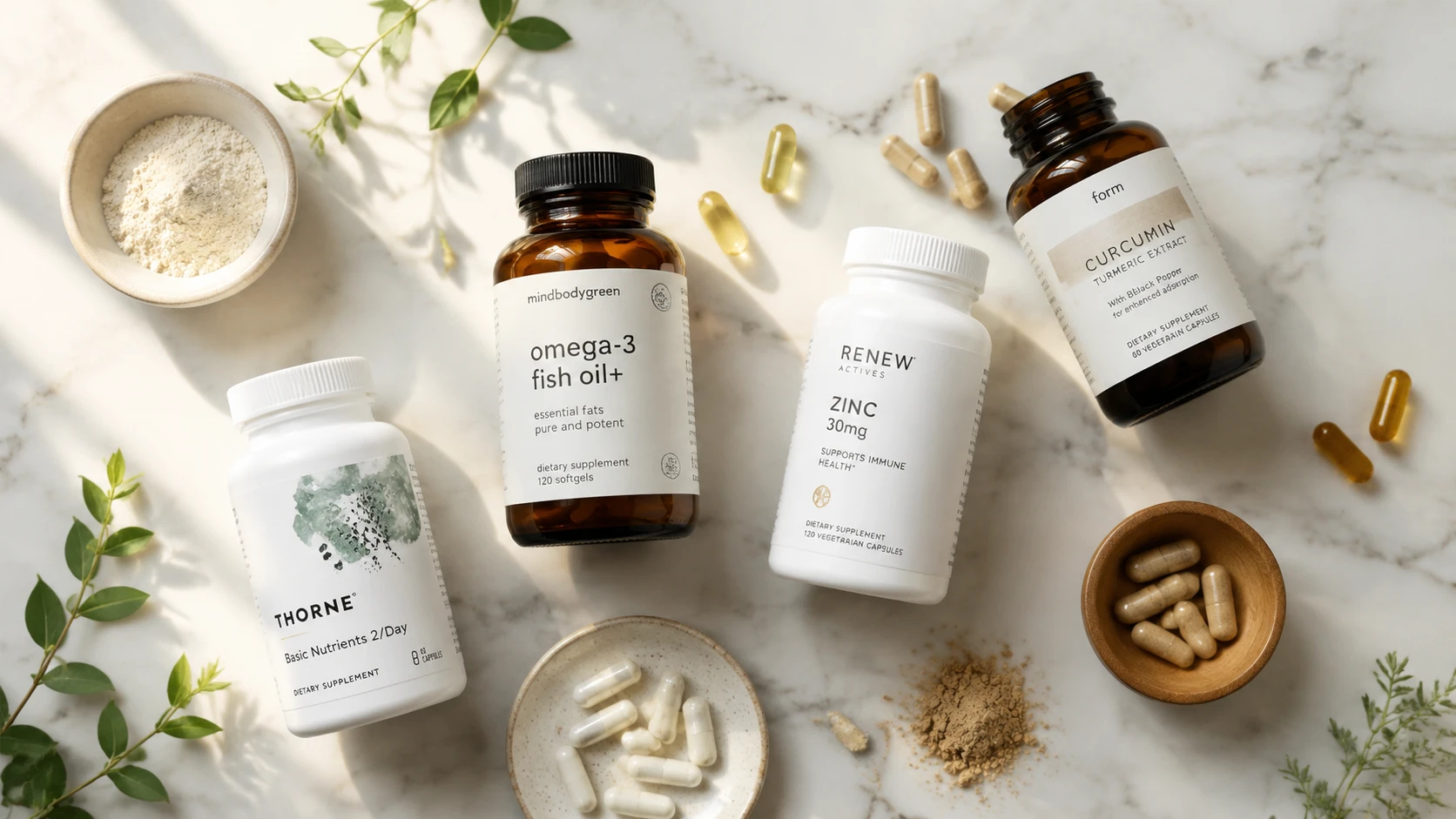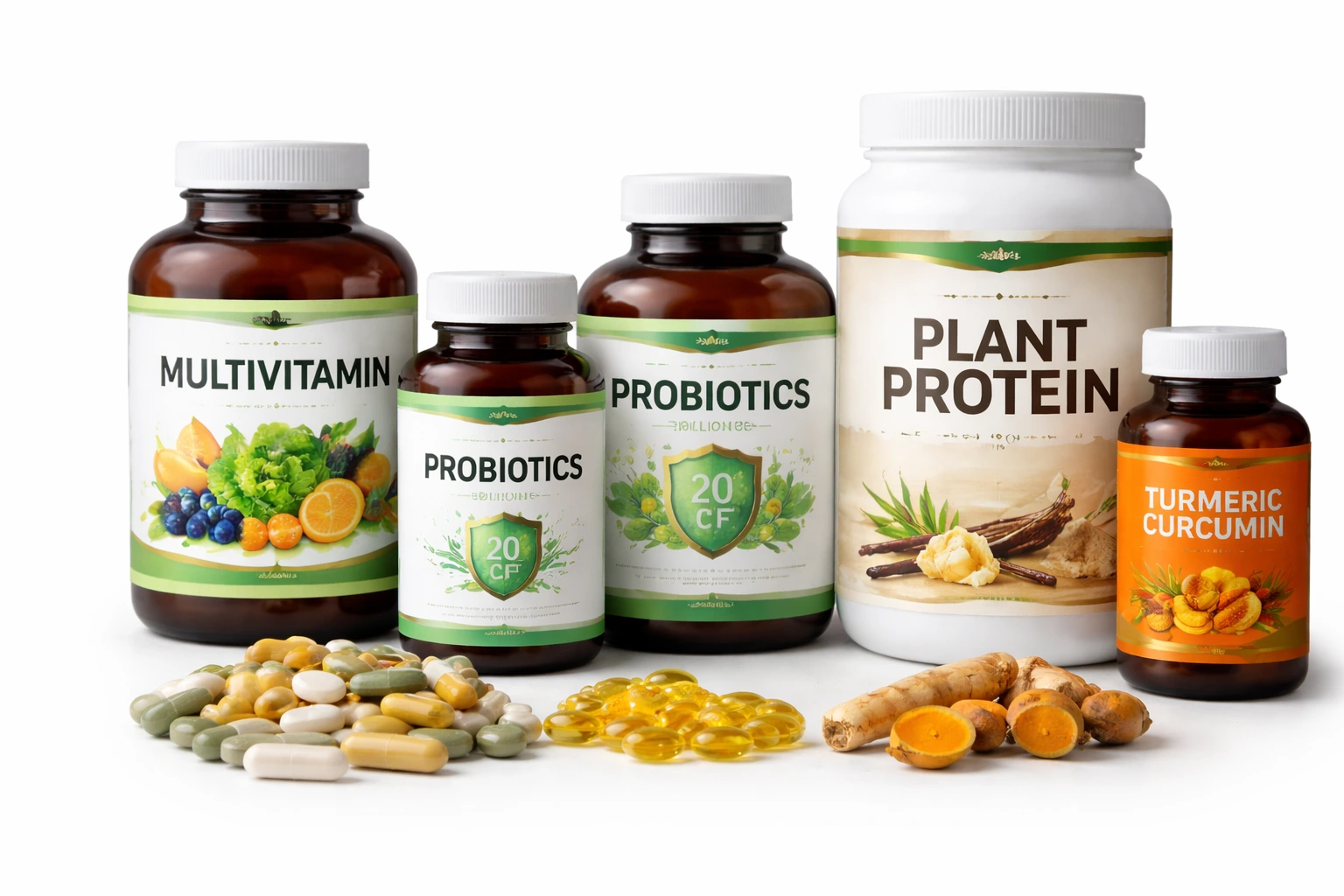

Good Manufacturing Practices (GMP) are the foundation of quality, safety, and compliance in the dietary supplement industry. For brands aiming to enter international markets such as North America, Europe, and the Middle East, GMP certification is more than a regulatory formality—it signals credibility, professionalism, and consumer trust.
Dietary supplements, unlike pharmaceuticals, are consumer-driven products, often marketed for wellness, energy, immunity, or beauty. Without GMP, there is a significant risk of ingredient contamination, inconsistent potency, inaccurate labeling, or microbial growth, which can damage brand reputation and lead to regulatory penalties.
GMP ensures that every step of the manufacturing process, from sourcing raw materials to packaging the final product, is meticulously documented, controlled, and verified. For overseas brands, partnering with a GMP-certified manufacturer is critical to meet regulatory standards, satisfy consumer expectations, and scale operations internationally.
Section 1: Core Principles of GMP in Dietary Supplements
GMP compliance involves multiple domains, each critical for ensuring product quality and safety. Understanding these principles helps brands evaluate manufacturers and protect their consumers.
1.1 Raw Material Sourcing and Supplier Management
-
Every ingredient must come from verified suppliers with traceable documentation and certificates of analysis (COA).
-
Testing is required for identity, potency, contaminants, heavy metals, pesticides, and microbial content.
-
Overseas markets, such as the U.S. and EU, require documented proof of compliance for imported products.
-
Manufacturers often maintain a preferred supplier list, which demonstrates experience in sourcing high-quality ingredients suitable for international markets.
1.2 Controlled Manufacturing Environment
-
Facilities must comply with cleanroom standards and maintain strict hygiene, temperature, and humidity controls.
-
Cross-contamination prevention is critical, particularly when producing multiple product lines with allergens, herbs, or active compounds.
-
Equipment cleaning protocols and employee hygiene training are mandatory to ensure consistency and safety.
1.3 Accurate Formulation and Documentation
-
Each batch must be produced according to standard operating procedures (SOPs) and fully documented.
-
Documentation includes ingredient weights, mixing times, processing parameters, and any deviations.
-
This traceability is essential for regulatory audits and ensures repeatable product quality.
1.4 Quality Control and Testing
-
Manufacturers conduct in-process and final product testing for potency, microbial content, heavy metals, pH, viscosity, and stability.
-
For international markets, some regions may require third-party lab verification.
-
Rigorous QC protocols minimize recalls and enhance brand credibility.
1.5 Packaging and Labeling Compliance
-
Labels must follow regulations in the target market, including ingredient lists, nutrition facts, allergen warnings, and permissible health claims.
-
Packaging must preserve integrity, prevent contamination, and support logistics for international shipping.
-
GMP ensures accurate labeling, which is a critical compliance requirement in FDA, EFSA, and GCC-regulated markets.
Section 2: How to Verify a GMP-Certified Manufacturer
For brands targeting international markets, simply claiming GMP compliance is not enough. Verification is essential to ensure quality, regulatory compliance, and consumer safety.
2.1 Review Certification Documents
-
FDA Registration (U.S.) – Ensure the manufacturer is registered and in good standing.
-
cGMP Certificates – Check for current certificates issued by regulatory authorities or third-party auditors.
-
ISO and HACCP Certifications – Indicate robust quality and food safety management systems.
-
Halal Certifications – For Middle East and global markets, relevant dietary certifications are often required.
-
Expiration Dates and Scope – Verify that the certificate covers liquid dietary supplements, not just general nutrition products.
2.2 Conduct Factory Audits
-
On-Site Inspection: If feasible, visit the facility to observe cleanliness, workflow, equipment condition, and employee practices.
-
Virtual Audits: For overseas partnerships, request live video tours, detailed SOP documentation, and QA/QC protocols.
-
Key Audit Points: Ingredient storage, mixing processes, filling lines, labeling stations, environmental monitoring, and sanitation procedures.
2.3 Evaluate Batch Records and Testing Reports
-
Request sample batch records to check for traceability, documentation integrity, and consistency.
-
Examine testing reports for microbial limits, potency verification, and heavy metals.
-
Ensure that the manufacturer uses validated analytical methods consistent with international standards.
2.4 Assess Export Experience
-
Check if the manufacturer has experience exporting to North America, Europe, and the Middle East.
-
Evaluate their familiarity with customs, labeling requirements, and import regulations for target regions.
-
Manufacturers with international experience are better equipped to handle regulatory inspections and reduce shipping delays.
Section 3: Selecting the Right GMP-Certified Manufacturer
Choosing the right manufacturing partner requires balancing quality, compliance, cost, and scalability. Consider the following factors:
-
R&D and Formulation Expertise
-
Can the manufacturer develop stable liquid formulations or improve existing recipes?
-
Do they offer flavor masking, solubility optimization, and bioavailability enhancement (e.g., liposomal or nanoemulsion delivery)?
-
-
Production Scalability
-
Can the manufacturer handle both pilot batches and large-scale production efficiently?
-
Are there multiple filling lines to prevent bottlenecks?
-
-
Quality Assurance Systems
-
Review their QA/QC protocols, testing equipment, and third-party verification processes.
-
Confirm that they maintain detailed SOPs and batch records for traceability.
-
-
Packaging and Labeling Capabilities
-
Can they provide market-ready packaging that complies with international regulations?
-
Do they handle multi-language labels, nutrition panels, barcodes, and export documentation?
-
-
Communication and Transparency
-
Reliable manufacturers provide clear updates, documentation, and proactive support during R&D, pilot production, and full-scale manufacturing.
-
Transparent pricing and contract terms reduce hidden costs and potential disputes.
-
-
Long-Term Partnership Potential
-
Evaluate whether the manufacturer can support product innovation, regulatory changes, and market expansion over time.
-
Strong partnerships reduce the need to switch suppliers and minimize production risks.
-
Section 4: Benefits of Partnering with GMP-Certified Manufacturers
Working with a reputable GMP-certified manufacturer provides multiple advantages:
-
Regulatory Compliance – Ensures products meet standards in North America, Europe, and the Middle East.
-
Consumer Trust – GMP-certified products enhance brand credibility and trustworthiness.
-
Product Safety & Consistency – Minimizes recalls and quality complaints.
-
Innovation Support – Access to advanced formulation, flavor systems, and delivery technologies.
-
Export Efficiency – Experienced manufacturers streamline logistics, documentation, and customs clearance.
Section 5: Leading Global GMP-Certified Dietary Supplement Manufacturers
For brands seeking high-quality partners, the following manufacturers are recognized for their GMP compliance, R&D capabilities, and international export experience:
| Manufacturer | Headquarters | Specialty | Key Strengths | Target Markets |
|---|---|---|---|---|
| NutraScience Labs | USA | Liquid & powdered supplements | FDA & cGMP certified, flexible MOQs, custom formulations | North America, Europe |
| Aenova | Germany | Capsules, liquid, functional beverages | EFSA compliance, advanced R&D, EU distribution | Europe, North America |
| Sirio Pharma | Italy | Herbal and functional liquids | Clean-label innovation, flavor expertise | Europe, Middle East |
| Bactolac | USA | Immune support & sports recovery liquids | Rigorous QA, e-commerce ready | North America, Middle East |
| Lonza | Switzerland | Liposomal and high-tech delivery systems | Advanced encapsulation, global compliance | Europe, North America, Asia |
| Prinova | USA | Nutritional liquids and flavor systems | Custom formulations, supply chain flexibility | North America, Europe |
| Vivimed Labs | India | Herbal and functional liquids | Halal & GMP certified, cost-effective | Middle East, Asia |
These manufacturers have extensive experience exporting to regulated markets and adhere to strict GMP protocols, making them ideal partners for international brands.
Collaboration Process with a GMP-Certified Manufacturer
Partnering with a GMP-certified manufacturer typically involves:
-
Initial Consultation
-
Discuss product concept, target market, regulatory requirements, and desired outcomes.
-
-
Formulation & R&D
-
Manufacturers develop compliant, stable formulations tailored to target regions.
-
Includes flavor optimization, solubility, and advanced delivery systems if needed.
-
-
Quality Testing & Pilot Production
-
Small batches undergo testing for potency, microbial contamination, stability, and sensory quality.
-
Feedback loops allow adjustments before full-scale production.
-
-
Full-Scale Manufacturing & Packaging
-
Commercial batches are produced, filled, labeled, and packaged according to GMP standards.
-
Multi-language labels and regulatory documentation are prepared for export.
-
-
Export & Logistics Support
-
Manufacturers manage customs documentation, shipping, and compliance with local import regulations.
-
Ensures timely delivery and regulatory adherence.
-
Potential Risks and How to Mitigate Them
Even with GMP-certified manufacturers, brands should be aware of potential risks:
-
Quality Inconsistencies – Mitigate by requesting regular batch records and third-party verification.
-
Regulatory Changes – Stay updated on FDA, EFSA, and GCC guidelines.
-
Supply Chain Disruptions – Choose manufacturers with multiple raw material suppliers and contingency plans.
-
Communication Gaps – Work with partners who provide transparent reporting, clear SOPs, and responsive customer support.
Market Trends in GMP-Compliant Dietary Supplements
Understanding market trends helps brands stay competitive:
-
Growth of Liquid Supplements
-
Consumers prefer convenient, fast-absorbing liquids, especially in functional wellness categories like immunity, beauty, and energy.
-
-
Clean-Label and Natural Ingredients
-
Increasing demand for additive-free, organic, and sustainably sourced products in North America and Europe.
-
-
Advanced Delivery Systems
-
Liposomal, nanoemulsion, and other high-bioavailability formats are becoming popular, enhancing efficacy.
-
-
Sustainability and Eco-Friendly Packaging
-
Environmentally conscious packaging is a competitive advantage for international brands.
-
-
E-Commerce and Global Distribution
-
Online sales channels are growing, requiring manufacturers who can support labeling, logistics, and compliance for multiple regions.
-
Actionable Tips for Brands
-
Verify GMP Certifications and Export Experience – Always request official documentation.
-
Start with Pilot Batches – Test product quality and consumer acceptance before scaling.
-
Assess R&D and Formulation Capabilities – Ensure manufacturers can meet both current and future product innovation needs.
-
Ensure Packaging and Labeling Compliance – Tailor labels to target markets, including multi-language requirements.
-
Establish a Long-Term Partnership – Choose a manufacturer capable of supporting regulatory changes, product scaling, and global market growth.
Conclusion
GMP certification is non-negotiable for dietary supplement brands aiming to enter overseas markets. By carefully selecting a GMP-certified manufacturer with proven international experience, strong R&D, and rigorous quality systems, brands can confidently deliver safe, high-quality, and compliant supplements to consumers in North America, Europe, and the Middle East.
Investing in GMP compliance is not just a regulatory requirement—it is a strategic advantage that enhances brand reputation, ensures consumer trust, and enables sustainable growth in the global dietary supplement market.
Authoritative References
-
National Institutes of Health, Office of Dietary Supplements (ODS).
-
U.S. Food & Drug Administration (FDA) – Dietary Supplements Guidance.
-
European Food Safety Authority (EFSA) – Nutrition & Health Claims.
-
GCC Standardization Organization (GSO) – Halal and Food Regulations.
-
Grand View Research, Dietary Supplements Market Report, 2025