1. What Is Private Label Supplement Manufacturing?
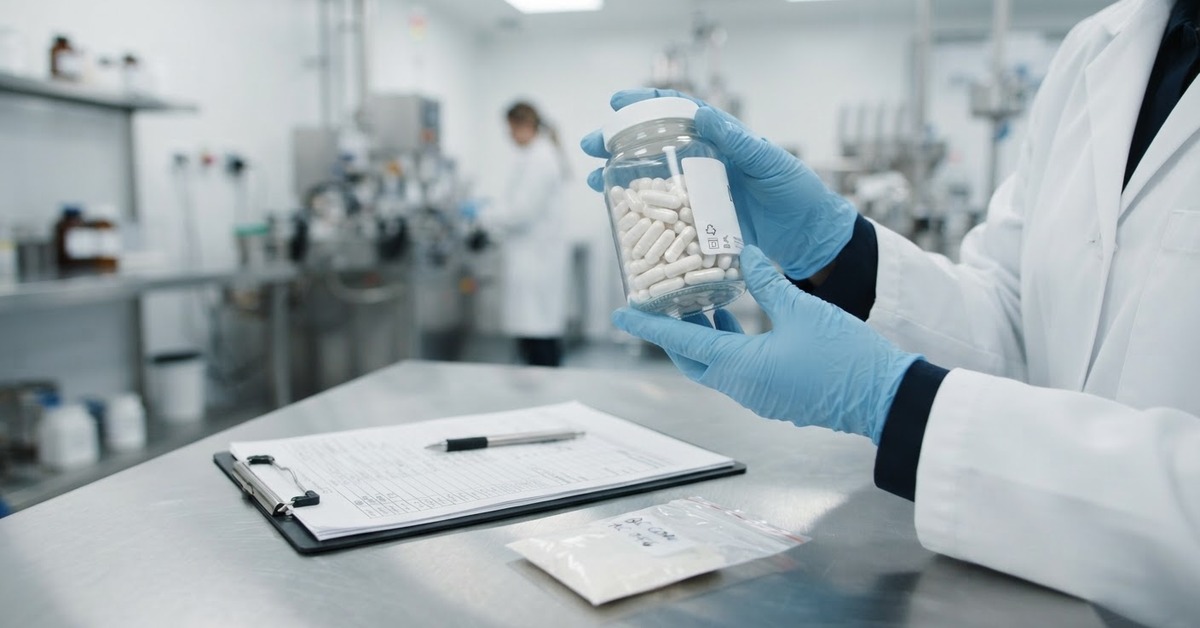
Private label supplement manufacturing is a business model where a manufacturer produces finished supplements that are sold under another company's brand name. The brand owner selects from the manufacturer's existing formulations (private label) or develops custom formulations (contract manufacturing), and the manufacturer handles production, packaging, and often regulatory compliance.
Key characteristics of private label supplements:
- Ready-to-market products: The manufacturer already has proven, market-tested formulations
- Your brand, their factory: The product carries your logo, colors, and brand identity
- Lower minimums: Private label typically requires lower MOQs than contract manufacturing
- Faster time-to-market: No R&D phase — you can go from order to shelf in 4-6 weeks
- Proven compliance: Existing formulations already meet regulatory requirements
Private labeling is the most popular entry point for supplement brand owners. According to industry estimates, 40-50% of all dietary supplements sold in the US are manufactured on a private label or contract basis. The approach dramatically reduces the barriers to entry: you don't need a GMP-certified facility, R&D team, or regulatory department — your manufacturer provides all of that.
2. Private Label vs White Label vs Contract Manufacturing
These three terms are often used interchangeably, but they represent distinct business models with different implications for brand owners.
| Factor | Private Label | White Label | Contract Manufacturing (Custom) |
|---|---|---|---|
| Definition | Manufacturer's existing formulations, packaged under your brand | Same as private label, often implies generic/unbranded base product | Custom formulation developed specifically for your brand |
| Formulation ownership | Manufacturer owns the formula; you cannot take it elsewhere | Manufacturer owns the formula | You may own the formula (negotiable) |
| Exclusivity | Rarely exclusive — other brands may sell same formula | Not exclusive — product is offered to multiple clients | Can negotiate exclusivity (typically at higher MOQ) |
| Minimum order (MOQ) | 1,000-10,000 units per SKU | 500-5,000 units | 10,000-100,000+ units |
| Time to market | 4-6 weeks | 3-6 weeks | 12-24 weeks (includes R&D) |
| Development cost | $0-500 (label design only) | $0 | $2,000-20,000+ |
| Product differentiation | Low (same formula as competitors) | Very low | High (unique to your brand) |
| Best for | New brands, fast validation | Commodity products | Established brands, unique products |
Most successful supplement brands start with private label to test the market, then move to custom formulations for differentiation as they grow.
3. Private Label Supplement Market Overview
The dietary supplement market is projected to reach $308 billion globally by 2032. Private label and contract manufacturing account for an estimated $120-150 billion of that market. Key trends driving private label growth:
3.1 Major Market Trends
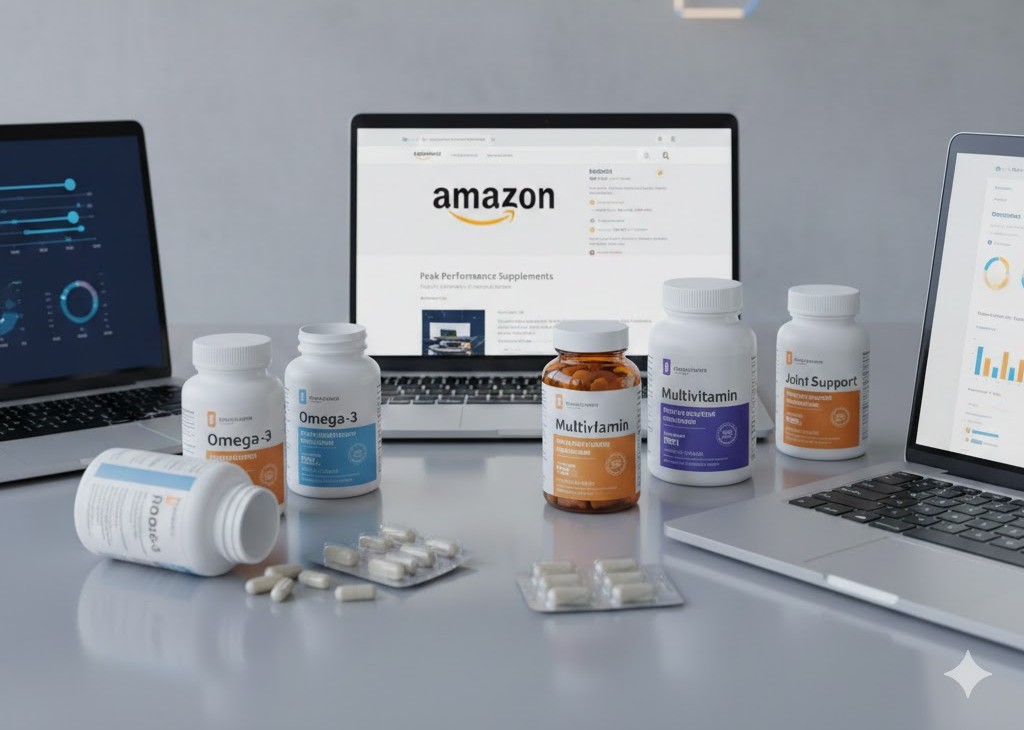
- E-commerce dominance: Amazon, Shopify, and TikTok Shop have lowered the barrier to entry for supplement brands. A brand can launch with a single SKU on Amazon FBA and scale from there.
- Direct-to-consumer (D2C) boom: Subscription-based supplement brands (e.g., Ritual, Care/of, Persona) have validated the subscription model, which now accounts for 15-20% of online supplement sales.
- Specialty ingredients: Consumers are seeking specific, science-backed ingredients (ashwagandha, NMN, berberine, quercetin, etc.), creating opportunities for targeted private label products.
- Clean label movement: Demand for non-GMO, organic, vegan, gluten-free, and allergen-free supplements is driving formulation changes across the industry.
- Personalization: While fully personalized supplements remain a niche, category-specific targeted blends (e.g., "menopause support," "gut health") are mainstream.
- Global expansion: US brands are expanding to Europe, Asia, and the Middle East; manufacturing in China for global export is a well-established model.
3.2 Best-Selling Supplement Categories (US Market, 2024-2025)
| Category | Est. Market Size (US, $B) | Growth Rate | Key Ingredients |
|---|---|---|---|
| Protein & Sports Nutrition | $14.5 | 7.2% | Whey, collagen, plant protein, creatine, BCAAs |
| Vitamins & Minerals | $11.8 | 3.5% | Vitamin D, magnesium, zinc, vitamin C, B-complex |
| Probiotics & Digestive Health | $7.8 | 8.5% | Probiotic strains, prebiotics, digestive enzymes |
| Sleep & Stress Support | $5.2 | 12.3% | Melatonin, magnesium glycinate, L-theanine, ashwagandha |
| Joint & Bone Health | $4.3 | 5.8% | Collagen, glucosamine, chondroitin, MSM |
| Heart Health | $3.9 | 4.2% | Omega-3, CoQ10, berberine, plant sterols |
| Immune Support | $3.5 | 6.0% | Vitamin C, zinc, elderberry, echinacea, quercetin |
| Cognitive/Brain Health | $3.2 | 9.5% | Omega-3 DHA, phosphatidylserine, bacopa, lion's mane |
| Beauty from Within | $2.8 | 10.1% | Collagen, biotin, hyaluronic acid, astaxanthin |
| Weight Management | $2.5 | 4.8% | Garcinia cambogia, green tea extract, CLA, fiber |
4. Best Product Categories for Private Label
Based on Semrush keyword data and market analysis, these are high-opportunity categories for new private label supplement brands:
4.1 High Commercial Intent Categories (Fast to Launch)
| Product Type | Est. Monthly Search Volume | MOQ (units) | Estimated COGS per unit | Selling Price Range |
|---|---|---|---|---|
| Collagen Peptides Powder | 200,000+ | 1,000-5,000 | $3-8 | $19.99-39.99 |
| Vitamin D3 + K2 Drops | 60,000+ | 5,000-10,000 | $2-5 | $14.99-24.99 |
| Magnesium Glycinate Capsules | 50,000+ | 10,000+ | $3-6 | $15.99-29.99 |
| Fish Oil Softgels | 80,000+ | 50,000+ | $4-10 | $19.99-39.99 |
| Ashwagandha Capsules | 70,000+ | 10,000+ | $2-5 | $14.99-24.99 |
| Probiotic Capsules | 90,000+ | 10,000-25,000 | $5-15 | $19.99-44.99 |
| Melatonin Gummies | 40,000+ | 25,000+ | $4-10 | $12.99-24.99 |
| NMN capsules | 30,000+ | 5,000-10,000 | $8-20 | $29.99-59.99 |
4.2 Emerging Categories (Lower Competition)
- Lion's Mane mushroom capsules (brain health, growing 15%+ YoY)
- NAC (N-acetylcysteine) capsules (respiratory + liver support)
- Quercetin + zinc (immune support, post-COVID awareness)
- Berberine (blood sugar support, "nature's Ozempic" trend)
- Athletic greens powder (green superfood blends)
- Tongkat ali + fadogia agrestis (testosterone support, male wellness)
- Glycine + magnesium for sleep (high-quality sleep stacks)
- Methylene blue (emerging nootropic/cognitive category)
- Red yeast rice + CoQ10 (heart health combination)
- Nigella sativa/black seed oil (anti-inflammatory, broad appeal)
5. Step-by-Step: From Idea to Product Launch
Launching a private label supplement brand typically follows this timeline:
Phase 1: Concept & Research (1-2 weeks)
- Define your target customer and their needs
- Research your competition (Amazon reviews are a goldmine — read 50-100 reviews to understand what customers want and what's missing)
- Identify your product category and dosage form (capsule, softgel, gummy, powder, liquid)
- Set your target price point and margin
- Create a product brief (target ingredient, dosage, serving size, monthly supply)
Phase 2: Manufacturer Selection (1-3 weeks)
- Research and vet 3-5 private label supplement manufacturers
- Send your product brief and request quotation
- Review samples, COAs, and certification documents
- Negotiate pricing, MOQ, payment terms, and lead times
- Select your manufacturer and sign agreement
Phase 3: Formulation & Sample Approval (2-6 weeks)
- For private label: Select from manufacturer's existing formulations
- For custom: Work with manufacturer's R&D team on formulation development
- Request and review samples (expect 1-3 rounds of sample revisions)
- Test samples: solubility (for powders), taste, color, dosage accuracy
- Finalize and approve formulation
Phase 4: Branding & Packaging Design (4-6 2-4, parallel with Phase 3)
- Register your trademark (USPTO / EUIPO / local IP office)
- Develop brand identity: brand name, logo, color palette, typography
- Design product labels (front, back, supplement facts panel, claims)
- Design retail packaging (bottle, box, pouch, or blister)
- Source and order packaging materials
Phase 5: Production (4-6 weeks)
- Manufacturer procures raw materials
- Production run (timeline depends on dosage form quantity and manufacturer capacity)
- In-process quality control
- Finished product testing (content uniformity, microbiology, stability initiation)
- Release testing and COA issuance
Phase 6: Regulatory & Compliance (parallel with Phase 5)
- FDA facility registration (if selling in US)
- Product listing (if required — NPN in Canada, AUST L in Australia, etc.)
- Supplement Facts panel creation
- Claim substantiation (structure/function claim notification with FDA, if applicable)
- Label compliance review
Phase 7: Sales Channel Setup & Launch (4-6 2-4)
- Amazon FBA: Create listing, ship to Amazon warehouses
- Shopify: Set up store, payment processing, shipping
- Wholesale: Contact retailers, set up distribution
- Marketing: Social media, influencer outreach, PPC campaigns
- Launch! 🚀
Total time to market: 12-24 weeks (private label) or 16-32 weeks (custom formulation). A rushed launch is rarely a successful launch — plan for quality at each step.
6. Formulation & Product Development
6.1 Ingredient Sourcing Considerations
The quality of your supplement starts with the quality of its ingredients. Key sourcing factors:
| Factor | Why It Matters | How to Verify |
|---|---|---|
| Ingredient purity | Contaminants can cause safety issues and regulatory problems | Request COA with heavy metals, microbial, and purity testing |
| Potency/assay | Under-dosed ingredients mean ineffective products | Third-party testing (e.g., USP, Eurofins, SGS) |
| Sourcing origin | Consumer demand for traceability; geopolitical risk management | Country of origin documentation, supplier audits |
| Sustainability | Increasingly important for brand reputation | Certifications (MSC, Rainforest Alliance, Fair Trade) |
| Allergen status | Allergen-free claims require validated supply chains | Segregation documentation, allergen testing |
| Price stability | Ingredient price volatility affects margins | Market analysis, supply agreements, price locks |
6.2 Common Private Label Formulation Approaches
| Approach | Description | Cost | Time | Risk |
|---|---|---|---|---|
| Use existing formulation as-is | Select from manufacturer's catalog | Low | Fast | No differentiation |
| Minor modification | Adjust dosage, change excipient, add or remove one ingredient | Low-Med | Moderate | Low |
| Custom blend of existing base | Combine 2+ existing bases with minor adjustments | Med | Moderate | Low-Med |
| Full custom formulation | Develop entirely new formulation from scratch | High | Slow | Moderate |
| Novel ingredient innovation | New ingredient, new form, or new delivery system | Very High | Very Slow | High |
Start with approach 1 or 2 for your first product. Move to approaches 3-5 as you validate your brand and market.
6.3 Dosage Form Selection
| Dosage Form | Best For | Consumer Preference | MOQ | Shelf Appeal |
|---|---|---|---|---|
| Capsules (HPMC) | Powder ingredients, vitamins, minerals, herbal extracts | High (familiar, easy to swallow) | 10,000+ | Moderate (transparent options available) |
| Tablets | High-dose ingredients, compressed formulations | Moderate (some dislike swallowing large tablets) | 25,000+ | Moderate |
| Softgels | Oil-based ingredients (fish oil, CoQ10, vitamin E, etc.) | High (perceived as premium) | 50,000+ | High |
| Gummies | Vitamins, collagen, melatonin, immunity | Very High (best compliance) | 25,000+ | Very High |
| Powders | Collagen, protein, greens, creatine | Moderate (requires mixing) | 500-1,000 | High (premium tubs, stick packs) |
| Liquids/Tinctures | CBD, vitamin D drops, herbal extracts | Moderate | 1,000+ | Moderate |
7. Packaging, Labeling & Brand Design
7.1 Packaging Options
| Packaging Type | Cost for 3,000 units (est.) | MOQ | Best For |
|---|---|---|---|
| HDPE bottle (60-120 count) | $1,500-4,000 | 5,000-10,000 | Most supplement types |
| Glass bottle (premium) | $4,000-8,000 | 5,000-10,000 | Premium positioning, liquid tinctures |
| Stand-up pouch (resealable) | $800-2,000 | 1,000-5,000 | Powders (collagen, protein, greens) |
| Single-serve stick pack | $500-1,500 | 1,000-10,000 | On-the-go powders |
| Blister pack | $2,000-5,000 | 25,000+ | Clinical dosing, travel packs |
7.2 Label Requirements by Market
United States (FDA enforced):
- Statement of Identity (product name)
- Net quantity of contents
- Supplement Facts panel (serving size, servings per container, active ingredient amounts, % Daily Value)
- Other ingredients panel (inactive ingredients, descending order by weight)
- Manufacturer/distributor name and address
- Allergen declaration (major allergens per FALCPA)
- Suggested use / directions
- Structure/function claims (if applicable; must include FDA disclaimer)
- Lot number and expiration date
European Union (EFSA / local authority):
- Product name and description
- Net quantity (metric)
- Nutritional information / ingredients list
- Daily allowance / NRV percentages
- Allergen declaration (EU 1169/2011)
- Name and address of manufacturer/distributor
- Best before date + lot number
- Health claims (very restricted — must be on the approved list per EC 1924/2006)
Canada (Health Canada):
- NPN (Natural Product Number) must be displayed on the label
- Medicinal ingredients list with quantity per dosage unit
- Non-medicinal ingredients list
- Recommended use / recommended dose
- Risk information / cautions
- Dual-language labeling (English + French) is mandatory
7.3 Brand Design Best Practices
- Differentiation is critical: The supplement shelf is crowded. Invest in professional design — your label is your first impression.
- White space is your friend: Don't cram every claim onto the label. Clean, readable design conveys quality.
- Tell a story: Why should a customer choose your collagen over the 50 other options on Amazon?
- Social proof: Include space for awards, certifications (Non-GMO, organic, etc.), and customer testimonial icons
- QR codes: Link to batch-specific COAs for transparency — this builds trust
- Typography: Ensure the Supplement Facts panel is legible (minimum 6pt font, per FDA requirements)
- Color psychology: Green = natural/plant-based, Blue = health/trust, White = clean/premium, Gold = premium
8. Regulatory Compliance by Market
8.1 United States (FDA — The Most Accessible Market)
- cGMP (21 CFR Part 111): Your manufacturer must comply. You should verify their GMP status.
- FDA Facility Registration: The manufacturing facility must be registered with the FDA. Brand owners distributing from their own warehouse may also need to register.
- NDI Notification: If your product contains a new dietary ingredient not marketed before 1994, you must submit an NDI notification 75 days before marketing.
- DSHEA Compliance: The Dietary Supplement Health and Education Act defines what a dietary supplement is and how it can be marketed.
- FTC Oversight: Advertising claims are regulated by the FTC. "Miracle cure" claims will get you in trouble.
8.2 European Union
- Food Supplements Directive (2002/46/EC): Defines supplement categories (vitamins, minerals, and other substances)
- Novel Foods Regulation (EU 2015/2283): Many popular US supplement ingredients are not approved for EU sales without novel foods authorization
- Fortified Foods Regulation (EC 1925/2006): Controls addition of vitamins and minerals to foods
- Health Claims Regulation (EC 1924/2006): Very restrictive — only pre-approved claims are allowed
8.3 Other Markets Quick Comparison
| Market | Regulatory Body | Product Registration Required? | Label Language | Ease of Entry* |
|---|---|---|---|---|
| United States | FDA | No (facility registration only) | English | Easy |
| Canada | Health Canada | Yes (NPN required per SKU) | English + French | Moderate |
| EU/UK | EFSA / FSA | No (notification in some states) | Local language(s) | Moderate-Hard |
| Australia | TGA | Yes (AUST L or AUST R) | English | Moderate |
| Japan | MHLW / CAA | Yes (FOSHU or FNFC) | Japanese | Hard |
| China | CFDA/SAMR | Yes (Blue Hat registration) | Chinese | Hard |
| Saudi Arabia | SFDA | Yes | Arabic + English | Moderate |
| Brazil | ANVISA | Yes | Portuguese | Hard |
*Based on complexity, cost, and time requirements. "Easy" does not mean "simple"—regulations still apply.
9. Cost Analysis & Pricing Strategy
9.1 Example P&L for a Private Label Supplement
Product: Ashwagandha Capsules (60 count bottle, standard formulation)
Batch size: 10,000 bottles
| Item | Per Bottle Cost | Per Batch Cost (10,000) |
|---|---|---|
| Raw ingredients (Ashwagandha powder, capsule shells) | $1.50 | $15,000 |
| Manufacturing (encapsulation, blending, QC) | $0.80 | $8,000 |
| Bottle + cap + seal | $0.60 | $6,000 |
| Label + printed box | $0.40 | $4,000 |
| Desiccant + cotton | $0.10 | $1,000 |
| Third-party lab testing | $0.15 | $1,500 |
| Shipping (manufacturer to warehouse) | $0.25 | $2,500 |
| Duties/customs (if importing) | $0.20 | $2,000 |
| Total COGS | $4.00 | $40,000 |
9.2 Pricing Strategy
| Channel | Typical Retail Price | Your Margin (Gross) | Notes |
|---|---|---|---|
| Amazon FBA | $21.99-24.99 | 25-40% | After Amazon fees (15-20%), PPC cost (10-30% of revenue) |
| Shopify/D2C | $24.99-29.99 | 50-65% | After payment processing (2-3%), marketing costs |
| Wholesale to retailers | $14.99-16.99 (wholesale to store) | 25-35% | Retailer marks up to $29.99-34.99 |
| Practitioners (doctors, chiropractors) | $19.99-24.99 | 40-50% | Lower volume but higher margins and loyalty |
9.3 Total Investment Estimate for First Product Launch
| Item | Est. Cost |
|---|---|
| Product development / formulation | $0-5,000 |
| Inventory (10,000 bottles at $4/bottle) | $40,000 |
| Brand identity & design (logo, label, packaging) | $2,000-5,000 |
| Packaging materials (bottles, labels, boxes) | $10,000-15,000 |
| Third-party testing | $1,500-3,000 |
| Regulatory (FDA registration, label review) | $500-2,000 |
| Trademark registration | $500-2,000 |
| Website/e-commerce setup | $1,000-5,000 |
| Amazon listing creation | $500-2,000 |
| Total estimated investment | $15,000-75,000 |
A lean launch with small batch (1,000-3,000 units) and basic branding can start at $15,000-25,000. A full launch with custom packaging and larger inventory is $50,000-75,000+.
10. Mid-Volume Keyword Opportunities (100-500/mo)
Beyond the high-volume keywords targeted by this article series, the Semrush data revealed several medium-volume keywords with good commercial intent:
| Keyword | Monthly Volume | KD (Difficulty) | Intent | Suggested Content Type |
|---|---|---|---|---|
| collagen manufacturer | 390 | Moderate | Commercial | Manufacturer profile page |
| supplement manufacturer | 390 | Moderate | Commercial | Manufacturer capabilities page |
| private label supplement manufacturers | 590 | High | Commercial | Landing page + guide (this article) |
| private label supplements | 260 | Moderate | Commercial | Guide article |
| softgel manufacturer | 210 | Moderate | Commercial | Landing page |
| contract manufacturer dietary supplements | 260 | Moderate | Commercial | Buyer's guide article |
| gummy supplement manufacturer | 210 | Low-Moderate | Commercial | Product page + guide |
| collagen contract manufacturing | 170 | Low | Commercial | Service page |
| supplement manufacturing companies | 170 | Moderate | Commercial | Comparison page |
| halal supplement manufacturers | 140 | Low | Commercial | Niche landing page |
These keywords represent opportunities for additional landing pages, product pages, and short-form content that can drive targeted traffic at lower competition than head terms.
11. How to Choose a Private Label Supplement Manufacturer
Selecting the right private label supplement manufacturers partner is the most important business decision you'll make. Here's a structured evaluation approach:
11.1 Evaluation Criteria Scorecard
| Criteria | Weight | What to Evaluate |
|---|---|---|
| Certifications & Compliance | 30% | cGMP (21 CFR Part 111), ISO 22000/9001, NSF-GMP, FDA registration, organic, halal, |
| Product Quality | 25% | In-house QC lab, third-party testing frequency, raw material sourcing policy, batch consistency |
| Production Capability | 15% | Dosage forms offered, capacity, equipment age, batch size flexibility |
| R&D & Formulation Support | 10% | In-house formulators, speed of sample turnaround, formulation library |
| MOQ & Pricing | 10% | Minimum per SKU, volume pricing tiers, payment terms (deposit/structure) |
| Communication & Service | 10% | Response time, English proficiency, transparency, willingness to answer questions |
11.2 Essential Questions to Ask
- What certifications does your facility hold? Can we see the latest audit certificates?
- Do you have an in-house QC lab? What tests do you perform in-house vs. outsource?
- Can you provide a reference from a brand in my product category?
- What is your MOQ for private label vs. custom formulation?
- What is your standard lead time from order to shipment?
- Do you offer label design or regulatory support?
- Can you provide samples of your existing private label formulations?
- What quality testing do you perform on each batch?
- What is your raw material sourcing policy? Do you use the same suppliers consistently?
- What is your policy on formula changes or product returns?
11.3 Red Flags to Watch For
- Unusually low pricing — there's no such thing as premium quality at bottom prices
- Reluctance to share COAs or certification documents
- Poor communication or slow responses
- Vague answers about raw material sourcing
- No in-house QC testing capability
- Pressure to place a large order without sample approval
- Negative reviews or complaints online
- Inability to provide client references
12. Why ZOOMSHEAL for Private Label Supplement Manufacturing
ZOOMSHEAL has been a trusted private label supplement manufacturer since 2003. We offer comprehensive end-to-end services for supplement brands worldwide.
Our Private Label Services
| Service | Details |
|---|---|
| Product Range | Gummies, softgels, capsules (HPMC/gelatin), tablets, collagen powders, protein powders |
| Formulation Library | 200+ proven formulations ready for your brand label |
| Custom Formulation | In-house R&D with 5 scientists for custom product development |
| Packaging Options | Bottles (HDPE/glass), stick packs, stand-up pouches, blister packs, branded boxes |
| Label Design | Graphic design support for label creation |
| Regulatory Support | Supplement Facts panel creation, label compliance review, FDA registration guidance |
| Testing | In-house QC lab + third-party testing partner for full COA per batch |
| Shipping | DDP shipping to US, UK, EU, Australia, Middle East — door-to-door with customs clearance |
Facility Overview
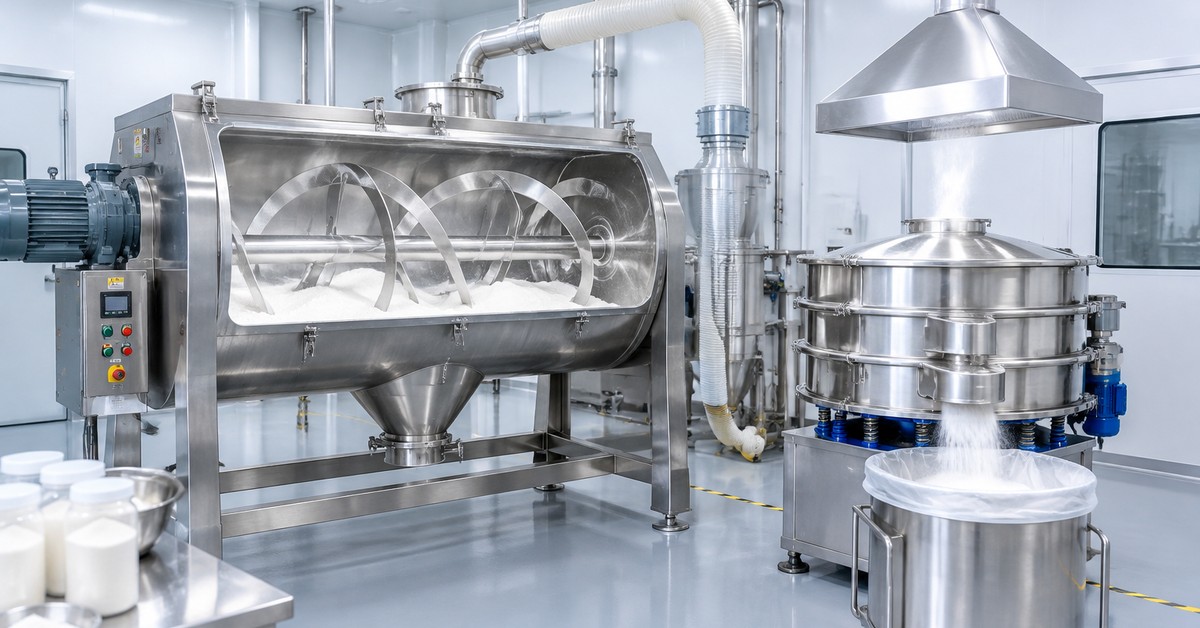
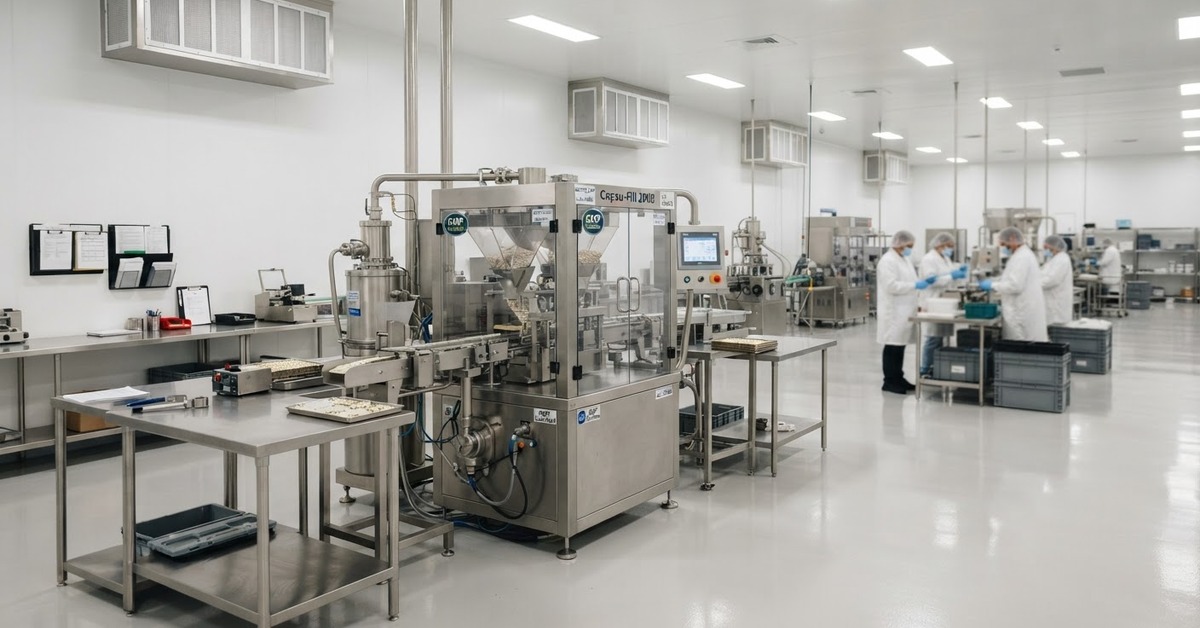
- 10,000 sqm GMP-certified production facility
- 100,000-grade cleanroom
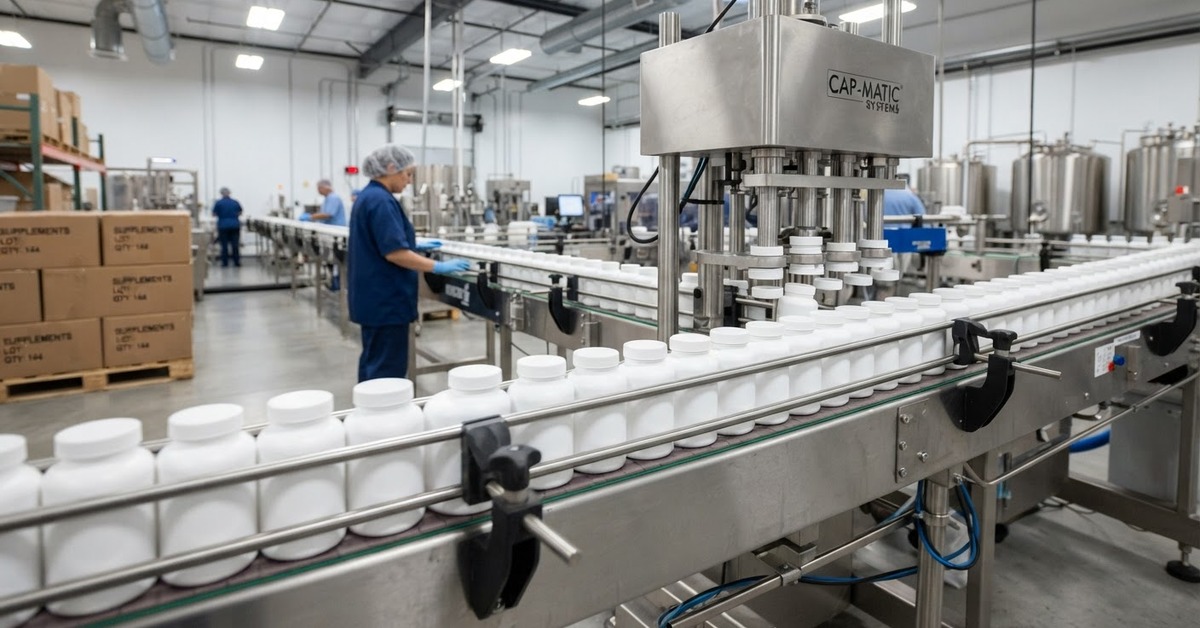
- 5 fully automated production lines
- Annual capacity: 1 billion tablets + millions of gummies and softgels
- Certifications: ISO 9001, ISO 22000, HACCP, NSF-GMP, Halal
Dosage Forms Available
| Form | MOQ (units) | Lead Time | Sample Photos |
|---|---|---|---|
| Gummies | 25,000+ bottles | 4-6 weeks | Contact for samples |
| Softgels | 50,000+ caps | 4-6 weeks | Contact for samples |
| Capsules (HPMC/Gelatin) | 10,000+ caps | 4-6 3-5 | Contact for samples |
| Tablets | 25,000+ tabs | 4-6 weeks | Contact for samples |
| Collagen Powder | 500-1,000 kg | 4-6 weeks | Contact for samples |
Our Existing Private Label Products Include
- Astaxanthin 6mg + Vitamin E Softgels
- Vitamin D3 500 IU + K2 Softgels
- Lutein 20mg Softgels
- Beauty Collagen Peptides Powder (Marine, 3,000 Da)
- Multi-Collagen Types I, II, III, V, X Powder
- Custom gummy formulations (vitamins, collagen, melatonin, immunity blends)
13. Frequently Asked Questions
How is private label different from OEM?
Private label: you select from the manufacturer's existing formulations and add your brand. OEM (Original Equipment Manufacturing) or contract manufacturing: the manufacturer produces a custom formulation you've developed. Private label is faster and cheaper; OEM offers more differentiation.
How much does it cost to start a private label supplement brand?
A lean launch with one SKU, small batch, and basic branding can start at $15,000-25,000. A full launch with custom packaging, larger inventory, and marketing typically requires $50,000-75,000+. This covers product, packaging, testing, regulatory, branding, and initial marketing.
How long does it take to launch a private label supplement?
4-6 weeks for private label (existing formulation, new label). 12-24 weeks for custom formulations (including R&D, sample iterations, and stability testing). Amazon FBA adds 4-6 2-4 for listing creation and shipping to warehouses.
Is a trademark required to sell supplements?
Not legally required, but highly recommended. A registered trademark protects your brand name, prevents others from selling under your brand on Amazon, and is often required for retail distribution agreements.
Can I sell supplements without GMP certification?
If you manufacture yourself: no — you must comply with cGMP (21 CFR Part 111 for US market). However, if you use a GMP-certified private label manufacturer, their certification covers production — you are not required to have your own GMP certification as a brand owner/distributor.
What is the difference between private label and white label?
In practice, the terms are used almost interchangeably. "White label" sometimes implies a completely generic, unbranded product that the buyer labels themselves. "Private label" usually implies that the manufacturer provides some branding and packaging service. The underlying manufacturing model is the same.
Can I sell the same private label product as another brand?
Yes. Unless you negotiate an exclusivity agreement (typically requires higher MOQ and premium pricing), the manufacturer can supply the same formulation to multiple clients. Your differentiation comes from branding, packaging, positioning, and marketing.
What dosage forms should I start with?
Start with capsules or powders — they have the lowest MOQs, shortest lead times, and are most familiar to consumers. Gummies and softgels require higher MOQs and are better suited for a second product launch after you've validated your brand.
Do I need liability insurance to sell supplements?
Strongly recommended. Product liability insurance protects you in the event of adverse reactions or claims. Expect to pay $500-3,000/year for a small supplement brand (policy limits depend on product category and revenue).
How do I choose between US-based and overseas manufacturing?
US-based: higher COGS (2-3x), lower MOQ, faster shipping, no import/customs, easier communication. Overseas (China/India): lower COGS, higher MOQ, longer lead time, import/customs required, but significantly lower per-unit cost that improves margin. Many successful brands start US-based and move overseas as they scale.
Frequently Asked Questions
What is the minimum order quantity (MOQ) for private label supplements?
Private label MOQs depend on the dosage form and packaging. Most stock-formula orders start at a few thousand units per SKU, while fully custom formulations and bespoke packaging start higher. We help brand owners find the lowest viable order for a market test before scaling.
How long does private label supplement manufacturing take?
Once the formula and artwork are approved, most private label orders ship in about four to six weeks. Custom formulations, novel dosage forms and imported components can extend the timeline.
Do private label supplements need FDA approval?
The FDA does not approve individual supplement products. Instead, manufacturers must follow FDA cGMP (21 CFR Part 111), and brand owners are responsible for label compliance and claims. We manufacture in an FDA-registered, GMP-certified facility and support label review.
What is the difference between private label and contract manufacturing?
Private label uses a manufacturer's existing, proven formulations sold under your brand, which is faster and lower-cost. Contract manufacturing develops a custom formula from your specification, giving you a unique product with a higher upfront investment.
Can you help with packaging and label design?
Yes. We support bottles, jars, sachets, stick packs and blister formats, and advise on label content so it meets the requirements of your destination market.
Explore Our Manufacturing Capabilities
- Private label supplement manufacturing
- White label supplement manufacturing
- Custom formulation manufacturing
- Low-MOQ supplement manufacturing
- Powder supplement manufacturer
- Capsule supplement manufacturer
- Certifications: GMP, ISO, FDA
Request a private label quote and our team will get back to you within one business day.