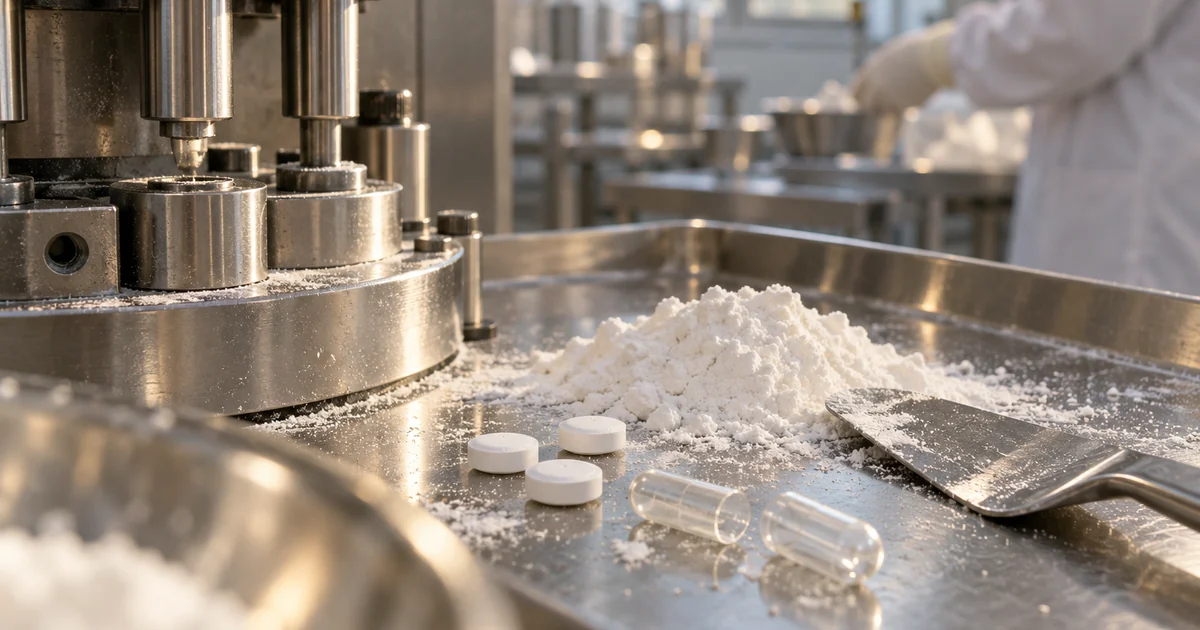
Most supplement brands eventually end up looking at China, and for reasons that have little to do with price alone. The country hosts the deepest concentration of capsule, tablet, softgel, gummy and powder capacity in the world, along with the ingredient supply chain that feeds it. For a founder comparing quotes, that combination is hard to ignore.
It is also where sourcing goes wrong most expensively. The gap between a good Chinese contract manufacturer and a convincing one is not visible in a quotation sheet: it sits in licence scopes, batch records, formula ownership clauses and the difference between a factory and a trading company with a rented meeting room.
This guide covers what "contract manufacturing" means in the Chinese market, the nine checks worth completing before you wire a deposit, what a quote usually hides, and how to audit a supplier you cannot visit in person.
What contract manufacturing means in China
The English phrase covers three different business models, and Chinese suppliers often use them interchangeably in email. They are not interchangeable on a purchase order.
| Model | Who owns the formula | What you buy | Typical use |
|---|---|---|---|
| OEM (original equipment manufacturing) | You | Production of your formula and specification | Brands with a formulator or an existing recipe |
| ODM (original design manufacturing) | The factory, usually with a licence to you | A finished formula from their catalogue, branded for you | Fast launches, private label ranges, market testing |
| CDMO (contract development and manufacturing) | Shared, defined in the development agreement | Development work plus commercial production | New dosage forms, clinically positioned products, novel ingredients |
The distinction matters commercially. In an ODM arrangement the factory may sell a near-identical product to three other brands, and your exclusivity depends entirely on what the contract says. In an OEM arrangement you should be able to walk away with your formula and your batch records, which is why the ownership clause deserves more attention than the price.
Why brands source from China
- Dosage-form depth. A single industrial zone can host specialists in hard capsules, softgels, effervescent tablets, gummies, stick packs and sachets, each with tooling already paid for.
- Ingredient proximity. Vitamins, amino acids, botanicals and excipients are largely produced or traded within the same supply chain, which shortens lead times and reduces the number of intermediaries between you and the raw material.
- Cost structure. Labour, tooling and packaging conversion are cheaper than in North America or Western Europe, and the gap widens at volumes above a few thousand units.
- Speed to market. Factories that run the same format every week can often move from approved artwork to shipped bulk in five to seven weeks.
None of that removes the need for diligence. It only changes where the diligence goes.
Nine checks before you send a deposit
1. The legal right to manufacture what you are buying
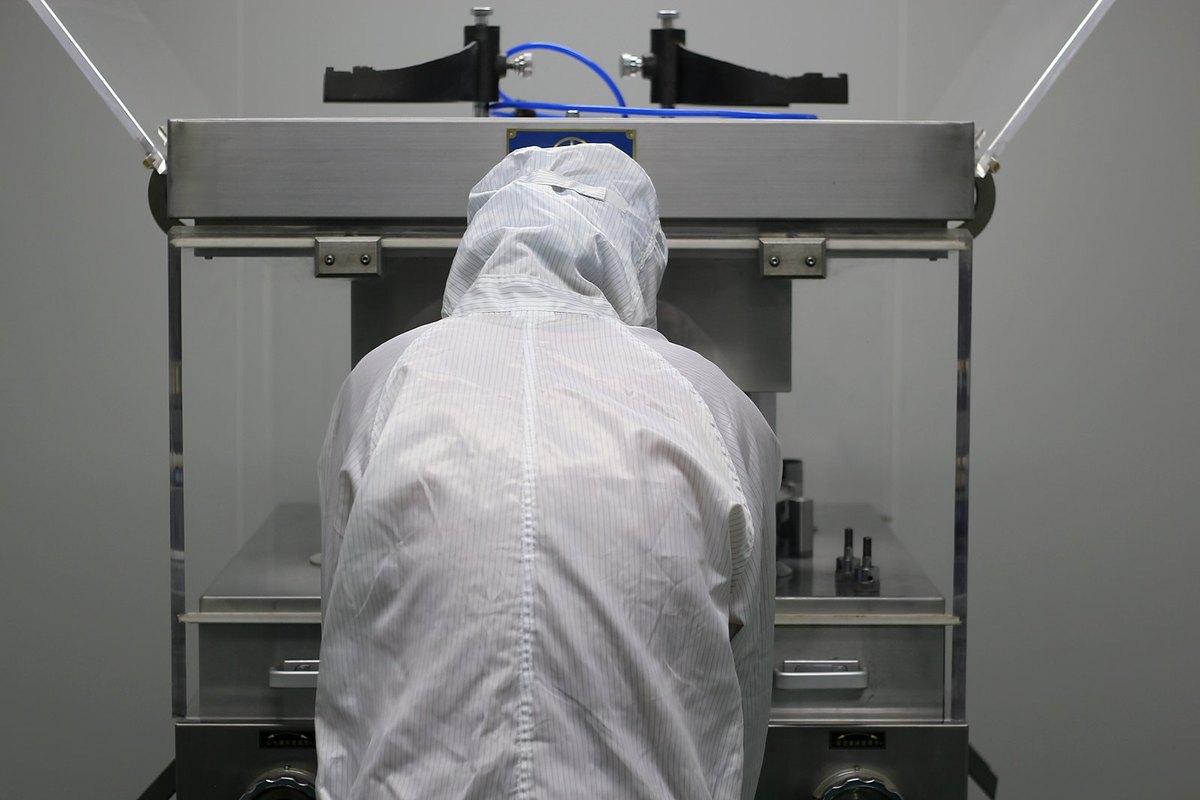
Every Chinese food and supplement factory holds a food production licence (SC number) that lists permitted product categories. Ask for the licence and read the scope, not just the number. A factory licensed for solid beverages is not automatically licensed for softgels, and a supplier that cannot produce the document for the exact category is either a trader or is outsourcing your batch.
Cross-check the company on the national enterprise credit system (gsxt.gov.cn): registered capital, established date, business scope, and whether the entity matches the name on the quotation. For products sold inside China, supplements also require registration or filing as health food, which is a separate regime from export production.
2. GMP and who actually audited it
"GMP" on a Chinese website can mean a self-declared poster, a domestic hygiene audit, or a full third-party certification with a certificate number you can verify. Ask for the certificate, the issuing body, the scope and the expiry date, then confirm it with the issuer. For exports to the United States, ISO 22000, NSF or HACCP certification signals a plant that has been audited against something more demanding than a local inspection checklist.
3. Export experience in your destination market
Regulatory fit is not a formality. A factory that ships regularly to the United States will already hold an FDA food facility registration and understand current Good Manufacturing Practice and FSVP obligations for your importer. One that ships to the EU will know about health claims rules and novel food status. Ask how many shipments they sent to your market last year, and ask for the registration numbers rather than assurances.
4. Who owns the formula, and who else gets it
This is the clause that decides what your brand is worth in three years. Confirm in writing that the formula, the specification, the batch records and the artwork are yours, that the factory will not produce the same formula for another customer, and that all of it transfers to you if the relationship ends. A mutual NDA is a start, not a substitute for an ownership clause.
5. Certificates of analysis and independent testing
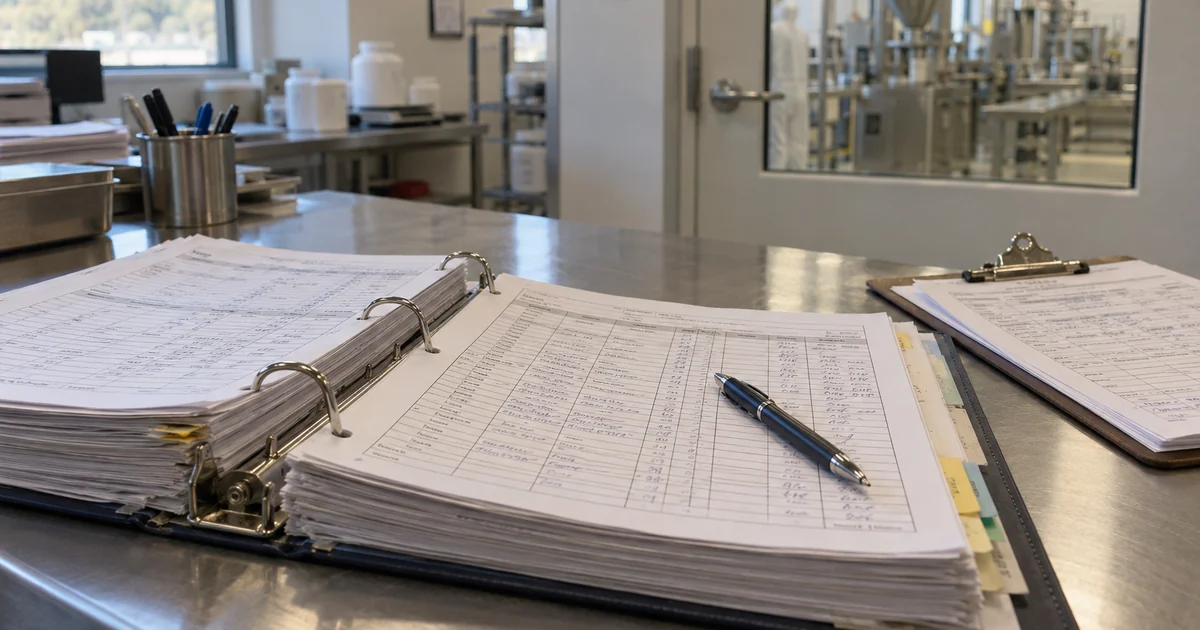
Every batch should arrive with a CoA covering identity, potency, heavy metals, microbial limits, and any market-specific tests such as residual solvents or pesticide residues. The useful questions are which laboratory produced the result, whether it is in-house or third-party, and whether you can send a sample to your own lab for verification. A supplier that resists third-party testing is telling you something.
6. MOQ, tooling and how price behaves at volume
Minimum order quantities in China are usually driven by machine time and packaging runs rather than by raw material. Expect a few thousand units per SKU for gummies, tablets and capsules, and higher thresholds for custom moulds, stick packs or printed pouches. Ask separately for the tooling or mould cost, the setup fee, the plate or print charge, and whether the tooling belongs to you after the first order.
7. Label and claims compliance for your market
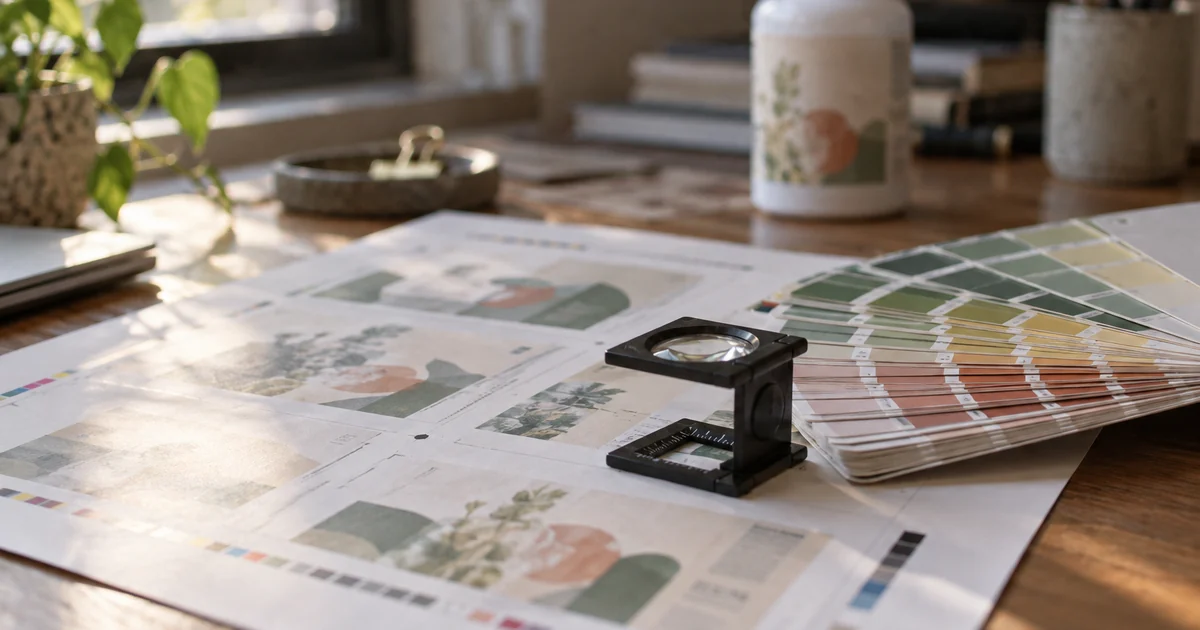
Chinese factories are expert at producing; they are not your regulatory department. Supplement facts panels, allergen declarations, dosage wording, structure-function claims and ingredient naming rules are all destination-specific. Ask who reviews the artwork, insist on a pre-production proof, and budget for a compliance review in your own market before the print run starts.
8. Capacity, lead times and peak season
Ask for the production lead time in writing, then ask what happens in the third and fourth quarters, when every brand wants stock before the new year. A realistic plan is sample in two to three weeks, bulk production in four to six weeks, and ocean freight of four to six weeks to North America or Europe. Anything promised materially faster deserves a question about which line it will run on.
9. Payment terms, currency and recourse
The standard structure is a deposit with the balance against the bill of lading, typically 30/70 by telegraphic transfer. For larger orders, a letter of credit or an escrow arrangement through a platform gives both sides a mechanism. Whichever route you use, keep the payment beneficiary identical to the contracting entity, and confirm the bank details through a second channel before the first transfer.
What a Chinese quotation usually leaves out
The unit price is the start of the landed cost, not the end of it. Before comparing two suppliers, put both on the same basis:
- Tooling and setup — moulds, dies, screens, plate charges, and the artwork separation fee.
- Packaging — bottles, caps, desiccant, labels, cartons, and whether the price includes packing labour.
- Testing — third-party CoA, stability, and any market-specific assay your buyer requires.
- Freight and insurance — the difference between FOB and DDP is often larger than the difference between two unit prices.
- Duty and taxes — check the current tariff treatment and any trade measures for your HS code with a customs broker before you commit to a retail price.
- Compliance overhead — FSVP, label review, and the cost of holding safety stock while the next batch sails.
Documents that should accompany every shipment
Commercial invoice, packing list, bill of lading, certificate of origin, and a health or free-sale certificate where your market requires one. Depending on the product, expect additional statements for gelatin or bovine origin, allergen cross-contamination controls, halal certification, and a material safety data sheet for concentrated ingredients. Missing paperwork is a customs problem, and customs problems are measured in weeks.
Red flags worth ending a conversation over
- No licence for the exact category, or a licence that names a different company than the one quoting you.
- "FDA approved" in the first email. The FDA does not approve supplement manufacturing plants or products in those terms.
- A price below the cost of the raw material, usually resolved later with a substitution you did not approve.
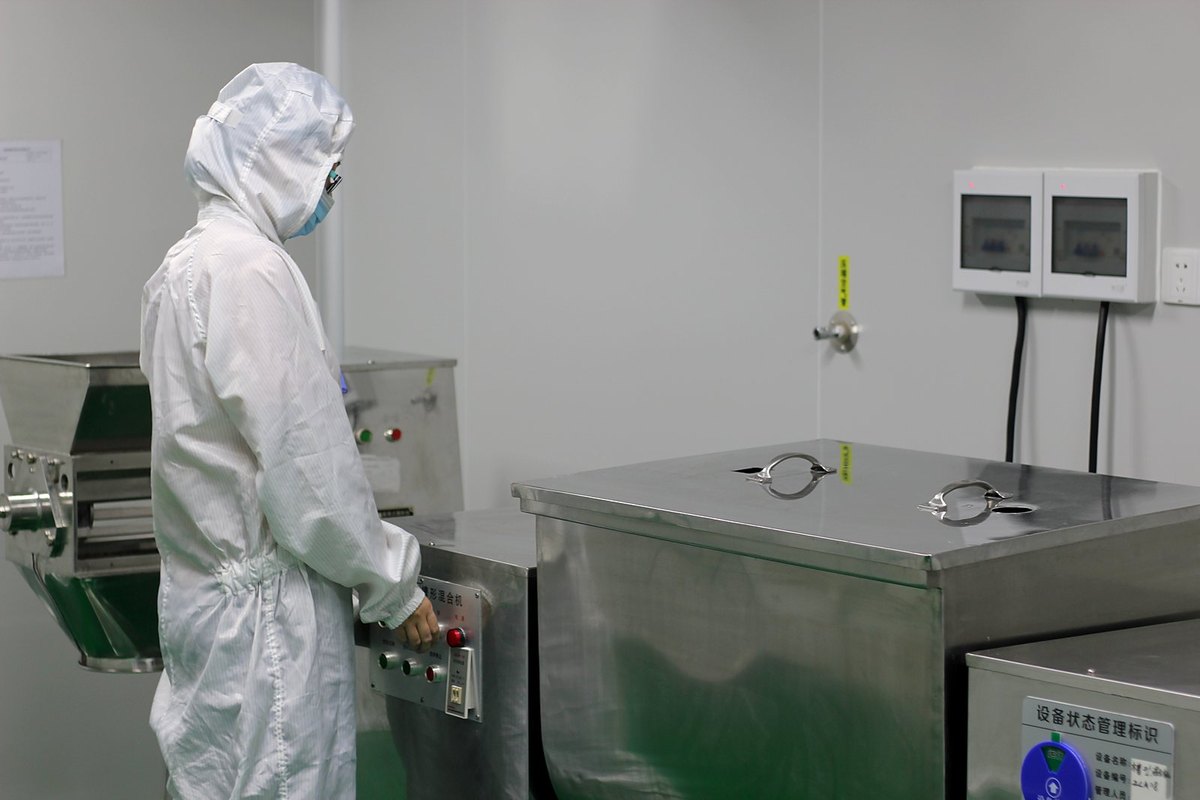
- Refusal of a live video walk-through of the production hall, the warehouse and the QC bench.
- No formula ownership clause, or a contract that licenses your formula back to the factory for its own use.
- Samples that do not match production — hand-filled capsules, retail packaging that later becomes bulk.
- Bank details that change mid-order, or a beneficiary in a third country with no explanation.
- Lead times that ignore the calendar, especially promises made in October for December delivery by sea.
How to audit a factory you cannot visit
Remote diligence is imperfect, but it filters most of the wrong suppliers before money moves.
- Ask for a live, unedited video call with the production hall, the packaging line, the QC laboratory and the finished-goods warehouse in one session. Recorded clips prove nothing.
- Verify the licence and the entity on the government credit system, then match the address to the video.
- Buy a paid sample through the normal order process, not a special favour. Ask for the batch record and CoA that go with it.
- Commission an inspection from SGS, TÜV, Intertek or QIMA for the first bulk order. The cost is trivial against a rejected container.
- Start with one SKU, keep the second order small, and scale only after a clean batch, a clean label review and a clean customs entry.
Managing China concentration risk
Sourcing from one country is a commercial decision, but depending on one factory is an operational mistake. Qualify a second supplier for your top-selling SKU, hold four to eight weeks of safety stock for anything that cannot be air-freighted economically, and keep your artwork, specification and batch records in your own systems rather than in a supplier's shared folder. Tariff treatment and trade measures change; a supply plan that assumes today's rules will hold for three years is not a plan.
Where ZOOMSHEAL fits
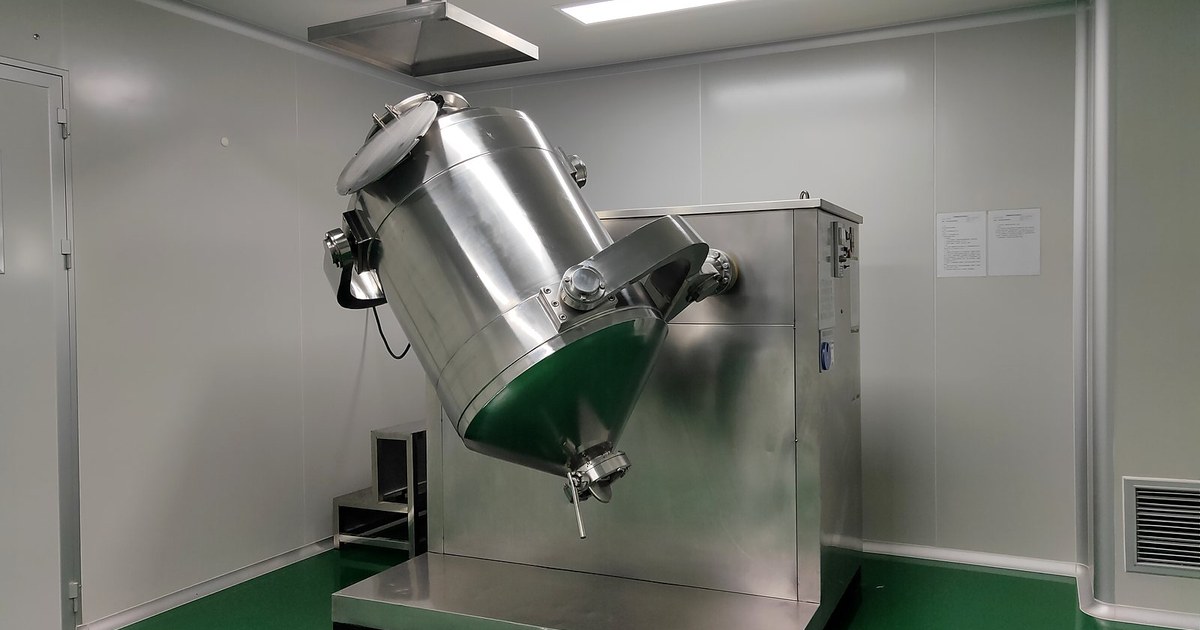
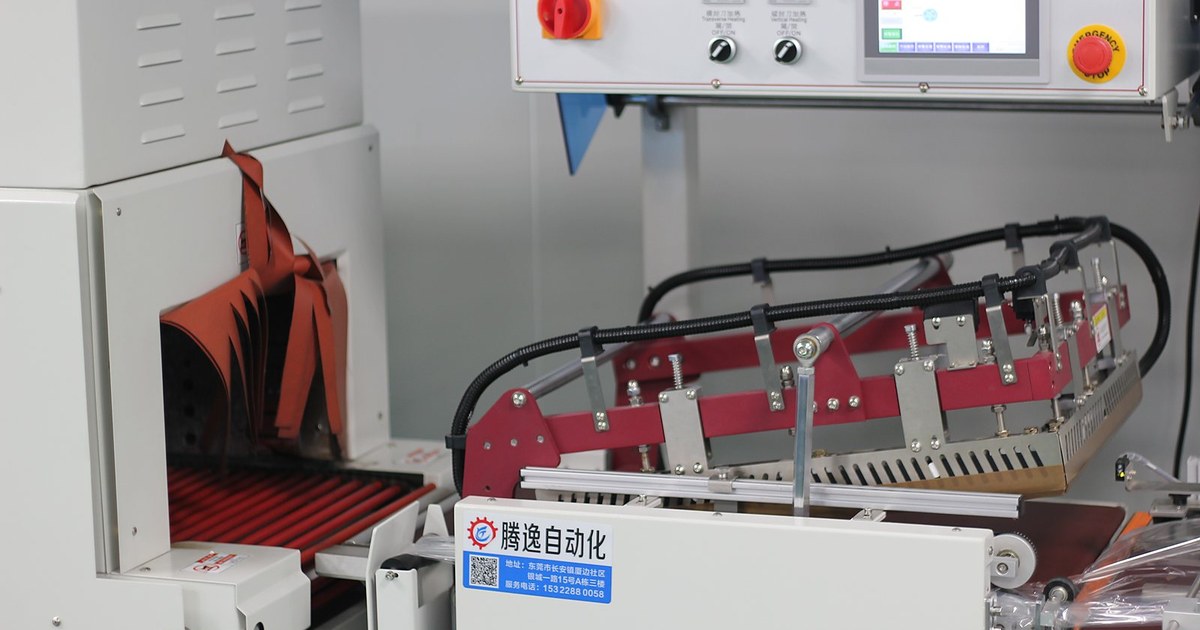
ZOOMSHEAL has been manufacturing dietary supplements in Guangzhou since 2003, from a 10,000 m² GMP base with a 100,000-class cleanroom and more than 35 production lines. We run capsules, tablets, softgels, gummies, powders, effervescent tablets, drops and sachets, hold GMP, NSF, ISO 22000 and HACCP certification, and maintain an in-house library of more than 5,000 formulas. MOQs start at 1,000 units for most formats.
We work as an OEM, ODM or CDMO partner depending on how much of the formula you bring, and we are comfortable with the parts of the process that buyers find hardest to verify: licence scopes, batch records, third-party CoAs, formula ownership and export documentation. If you are comparing suppliers, ask us the same nine questions in this guide. The answers are the product.
Send your dosage form, target market and target volume through the inquiry form, and we will reply with a specification review, an indicative MOQ and a sampling plan. For format-specific detail, see our guides to capsule manufacturing, gummy production, softgels, effervescent tablets and low-MOQ runs, or read how to prepare for an FDA inspection of your manufacturer.
Frequently asked questions
Is it legal to manufacture supplements in China for sale in the US?
Yes. The facility must be registered with the FDA as a food facility, the product must meet current Good Manufacturing Practice and labeling rules, and your US importer carries FSVP obligations. The FDA does not approve individual supplement products before sale, so the compliance work sits with the brand and the importer.
How much does supplement contract manufacturing in China cost?
It depends on the dosage form, the ingredient load, the packaging and the volume. Simple capsules and tablets at a few thousand units sit at the low end; gummies, effervescent tablets and custom moulded formats cost more per unit because of machine time and tooling. Always compare landed cost, including freight, duty and testing, rather than the factory unit price.
What is a realistic MOQ for a first order?
For capsules, tablets and gummies, 1,000 units per SKU is a common starting point, with higher thresholds for custom shapes, printed pouches or multi-component kits. Tooling fees sometimes replace a higher MOQ, so ask for both options before you decide.
How long does production and shipping take?
Plan on two to three weeks for samples after artwork approval, four to six weeks for bulk production, and four to six weeks of ocean freight to North America or Europe, plus customs clearance. Air freight cuts the transit time to under a week at a materially higher cost.
How do I protect my formula and my brand?
Use a mutual NDA before sharing details, put formula ownership, exclusivity and document transfer into the manufacturing agreement, register your trademark in the markets you sell in, and avoid sending the complete formula to more suppliers than you are seriously evaluating.
Can I visit the factory before ordering?
You can, and for a first bulk order it is worth doing if the volumes justify the trip. If travel is not practical, request a live video walk-through, verify the licence and entity records, commission a third-party inspection, and treat the first order as a paid audit.