Few decisions shape a supplement brand as quietly as the choice of a contract manufacturer. The formula gets the attention, the packaging gets the shelf space, and the marketing gets the budget — but the factory decides whether the product that reaches your customer is the product you designed. Choose badly and you inherit delays, rejected batches, label recalls and a customer service inbox you cannot answer.
This guide is written for founders, brand owners and sourcing managers who are comparing contract manufacturers right now. It sets out the seven checks that matter, the difference between private label and custom manufacturing, the red flags that should end a conversation, and the questions worth asking on the first call.
Why the manufacturing partner carries your brand risk
A contract manufacturer is not a vendor in the ordinary sense. It holds your reputation in its hands for the length of every batch.
- Consistency protects trust. A customer who buys the same SKU twice expects the same experience. Variation in weight, colour, taste or dissolution is remembered long after the launch discount is forgotten.
- Compliance is not optional. In the United States, 21 CFR Part 111 sets out cGMP requirements for dietary supplements. In the European Union, supplements sit under food law with additional rules for novel ingredients and health claims. A partner who treats documentation as paperwork exposes you to recalls and import refusals.
- Scaling is decided early. The factory that can make 1,000 units may not be the factory that can make 300,000. Capacity, equipment and planning discipline are easier to verify before you sign than after you sell out.
Seven checks that separate a real manufacturer from a broker
1. Certification and market fit
Start with the certificates, not the brochure. A serious facility will send current GMP, NSF, ISO 22000 or HACCP certificates without hesitation, and the address on the certificate will match the address of the plant you are told will make your product. Check the scope: a certificate covering powders does not automatically cover softgels.
Then match the certificate to your market. A US launch needs a partner comfortable with FDA facility registration and cGMP documentation. An EU launch needs someone who understands ingredient status, labelling and claim rules. A Middle East launch may require Halal certification. The right question is not "are you certified?" but "which certificate covers this exact product and this exact market?"
2. Formulation depth: OEM, ODM or CDMO?
The labels are used loosely. An OEM typically manufactures to a formula you supply. An ODM offers proven formulas you can brand. A CDMO develops the formula with you, runs stability work and scales it. Each is legitimate; confusion about which one you are buying is not.
Ask who owns the formula, who holds the stability data and what happens to both if the relationship ends. If you are paying for development, the answer should be in writing. Our guide to custom formulation explains how a brief becomes a production-ready specification.
3. Ingredient sourcing and CoA transparency
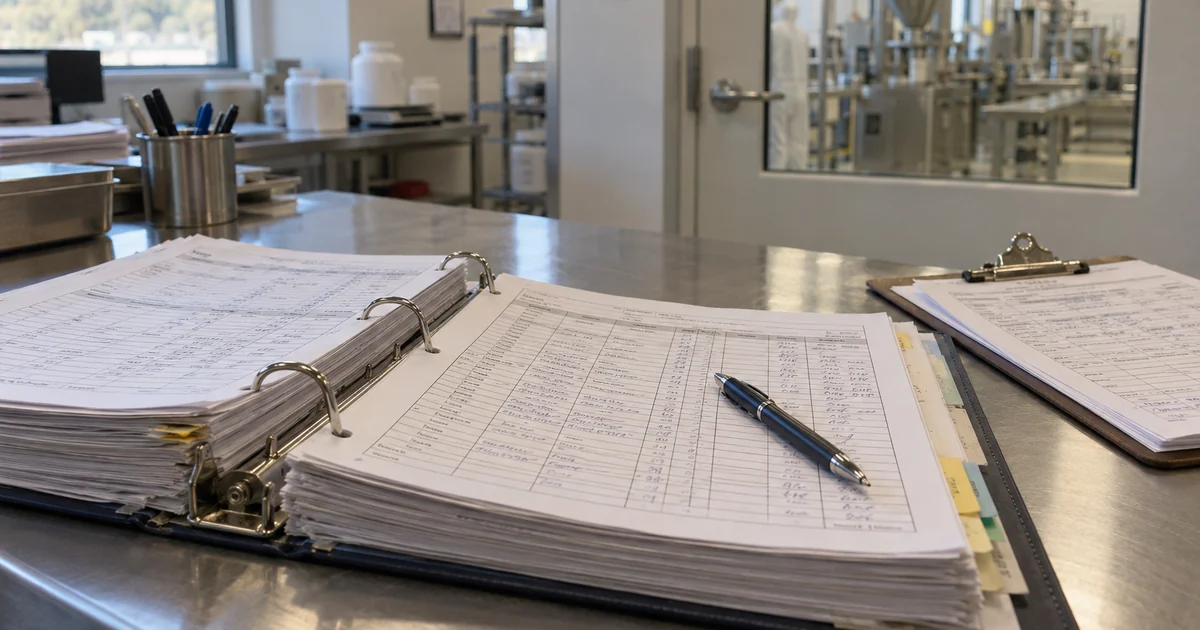
Transparency is the cheapest risk control available to you. For every batch, you should receive a Certificate of Analysis covering identity, assay, heavy metals, microbial limits and any market-specific tests. You should also be able to trace a finished lot back to the raw material lot and its supplier.
Ask how incoming materials are released, whether identity testing is done in-house, and which tests are sent to third-party laboratories. A manufacturer that answers these questions in detail is usually a manufacturer that has already been audited by someone else.
4. Dosage-form capability and changeover discipline
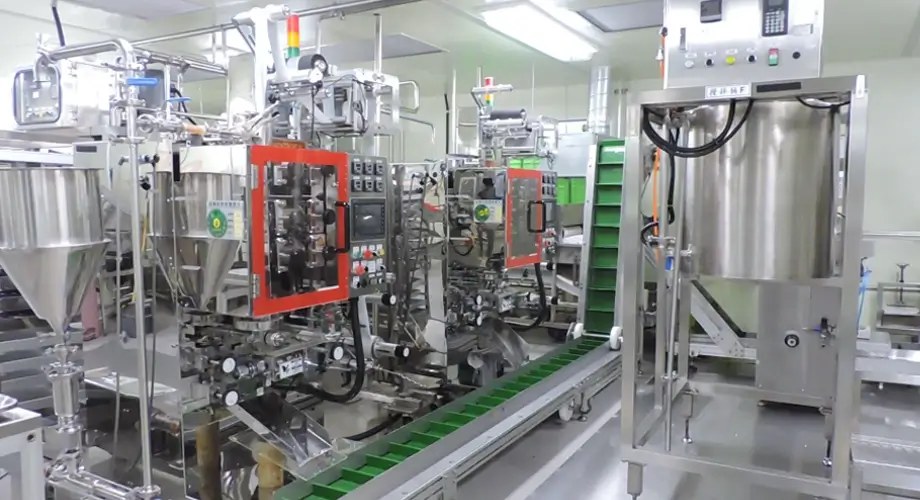
Most factories claim a long list of formats. The useful question is which formats run on dedicated lines and how changeovers are controlled. Capsules, tablets, softgels, powders, gummies, drops, effervescent tablets and stick packs each carry their own failure modes: weight variation, hardness, moisture pickup, sealing strength, flavour masking.
If your product roadmap includes more than one format, confirm that the same partner can handle both without turning your project into a coordination exercise. Formats such as gummies and effervescent tablets are specialised enough that recent, specific production experience matters more than a generic capability list.
5. MOQ that fits your stage, capacity that survives your growth
Minimum order quantity is a cash-flow decision as much as a production one. A low MOQ lets you test a market without committing a year of inventory; a partner who cannot then scale with you becomes a bottleneck at the worst possible moment.
Ask for the MOQ per format, per packaging type and per flavour or colour variant — they are rarely the same. Then ask what the lead time looks like at three times your launch volume. If the answer is vague, the capacity probably is too. Our page on low-MOQ supplement manufacturing covers the trade-offs in more detail.
6. Turnkey services: packaging, artwork and export documentation
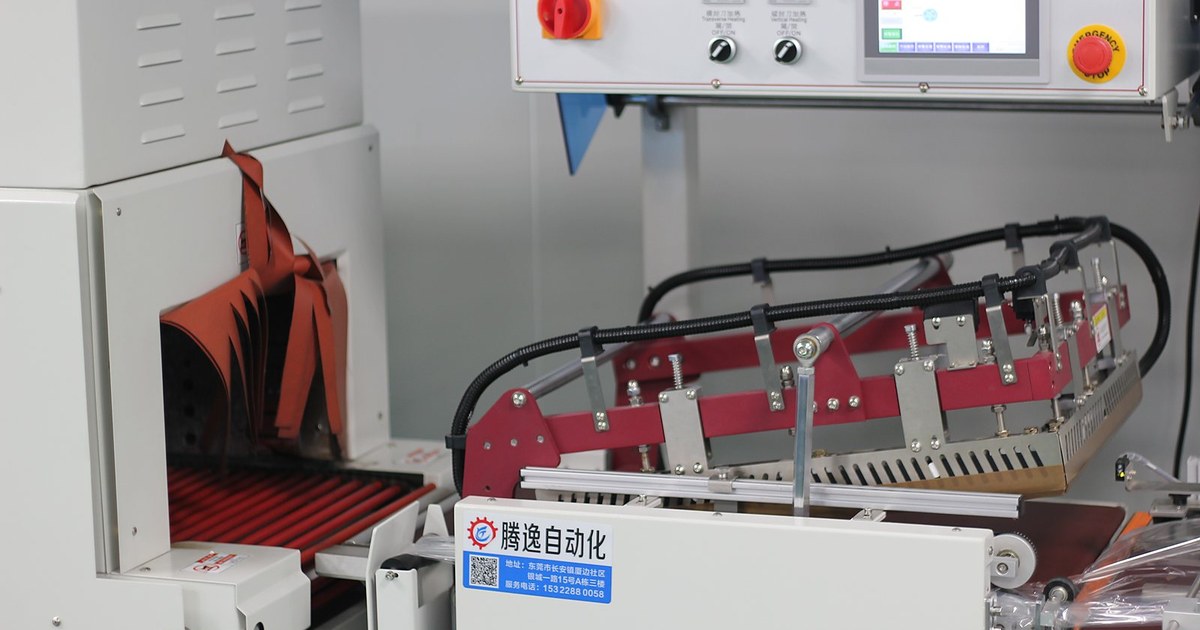
The factory floor is only half of the project. Bottles, blisters, stick packs and pouches have their own minimums and lead times. Labels need dielines, barcodes and market-specific claims. Export orders need commercial invoices, packing lists, certificates of origin and, depending on the destination, health certificates.
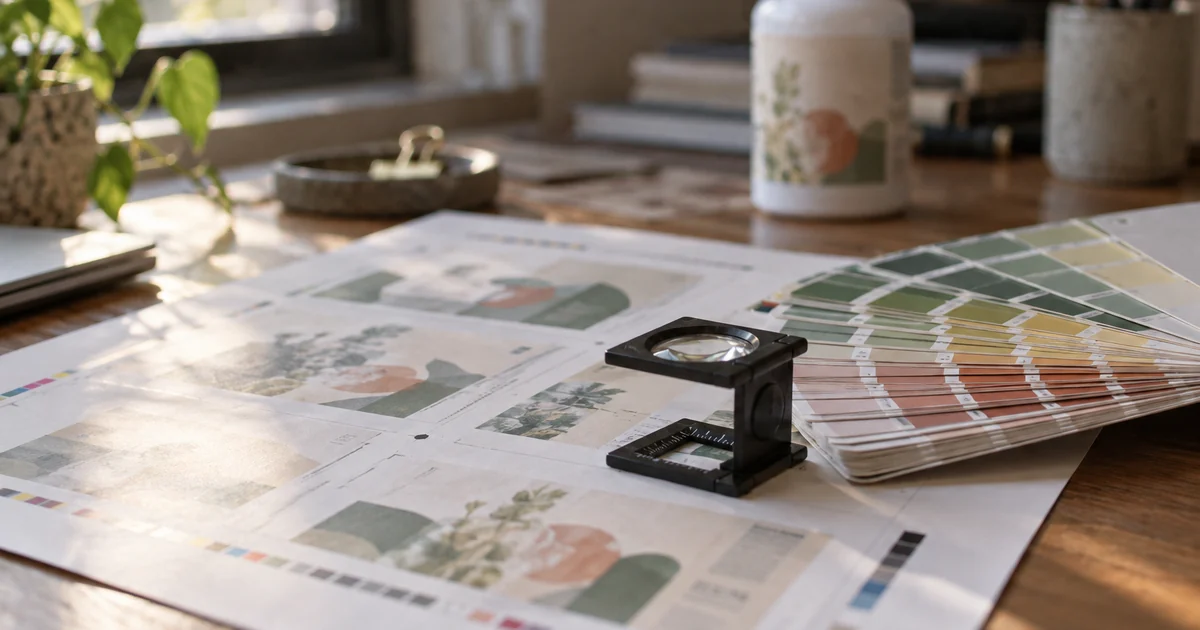
A turnkey partner keeps those threads in one place. Ask who checks the artwork before plates are made, who approves the label against the destination market's rules, and who owns the shipping documents. Packaging errors are cheap to fix on screen and expensive to fix on a pallet. See supplement packaging for what a complete packaging brief includes.
7. Communication with one accountable project manager
Reliability is mostly communication. You want one named person who can answer three questions at any point: where is my batch, what is blocking it, and when will it ship. Factories that route every question through a shared inbox tend to be the same factories that discover problems late.
Before you sign, ask how often you will receive updates, who signs off on deviations, and what happens if a test result is out of specification. The quality of those answers predicts the quality of the next twelve months better than any showroom visit.
Private label or custom formulation?
Both models are valid. The right choice depends on how much differentiation you need and how quickly you need to be in market.
| Consideration | Private label | Custom formulation |
|---|---|---|
| Time to market | Fast — proven formula, standard packaging | Longer — development, sampling and stability work |
| Upfront cost | Lower | Higher |
| Differentiation | Limited; others can buy similar products | High; the formula and its story are yours |
| IP ownership | Usually the manufacturer's formula | Should be defined in the development agreement |
| Best for | Market testing, fast launches, range extension | Brands building a defensible product |
Many brands start with private label to validate demand, then move their best sellers to custom formulas. If that is your plan, say so at the start. A partner who supports both can make the transition without a second qualification process. Our private label page covers the first route in detail.
Red flags worth walking away from
- Certificates you cannot verify. Blurred scans, expired dates, or a certificate whose facility address does not match the site you are buying from.
- Unrealistic lead times. A new custom formula that ships in two weeks usually means stability work was skipped.
- No CoA before shipment. If the certificate arrives only after the container has left, you are not buying quality control; you are buying hope.
- Reluctance to allow an audit. A serious plant expects customers or their agents to visit.
- Prices that undercut everyone. The difference is usually paid somewhere: raw material grade, fill weight, or labour.
- Constant changes of contact. Three account managers in three months usually signals something about staff retention or project load.
Ten questions to ask on the first call
- Which certificates cover this product, and can you send the current copies?
- Will this run on a dedicated line or a shared one, and how is changeover controlled?
- Who owns the formula and the stability data?
- What is the MOQ for this format, this packaging and this flavour?
- What is the sampling timeline, and what do I receive before I approve?
- Which tests are in-house and which go to a third party?
- Can I see a sample CoA and batch record from a recent comparable run?
- Who checks my artwork and label claims against my destination market?
- Who is my single point of contact, and how often will I hear from them?
- What happens if a batch fails a specification?
How ZOOMSHEAL fits this checklist
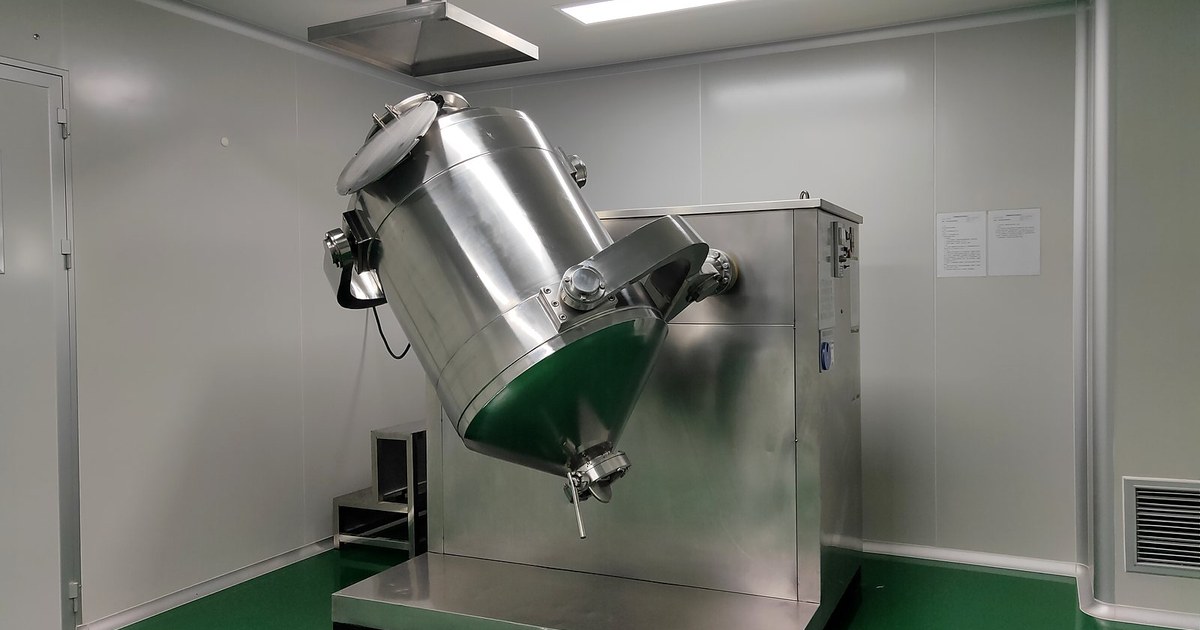
ZOOMSHEAL is the export brand of Zhongci Health Group, a supplement manufacturer based in Guangzhou, China, founded in 2003. The group operates a 10,000 m² GMP production base with a 100,000-class cleanroom, more than 35 production lines and a library of over 5,000 proven formulas. Tablets, capsules, softgels, powders, gummies, drops, effervescent tablets and stick packs are all produced in-house, which means a multi-format range does not have to be split across several suppliers.
On the points above: the facility holds GMP, NSF, ISO 22000 and HACCP certification; OEM and ODM projects start from 1,000 pieces; development is supported by the group's own biomedical research institute; and every order ships with batch documentation and a Certificate of Analysis. The team works with brands in North America, Europe, the Middle East and Asia, and handles export packing and shipping documents as part of the project.
If you are comparing suppliers, the useful next step is a specification conversation rather than a catalogue request: dosage form, target market, packaging, volume and timeline. You can start that here: request a quote. If you are preparing for a factory audit, our article on what the FDA looks for when auditing a supplement manufacturer is a practical companion.
Frequently asked questions
What is the difference between OEM and ODM supplement manufacturing?
In OEM manufacturing, you bring the formula and the manufacturer produces it to your specification. In ODM manufacturing, the manufacturer supplies a proven formula that you brand. ODM is faster and cheaper to start; OEM gives you a product that is genuinely yours. Many projects begin with ODM and move to OEM or full custom development once demand is proven.
What MOQ should I expect from a supplement manufacturer?
MOQ depends on the dosage form and the packaging. Capsules and tablets in stock bottles are usually the most accessible; gummies, effervescent tablets and custom pouches carry higher minimums because of tooling and material runs. ZOOMSHEAL starts OEM and ODM projects at 1,000 pieces, with the exact figure confirmed once the format and packaging are fixed.
How long does sampling and production take?
Sampling typically takes one to three weeks depending on formula complexity and whether new tooling is required. Bulk production usually begins after sample approval and deposit, and runs for several weeks depending on volume, packaging and testing. Ask for the timeline in writing, with the dependencies named, rather than a single number.
Which certifications should I ask a supplement manufacturer for?
At minimum, current GMP certification and the quality system certificate relevant to your market, such as ISO 22000 or HACCP. NSF is a useful additional signal for sports and US retail. If you sell into markets with religious dietary requirements, ask for Halal certification that specifically covers the product type you are buying.
Can one manufacturer handle gummies, capsules and effervescent tablets?
Some can, and the ones that do are worth considering if your range spans several formats. The key is to confirm that each format runs on equipment the factory actually operates, not through a subcontractor. Ask which line will run your batch and who is responsible for quality release.
How do I verify quality before the shipment leaves?
Ask for the Certificate of Analysis and the batch record before the container is loaded, and check that the tested parameters match the specification you approved. For larger or first orders, a third-party pre-shipment inspection is inexpensive insurance. A manufacturer confident in its process will not object to either request.
Choose a partner you can audit, not just a price you can compare
Price matters, but it is the easiest variable to compare and the least predictive of outcome. Certifications, formulation ownership, traceability, capacity and communication are what determine whether your second order arrives on time and whether your label survives its first regulatory review.
If you would like to shortlist ZOOMSHEAL, send us your dosage form, target market and volume through the inquiry form. We will reply with a specification review, an indicative MOQ and a sampling plan — the same information you would need to compare any manufacturer honestly.