Quick answer: Keto capsules usually combine exogenous ketones (BHB salts), green tea extract, caffeine and sometimes MCTs. They raise blood ketones briefly and may support energy and appetite control during early carb restriction. They do not replace a ketogenic diet, and evidence for lasting fat loss from capsules alone is weak. Treat them as a support product, not a shortcut.
What keto capsules are, and what they are not
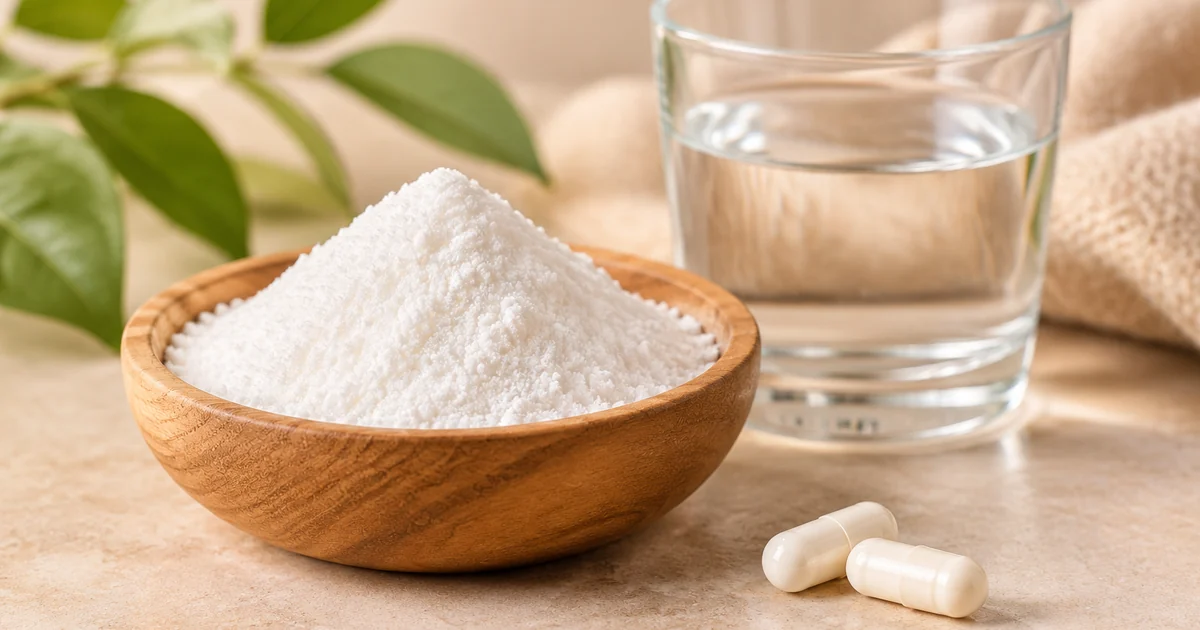
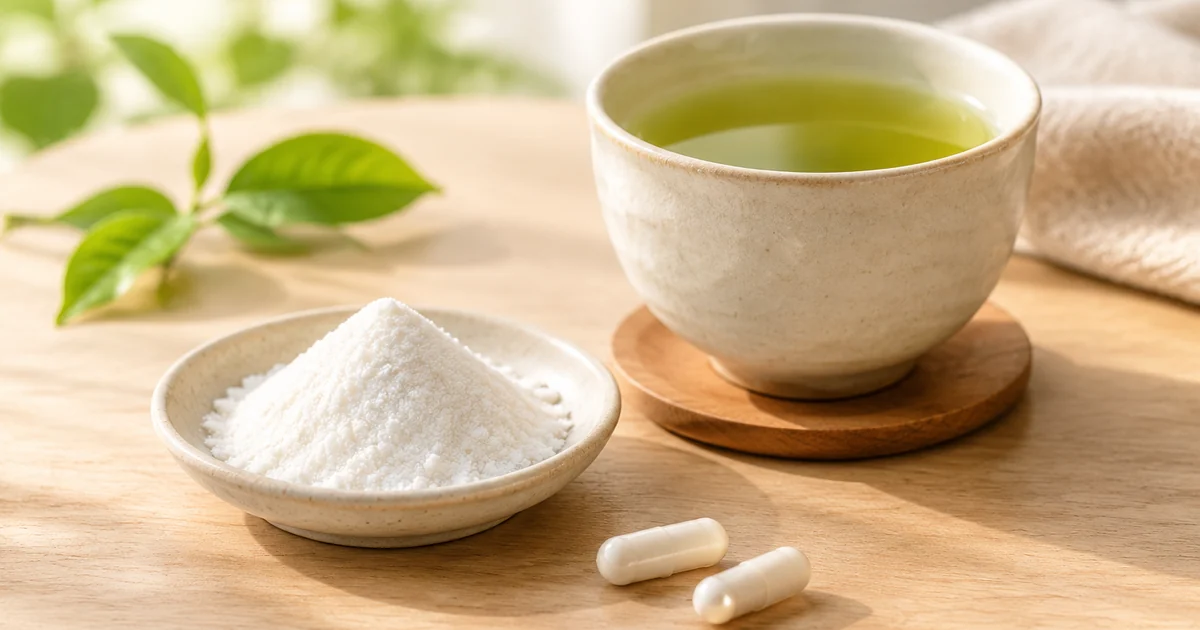
A keto capsule is a dietary supplement. The common core is a beta-hydroxybutyrate (BHB) salt, often sodium, calcium, magnesium or potassium BHB. Many formulas add green tea extract for EGCG, caffeine, L-theanine, and sometimes MCT oil powder.
What they are not: a replacement for carbohydrate restriction. Nutritional ketosis comes from the liver producing ketones when glycogen and insulin are low. A capsule adds ketones from outside. It does not stop the body from making them, and it does not train fat adaptation.
I have run these formulas on capsule and sachet lines for years. The honest framing is simple. Exogenous ketones are a fuel supplement. Thermogenics are a modest metabolic nudge. Neither one overrides a diet that keeps insulin high all day.
How BHB and thermogenics actually work
BHB is one of three ketone bodies, along with acetoacetate and acetone. When you swallow a BHB salt, it dissolves, absorbs, and appears in blood within roughly 15 to 60 minutes. Blood ketone meters show the rise. That is a real, measurable effect.
What follows is less dramatic. The body uses BHB as fuel. Some early work suggests BHB can suppress appetite and reduce free fatty acid release, but the effect is short-lived and varies by person. It is not a switch that burns stored fat.
Green tea extract works differently. EGCG inhibits catechol-O-methyltransferase (COMT), an enzyme that breaks down norepinephrine. More norepinephrine means more lipolysis and a small rise in energy expenditure. Caffeine does something similar through adenosine receptor blockade. Together they produce a modest thermogenic effect, typically a few percent above resting metabolic rate in controlled settings.
MCTs bypass some digestion steps and go to the liver quickly. They can raise ketones slightly and provide fast fuel. They are not a magic fat burner.
Forms and delivery systems
The same formula can be delivered several ways. Each has trade-offs in taste, dose and cost.
| Form | Typical BHB or active load | Best for | Practical notes |
|---|---|---|---|
| Hard capsule | 500–800 mg BHB salt per capsule; 2–4 capsules per serving | Daily convenience, travel | Low excipient load; capsule count limits dose |
| Softgel | MCT or oil-based actives, 500–1,000 mg | MCT oil without taste | Lower fill weights; pilot MOQ from 1,000–2,000 units |
| Powder sachet or stick pack | 3–8 g BHB salt or MCT powder per stick | Higher doses, pre-workout | Taste masking matters; sodium load adds up |
| Effervescent tablet | 1–3 g actives per tablet | Fast drink format | Needs low humidity packing; sodium and acid taste |
| Liquid drops | Variable; often MCT or mineral BHB | Flexible dosing | Stability and preservative system are critical |
My default for a first SKU is a two-capsule serving. It keeps the capsule size reasonable and the label clean. Powders win when you need 5 g or more of BHB per dose.
Dosing and specification ranges
There is no official daily requirement for BHB. Published human studies use a wide range. A practical label range for BHB salts is 1 to 8 g per serving. Green tea extract is usually standardized to 50% EGCG and dosed to deliver 100 to 300 mg EGCG per day. Caffeine typically sits at 50 to 200 mg per serving.
| Ingredient | Common label range per serving | What to watch |
|---|---|---|
| BHB salts (Na/Ca/Mg/K) | 1–8 g | Sodium content; mineral balance; taste |
| Green tea extract (50% EGCG) | 200–600 mg extract | EGCG dose; caffeine carryover |
| Caffeine | 50–200 mg | Total daily caffeine from all sources |
| L-theanine | 50–200 mg | Ratio to caffeine, often 1:1 or 2:1 |
| MCT powder | 1–5 g | Carrier type; calories still count |
These are formulation ranges, not medical recommendations. Label claims must match the finished product, and overage is a real cost decision. I test BHB and EGCG at release and again at shelf life.
Who may benefit, and who should be careful
People most likely to notice something: adults starting a low-carb diet who want to soften the first two weeks, athletes using ketones around training, and people who want a caffeine-plus-theanine focus product with a keto angle.
People who should be careful: anyone on blood pressure medication or with sodium-sensitive conditions, because BHB salts carry a real sodium load. People sensitive to caffeine. Pregnant or breastfeeding women. Anyone taking diabetes medication, since ketone and glucose levels can interact. People with kidney or liver conditions should ask a clinician first.
Green tea extract at high EGCG doses has been linked to liver injury in rare cases. That is why I keep EGCG at moderate levels and avoid stacking multiple green tea products.
What the evidence actually shows
Exogenous ketones reliably raise blood BHB. That part is well documented. Whether that rise translates into more fat loss is not established. Small trials show reduced appetite and altered fuel use during exercise, but the studies are short and the samples are small.
Green tea catechins plus caffeine show a small, statistically detectable increase in energy expenditure and fat oxidation. The effect is real but modest. Reviews generally conclude the clinical weight difference is small and inconsistent.
Caffeine alone has better evidence for alertness and exercise performance than for weight loss. L-theanine has reasonable support for smoothing caffeine's subjective effects.
Plainly: if a brand tells you capsules cause large fat loss without diet change, the claim is ahead of the data. The strongest lever remains energy balance and carbohydrate quality.
Quality signals and how to read a CoA
A Certificate of Analysis is a batch document. It should list the lot number, the tests, the specifications, the results and the release date. For a keto capsule, I want to see identity and assay for BHB and EGCG, plus micro, heavy metals and disintegration.
| Test | Why it matters | Typical specification |
|---|---|---|
| Identity (FTIR or HPLC) | Confirms the raw material is what the label says | Matches reference standard |
| Assay (BHB, EGCG, caffeine) | Confirms potency at release | 95–105% of label claim |
| Heavy metals (Pb, As, Cd, Hg) | Mineral salts and plant extracts can carry metals | Below USP or EU limits |
| Microbiology | Safety of the finished batch | TAMC, yeast, mold, E. coli, Salmonella within limits |
| Disintegration | Capsule releases contents | Within pharmacopeial window |
| Moisture / water activity | Stability, especially effervescents | Product-specific |
On the label, look for the extract standardization, the actual BHB salt blend, and caffeine declared per serving. Watch for proprietary blends that hide doses. A blend is legal, but it makes comparison impossible.
Certificates matter too. Our Guangzhou factory holds GMP verified by Intertek, ISO 9001:2015, ISO 22000:2018, HACCP, an NSF audit, line-specific Halal, and FDA facility registration through a US agent. FDA registration is not FDA approval. Supplements have no pre-market approval in the US. Every batch ships with a CoA.
Common mistakes
First mistake: expecting capsules to replace diet. They will not.
Second: ignoring sodium. A 6 g BHB salt dose can deliver well over 1 g of sodium. That matters for blood pressure.
Third: stacking stimulants. A keto capsule plus two coffees plus a pre-workout is a lot of caffeine.
Fourth: underdosing EGCG and overclaiming. A 50 mg extract dose will not match the studied range.
Fifth: skipping stability. BHB salts are hygroscopic. Capsules can soften and stick if the shell and desiccant are wrong.
Sixth: confusing ketosis with fat loss. High blood ketones on a meter do not prove you are burning stored fat.
How keto capsules are made at scale
BHB salts arrive as powders. We blend them with excipients, granulate if needed to improve flow, and fill on a capsule machine. Humidity control is tight because the salts pull water. Softgels use an oil fill and a gelatin or vegetarian shell. Powders are blended, filled into sachets or stick packs, and sealed. Effervescents need a dry room and acid-base control.
Our MOQ starts at 500 units per SKU for gummies, powders and liquids and 1,000 for capsules, tablets and softgels. Softgels can run 1,000 to 2,000 for a pilot. Sampling takes 7 to 10 days. Production runs 4 to 6 weeks after formula and artwork approval. We have done contract manufacturing for 23 years, and we own the factory. We are not a trading company.
Practical checklist before you buy or brief a factory
Check the BHB salt blend and total grams per serving. Check EGCG dose, not just extract weight. Check caffeine per serving and per day. Confirm the CoA is batch-specific and recent. Ask for heavy metals and micro results. Confirm the label claim matches the assay method. Ask about stability data at real storage conditions. Confirm allergen and Halal status if relevant. Ask who owns the formula and the artwork. Get lead time and MOQ in writing.
Frequently asked questions
Do keto capsules actually put you into ketosis?
They raise blood BHB, which is the measurable marker of ketosis. A BHB salt dose can lift blood ketones within an hour. That is different from nutritional ketosis, which comes from low carbohydrate intake and liver production. The meter may read higher, but fat adaptation still depends on diet. Think of capsules as a fuel top-up, not a substitute for carbohydrate restriction.
Can keto capsules help with the keto flu?
Some users report fewer headaches and less fatigue in the first weeks. The logic is that exogenous ketones provide an alternative fuel while the body adapts. Evidence is mostly anecdotal and small studies. Hydration, sodium and potassium intake matter more. If symptoms are severe, speak to a clinician rather than adding more supplements.
How much BHB is in a typical keto capsule?
Most capsules carry 500 to 800 mg of BHB salt each, with two to four capsules per serving. That gives roughly 1 to 3 g per serving. Powder sachets often go higher, from 3 to 8 g. Higher doses raise sodium load and cost. There is no official daily requirement, so the label range should reflect the studied range, not a marketing number.
Are keto capsules safe for people with high blood pressure?
Sodium BHB is a salt, and a large dose can add meaningful sodium. If you have hypertension or are sodium-sensitive, read the label and talk to your clinician. Magnesium and potassium BHB blends may carry less sodium but still need checking. Caffeine content also matters for blood pressure. This is not medical advice.
Do keto capsules contain caffeine?
Many thermogenic keto formulas do, usually 50 to 200 mg per serving, often paired with L-theanine. Some BHB-only products are caffeine-free. Check the supplement facts panel and add up your total daily caffeine from coffee, tea and pre-workout. If you are sensitive to stimulants, choose a caffeine-free BHB product.
What should I look for on a keto capsule CoA?
Look for the lot number, assay for BHB and EGCG, heavy metals, microbiology and disintegration. The results should sit within stated specifications and the release date should be recent. A CoA that lists only one test, or none, is a warning sign. Ask for the raw material certificates as well as the finished product release.
Can keto capsules be taken with a normal diet?
Yes, but the effect is different. Without carbohydrate restriction, blood ketones may rise briefly and then fall. You will not get the metabolic shift that comes from low insulin. Some people use them around exercise for fuel. They are not a license to eat freely. Energy balance still decides weight change over time.
What is the minimum order for private-label keto capsules?
At our factory, MOQ is 500 units per SKU (1,000 for capsules, tablets and softgels) for most forms, including hard capsules and powders. Softgels can start at 1,000 to 2,000 units for a pilot. Sampling takes 7 to 10 days, and production runs 4 to 6 weeks after formula and artwork approval. Exact terms depend on the formula and packaging.
References
- NIH Office of Dietary Supplements: Dietary Supplements for Weight Loss
- PubMed search: exogenous ketones and appetite
- PubMed search: green tea catechins, caffeine and energy expenditure
- PMC: Ketone bodies and metabolic regulation
- EFSA: Scientific opinion on green tea catechins
- FDA: Dietary supplements guidance and regulatory information
- WHO: Obesity and overweight fact sheet
- PubMed search: caffeine, thermogenesis and fat oxidation
Reviewed by Dr. Xu Wei, PhD, formulation scientist at ZOOMSHEAL in Guangzhou (23 years of supplement contract manufacturing). Last updated: November 2026. This article is for education and does not replace medical advice.