
Powder manufacturing plays a critical role across multiple industries, from pharmaceuticals and nutraceuticals to food, cosmetics, and advanced materials. In supplements and functional foods, powders are especially important because they offer versatility, ease of use, and precise dosing. Whether you are consuming a protein shake, a powdered vitamin blend, or a specialized herbal mix, all of these products go through carefully designed manufacturing processes to ensure quality, safety, and consistency.
Understanding how powders are made is essential for both consumers and businesses. For brands, knowing the process helps in selecting reliable contract manufacturers and ensuring compliance with international standards. For consumers, it builds confidence in the safety and efficacy of what they consume.
This article will walk through the general process of powder manufacturing, highlighting the stages of ingredient selection, blending, drying, milling, and packaging, along with the quality control checkpoints that guarantee a safe and effective product.
Step 1: Raw Material Selection and Sourcing
The first stage in powder manufacturing begins with sourcing high-quality raw materials. The integrity of the final product heavily depends on the quality, purity, and traceability of the ingredients used. Manufacturers usually consider:
-
Supplier qualification: Raw material suppliers must be audited and certified for Good Manufacturing Practices (GMP) or similar standards.
-
Purity and safety testing: Ingredients are tested for contaminants such as heavy metals, pesticides, or microbial growth.
-
Standardization of actives: In supplements, active compounds like vitamins, minerals, or botanical extracts must meet precise specifications.
The goal of this stage is to ensure that every material entering the production line is consistent and safe. Any deviation here can compromise the quality of the final powder.
Step 2: Pre-Processing and Preparation
Before blending or forming powders, raw ingredients often undergo pre-processing. This step ensures that different materials will mix evenly and achieve the required particle size. Depending on the ingredient type, pre-processing may include:
-
Sieving: Removing oversized particles or foreign materials.
-
Granulation: Converting fine powders into granules to improve flowability.
-
Moisture adjustment: Reducing or adding moisture to achieve a stable starting point for further processing.
Pre-processing is essential because powders often consist of diverse components—proteins, fibers, herbal extracts, and flavoring agents—that need to work harmoniously together.
Main Stages of Powder Manufacturing
Powder manufacturing is a structured, multi-step process that ensures raw materials are transformed into a stable, high-quality product suitable for use in supplements, pharmaceuticals, and food industries. Each stage is carefully controlled to maintain product safety, consistency, and effectiveness. Below are the main stages:
1. Raw Material Selection and Procurement
The process begins with identifying and sourcing raw materials, such as vitamins, minerals, plant extracts, or proteins. Quality standards are essential at this step, as the purity and potency of the ingredients determine the final product’s effectiveness. Manufacturers often rely on certified suppliers and require documents such as Certificates of Analysis (COAs) to verify compliance with regulatory standards.
-
Key considerations: sourcing from trusted suppliers, ensuring ingredient authenticity, and meeting GMP (Good Manufacturing Practices).
2. Testing and Quality Control of Raw Materials
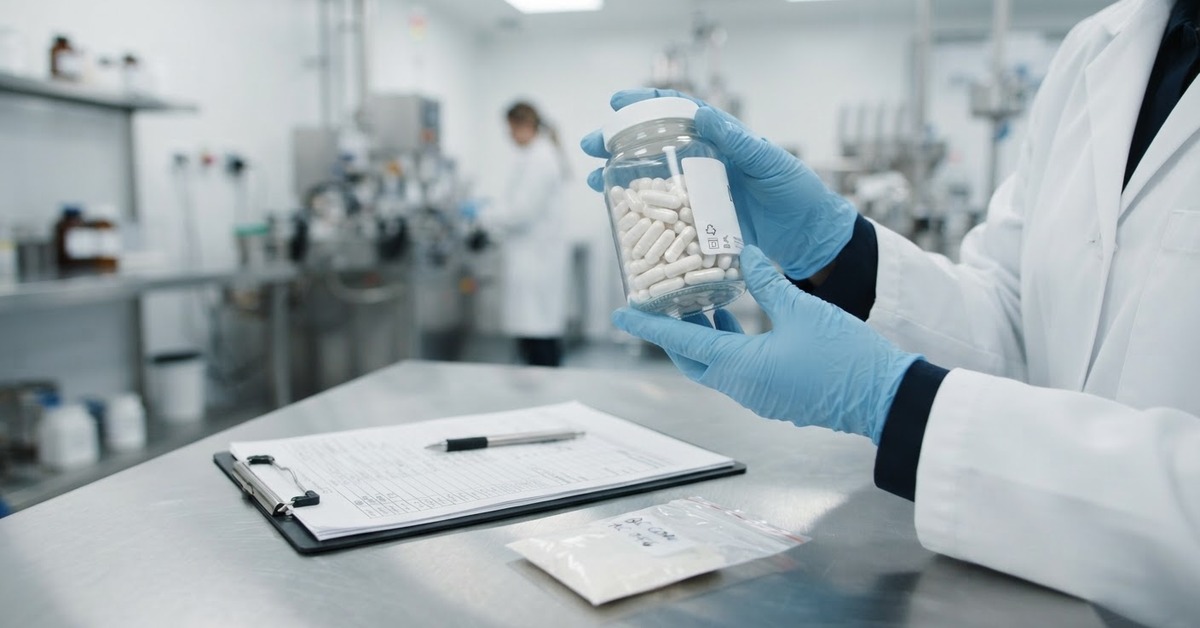
Before production, every batch of raw material undergoes rigorous laboratory testing. These tests confirm the ingredient’s identity, purity, and safety, screening for contaminants such as heavy metals, microbes, or pesticides. This step prevents any compromised material from entering the production line.
-
Key checks include: microbiological testing, heavy metal analysis, and potency verification.
-
Goal: Only safe, effective, and compliant ingredients move forward.
3. Blending and Homogenization
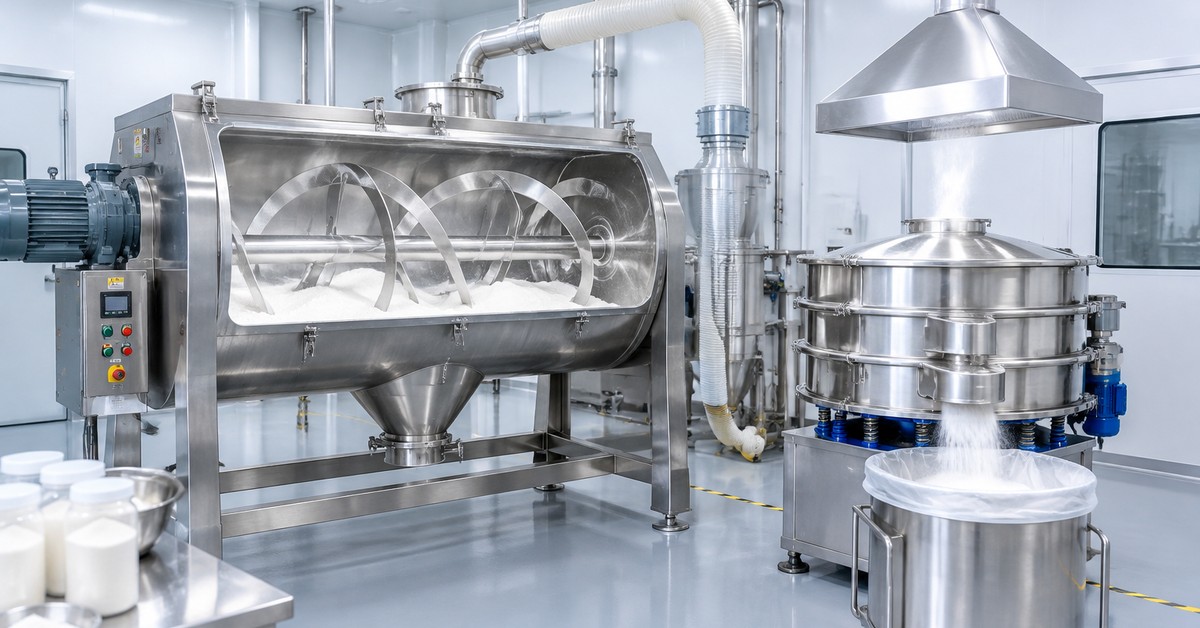
Once raw materials pass testing, they are weighed and measured according to the formula. Ingredients are then mixed in industrial blenders to achieve a uniform distribution. This ensures that every serving of the final powder contains the right dosage of nutrients.
-
Techniques used: V-blenders, ribbon blenders, or high-shear mixers.
-
Challenges: achieving even mixing of micro-ingredients, preventing segregation, and avoiding contamination.
4. Granulation (Optional)
In some cases, especially for pharmaceutical powders or powders intended for tableting, granulation is necessary. This step improves the flowability and compressibility of fine powders, making them easier to process. Granulation can be done through wet granulation (using a binder solution) or dry granulation (compression and milling).
-
Benefits: improved uniformity, reduced dust, and enhanced solubility.
Step 3: Drying
Once the wet powder mixture is granulated, it must be carefully dried to remove excess moisture. Moisture control is critical because too much water can cause clumping, spoilage, or reduced shelf life. Manufacturers use several methods:
-
Fluid Bed Drying – Hot air is passed through the granules in a fluidized state, ensuring even drying.
-
Tray Drying – Granules are spread on trays and dried with controlled heat and airflow.
-
Spray Drying – The mixture is sprayed into a chamber with hot air, instantly converting liquid into fine powder particles.
The drying step not only improves flowability but also ensures the powder is stable and safe for packaging.
Step 4: Milling and Sieving
After drying, the powder may still contain uneven particle sizes. To ensure consistency, the dried granules are milled into finer particles. This process helps achieve the desired texture and solubility.
The milled powder is then passed through sieving machines to remove oversized particles and achieve a uniform mesh size. For nutritional powders, pharmaceuticals, and food products, this uniformity is essential for accurate dosing and consumer satisfaction.
Final Steps and Considerations in Powder Manufacturing
7. Packaging and Storage
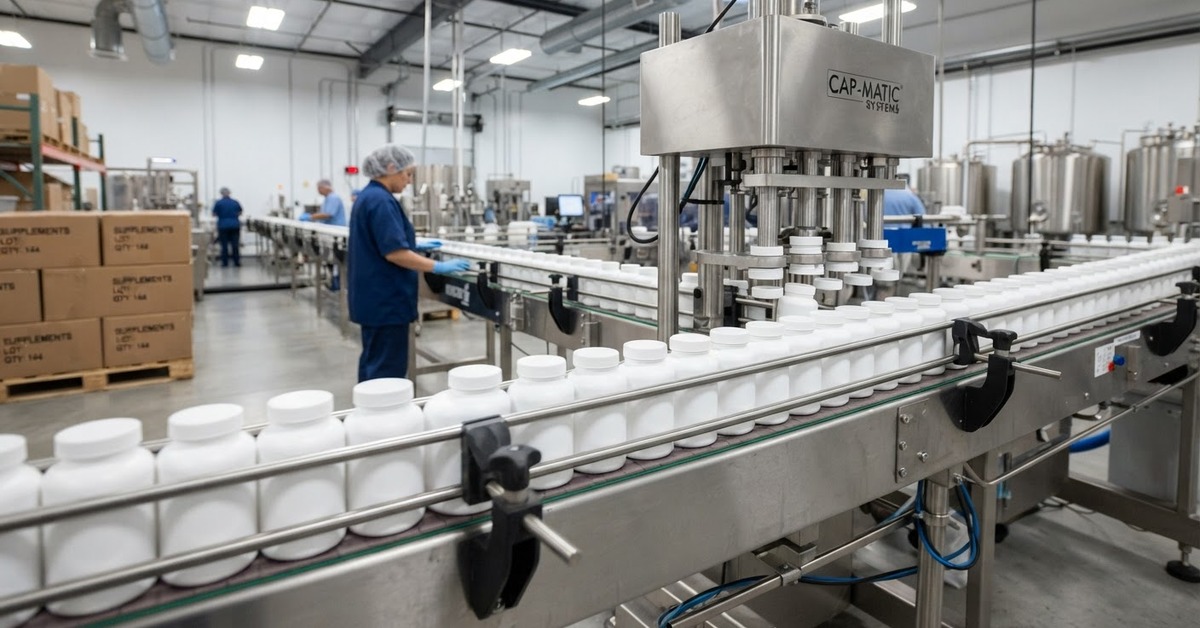
Once the powder meets all quality and safety requirements, it is transferred to the packaging stage. Packaging plays a critical role in maintaining product integrity, preventing contamination, and ensuring convenience for end users. Depending on the product type and its applications, powders may be packed in bulk containers, sachets, jars, pouches, or capsules. Packaging materials are chosen based on their ability to protect the powder from moisture, oxygen, light, and external damage.
In addition, manufacturers often consider sustainability, opting for eco-friendly packaging materials when possible. Proper labeling, including batch numbers, expiration dates, and regulatory compliance marks, is essential to meet both legal requirements and consumer trust.
Storage conditions also matter significantly. Controlled temperature and humidity levels ensure that powders retain their texture, potency, and safety throughout their shelf life.
8. Regulatory and Compliance Checks
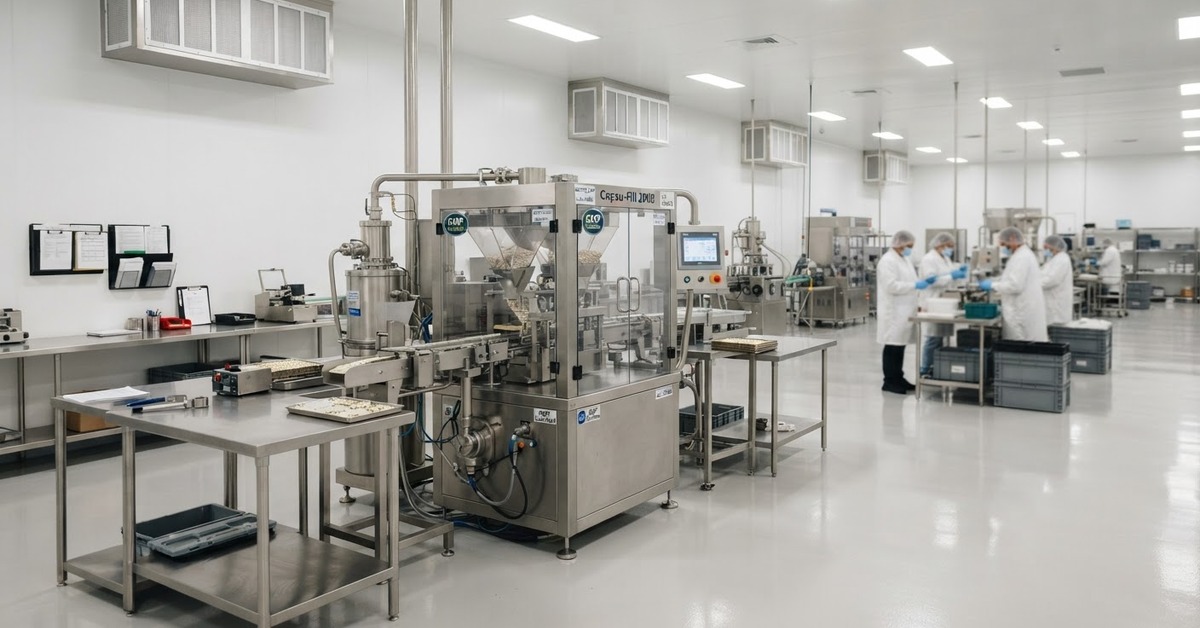
Powder manufacturing, especially in industries like food, pharmaceuticals, and dietary supplements, must comply with strict regulations. In the United States, for example, dietary supplement powders must adhere to FDA guidelines under Good Manufacturing Practices (GMP). Similarly, in Europe, manufacturers must meet EFSA standards, while other regions follow their local authorities.
Compliance involves ensuring that all raw materials are approved, labeling is accurate, safety data is recorded, and facilities are inspected regularly. Non-compliance can lead to recalls, penalties, and long-term reputational damage, making this stage indispensable.
9. Continuous Improvement and Innovation
Modern powder manufacturing is not static. Manufacturers continuously refine their processes to enhance efficiency, reduce costs, and improve product performance. Innovations such as spray drying with encapsulation, nano-powder technologies, and AI-driven quality control systems are transforming the industry.
Sustainability is also becoming a major focus. Manufacturers are investing in energy-efficient equipment, renewable energy sources, and waste reduction strategies to align with global environmental goals and consumer expectations.
Conclusion
The process of powder manufacturing is a highly controlled, multi-step journey that transforms raw materials into safe, effective, and reliable powdered products. From ingredient sourcing and blending to drying, milling, quality assurance, and packaging, each stage requires precision, technology, and strict adherence to standards.
Whether applied in pharmaceuticals, food, nutrition, or industrial uses, powders are indispensable due to their versatility, stability, and convenience. Understanding the powder manufacturing process provides valuable insight into how everyday products—from protein powders to life-saving medications—are created with scientific rigor and care.