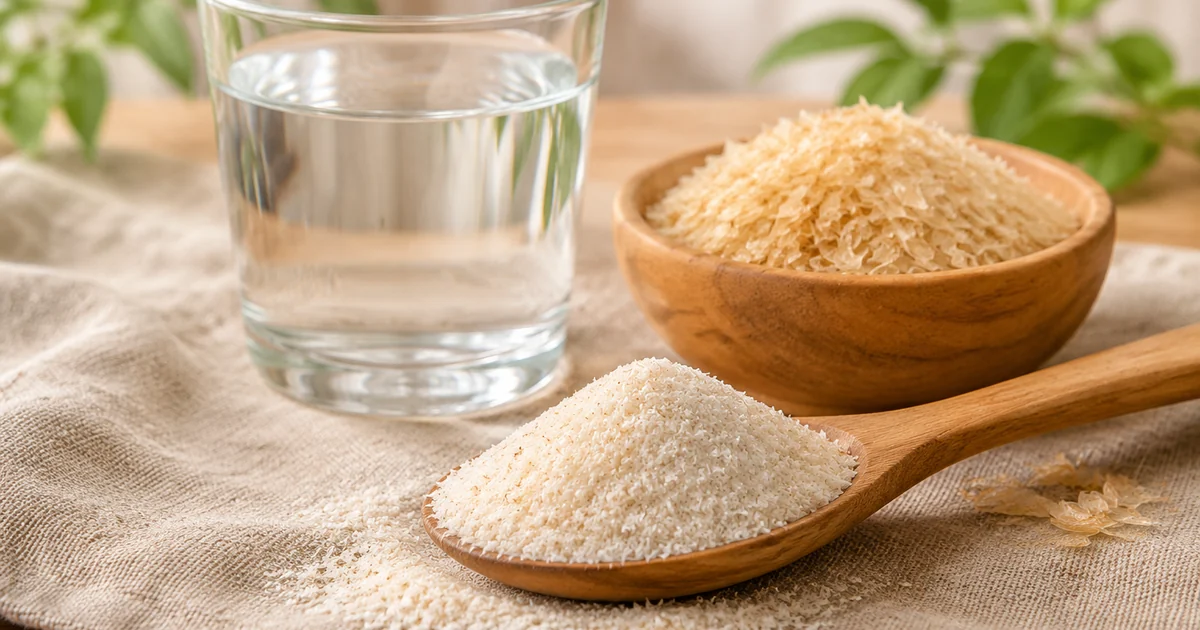
Shilajit is a dark-colored, resinous natural substance found primarily in the Himalayan Mountains. It takes centuries to form, as it comes from the decomposition of plants and minerals trapped in rocks. It has been used for centuries in Ayurvedic medicine under the name "rasayana," meaning a natural rejuvenator.
Today, shilajit has become a popular supplement globally thanks to its richness in fulvic acid, trace minerals, antioxidants, and bioactive compounds that offer multiple health benefits.
Shilajit: What it's used for: Main benefits
1. Increased energy and reduced fatigue
Shilajit helps improve cellular energy production by optimizing mitochondrial function. This translates into greater vitality, physical endurance, and a reduction in chronic fatigue. Therefore, many athletes and people with active lifestyles include it in their daily supplementation.
2. Improved cognitive function
The fulvic acid present in shilajit acts as a powerful antioxidant that protects neurons from oxidative damage. Preliminary studies suggest that it may promote memory, concentration, and mental clarity, making it of interest to people seeking support in cognitive performance.
3. Strengthening the immune system
Thanks to its antioxidant and mineral profile, shilajit helps strengthen the body's natural defenses. It stimulates white blood cell activity and improves the body's ability to fight infections and common diseases.
4. Bone and joint health
Shilajit contains essential minerals such as calcium, magnesium, and zinc, which are important for maintaining bone density. Additionally, its anti-inflammatory properties help reduce joint discomfort, making it beneficial for people with arthritis or other joint-related problems.
5. Anti-aging effect
The antioxidants in shilajit neutralize free radicals that accelerate cellular aging. This not only promotes longevity but also supports skin health, helping to maintain firmness and elasticity.
Modern presentations: Shilajit gummies and capsules
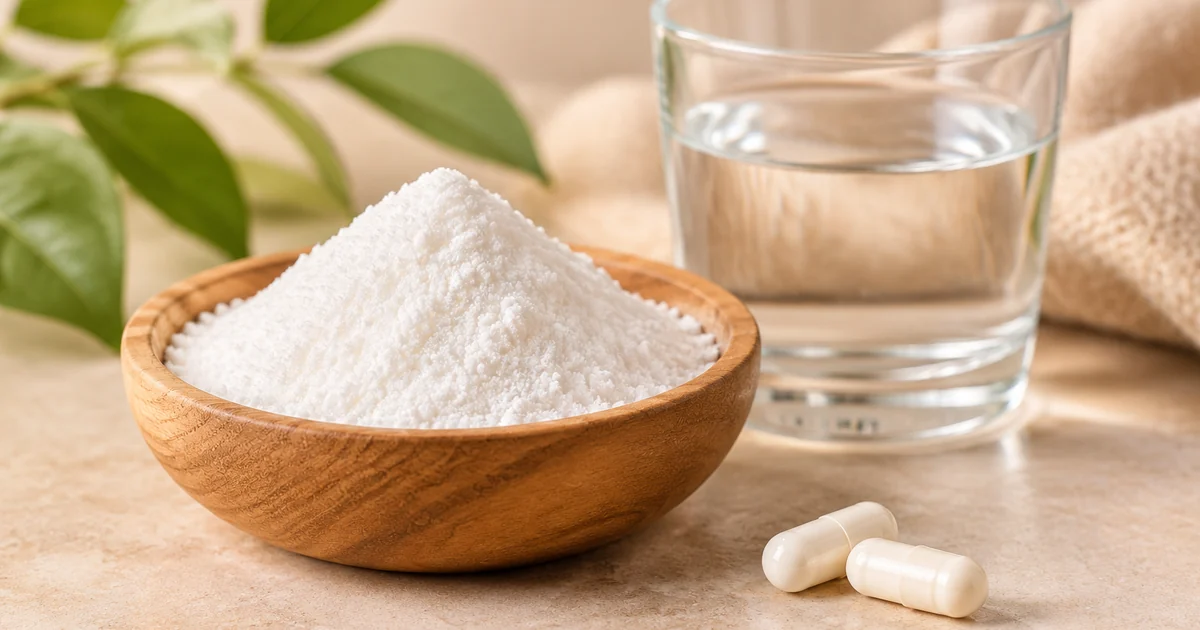
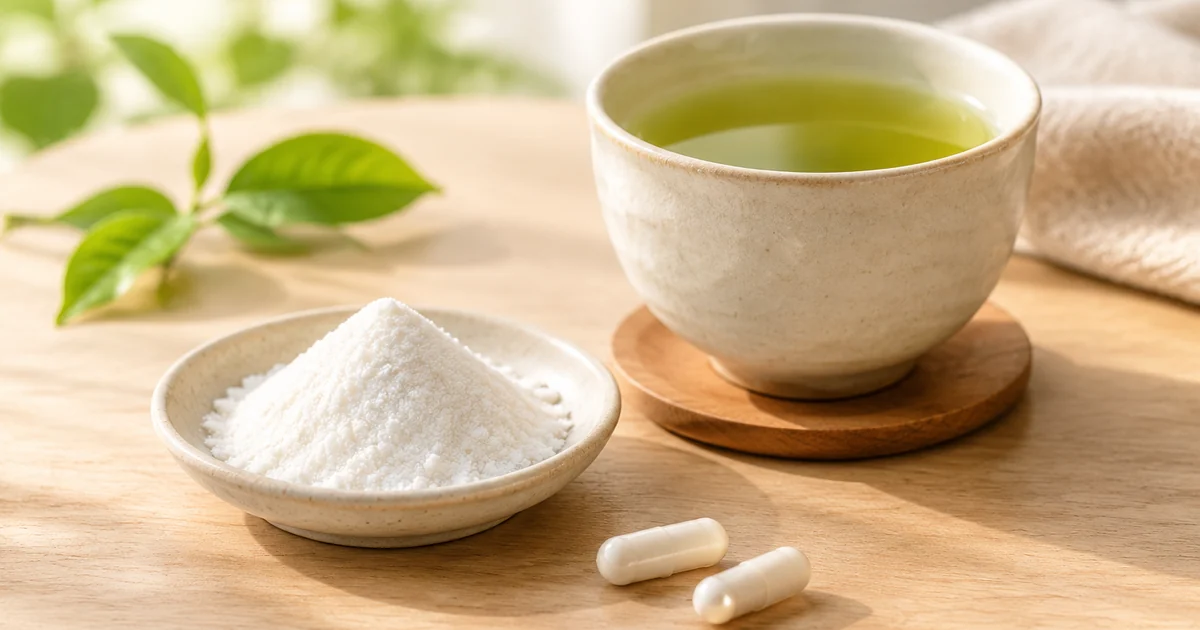
Although traditionally consumed in resin form, the supplement industry has developed shilajit gummies and capsules , making it easier to consume daily and improving the user experience. Gummies, in particular, are very popular in markets like the United States and Europe, as they combine convenience, good taste, and precise dosage.
In this context, specialized manufacturers such as ZOOMSHEAL have incorporated shilajit into innovative formats such as shilajit gummies , guaranteeing quality through GMP and ISO certifications, as well as rigorous control processes.
Scientific evidence of Shilajit
Several studies have investigated the effects of shilajit on human health. Most of these studies highlight its potential as an adaptogen and antioxidant.
-
A study published in the Journal of Ethnopharmacology found that shilajit improves mitochondrial function, supporting its use for boosting energy.
-
Preliminary research suggests benefits for cognitive health , particularly in the prevention of neurodegenerative disorders.
-
Additionally, some trials have shown that shilajit may support male fertility by improving sperm production and motility.
Although the results are promising, experts agree that further human clinical studies are still needed to confirm all of its applications.
Side effects and precautions
Shilajit is safe when consumed in appropriate doses and properly purified. However, some precautions should be taken:
-
Avoid raw resin : Raw shilajit may contain heavy metals and toxins. It should only be consumed in certified supplements.
-
Possible digestive discomfort : In some people it may cause mild nausea or stomach upset.
-
Contraindications : Not recommended for people with gout, hemochromatosis (excess iron) or pregnant women without medical supervision.
The key is to choose reliable manufacturers that comply with international standards such as GMP (Good Manufacturing Practices) and ISO 22000 , which guarantees safety and purity in each batch.
The role of supplement manufacturers
The growth of the shilajit market has led to the need for specialized manufacturers who can transform this traditional resin into modern, safe, and effective products.
Companies like ZOOMSHEAL offer OEM/ODM services, developing custom formulas for shilajit gummies, capsules, and powders tailored to each brand's needs. These manufacturers not only supply the final product but also manage:
-
Quality control at all stages of production.
-
Laboratory testing to confirm the purity and potency of shilajit.
-
Packaging design that complies with international regulations.
-
Global logistics that guarantees efficient distribution.
This ensures that the end consumer receives a reliable supplement backed by standards of excellence.
International market trends
Interest in shilajit has grown exponentially in markets such as the United States, Europe, and the Middle East , where consumers are looking for natural supplements with scientific backing.
Shilajit gummies have positioned themselves as one of the most attractive presentations due to:
-
Greater acceptance among young and adult audiences.
-
Ease of consumption compared to traditional capsules.
-
Potential to combine with other ingredients such as vitamin C, magnesium or ashwagandha for synergistic formulas.
In this way, shilajit has evolved from an ancient remedy to a global supplement with significant impact in the wellness industry.
Conclusion
Shilajit, known for centuries in Ayurvedic medicine, is now reaffirmed as a versatile supplement with benefits for energy, cognition, immunity, bone health, and anti-aging. Its transformation into modern formats like gummies makes it easier to integrate into the daily lives of millions of consumers.
Thanks to certified manufacturers like ZOOMSHEAL , brands can access high-quality formulas that meet international standards and respond to the growing demand of the global market.
Authoritative References
-
NIH – National Center for Biotechnology Information (NCBI)
-
Carrasco-Gallardo, C., Guzmán, L., & Maccioni, RB (2012). Shilajit: A natural phytocomplex with potential procognitive activity . International Journal of Alzheimer's Disease.
NCBI Article
-
-
Journal of Ethnopharmacology
-
Ghosal, S., Lal, J., Singh, S.K., et al. (1991). The need for formulation of Shilajit by its isolated active constituents . Journal of Ethnopharmacology, 33(1-2), 1-9.
-
-
National Institutes of Health (NIH) – Dietary Supplements
-
Office of Dietary Supplements (ODS) Shilaji t本身不是ODS的主流成分,但其在适应原研究里有被提及).
NIH ODS Website
-
-
Phytotherapy Research
-
Panda, S., & Kar, A. (1998). Anti-inflammatory and anti-arthritic activity of Shilajit in rats . Phytotherapy Research, 12(2), 148-150.
-
How to Evaluate Shilajit Raw Material Purity and Sourcing
Shilajit is a mined exudate, so its composition varies by region, altitude, and the rock strata it seeps from. Himalayan and Altai sources dominate commercial supply, but origin alone does not guarantee quality. Buyers should request a certificate of analysis that covers fulvic acid content, total mineral profile, moisture, and ash, alongside a heavy metals panel for lead, arsenic, cadmium, and mercury. Because raw resin is prone to adulteration with lower-grade resins, sugars, or fillers, provenance documentation and batch-level traceability from the mine to the finished lot are essential before approving any supplier.
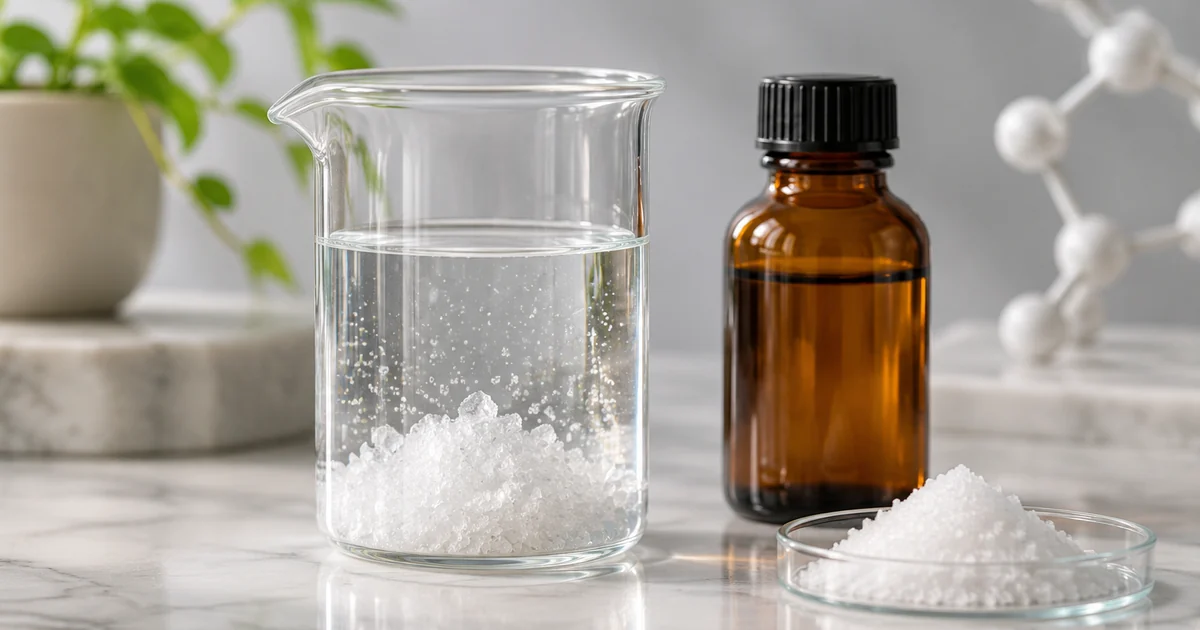
Purification method matters as much as the source material. Traditional processing involves dissolving resin in water, filtering out insoluble rock and plant debris, then evaporating to a standardized concentrate. Suppliers should describe this process in writing, including filtration steps and any solvent use. Resin that has not been properly filtered can carry sand, humic particulates, and heavy metal load. Ask whether the purified extract is standardized to a declared fulvic acid percentage and whether that figure is verified by an accredited third-party laboratory rather than an in-house bench result.
Sampling discipline separates reliable suppliers from opportunistic ones. Request a retained sample from the exact lot you will receive, and compare it against the certificate of analysis before mass production begins. Appearance, odor, and solubility in warm water are quick sanity checks: genuine purified shilajit dissolves into a dark amber solution with minimal sediment. Resin that stays gritty or leaves heavy residue warrants further testing. For gummy and capsule formats, confirm that the extract is water-soluble and heat-stable enough to survive your chosen manufacturing process without losing potency or causing separation in the matrix.
- Request batch-specific COAs, not generic spec sheets
- Verify fulvic acid by accredited third-party testing
- Confirm documented purification and filtration steps
- Compare retained samples against each incoming lot
Formulation and Dosage Considerations for Shilajit Products
Dosage in finished products is usually expressed in milligrams of purified extract per serving, and common commercial ranges sit between roughly 250 mg and 500 mg per day, though traditional use and some products go higher. Because fulvic acid content varies between extracts, buyers should specify dosage in terms of standardized extract rather than raw resin weight. Decide early whether your label will declare the extract quantity, the fulvic acid contribution, or both, since this drives cost, testing requirements, and the claims your regulatory team can support in each target market.
Gummies present specific technical challenges with shilajit. The extract is dark, strongly flavored, and slightly bitter, so masking systems using fruit flavors, acids, and natural sweeteners are usually necessary. Pectin-based gummies generally handle the extract better than gelatin systems because the lower processing temperature preserves heat-sensitive compounds and reduces off-notes. Confirm that the extract is fully dissolved before depositing to avoid speckling or sedimentation, and validate stability over your intended shelf life, watching for color drift, texture softening, and moisture migration in the finished piece.
Capsules and powders offer simpler matrices but still require attention to flow and hygroscopicity. Purified shilajit extract is prone to clumping in humid conditions, so specify moisture-absorbing packaging or desiccant where appropriate, and confirm excipient compatibility if you use flow agents or fillers. Combination formulas with ashwagandha, magnesium, or vitamin C are popular, but each added ingredient changes taste, stability, and testing scope. Build a compatibility trial into development rather than assuming the blend will behave like the single-ingredient product.
Serving size and format should match consumer expectations in your market. Gummy weights typically fall between two and four grams, which limits how much extract you can realistically deliver per piece; higher doses may require two pieces per serving or a capsule alternative. Document your overage strategy carefully, since declaring a label claim that sits at the edge of analytical tolerance leaves little room for degradation over shelf life. Agree on the release specification with your manufacturer before the first production run.
Regulatory Positioning and Label Compliance Across Markets
Shilajit occupies different regulatory categories depending on the destination market, and this shapes what you can say on pack. In the United States, it is typically sold as a dietary supplement ingredient, which requires facility registration, ingredient listing, and structure-function claims that carry the standard disclaimer. In the European Union, it is generally handled as a food supplement ingredient, subject to novel food status review in some member states. China, the Middle East, and Southeast Asia each apply their own ingredient lists and import requirements, so confirm the classification before finalizing artwork.
Claims discipline is where many launches stumble. Statements about energy, cognitive support, or joint comfort must be framed as structure-function language where permitted and must not imply treatment or prevention of disease. Avoid borrowing clinical language from published research unless your regulatory reviewer has approved the exact wording. Keep substantiation files for every claim on pack, including the studies you rely on and an explanation of how the finished product dose relates to the studied dose, since authorities increasingly request this during market surveillance.
Label content should be built around what auditors and customs officers check first: ingredient name and quantity per serving, full ingredient list in descending order, allergen and advisory statements, net quantity, storage instructions, and manufacturer or importer details. For gummies, sugar and carbohydrate declaration matters in markets with front-of-pack nutrition rules. Precautions such as avoiding raw resin, consulting a physician during pregnancy, and suitability for people with iron-related conditions should appear where local rules allow, and must be consistent across every SKU in the range.
Work with your manufacturer to align documentation before production, not after. A typical package includes the specification sheet, certificate of analysis, safety data sheet, allergen statement, certificate of free sale, GMP certificate, and origin declaration. Confirm which of these your importer needs and in what language and format. Building a compliance checklist per market at the quotation stage prevents costly artwork revisions and rejected shipments later, and it gives your brand a defensible position if a regulator questions the product after launch.
Further reading: our guide to shilajit gummies dosage does the label math from mg per gummy to daily intake. For consumers, read ; and shilajit gummies benefits, which separates the small human trials from the testosterone claims, and covers heavy-metal risk.
Reviewed by Dr. Xu Wei, PhD, formulation scientist at ZOOMSHEAL in Guangzhou (23 years of supplement contract manufacturing). Last updated: November 2026. This article is for educational purposes and does not replace medical advice.