

Why Supplements Matter in Modern Nutrition
In today’s fast-paced world, even those with the best intentions can find it difficult to meet all their nutritional needs through food alone. Busy schedules, dietary restrictions, environmental factors, and agricultural practices can affect the nutrient density of our meals. This is where dietary supplements come into play—not as a replacement for food, but as a strategic addition to fill potential gaps and optimize wellness.

However, the supplement market is flooded with choices, making it difficult for consumers to determine what’s truly necessary, safe, and effective. In this article, we’ll break down the essential steps to help you choose the best supplements to complement your diet, support your lifestyle, and meet your health goals.
Start with Your Health Goals
The first step in choosing the right supplement is to clearly define your health goals. Are you trying to increase energy, support immunity, improve digestion, maintain bone health, or enhance skin and hair quality? Your objectives will determine what nutrients you should prioritize. For example, someone aiming to boost energy might benefit from B vitamins or iron, while someone looking to support bone density may need calcium, vitamin D, and magnesium.
Understand What You're Missing
A supplement should complement your diet—not replace it. Consider doing a dietary assessment, either on your own with a tracking app or with the guidance of a dietitian. This will help you identify any nutrient deficiencies. Common shortfalls include vitamin D, omega-3 fatty acids, iron, magnesium, and fiber. Blood tests can also offer precise insights, especially for nutrients like vitamin B12, D, and iron.
Read Labels Carefully
Once you've identified what you need, it’s time to evaluate supplement options. Always check the nutrition facts panel and the list of ingredients. A good supplement should contain active ingredients in clinically effective doses, without unnecessary fillers, artificial colors, or additives. Also pay attention to the form of the nutrient—for instance, magnesium citrate is more easily absorbed than magnesium oxide.
Consider Bioavailability
The effectiveness of a supplement often depends on its bioavailability—how well your body can absorb and utilize the nutrient. For example, curcumin (from turmeric) is poorly absorbed on its own, but when combined with piperine (black pepper extract), its bioavailability improves significantly. Choosing a well-formulated supplement can make a real difference in its impact on your health.
Quality and Certification Matter
Look for supplements that are third-party tested and certified by trusted organizations like NSF, USP, or Informed-Choice. These certifications indicate that the product has been tested for purity, potency, and safety. In the absence of FDA regulation on supplements, this level of verification helps ensure you're getting what the label claims.
Be Skeptical of Bold Claims
Be wary of supplements that promise quick fixes, such as "lose weight overnight" or "cure all diseases." Legitimate supplements are intended to support health—not replace medical treatment. Overpromising marketing is often a red flag for low-quality or potentially harmful products.
Timing and Dosage Are Key
Even the best supplement won’t be effective if taken incorrectly. Follow dosage instructions carefully, and consider the best time of day to take it. Some nutrients are better absorbed with food (like fat-soluble vitamins A, D, E, and K), while others might be better on an empty stomach. Consistency is also important—supplements often take weeks of regular use to show measurable results.
Don’t Ignore Interactions
If you take prescription medications or other supplements, speak with a healthcare professional to avoid negative interactions. For instance, calcium can interfere with the absorption of certain antibiotics, while St. John’s Wort may affect how some drugs are metabolized by the liver.
Adapt as Your Body Changes
Your supplement needs may change over time. Life stages such as pregnancy, menopause, aging, or periods of intense physical activity all demand different nutritional support. Periodically reassessing your supplement regimen helps ensure it remains aligned with your current health profile.
Whole Foods Still Come First
Supplements should never be a substitute for a balanced diet. Whenever possible, aim to get your nutrients from whole foods rich in vitamins, minerals, fiber, and antioxidants. Supplements are just that—supplementary—intended to support, not replace, healthy eating.
Conclusion
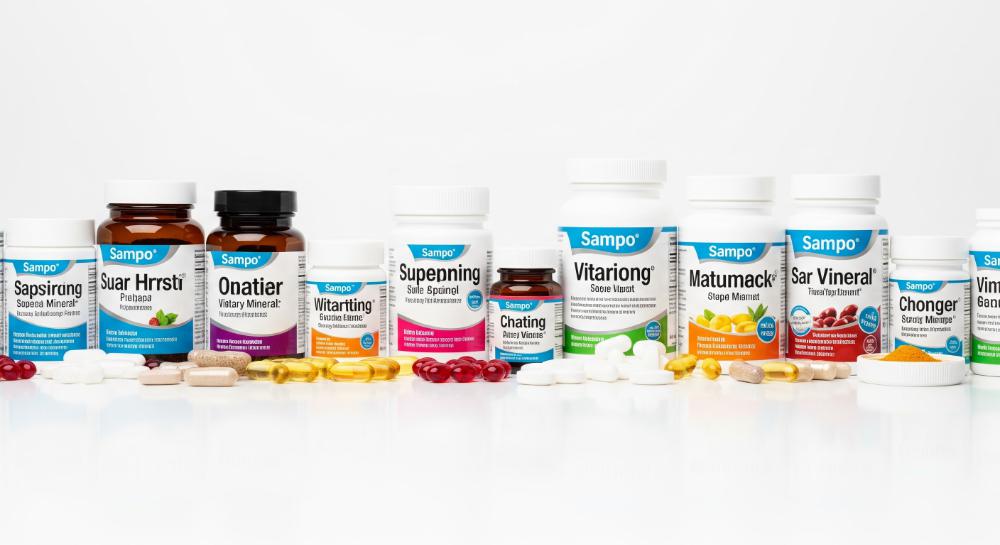
Choosing the right dietary supplements is about balance, intention, and information. By understanding your personal needs, focusing on quality, and staying mindful of how supplements fit into your overall lifestyle, you can enhance your health safely and effectively. Remember: good nutrition starts on your plate, and the best supplements are those that help you build a stronger foundation—without shortcuts or empty promises.