For global supplement brands, finding a reliable manufacturer can be a daunting challenge. Many companies struggle with inconsistent product quality, regulatory compliance issues, and communication barriers when sourcing supplements internationally. Choosing the wrong partner can lead to costly delays, product recalls, or brand reputation risks.
What if you spend months developing a new supplement, only to encounter a factory that cannot meet GMP standards, lacks proper certification, or produces a product that fails quality testing. In addition to financial losses, the frustration of dealing with overseas regulations and language barriers can hinder your business growth.
This is where China’s best supplement manufacturers come in. With decades of experience in producing high-quality dietary supplements, advanced GMP-certified facilities, and comprehensive OEM/ODM services, these manufacturers provide a trustworthy, cost-effective solution for global brands seeking to scale efficiently while maintaining product excellence.
Why Choose Supplement Manufacturers in China
China has emerged as a global leader in supplement manufacturing, attracting brands from around the world. Several factors make Chinese manufacturers a preferred choice:
1. Cost Efficiency without Compromising Quality
Chinese supplement manufacturers offer competitive production costs thanks to large-scale facilities and efficient supply chains. This allows brands to maintain healthy margins while accessing high-quality products, from capsules and softgels to powders and gummies. Importantly, cost-effectiveness does not mean cutting corners—top-tier factories adhere to stringent GMP, ISO, HACCP, and even FDA-compliant standards, ensuring both safety and consistency.
2. Comprehensive OEM and ODM Services
The leading manufacturers provide end-to-end services, from formula development to packaging design. Whether a brand requires private label supplements, custom formulations, or specialized functional products, Chinese manufacturers can meet diverse needs efficiently. This flexibility reduces the time to market and enables brands to experiment with innovative supplement concepts without investing in their own production infrastructure.
3. Advanced Quality Control Systems
Quality is paramount in dietary supplements. China’s best manufacturers implement rigorous quality control procedures, including raw material inspection, in-house lab testing, stability studies, and third-party verification. These measures ensure that every batch meets international standards, giving brands confidence when entering highly regulated markets such as the US, EU, and Japan.
4. Global Export Expertise
Manufacturers in China are experienced in handling international logistics, customs clearance, and regulatory documentation. This experience is invaluable for global brands, allowing them to navigate import/export processes smoothly and avoid costly delays or compliance issues.
Types of Supplements and Manufacturing Capabilities
China’s supplement manufacturers are equipped to produce a wide range of dietary supplements in various dosage forms. Key categories include:
-
Tablets: Standardized herbal, vitamin, and mineral tablets designed for easy consumption and shelf stability.
-
Capsules: Gelatin and vegetarian capsules suitable for powdered formulations, offering flexibility for complex blends.
-
Softgels: Oil-based supplements, such as fish oil, vitamin D, or CoQ10, in softgel form, ensuring bioavailability.
-
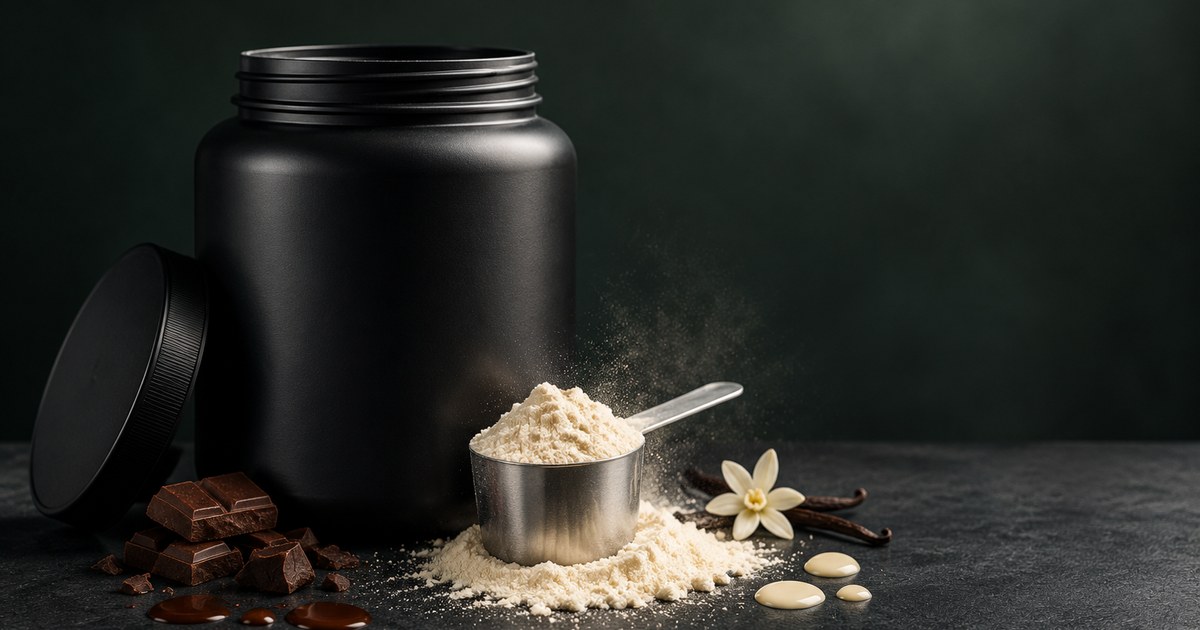
Powders: Protein powders, functional blends, and powdered nutraceuticals for shakes or ready-to-mix beverages.
-
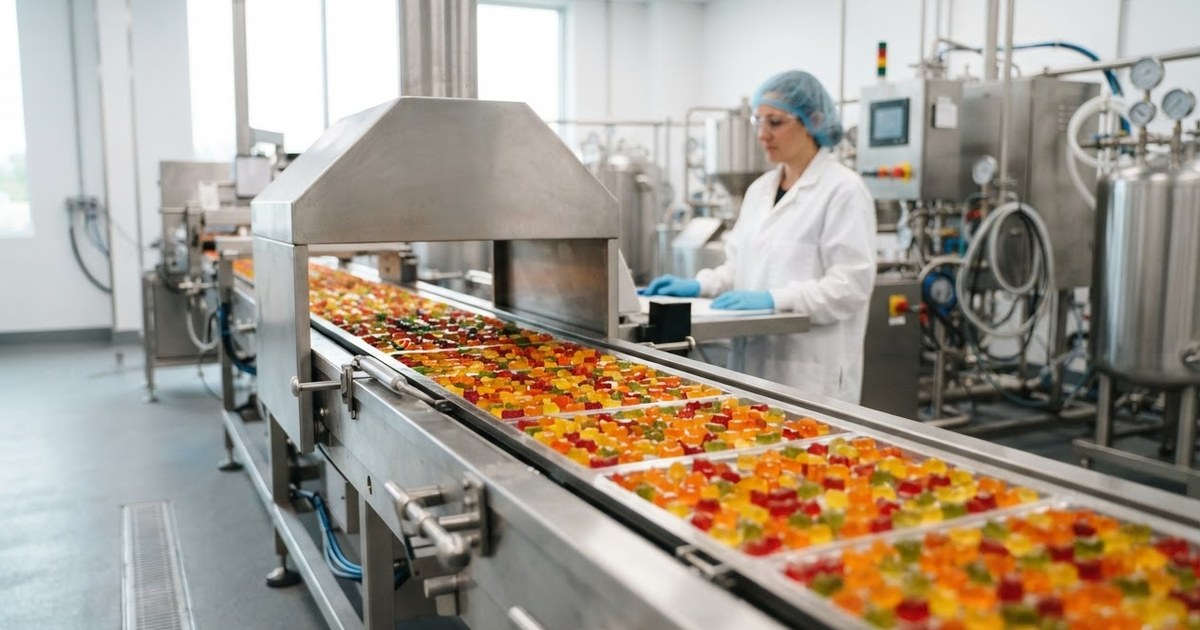
Gummies: Popular among younger demographics, vitamin gummies, and specialty formulations for adults and children.
-
Liquid Supplements: Drops or ready-to-drink liquid supplements with precise dosing and extended shelf life.
These manufacturers not only produce standard formulas but also provide custom formulations, private label services, and packaging solutions, allowing global brands to create unique products tailored to their market.
Key Criteria for Selecting the Best Supplement Manufacturers in China
Choosing the best supplement manufacturers in China requires more than simply comparing prices. Global brands must evaluate multiple factors to ensure long-term success, product safety, and regulatory compliance. Below are the core criteria every business should consider:
1. Certifications and Compliance (GMP, ISO, HACCP, FDA-Registered)
Top supplement manufacturers in China maintain internationally recognized certifications. These credentials ensure that facilities follow strict production standards and are regularly audited.
Look for manufacturers with:
-
GMP (Good Manufacturing Practice)
-
ISO 22000 or ISO 9001
-
HACCP
-
FDA-registered or NSF-audited facilities
These certifications highlight a manufacturer’s commitment to hygiene, traceability, and consistent quality—critical for entering markets like the US, EU, and Australia.
2. Raw Material Quality and Supply Chain Transparency
China has one of the world’s most robust raw ingredient ecosystems. However, transparency varies by supplier. The best supplement manufacturers ensure complete visibility of raw materials, including:
-
Source origin certificates
-
Third-party testing reports
-
Heavy metal, pesticide, and microbiology results
-
Organic certifications (if applicable)
Brands should prioritize factories that maintain long-term partnerships with reputable raw ingredient suppliers to ensure purity and stability.
3. R&D Strength and Custom Formulation Capabilities
Today’s supplement market moves fast—new ingredients, delivery formats, and health trends appear constantly. China’s best manufacturers invest heavily in R&D, allowing global brands to launch innovative formulas.
Industry-leading factories provide:
-
In-house R&D laboratories
-
Clinical formulation experience
-
Pilot batch testing
-
Flavor optimization
-
Stability studies
This level of support helps brands shorten development cycles and stand out in a competitive market.
4. Production Capacity and Lead Times
For brands planning long-term growth, a manufacturer’s capacity is just as important as quality. High-volume factories can handle large orders while maintaining consistent lead times, allowing brands to scale without delays.
Key indicators include:
-
Number of production lines
-
Output capacity per dosage form
-
Backup machines to avoid downtime
-
Flexible MOQ options for global brands
A reliable manufacturer should offer scalability—from small pilot runs to bulk production—without compromising consistency.
5. Communication, Customer Support, and After-Sales Service
Effective communication bridges the gap between global brands and overseas factories. The best supplement manufacturers in China maintain dedicated English-speaking account managers, provide fast sample turnaround, and offer clear documentation at every stage.
A dependable partner should deliver:
-
Transparent production updates
-
Quick response times
-
Detailed COAs for every batch
-
Post-delivery support and compliance documents
Good communication minimizes misunderstandings and ensures smoother long-term collaboration.
Success Stories: Why Global Brands Choose China
Many international supplement companies—ranging from private-label startups to established retailers—already partner with Chinese manufacturers for several reasons:
1. Proven Quality with Competitive Costs
China’s top factories supply thousands of brands worldwide, including products sold in global marketplaces and retail chains. Their ability to deliver high-quality supplements at competitive prices helps brands achieve strong profit margins without sacrificing safety.
2. Innovation-Driven Manufacturing
Contrary to old stereotypes, modern Chinese manufacturers lead in innovation:
-
Sugar-free gummies
-
Vegan capsules
-
Sustained-release tablets
-
High-potency liquid drops
-
Functional superfood blends
This innovation supports brands aiming to launch cutting-edge health formulas.
3. Faster Turnaround and Flexible Solutions
With advanced automation and large-scale facilities, Chinese manufacturers often deliver products faster than suppliers in other regions. This agility is crucial for brands responding to seasonal trends or rapid market changes.
Conclusion: Choosing the Best Supplement Manufacturers in China
China has firmly established itself as a global powerhouse in dietary supplement manufacturing. The country’s leading factories combine strong compliance standards, advanced R&D capabilities, competitive pricing, and rich export experience—making them ideal partners for global supplement brands.
Whether you are launching a new product line, expanding into new health categories, or seeking a long-term OEM/ODM partner, the key to success lies in choosing a manufacturer that aligns with your brand’s values and quality expectations.
Coming Next: Recommended Supplement Manufacturers in China
If you’re looking for specific factory recommendations, certifications, and side-by-side comparisons, stay tuned for the next article:
“Top Supplement Manufacturers in China: A Detailed Comparison for Global Brands”
How to Vet a Supplement Manufacturer Before Placing a Bulk Order
Certificates on a website prove little on their own. Request the actual GMP certificate with the issuing body, scope of certification, and expiry date, then verify the license number directly with the authority or registrar. Confirm which specific product lines the certificate covers, since a facility may hold GMP for tablets but not for gummies or softgels. Ask for the most recent audit report or a summary of findings, and check whether the manufacturer has been inspected by a foreign regulator or a major brand's third-party auditor. A factory that can produce documentation quickly and consistently is usually one that manages its quality system properly.
Before committing to volume, order paid samples from a production batch rather than a hand-prepared lab sample. Test them independently for identity, potency, disintegration, and microbial limits, and compare the certificate of analysis against your own results. A small mismatch is common; a large or unexplained gap is a warning sign. Ask how the factory handles out-of-specification results and request a redacted example of a batch record and deviation report. This tells you more about real quality culture than any brochure.
A factory audit, in person or through a trusted third-party inspector, remains the most reliable step. Focus on raw material quarantine, weighing and dispensing controls, equipment cleaning logs, environmental monitoring in sensitive areas, and finished goods release procedures. Speak with the quality manager directly and ask how change control works when a supplier substitutes an ingredient. Documented, traceable answers indicate a mature system. Vague answers, or a reluctance to allow inspection, should end the conversation regardless of price.
- Verify certificate scope, issuer, and expiry with the authority directly
- Order paid samples from a real production batch and test independently
- Request redacted batch records, deviation reports, and change-control examples
- Audit the facility or commission a third-party inspection before scaling
Minimum Order Quantities, Lead Times, and Production Planning
MOQs in China vary widely by dosage form and packaging. Capsules and tablets typically start lower because tooling is minimal, while softgels, gummies, and stick packs usually carry higher minimums due to setup and yield losses. Packaging drives much of the cost: custom-printed bottles, blisters, and sachets require minimum print runs that can exceed the supplement MOQ itself. Ask for MOQs quoted separately for bulk product and finished packaged goods, and confirm whether the figure applies per SKU or per order. This distinction matters when you plan a range of products rather than a single item.
Lead times depend on whether the formula and packaging are standard or custom. Stock formulas with catalog packaging move fastest; new formulations requiring stability testing, artwork approval, and tooling add weeks. Realistic planning should account for sample rounds, label and carton proofing, and pre-production approvals, not just the production run itself. Build buffer into your launch calendar for Chinese New Year, when many factories slow or close for several weeks, and for peak-season congestion before major Western retail periods.
Payment and tooling terms deserve attention early. Standard practice often involves a deposit with the balance before shipment, and tooling or plate costs may be quoted separately. Clarify who owns custom molds and printing plates, and whether they transfer if you move production later. Ask how the factory schedules repeat orders and whether it reserves capacity for regular clients. A manufacturer that gives you a written production timeline with milestone dates, and flags risks in advance, is far easier to plan around than one that only quotes a single lead-time figure.
Forecasting discipline protects both sides. Share rolling forecasts rather than one-off purchase orders so the factory can reserve raw materials and capacity. Confirm shelf-life at delivery, not just at manufacture, and agree on remaining shelf life as a release criterion. For fast-moving brands, discuss partial shipments and consolidated logistics to balance inventory needs against freight costs. These arrangements are negotiable and are best settled before the first order rather than during a launch crunch.
- Quote MOQs separately for bulk product and finished packaging
- Confirm whether MOQs apply per SKU or per total order
- Plan around Chinese New Year and pre-holiday freight congestion
- Agree remaining shelf life at delivery as a release criterion
Intellectual Property, Confidentiality, and Contract Terms
Your formula, brand, and artwork are commercial assets, and they need contractual protection before you share them. Ask for a mutual non-disclosure agreement that explicitly covers formulations, specifications, supplier identities, and customer lists. Confirm in writing that custom formulas developed for you remain your property and that the manufacturer will not produce them for competitors. If the factory contributes to development, agree upfront on ownership and on whether it may offer a similar base formula to others. Ambiguity here is common and expensive to resolve later.
Define exclusivity clearly if you need it. Exclusivity can apply to a formula, a dosage form, a market, or a period, and each carries different commercial implications. Manufacturers may accept formula exclusivity for a defined volume commitment while declining market-wide exclusivity. Put the agreed scope in the contract with a review date. Also address confidentiality of your customer data and sales information, and restrict the factory from using your brand name or product images in its own marketing without written consent.
Contract terms should cover quality obligations, not just pricing. Specify the specification document as a binding annex, the testing methods used, acceptable tolerances, and the process for handling non-conforming batches, including rework, replacement, or credit. Agree on how complaints are investigated and within what timeframe. Clarify liability for regulatory failures caused by manufacturing deviations versus formulation choices you approved. Governing law, dispute resolution venue, and language of the contract should be settled early, ideally with bilingual documents reviewed by counsel familiar with cross-border supply.
- Sign a mutual NDA before sharing formulas or specifications
- State in writing that custom formulas remain your property
- Define exclusivity scope, volume commitments, and review dates
- Attach specifications and non-conformance remedies to the contract
Reviewed by Dr. Xu Wei, PhD, formulation scientist at ZOOMSHEAL in Guangzhou (23 years of supplement contract manufacturing). Last updated: November 2026. This article is for educational purposes and does not replace medical advice.