
Turnkey Supplement Manufacturing vs Contract Manufacturing: Which Fits Your Brand?
Turnkey supplement manufacturing is the model where a single partner handles the whole launch: formula, ingredient sourcing, production, packaging, artwork and documentation, delivered as a finished, sellable product. It suits brands that want to move quickly without assembling a supply chain piece by piece. But turnkey is not the right answer for every project, and the alternative models, contract manufacturing and toll manufacturing, exist for good reasons.
This guide compares the models, explains where cGMP supplements and quality systems fit, and helps you decide which route matches your brand.
What is turnkey supplement manufacturing?
In turnkey supplement manufacturing, the manufacturer takes responsibility for the full path from brief to finished product. A typical turnkey scope includes:
- Formulation or selection of a stock formula
- Ingredient sourcing and supplier qualification
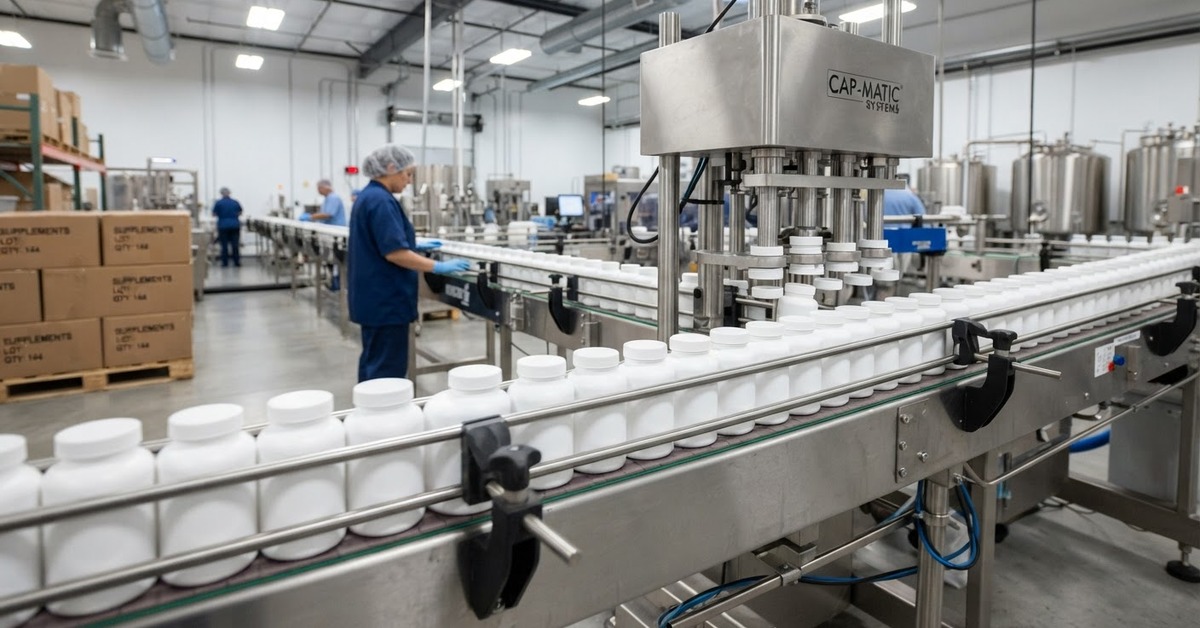
- Production of the agreed dosage form
- Packaging design support, bottles or pouches, labels and cartons
- Quality control and release testing
- Documentation, including specifications, COAs and certificates
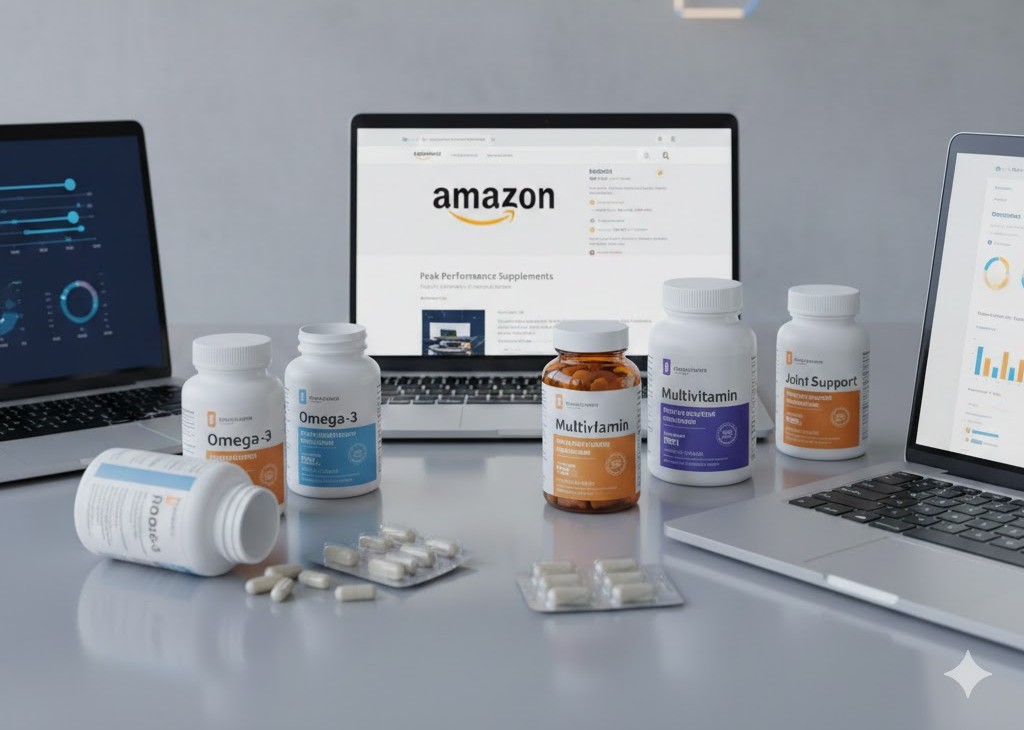
- Shipping support for the finished goods
The brand's job is to define the product, approve the samples and artwork, and take delivery. Turnkey removes the need to coordinate several vendors, at the cost of less control over each step.
What is contract manufacturing?
Contract manufacturing is a broader term for producing to a specification. The brand may own the formula, provide some inputs, and manage parts of the process itself. Contract manufacturing can be as narrow as blending and filling your own pre-mixed ingredients, or as broad as turnkey.
The key distinction is that in contract manufacturing, the split of responsibility is negotiated. In turnkey, the manufacturer handles the whole chain by default.
What is toll manufacturing?
Toll manufacturing is the narrowest model. The brand supplies the raw materials or actives, and the manufacturer charges a toll, a fee for processing only. The manufacturer does not source the actives and does not own the formula.
Toll manufacturing suits brands that already have ingredient supply, often through their own sourcing or a proprietary ingredient, and only need processing capacity. It usually requires the brand to hold the inventory risk and to manage ingredient quality.
Turnkey vs contract manufacturing vs toll manufacturing
| Model | Who sources actives | Who owns formula | Scope | Best for |
|---|---|---|---|---|
| Turnkey | Manufacturer | Depends on terms | Formula to finished carton | Fast launch, low coordination |
| Contract | Negotiable | Negotiable | Production to spec | Brands wanting partial control |
| Toll | Brand | Brand | Processing only | Brands with their own ingredients |
The role of certifications and cGMP
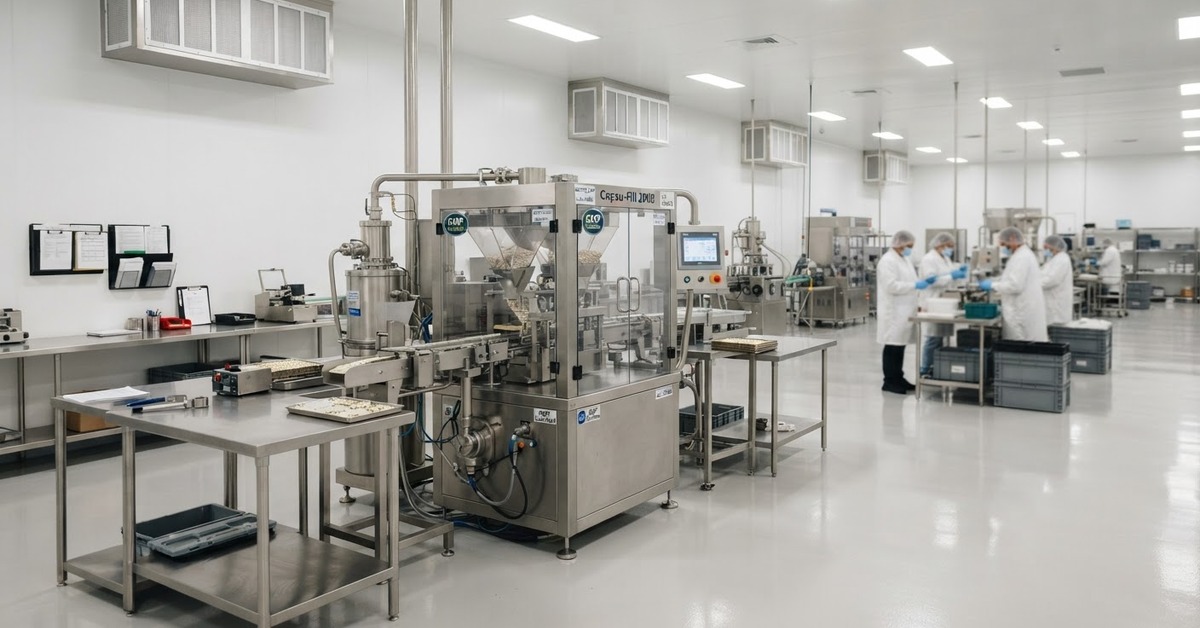
Whichever model you choose, the quality system behind it decides the product. cGMP supplements are produced under current Good Manufacturing Practice, the standard that governs hygiene, equipment, records and release testing. Alongside cGMP, serious facilities typically hold GMP, FDA, NSF, HACCP and ISO 22000 certifications.
Certification scope matters more than the logo. Confirm on the certificate which products and lines are covered, and ask for the testing protocol that backs a batch release. A turnkey partner that cannot show its quality system is not worth the convenience.
When turnkey is the right choice
- You want to launch quickly with minimal internal resource.
- You do not have a supply chain for actives, packaging or labels.
- You want one accountable contact for the whole project.
- Your formula is not proprietary, or you are happy with manufacturer-developed formulation.
- You value speed and simplicity over control of each element.
When contract or toll manufacturing fits better
- You already own the formula and want it made to your specification.
- You source your own actives, perhaps a branded or proprietary ingredient.
- You want control over packaging and possibly fulfilment.
- You need custom artwork and multiple SKUs managed in-house.
- You want to compare input costs across suppliers yourself.
Many brands evolve between models. A brand might launch turnkey, then move to contract manufacturing once it owns a formula and its own ingredient supply.
What drives cost in each model
Turnkey pricing bundles sourcing, processing, packaging and documentation, so the unit price carries a convenience premium and is less transparent line by line. Contract manufacturing pricing is more granular, since inputs and scope are split. Toll manufacturing charges mostly for processing, so the brand carries ingredient and inventory cost and risk.
For any model, the main cost drivers are actives, dosage form, volume, packaging minimums and testing. Compare the full landed cost, not just the unit price, and confirm what each quote assumes.
How to choose
- Match the model to your stage. Early brands benefit from turnkey; established brands often prefer contract or toll.
- Verify certification scope for the lines that will run your product.
- Ask who owns the formula and whether exclusivity is available.
- Confirm MOQ and lead time with a clear start point. Typical parameters are 5,000 bottles, 20,000 gummies, 3,000 jars or 25 kg bulk per SKU, with 4-6 weeks lead time, or 5-7 weeks for gummies.
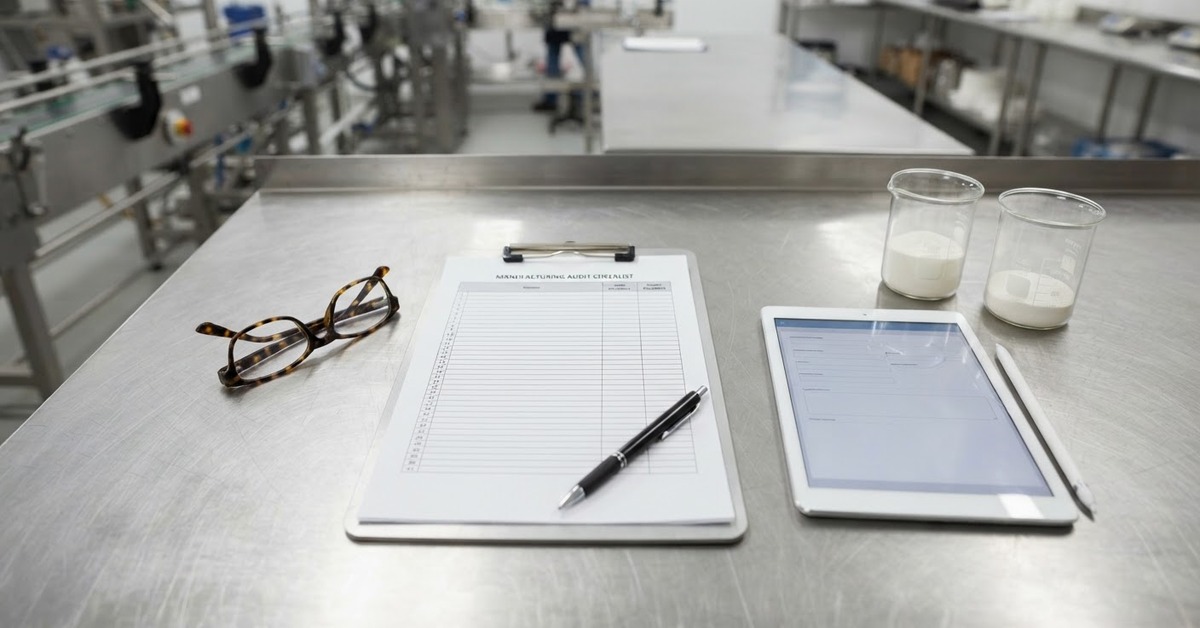
- Demand documentation such as COA and specification templates before you commit.
- Check scalability so the same site can grow with you.
Documentation in each model
- Turnkey usually delivers a full documentation pack: specification, COA, batch records and certificates for the finished product.
- Contract manufacturing documents the scope the brand signed up for, which may be production only.
- Toll manufacturing documents processing, while the brand retains responsibility for ingredient quality and its own incoming documentation.
Whichever model you choose, agree in writing which documents you will receive and when, so nothing is missing at the point of import or listing.
A simple way to decide
Ask three questions:
- Do you already own a formula and actives? If yes, toll or contract manufacturing is likely the better fit.
- Do you want a single accountable partner for the whole launch? If yes, turnkey removes coordination overhead.
- How much control do you need over packaging and cost lines? More control usually means a wider scope for the brand.
The answers rarely point to the same model for every product, and it is normal to run one SKU turnkey and another under contract.
Start your project
ZOOMSHEAL Health offers turnkey supplement manufacturing and contract manufacturing in Guangzhou, with 23 years of OEM experience since 2003. We run custom formulation and private label across powders, capsules, softgels, gummies, tablets, drops and stick packs, under GMP, cGMP, FDA, NSF, HACCP and ISO 22000 certifications. MOQ from 5,000 bottles, lead times from 4-6 weeks.