A practical buyer's guide to supplement contract manufacturing: the seven checks that matter, private label versus custom formulation, red flags, and the questions to ask before you sign.
The barcode rules, the dieline mistake, the print file spec and the ten point checklist that decide whether a supplement label prints correctly the first time.
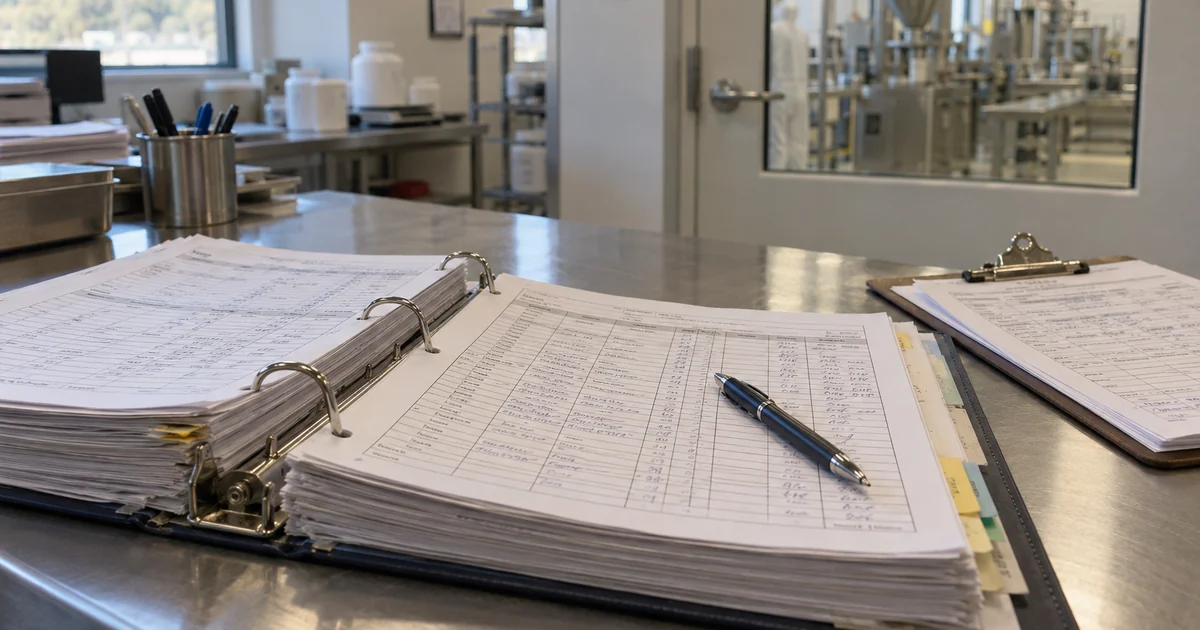
What a GMP inspection actually examines, the Form 483 observations that keep repeating, what a batch record must contain, and the two day audit a brand should run before signing.
What Amazon asks for before a supplement can be listed, the packaging decisions that decide your fees, and a week by week plan for the first ninety days, including the launch costs nobody budgets for.
What each excipient actually does, whether magnesium stearate and titanium dioxide deserve their reputation, and what removing them costs in reformulation, shelf life and price.
Heavy metals are a raw material problem, measured per serving, judged against limits that differ by market. Which ingredients carry the risk, what ICP-MS results mean, and how to read a certificate properly.
The same factory quote can land at very different prices depending on the incoterm. What EXW, FOB, CIF and DDP each include, who carries the risk, and which term to ask for at your order size.
Price from landed cost upwards, not from the shelf price downwards. A worked build-up, the margin stack for every channel, and the three numbers that decide whether a supplement brand survives.
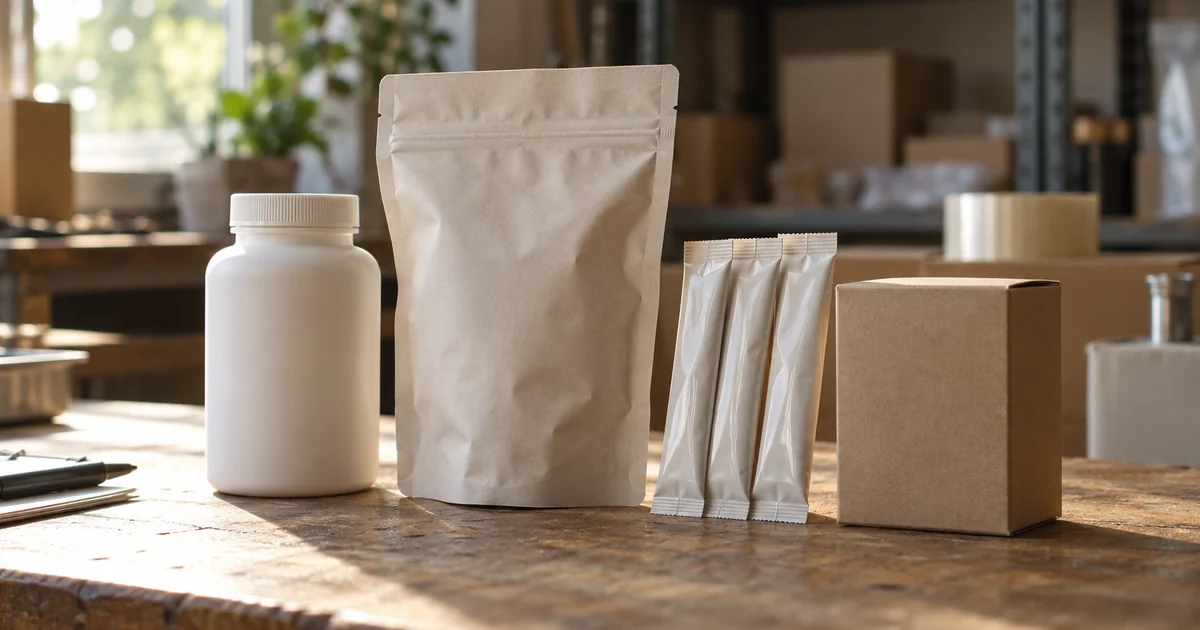
On a 60-count bottle, packaging can be 40 to 60 percent of landed cost. What each format adds at 1,000 and 5,000 units, the four cost layers most brands forget, and where small runs lose money.
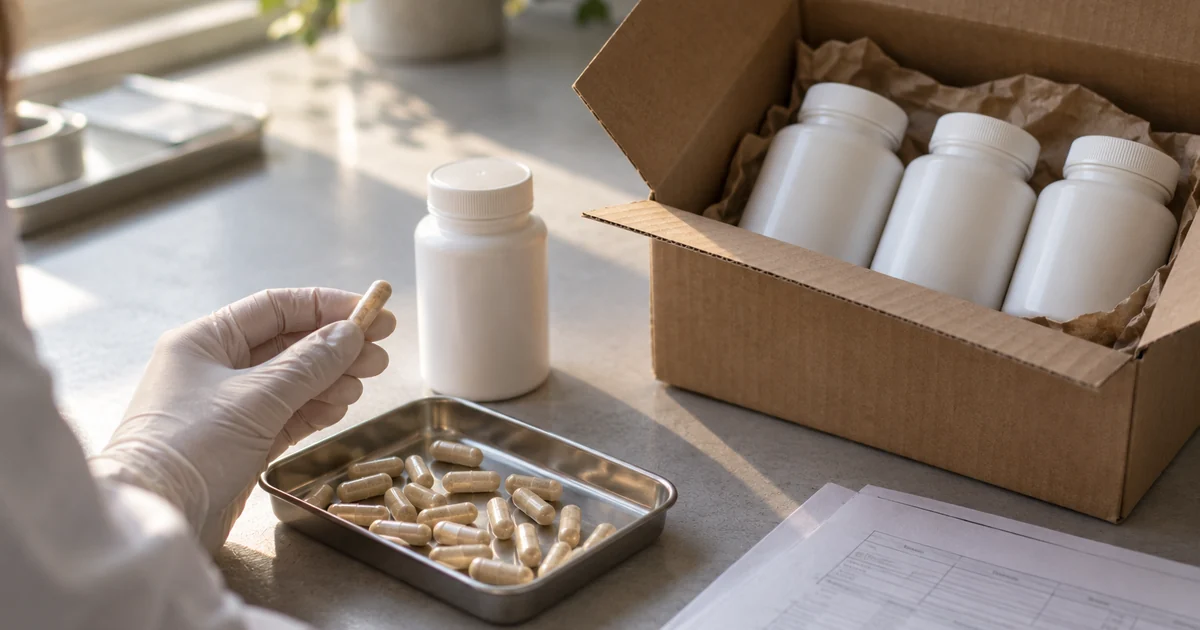
A supplement sample is a preview of a process, not of a product. Here are the four kinds of sample, what each costs, what a proper sample kit contains, and the ten questions to ask when the box arrives.
A manufacturer switch is a transfer of a validated process, not a purchase order. It takes 12 to 16 weeks across four parallel workstreams: formula handover, validation batch, label and regulatory work, and supply continuity.
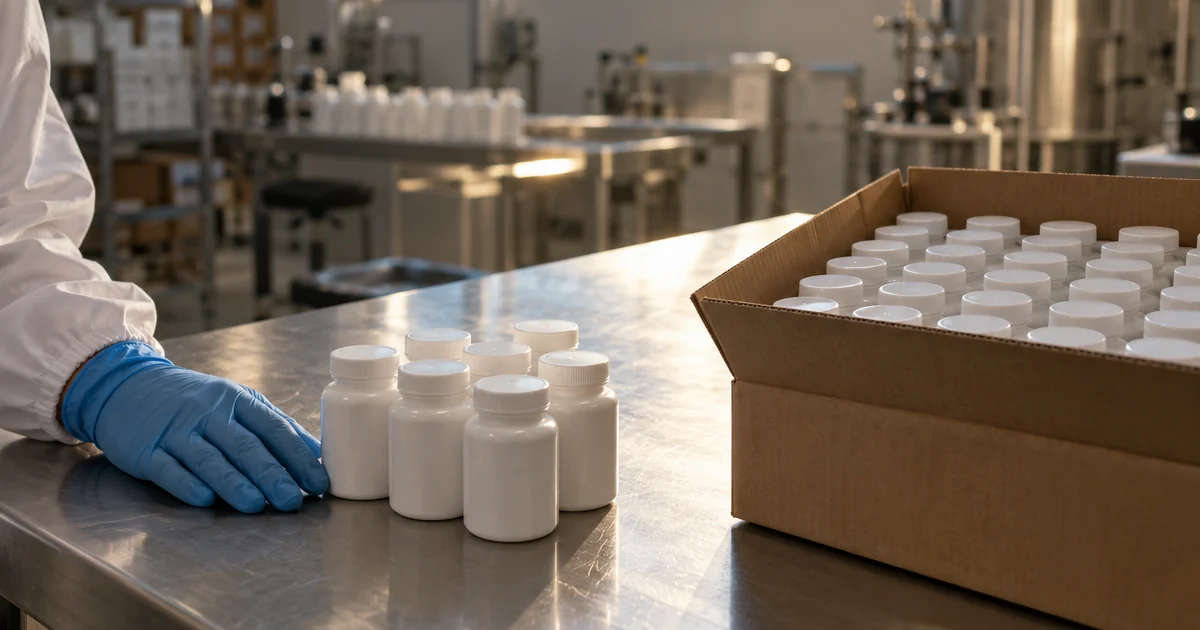
A supplement MOQ is the largest of four minimums: raw material, packaging components, machine changeover and batch testing. Here is how the number is built, why 500 units costs more per bottle than 5,000, and how to negotiate it down.
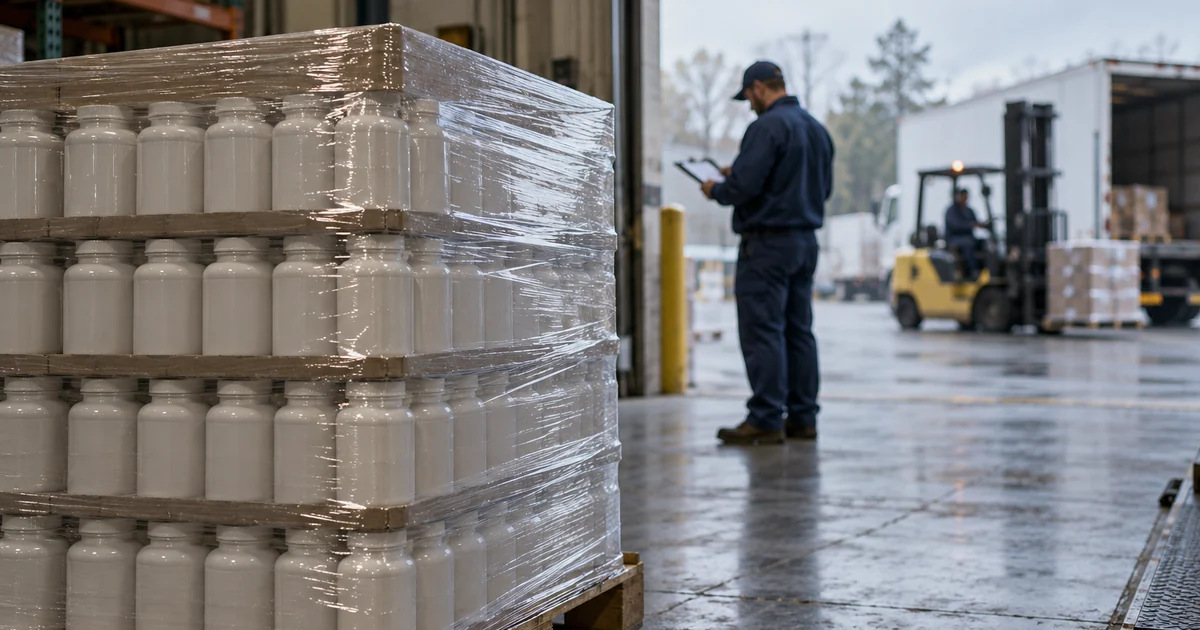
A supplement order usually takes 8 to 12 weeks from purchase order to delivered pallet. Here is the week-by-week breakdown, the four stages that slip, and how to count backwards from your launch date.
A proprietary blend lets a brand list one total weight for a group of ingredients instead of individual doses. Here is how the rule works, when a blend is legitimate, and what it costs in customer trust.
A batch code identifies the exact production run a supplement came from. Here is where to find it, what the characters mean, how to use it to pull a certificate of analysis, and what to do when the code is missing.
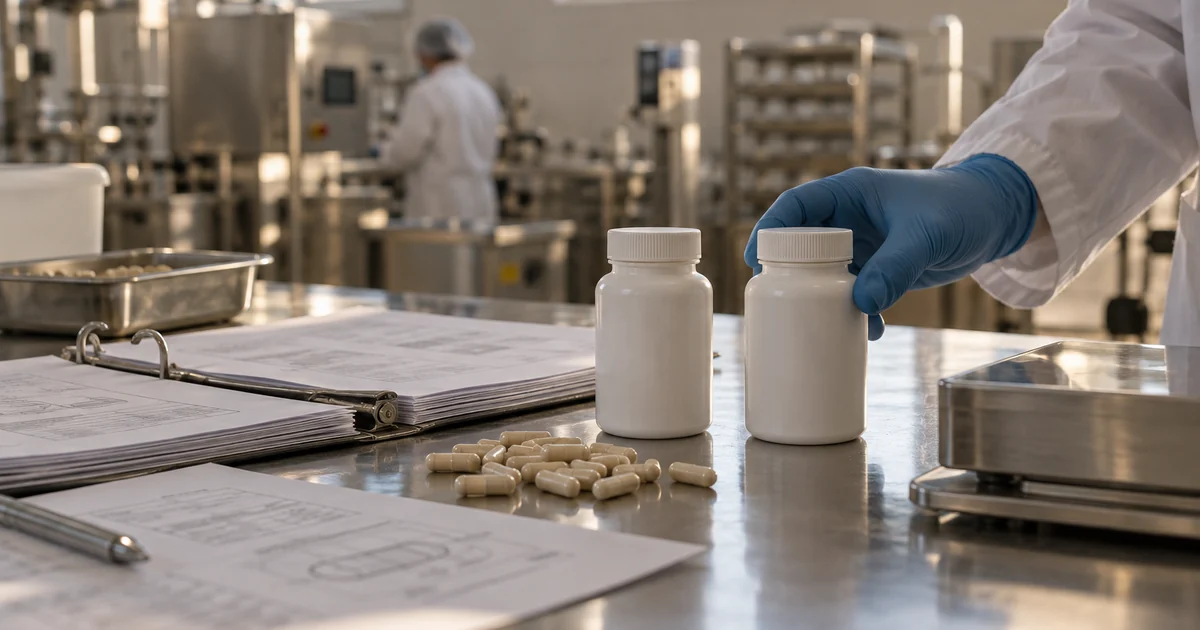
A formulation scientist's guide to supplement manufacturing cost: what drives quotes, MOQ by dosage form, lead times, QC documents, and how to vet a GMP contract manufacturer.
A formulation scientist's guide to effervescent tablet manufacturing: acid-base chemistry, low-humidity production, MOQ from 3,000 units, 4-6 week lead times, and batch documentation.
A formulation scientist compares turnkey, contract and toll supplement manufacturing: MOQs, lead times, cost drivers, documents and how to pick a partner.
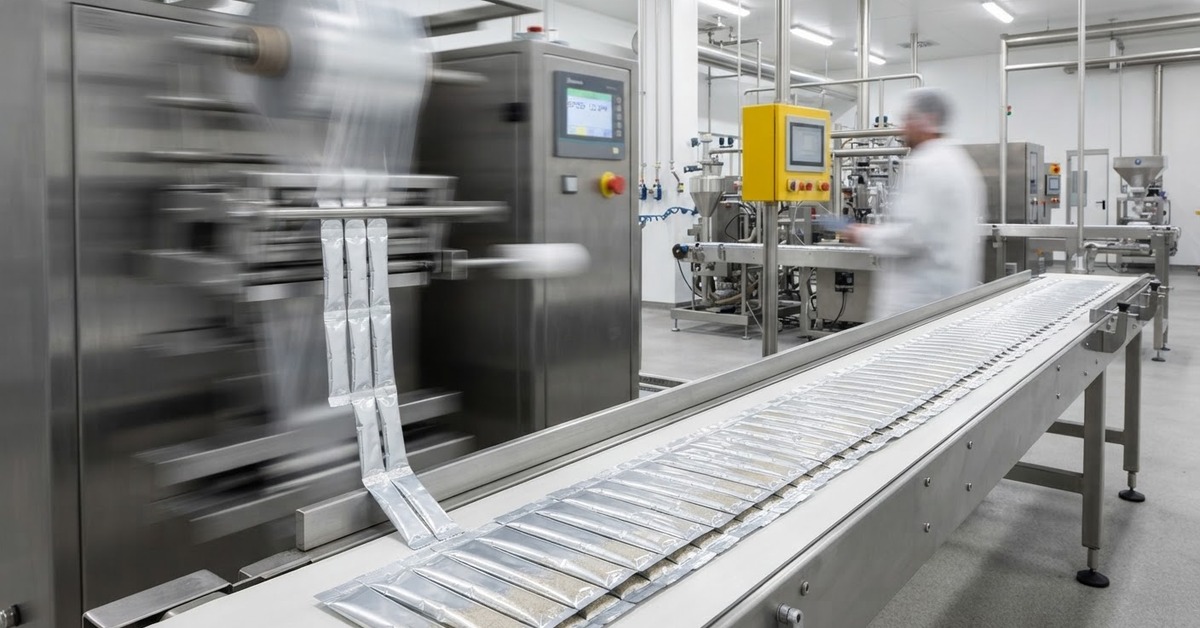
How stick packs are made, specified, tested and priced. MOQ from 3,000 units, 4-6 week lead times, and the QC documents that ship with every batch.
How probiotic supplements are made: freeze-drying, blending, overages and shelf-life testing. MOQ from 3,000 units, 4-6 week lead time, GMP and ISO certified.
A formulation scientist's guide to pre-workout contract manufacturing: unit operations, specs, cost drivers, MOQ by format, QC documents, and supplier questions.
How supplement contract manufacturing works at ZOOMSHEAL Guangzhou: MOQ from 3,000 units, 4-6 week lead time, in-house capsules, softgels, gummies, powders and QC documents.
A formulation scientist's guide to qualifying a supplement contract manufacturer: MOQs, lead times, specs, QC documents, cost drivers and the questions that separate a factory from a trader.
Halal supplements fail on details, not intent. A formulation scientist explains ingredients, capsules, gelatins, line controls and what to verify in a halal certificate.
Home
Product
Center
Contact
Cart