A formulation scientist explains how to make electrolyte water at home with three tested ratios, compares forms, covers safety, label reading, and what changes when scaling to production.
Sweat sodium varies from 200 to 1,500 mg/L. Learn how to measure your own sweat rate and sodium loss, then build a drinking plan around your number, not a generic bottle.
Sports drinks replace fluid and electrolytes with little or no caffeine. Energy drinks are caffeinated alertness beverages, usually hypertonic. Here is how they differ in formulation, regulation and production.
Sugar-free electrolyte powders avoid calories and blood-sugar spikes, but glucose drives sodium absorption through SGLT1. Learn when that matters for formula design and buying.
Low-carb diets lower insulin, which raises sodium excretion. Here are the sodium, potassium and magnesium targets that prevent keto flu, and how to formulate a keto electrolyte product.
OR S is a medical formulation with a fixed sodium-glucose ratio for treating dehydration from diarrhoea. Sports drinks are for sweat loss during exercise. Substituting one for the other is common, understandable and sometimes harmful.
Thirst, cramps, palpitations and confusion can point to sodium, potassium, magnesium or calcium — or none of them. Here is which symptom maps to which mineral, the blood ranges that matter, and when to seek urgent care.
Magnesium citrate supplies about 11.3% elemental magnesium, absorbs better than oxide, and acts as an osmotic laxative above roughly 300 mg. Here is the dose for each use case, the bowel-tolerance rule, and how it compares with glycinate, malate and oxide.
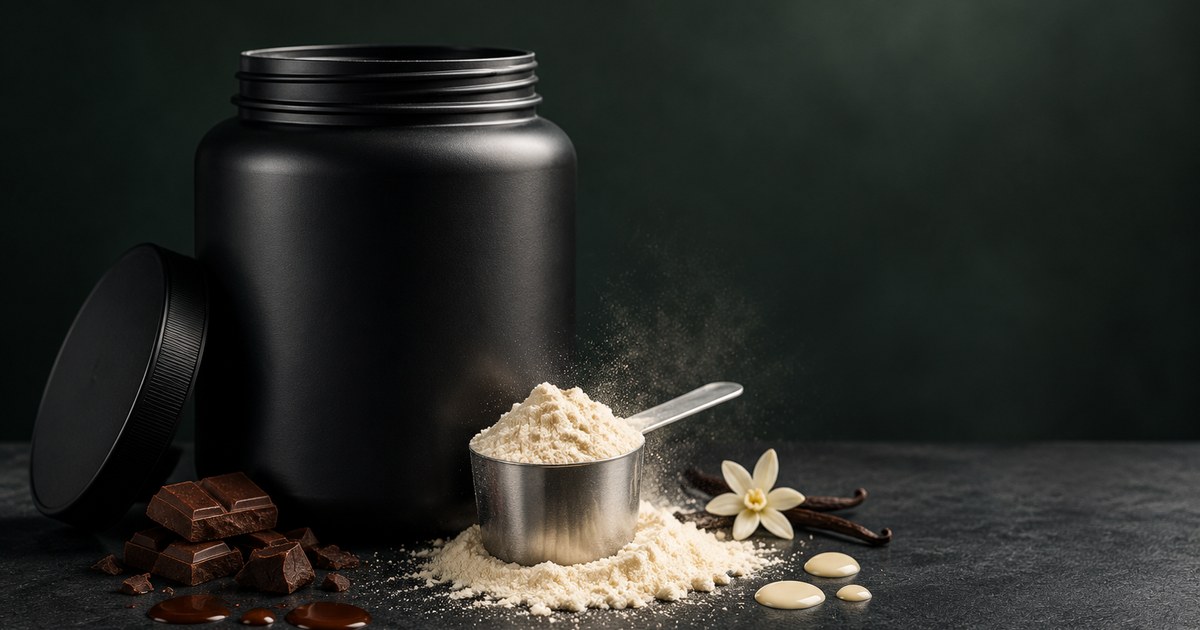
How a contract manufacturer controls protein assay, blend uniformity, flavour systems and fill weight, with a full cost build per serving, MOQ tiers and the six failure modes that hit new protein brands in year one.
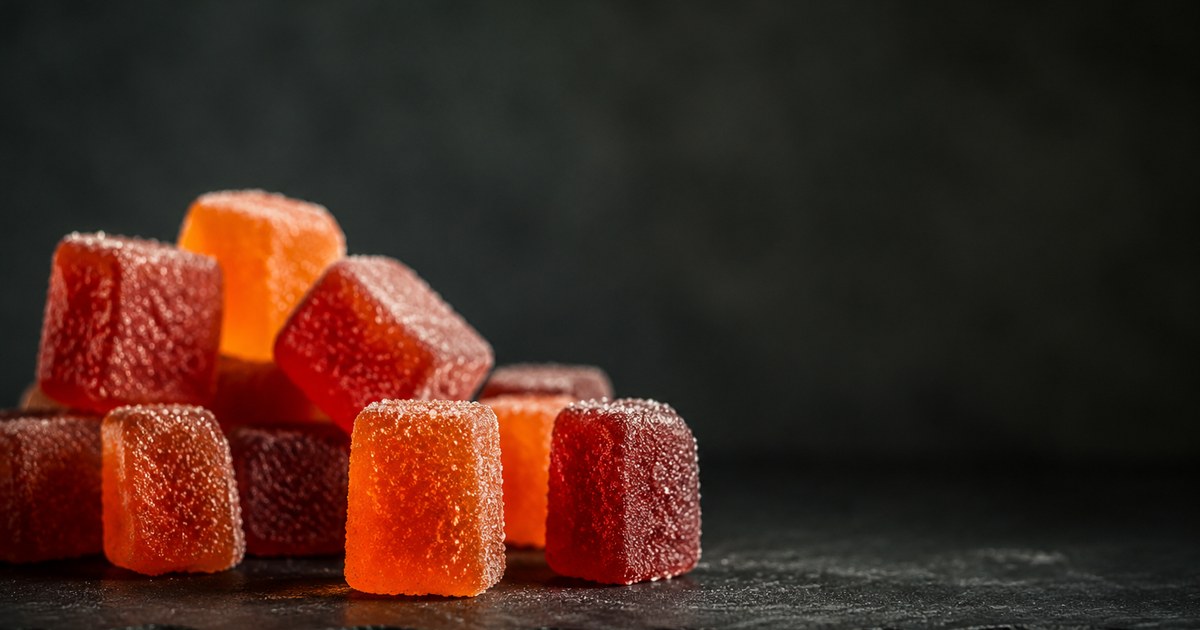
A gummy can hold 2-3 g of creatine, and part of it turns into creatinine. Here is the real dose ceiling, which creatine form survives depositing, the assays that matter and the cost per bottle.
The real minimum order for each format, per-unit cost at 3,000 to 100,000 units, the one-off costs nobody quotes, cash flow maths and break-even volumes by channel.
Melatonin gummies fail on three things: dose reality, label accuracy and country-by-country legality. Here is the physiological versus sold dose, the serotonin contamination evidence, stability, assay and the release protocol.
Collagen trials use 2.5-10 g per day, but a gummy holds far less. Here is the real dose ceiling, peptide selection, the gelatin paradox, hydroxyproline testing, worked formula and cost per gram delivered.
A dose-by-dose comparison of vitamin gummies and capsules: which vitamins fit in a gummy, how much is lost over 12 months, sugar and calorie reality, cost per serving and when a capsule is simply better engineering.
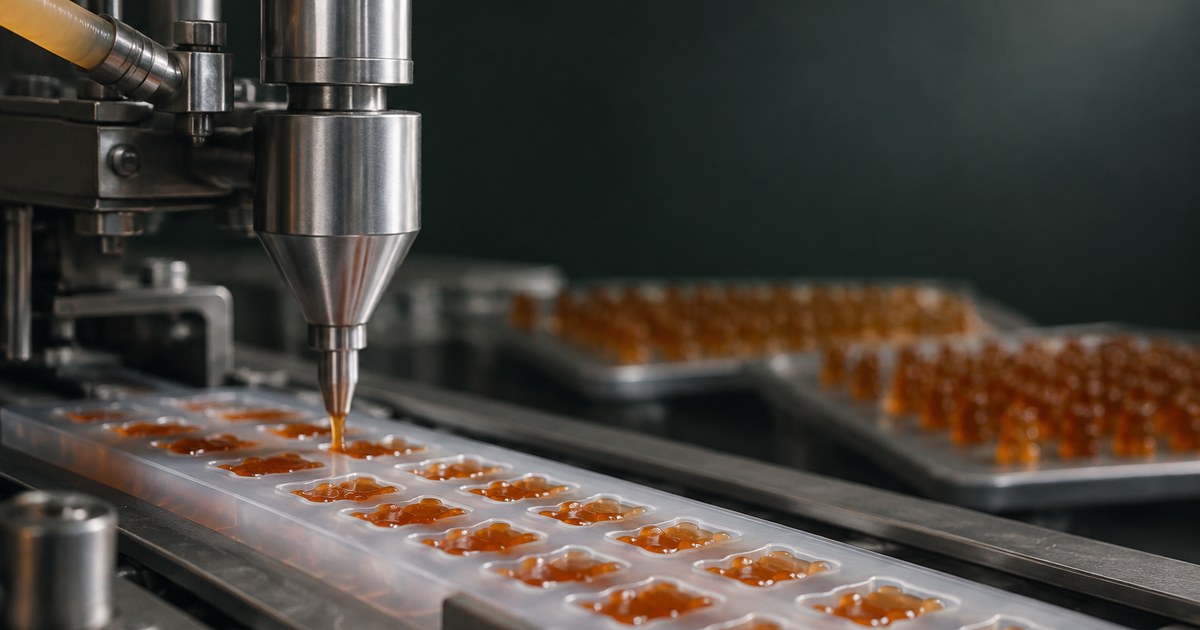
Stage by stage: bench samples, pilot runs, stability and assay development, packaging and compliance, production and release, with the one-off costs and the seven failure points that delay first-time gummy brands.
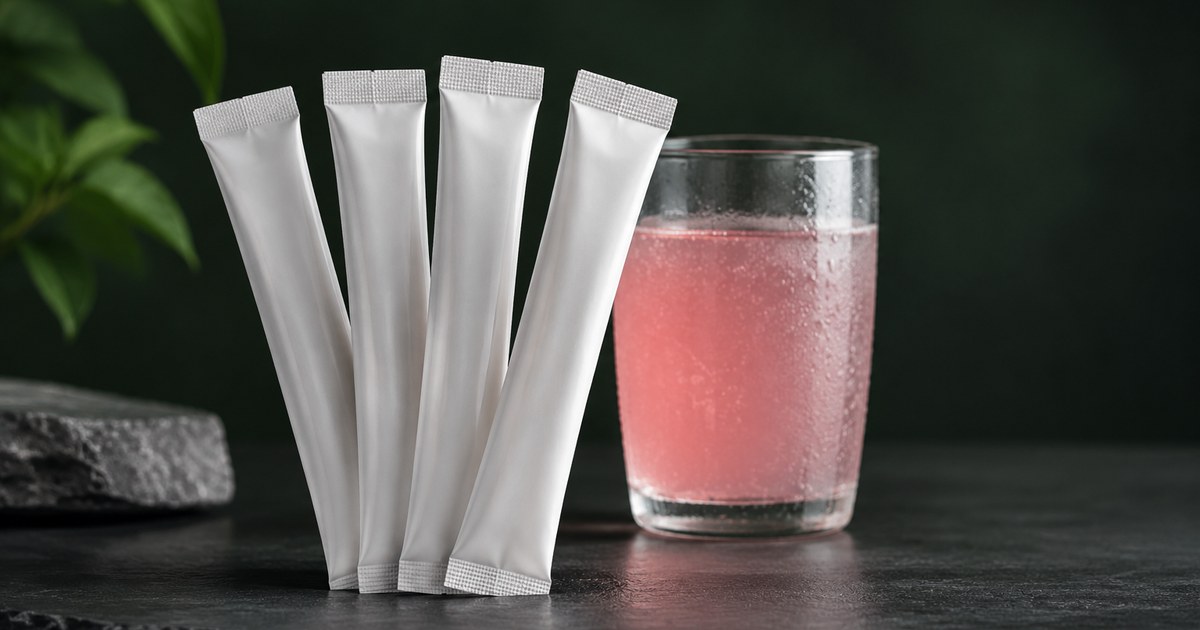
How electrolyte sticks are actually made: salt selection, osmolality maths, flavour masking of potassium and magnesium, foil film and seal parameters, 5 g fill accuracy and the 2026 cost per stick.
Why a standard gummy kills live bacteria, which strains can carry a real CFU claim at expiry, how to calculate overage from your own stability data, and the cost of an honest versus a marketing product.
A working cost model for private label supplements: per-unit costs at 1,000 / 5,000 / 25,000 units, MOQ by dosage form, the hidden line items, and how to compare quotes by cost per serving.
Dose ceiling, cost per serving, MOQ, lead time and stability risk compared across seven supplement formats, plus a five-step decision sequence that avoids the expensive mistakes.
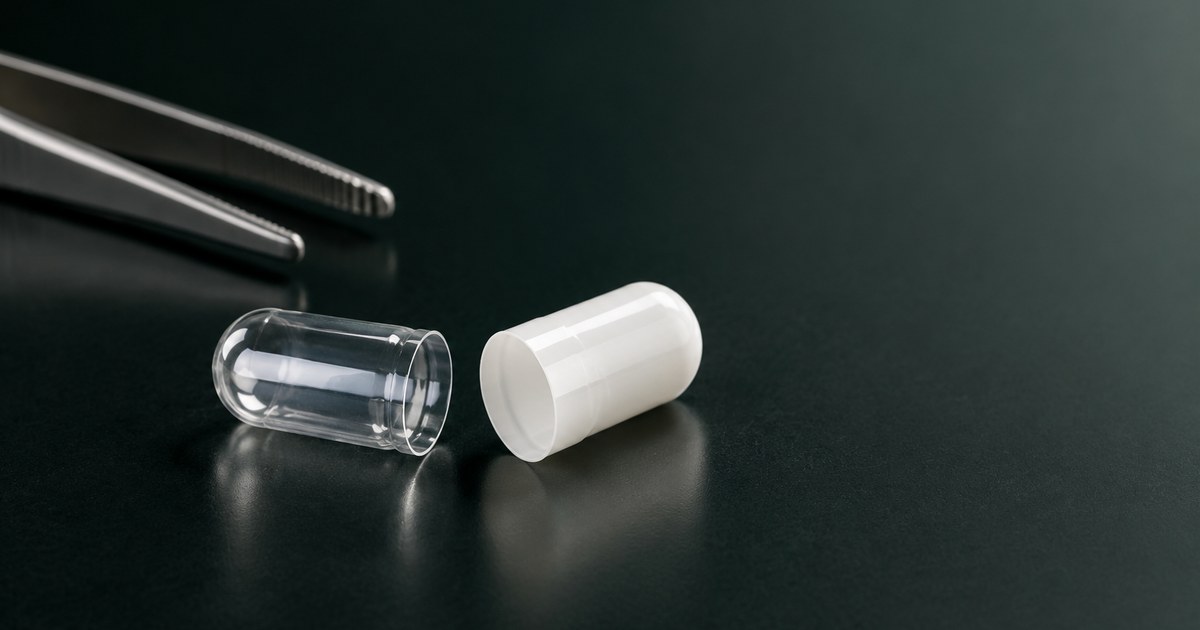
The real differences between plant-based HPMC and gelatin shells: moisture content, cross-linking failures, dissolution speed, halal and vegan claims, and the 5% cost delta on a 60-count bottle.
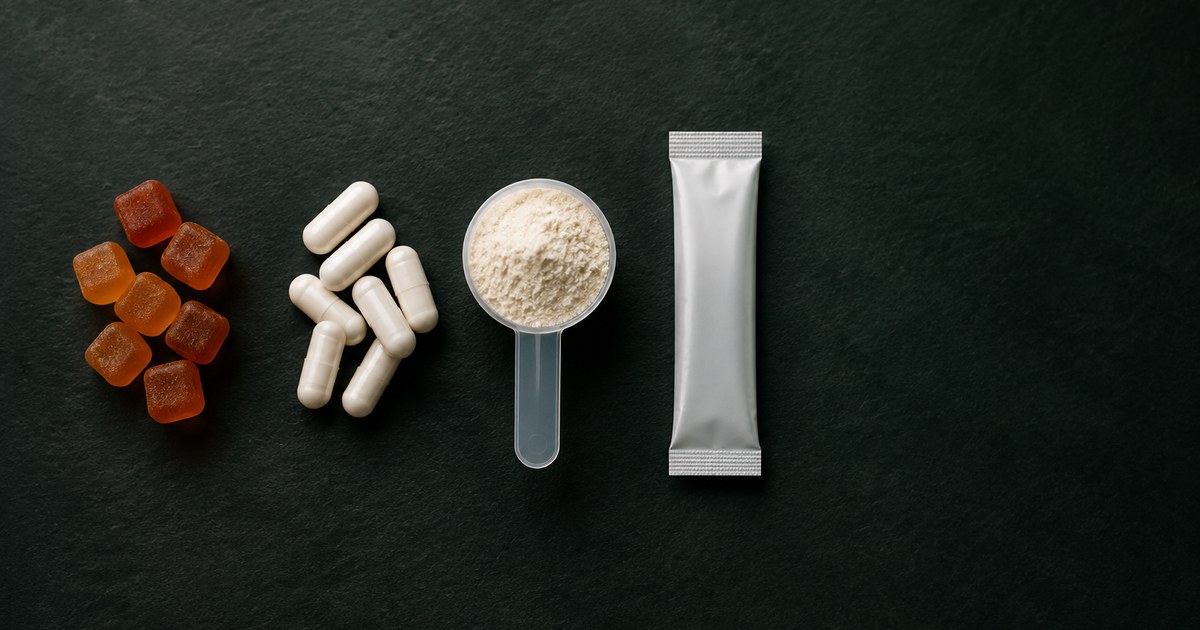
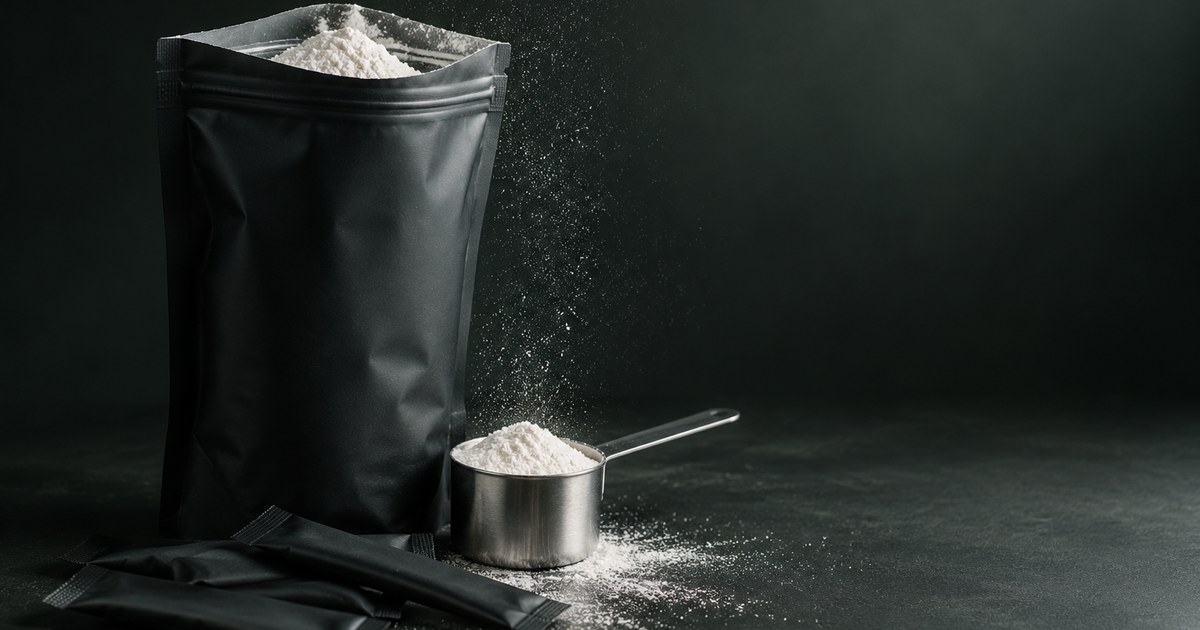
Tub, stick pack or sachet? What changes in the powder spec, why fill accuracy and film structure decide shelf life, and the real cost per serving of each format in 2026.
How much creatine actually fits in a gummy, why the assay falls over 12 months, which creatine form to specify, what masking works, and the real 2026 MOQ and unit-cost bands.
What supplement contract manufacturing in China really involves: the nine checks before you send a deposit, what a Chinese quote leaves out, the documents you need, red flags, and how to audit a factory remotely.
Home
Product
Center
Contact
Cart